
 EN
EN
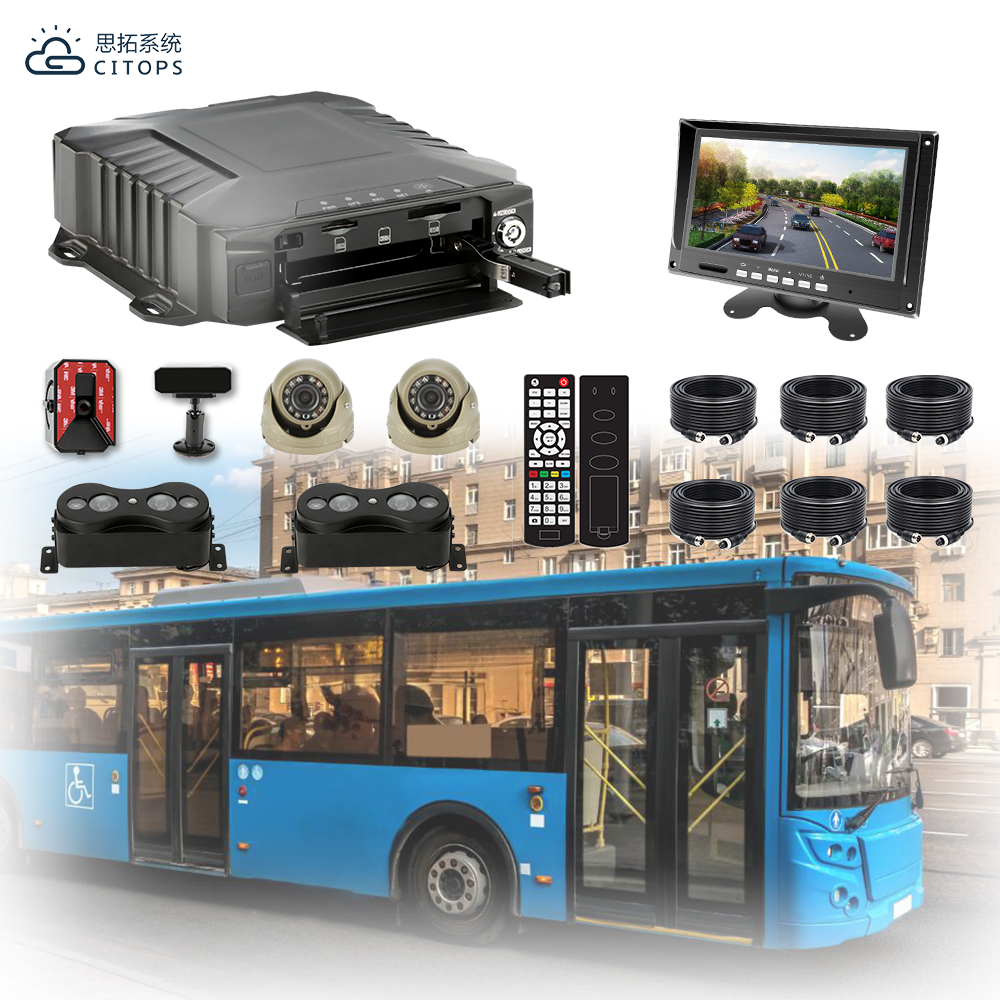
Bus mobile DVR systems have become essential components in modern public transportation, offering comprehensive solutions that address both passenger safety concerns and operational management challenges. These advanced video recording devices specifically designed for bus environments provide real-time monitoring capabilities, incident documentation, and valuable fleet management insights that traditional security measures simply cannot match.
The integration of bus mobile DVR technology transforms how transit operators approach safety protocols and fleet optimization. By combining multiple camera feeds, GPS tracking, and intelligent analytics, these systems create a comprehensive safety net that protects passengers while providing fleet managers with actionable data to improve service quality, reduce liability risks, and enhance overall operational efficiency.
Enhancing Passenger Safety Through Advanced Monitoring
Real-Time Incident Detection and Response
Bus mobile DVR systems excel at providing immediate awareness of safety incidents as they occur. Multiple camera angles capture every area of the bus interior and exterior, allowing drivers and control center operators to respond quickly to emergencies, altercations, or medical situations. The real-time monitoring capability means that help can be dispatched immediately when needed, potentially preventing minor incidents from escalating into serious safety concerns.
Advanced bus mobile DVR units incorporate motion detection and audio monitoring features that can automatically alert operators to unusual activities or disturbances. These systems can distinguish between normal passenger movement and potentially dangerous situations, triggering immediate notifications to both the driver and fleet management center. This proactive approach to incident detection significantly improves response times and passenger safety outcomes.
The integration of panic buttons with bus mobile DVR systems creates an additional layer of safety protection. When activated by passengers or drivers, these emergency signals immediately begin recording high-resolution footage while simultaneously alerting emergency services and fleet dispatch centers with precise GPS coordinates and live video feeds.
Evidence Collection and Legal Protection
One of the most critical safety improvements provided by bus mobile DVR technology is comprehensive evidence collection during incidents. High-definition video recording capabilities ensure that every detail of an event is captured with clarity sufficient for legal proceedings, insurance claims, and internal investigations. This documentation proves invaluable when determining fault, protecting against false claims, and ensuring that justice is served in criminal cases.
The tamper-proof storage systems built into professional bus mobile DVR units guarantee that recorded evidence remains intact and legally admissible. Time-stamped footage with GPS coordinates provides irrefutable proof of events, protecting both passengers and transit operators from fraudulent claims while ensuring that legitimate incidents are properly documented and addressed.
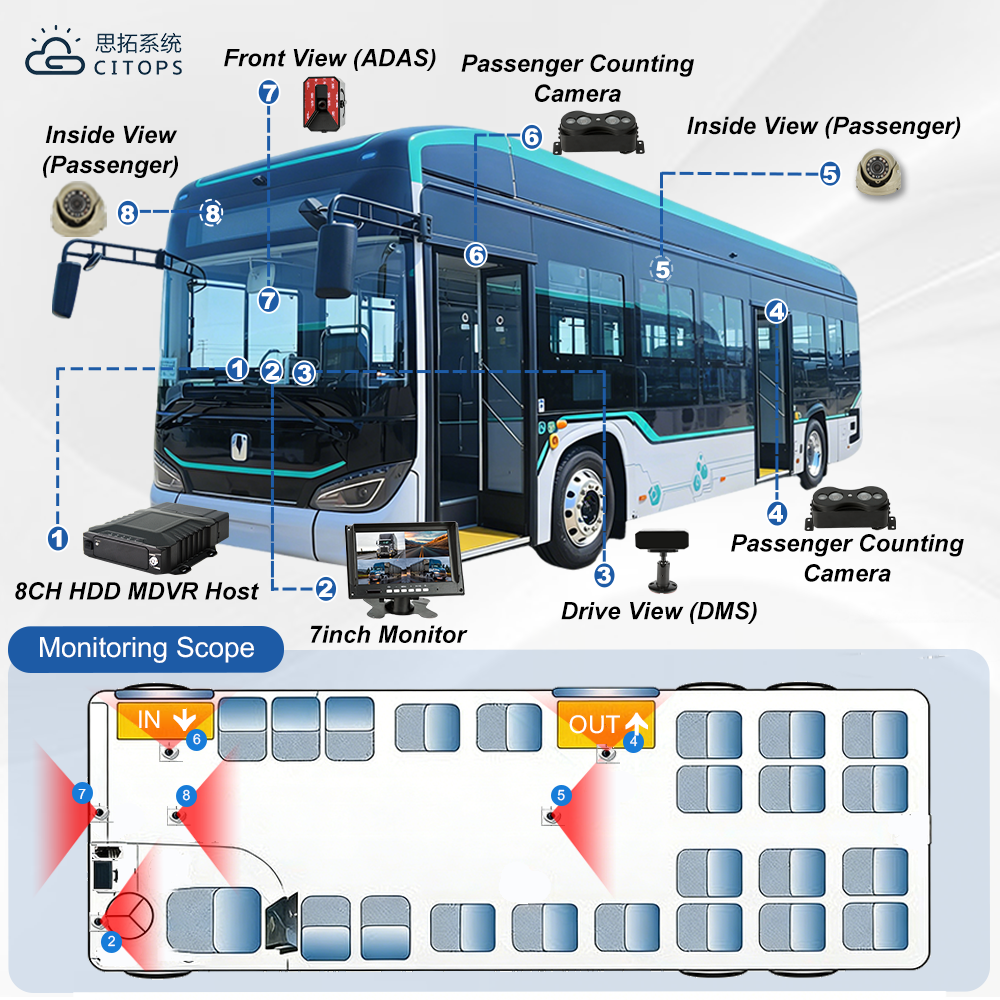
Multiple camera angles provided by comprehensive bus mobile DVR installations eliminate blind spots that could compromise evidence quality. Interior cameras monitor passenger areas, driver compartments, and entry points, while exterior cameras capture road conditions, traffic situations, and external threats. This complete coverage ensures that no important detail is missed during critical incidents.
Optimizing Fleet Management Operations
Driver Behavior Monitoring and Training
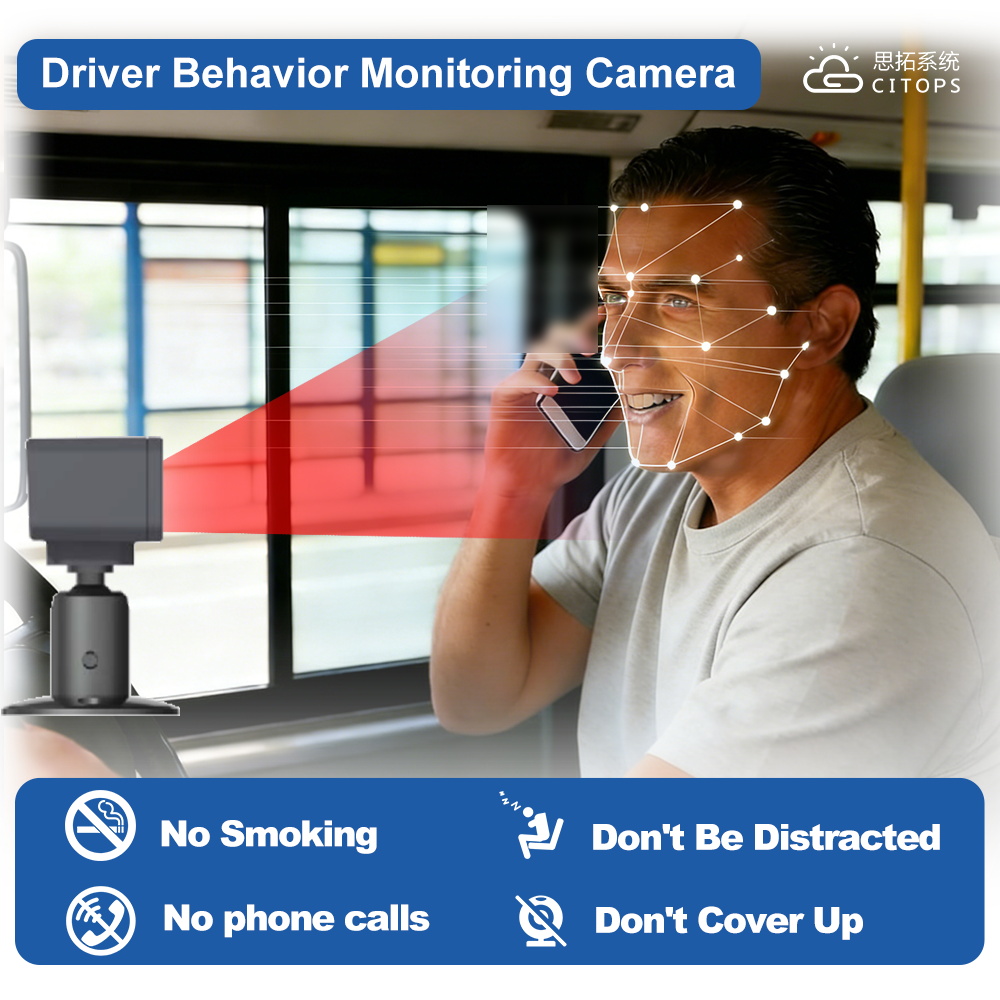
Bus mobile DVR systems provide fleet managers with unprecedented insights into driver performance and behavior patterns. Advanced analytics can monitor driving habits such as harsh braking, rapid acceleration, excessive speed, and adherence to designated routes. This data enables targeted training programs that address specific performance issues while recognizing and rewarding safe driving practices.
The coaching capabilities enabled by bus mobile DVR technology extend beyond basic driving metrics to include customer service interactions, compliance with safety protocols, and adherence to schedule requirements. Video evidence of exceptional service can be used for positive reinforcement, while instances requiring improvement can be addressed through specific, evidence-based training sessions.
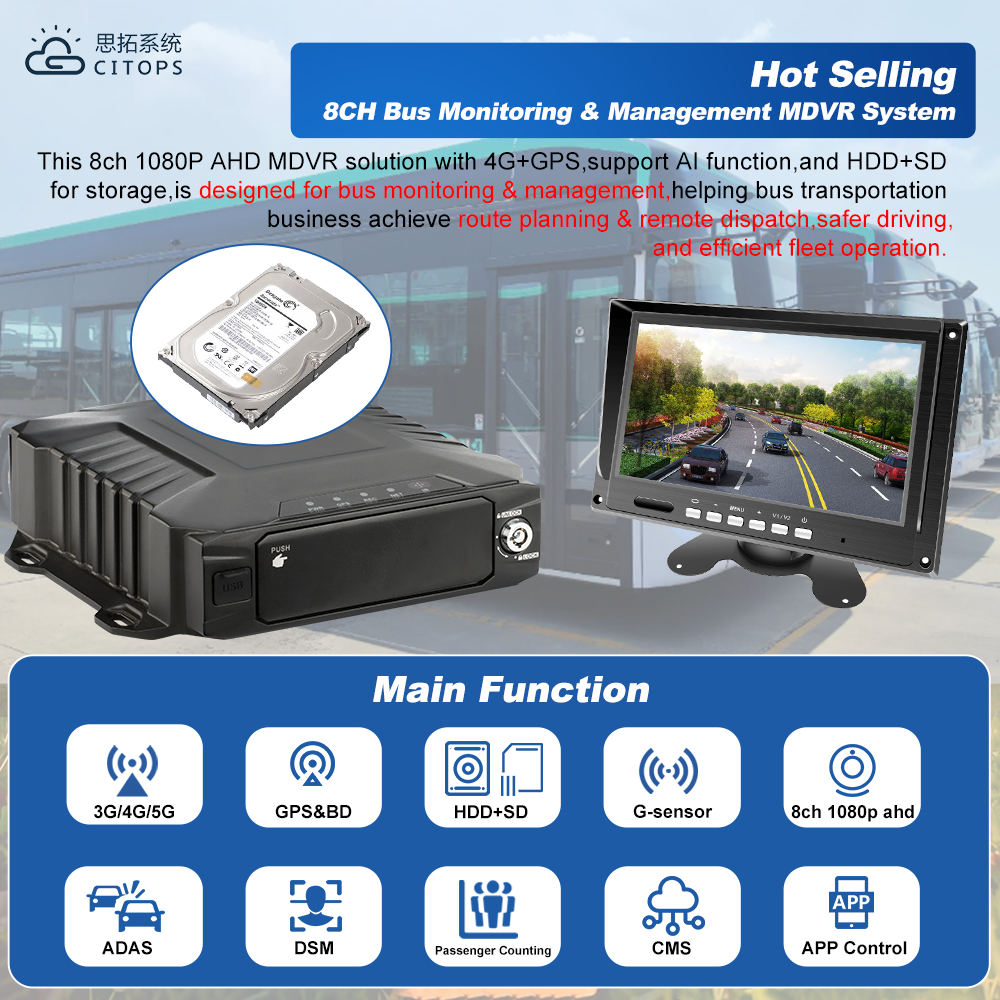
Integration of Advanced Driver Assistance Systems (ADAS) with bus mobile DVR platforms creates comprehensive driver support networks that actively prevent accidents while documenting safe driving practices. These systems can provide real-time alerts for forward collision warnings, lane departure detection, and driver fatigue monitoring, all while maintaining detailed records for performance evaluation and continuous improvement.
Route Optimization and Operational Efficiency
GPS integration with bus mobile DVR systems provides fleet managers with precise tracking data that enables route optimization and schedule improvements. By analyzing travel times, stop durations, and passenger boarding patterns, operators can make data-driven decisions about route adjustments, service frequency modifications, and resource allocation strategies.
Passenger counting features integrated with bus mobile DVR systems deliver valuable ridership data that helps optimize service delivery. Understanding peak usage times, popular routes, and capacity utilization patterns allows transit operators to adjust schedules, deploy appropriate vehicle sizes, and improve overall passenger satisfaction while maximizing operational efficiency.
Fuel consumption monitoring through bus mobile DVR systems enables fleet managers to identify vehicles requiring maintenance, drivers who may benefit from eco-driving training, and routes that present efficiency challenges. This comprehensive data collection supports both cost reduction initiatives and environmental sustainability goals while maintaining high service standards.
Technology Integration and System Capabilities
Multi-Channel Recording and Storage Solutions
Modern bus mobile DVR systems support multiple high-definition camera inputs, typically ranging from 4 to 16 channels depending on vehicle size and coverage requirements. Each channel can record continuously or be triggered by specific events, ensuring that storage capacity is optimized while maintaining comprehensive coverage of all critical areas within and around the bus.
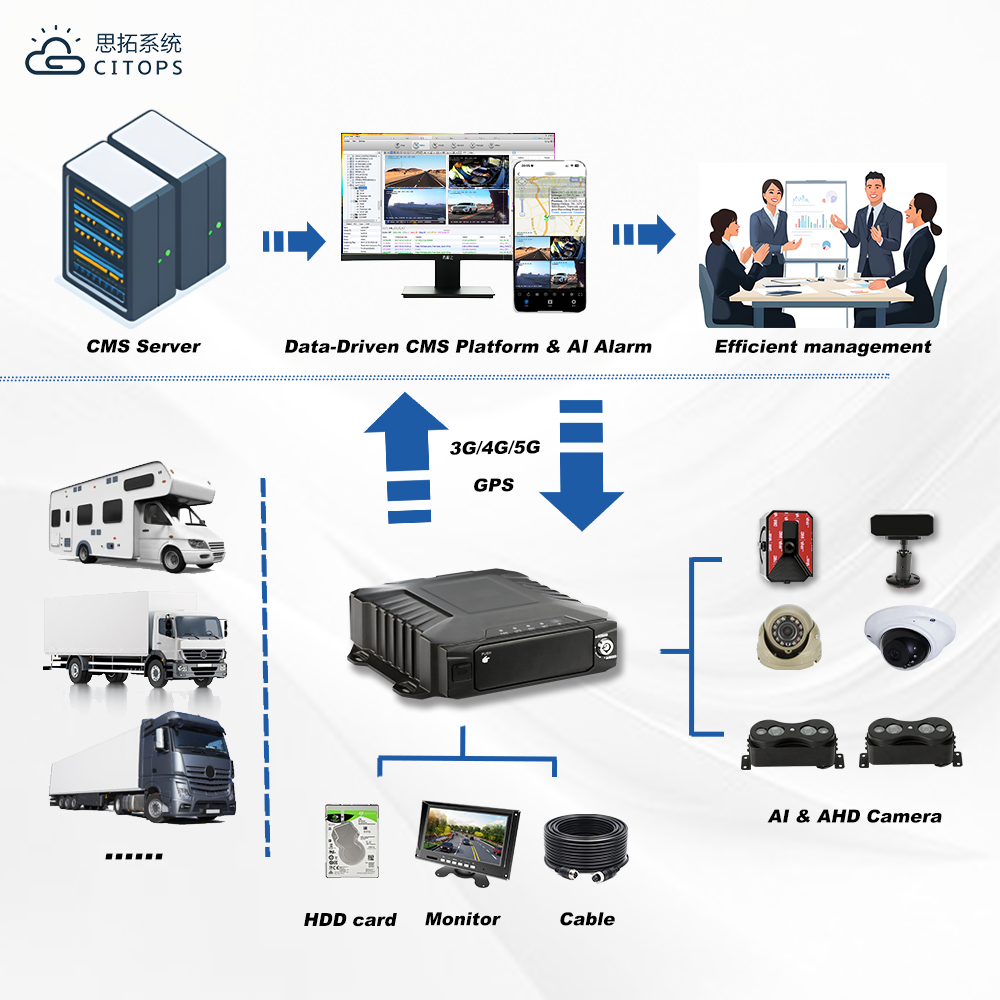
Cloud storage integration with bus mobile DVR systems enables automatic backup of critical footage while providing remote access capabilities for fleet managers and security personnel. This redundancy ensures that important evidence is never lost due to hardware failures or tampering attempts, while also enabling real-time monitoring from central control facilities.
Advanced compression technologies built into professional bus mobile DVR units maximize storage efficiency without compromising video quality. These systems can maintain months of high-definition footage while supporting rapid search and retrieval functions that make finding specific incidents or timeframes quick and efficient for investigators and fleet managers.
Communication and Alert Systems
Wireless communication capabilities integrated with bus mobile DVR systems enable real-time data transmission to fleet management centers, allowing for immediate response to emergencies and continuous monitoring of vehicle status. These communication links support both scheduled data uploads and emergency alert functions that can be triggered automatically or manually.
SMS and email notification features built into bus mobile DVR systems ensure that fleet managers and security personnel receive immediate alerts about critical incidents, system malfunctions, or emergency situations. These automated notifications include GPS coordinates, timestamp information, and relevant video links that enable rapid and informed response decisions.
Integration with existing fleet management software allows bus mobile DVR systems to share data seamlessly with maintenance scheduling, driver management, and operational planning systems. This connectivity creates comprehensive fleet oversight capabilities that support both safety objectives and operational efficiency goals.
Cost Reduction and Risk Management Benefits
Insurance Premium Reduction and Claim Protection
Insurance companies increasingly recognize the value of bus mobile DVR systems in reducing claim costs and improving risk assessment accuracy. Many insurers offer significant premium discounts for fleets equipped with comprehensive video monitoring systems, as these installations demonstrably reduce fraudulent claims and provide clear evidence in legitimate incidents.
The liability protection provided by bus mobile DVR systems extends beyond passenger incidents to include traffic accidents, property damage claims, and workers' compensation cases. Clear video evidence helps resolve disputes quickly and fairly, reducing legal costs and minimizing settlement amounts for false or exaggerated claims.
Maintenance cost reduction achieved through bus mobile DVR monitoring includes early identification of vehicle issues, driver behavior problems that cause excessive wear, and environmental factors that affect vehicle longevity. This proactive approach to fleet maintenance significantly reduces emergency repair costs and extends vehicle service life.
Regulatory Compliance and Audit Support
Transportation authorities increasingly require comprehensive safety monitoring systems, and bus mobile DVR installations help transit operators meet these regulatory requirements while demonstrating proactive safety commitment. Documentation provided by these systems supports safety audits, compliance reports, and regulatory inspections with objective evidence of safety protocols and incident response procedures.
Driver hours monitoring and route compliance verification supported by bus mobile DVR systems help fleet operators maintain adherence to transportation regulations and safety standards. These automated monitoring capabilities reduce administrative burden while ensuring that all regulatory requirements are consistently met and properly documented.
Quality assurance programs enhanced by bus mobile DVR capabilities provide transit operators with objective metrics for service delivery evaluation and continuous improvement initiatives. This data supports both internal quality management and external reporting requirements that demonstrate commitment to passenger safety and service excellence.
Contact CITOPS to deploy a smart Bus Mobile DVR solution with real-time incident alerts, driver behavior analysis, and GPS-integrated monitoring—helping you improve passenger safety, reduce risks, and achieve data-driven fleet optimization.

FAQ
How does bus mobile DVR technology differ from regular security cameras?
Bus mobile DVR systems are specifically engineered for the challenging mobile environment of public transportation. Unlike stationary security cameras, these systems include ruggedized components that withstand constant vibration, temperature extremes, and electromagnetic interference. They feature GPS integration, automatic incident detection, real-time wireless communication capabilities, and specialized compression algorithms optimized for continuous recording in mobile applications. The storage systems are designed to prevent data loss during sudden stops or impacts, and the camera housings are vandal-resistant to ensure continuous operation in public transit environments.
What storage capacity is typically required for bus mobile DVR systems?
Storage requirements for bus mobile DVR systems depend on factors including number of cameras, recording resolution, compression settings, and retention period requirements. Typical installations support 7-30 days of continuous recording, with 1-4TB of local storage capacity being common for standard bus applications. Many systems implement intelligent recording modes that increase storage efficiency by recording at higher quality only during incidents or when motion is detected. Cloud storage integration provides additional backup capacity and remote access capabilities without requiring larger onboard storage systems.
Can bus mobile DVR systems work without constant internet connectivity?
Yes, professional bus mobile DVR systems are designed to operate independently without requiring constant internet connectivity. These systems include substantial onboard storage that continues recording even when wireless communication is unavailable. When connectivity is restored, the systems automatically synchronize critical footage and alerts with fleet management centers. Emergency features like panic buttons and automatic incident detection continue functioning in offline mode, ensuring that passenger safety capabilities remain active regardless of communication status. This autonomous operation capability is essential for reliable public transportation safety systems.
How do bus mobile DVR systems integrate with existing fleet management software?
Modern bus mobile DVR systems feature open architecture designs that support integration with most fleet management platforms through standardized APIs and communication protocols. GPS data, driver behavior metrics, route compliance information, and incident alerts can be shared seamlessly with existing dispatch, maintenance, and operational management systems. Many bus mobile DVR solutions include software development kits that enable custom integrations, while others offer pre-built connectors for popular fleet management platforms. This integration capability allows transit operators to enhance existing operational systems rather than replacing them entirely.