
 EN
EN
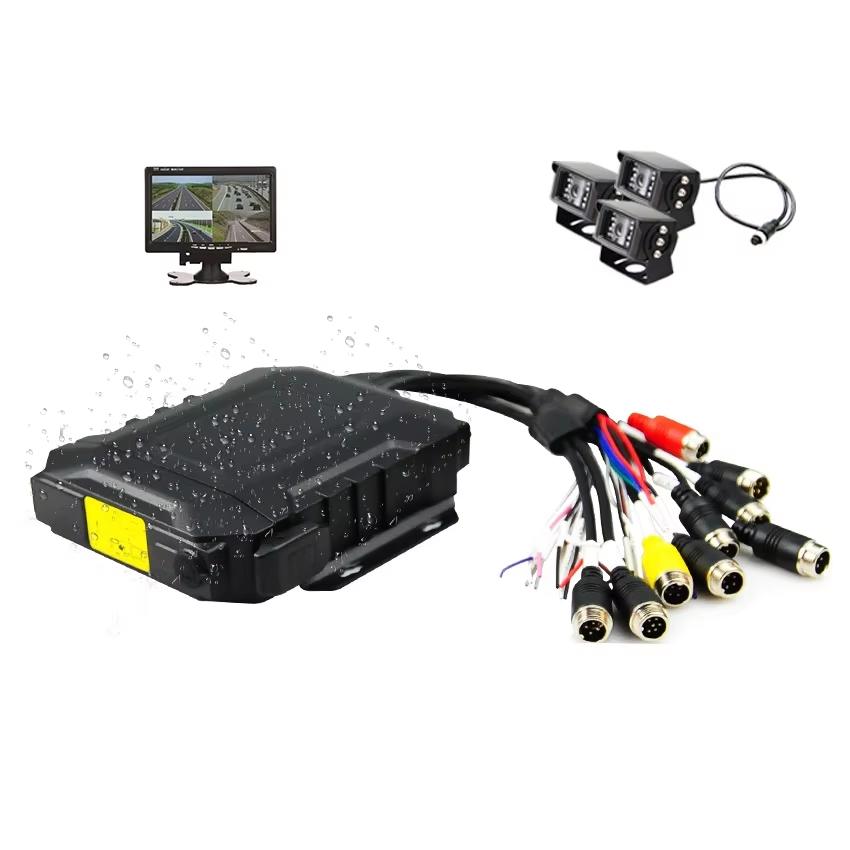
Modern delivery operations face increasing pressure to maintain fleet safety, optimize routes, and ensure cargo security while controlling operational costs. An economical MDVR solution provides delivery companies with essential monitoring capabilities without compromising budget constraints. These mobile digital video recording systems have become indispensable tools for fleet managers seeking comprehensive vehicle surveillance and data collection capabilities.
The selection process for mobile digital video recorders requires careful evaluation of multiple technical specifications and operational requirements. Fleet operators must balance performance capabilities with cost considerations to identify systems that deliver maximum value for their specific delivery applications. Understanding key features helps businesses make informed purchasing decisions that align with both immediate needs and long-term operational goals.
Essential Recording Capabilities for Delivery Operations
Multi-Channel Video Recording
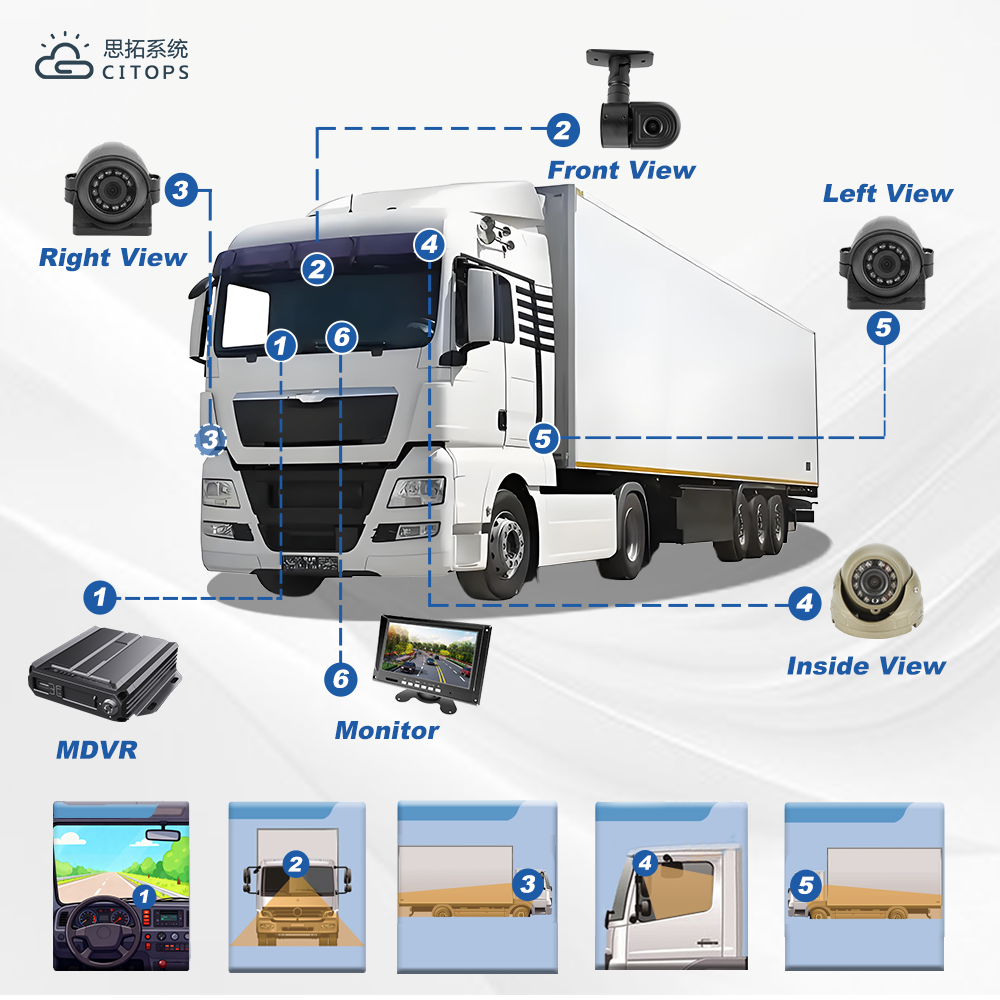
Professional delivery operations require comprehensive visual coverage of vehicle interiors and exteriors to ensure complete situational awareness. An economical MDVR system should support multiple camera inputs, typically ranging from four to eight channels, allowing simultaneous recording from various strategic positions. This multi-channel capability enables monitoring of driver behavior, cargo areas, blind spots, and surrounding traffic conditions throughout delivery routes.
The recording resolution plays a crucial role in capturing usable evidence during incidents or security breaches. Modern systems offer high-definition recording capabilities that balance image quality with storage efficiency, ensuring clear footage while managing data consumption costs. Variable bitrate encoding helps optimize storage usage by adjusting recording quality based on scene complexity and movement detection.
Storage Management and Capacity
Effective storage management prevents data loss and ensures continuous recording capability during extended delivery schedules. Economical MDVR systems typically utilize SD cards or solid-state drives that provide reliable performance in mobile environments. Loop recording functionality automatically overwrites oldest files when storage reaches capacity, maintaining continuous operation without manual intervention.
Advanced storage features include file protection mechanisms that prevent accidental deletion of critical incident recordings. Emergency recording triggers can lock specific video segments during sudden stops, impacts, or panic button activation, preserving important evidence for later review and analysis.
Connectivity and Communication Features
Real-Time GPS Tracking Integration
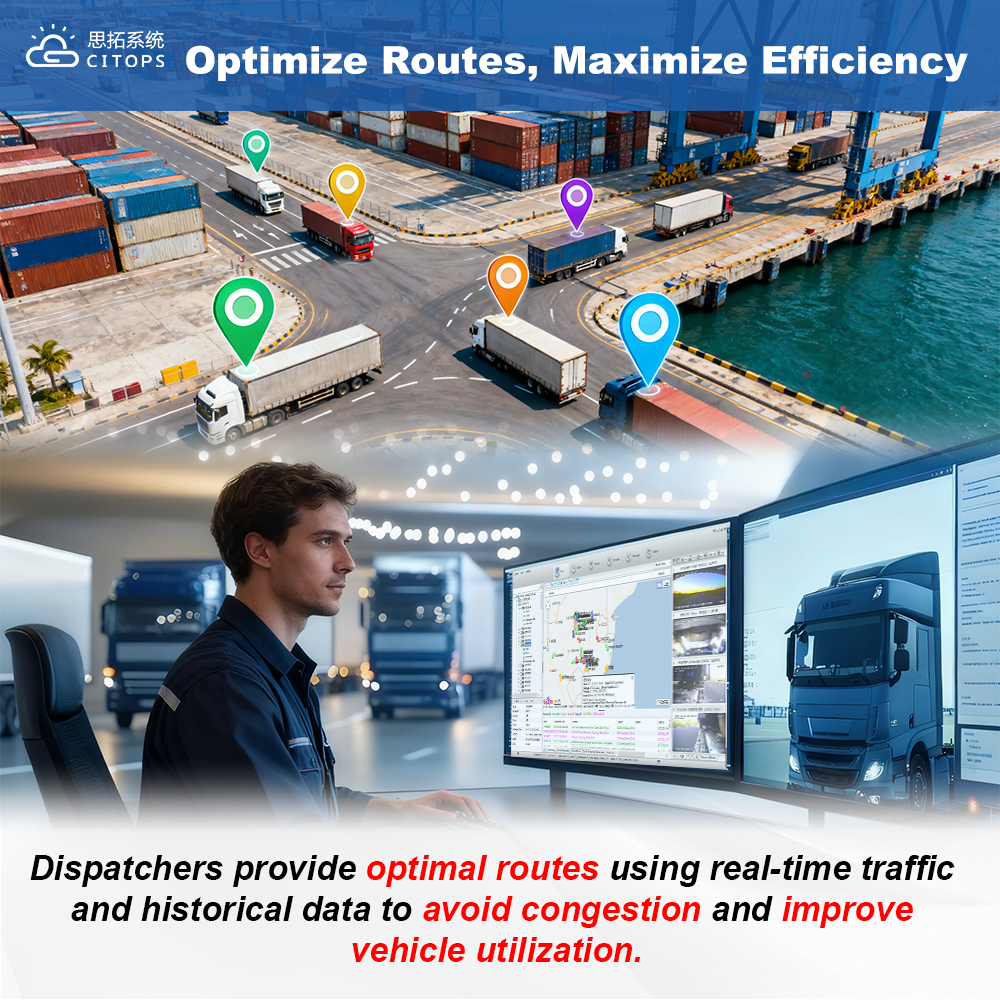
GPS tracking capabilities provide fleet managers with real-time location data and comprehensive route analysis tools for delivery optimization. An economical MDVR with integrated GPS functionality eliminates the need for separate tracking devices, reducing installation complexity and ongoing subscription costs. Location data synchronization with video recordings creates detailed incident reports that include precise positioning information.
Geofencing capabilities allow automatic alerts when vehicles enter or exit designated areas, helping managers monitor delivery schedules and unauthorized route deviations. Speed monitoring features can trigger warnings or automatic recording when vehicles exceed predetermined limits, promoting safe driving practices and regulatory compliance.
Wireless Communication Options
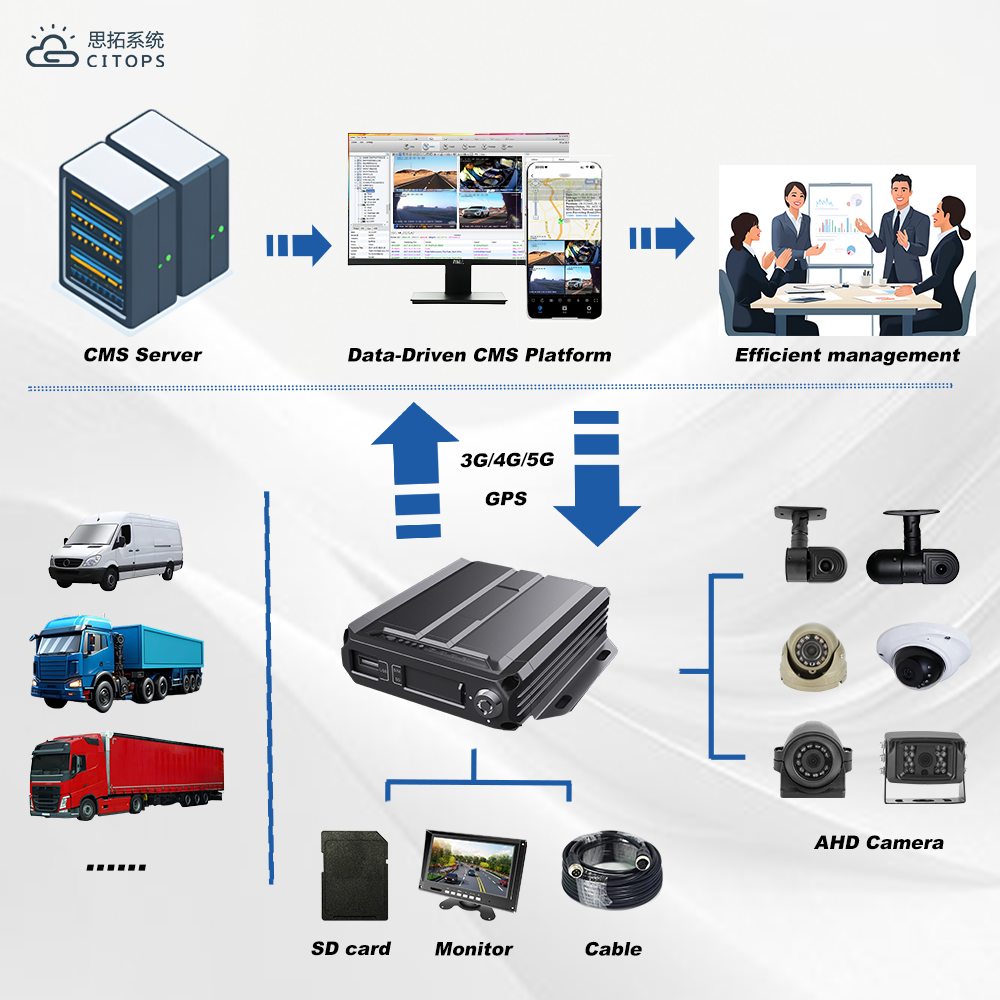
Mobile connectivity through 3G, 4G, or Wi-Fi networks enables remote monitoring and data transmission capabilities that enhance fleet management efficiency. Live streaming functionality allows dispatchers to view real-time video feeds during critical situations or customer disputes. Remote access to recorded footage eliminates the need for physical device retrieval, saving time and operational costs.
Cloud storage integration provides automatic backup of critical recordings and enables access from multiple locations. Bandwidth management features optimize data usage by adjusting streaming quality based on network conditions, controlling cellular data costs while maintaining essential communication capabilities.
Durability and Environmental Considerations
Vibration and Shock Resistance
Delivery vehicles operate in challenging environments that subject electronic equipment to constant vibration, temperature fluctuations, and potential impacts. An economical MDVR must incorporate robust construction materials and shock-absorbing mounting systems to ensure reliable operation throughout demanding delivery schedules. Military-grade specifications for vibration resistance help prevent hardware failures that could compromise security coverage.
Solid-state storage devices offer superior durability compared to traditional hard drives, as they contain no moving parts that could fail under constant vehicle motion. Anti-vibration mounting brackets and protective housings shield sensitive components from road-induced stress and accidental damage during cargo loading operations.
Weather and Temperature Protection
Extended operating temperature ranges ensure consistent performance across diverse climate conditions encountered during delivery routes. Sealed enclosures protect internal components from moisture, dust, and corrosive elements that could degrade system reliability over time. Cooling systems or heat dissipation designs prevent overheating during summer operations or extended idling periods.
IP-rated protection standards indicate the level of environmental sealing provided by the MDVR housing. Higher IP ratings offer better protection against water ingress and particle contamination, extending system lifespan and reducing maintenance requirements in harsh operating conditions.
Power Management and Installation Requirements
Efficient Power Consumption
Optimized power consumption extends vehicle battery life and reduces strain on electrical systems during extended parking or idling periods. An economical MDVR should include intelligent power management features that automatically adjust recording parameters based on ignition status and battery voltage levels. Low-power standby modes maintain essential monitoring capabilities while minimizing energy consumption.
Voltage protection circuits prevent damage from electrical surges or drops that commonly occur in commercial vehicle environments. Wide input voltage ranges accommodate various vehicle electrical systems without requiring additional power conditioning equipment, simplifying installation procedures and reducing component costs.
Simplified Installation Process
User-friendly installation procedures reduce setup time and professional installation costs for fleet operators managing multiple vehicles. Plug-and-play connectivity options eliminate complex wiring requirements, allowing faster deployment across entire delivery fleets. Clear installation documentation and video guides help technicians complete installations efficiently with minimal training requirements.
Modular camera connections enable flexible positioning and easy replacement of individual components without affecting overall system operation. Cable management solutions organize wiring installations for clean, professional appearances that maintain vehicle aesthetics while ensuring reliable electrical connections.
User Interface and Management Software
Intuitive Control Systems
Simple, logical control interfaces reduce training time and operational errors during daily fleet management activities. An economical MDVR system should provide clear visual indicators for recording status, storage capacity, and system health monitoring. Touch-screen displays or button-based controls offer reliable operation even when wearing gloves or in challenging lighting conditions.
Automated configuration options simplify initial setup and ongoing maintenance tasks for fleet managers with limited technical expertise. Preset recording profiles optimize system settings for different delivery scenarios, such as urban routes, highway transportation, or overnight parking security.
Comprehensive Management Software
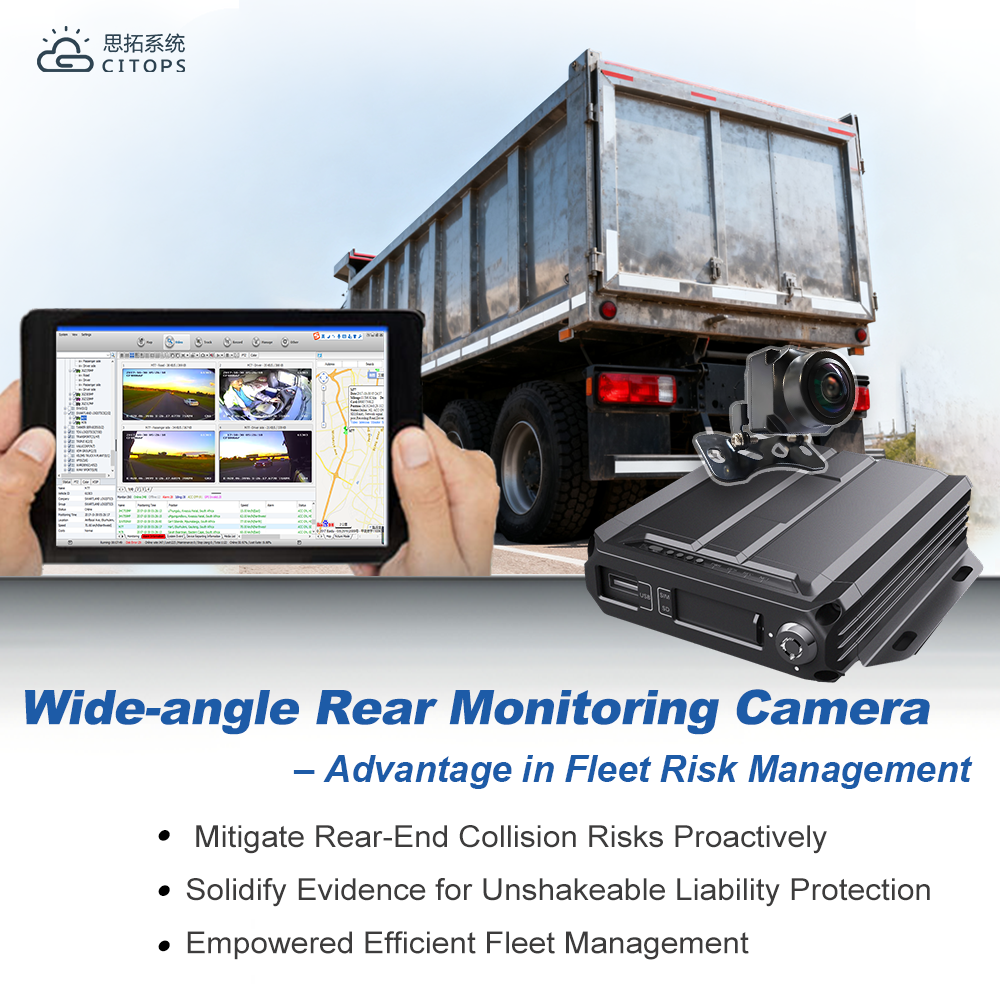
Desktop and web-based management applications provide centralized control over entire MDVR deployments from single administrative interfaces. Fleet managers can remotely configure recording parameters, download footage, and monitor system status across multiple vehicles simultaneously. Automated report generation creates detailed summaries of driver performance, route efficiency, and incident statistics.
Integration capabilities with existing fleet management systems eliminate data silos and provide comprehensive operational visibility. API support allows custom software development for specialized reporting requirements or integration with customer management platforms used by delivery service providers.
Cost-Effectiveness and Return on Investment
Initial Purchase Considerations
Balancing upfront costs with long-term operational benefits requires careful evaluation of system capabilities versus budget constraints. An economical MDVR should provide essential features without unnecessary premium functions that increase purchase prices without delivering proportional value. Bulk purchasing options and fleet discounts can significantly reduce per-unit costs for larger delivery operations.
Total cost of ownership calculations must include installation expenses, ongoing maintenance requirements, and potential upgrade paths as fleet needs evolve. Systems with modular architectures allow incremental feature additions without complete hardware replacement, protecting initial investments while enabling future enhancements.
Operational Cost Savings
Insurance premium reductions often offset MDVR system costs through decreased liability exposure and improved risk assessment capabilities. Video evidence can expedite claim processing and reduce fraudulent accident claims that inflate insurance costs for delivery companies. Driver behavior monitoring promotes safer driving practices that further reduce accident rates and associated expenses.
Fuel efficiency improvements result from route optimization and driver coaching based on MDVR data analysis. Reduced vehicle wear and maintenance costs occur when systems help identify and correct harsh driving behaviors that accelerate component degradation. Customer service improvements through delivery verification and dispute resolution capabilities can increase client retention and business growth.
Contact CITOPS to get a cost-effective and reliable MDVR solution, empowering your delivery fleet with safer, smarter, and more controlled operations.

FAQ
How many cameras can an economical MDVR system support simultaneously
Most economical MDVR systems support between four to eight camera channels simultaneously, providing comprehensive coverage for delivery vehicle monitoring. The exact number depends on the specific model and manufacturer specifications, with some advanced systems offering up to twelve channels for larger commercial vehicles requiring extensive surveillance coverage.
What storage capacity is recommended for daily delivery operations
Storage requirements vary based on recording resolution, number of active cameras, and daily operating hours, but typically range from 32GB to 256GB for standard delivery operations. Higher-capacity storage allows longer retention periods and higher video quality settings, while loop recording ensures continuous operation regardless of storage limitations.
Can economical MDVR systems work with existing fleet management software
Many modern economical MDVR systems offer API integration capabilities and standardized data formats that enable compatibility with popular fleet management platforms. Integration features may include GPS data sharing, incident reporting, and video evidence linking, though specific compatibility should be verified with both system manufacturers before purchase decisions.
What maintenance is required for mobile DVR systems in delivery vehicles
Regular maintenance includes periodic camera lens cleaning, storage device health monitoring, and software updates to ensure optimal performance. Most economical MDVR systems feature self-diagnostic capabilities that alert operators to potential issues, while solid-state storage devices require minimal maintenance compared to traditional mechanical hard drives used in older systems.