
 EN
EN
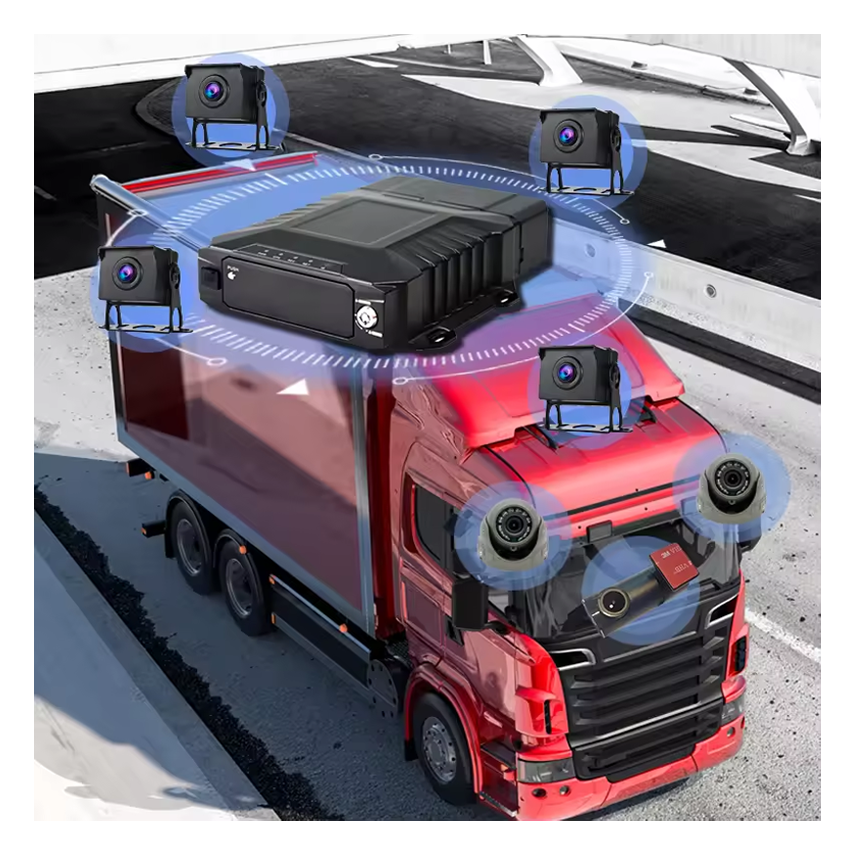
Fleet managers today face unprecedented challenges in maintaining operational safety while maximizing efficiency across their vehicle networks. The integration of advanced vehicle safety monitoring systems has become essential for organizations seeking to minimize risk exposure and protect their most valuable assets. These sophisticated technologies provide real-time insights into driver behavior, vehicle performance, and environmental conditions that directly impact fleet safety outcomes. Modern vehicle safety monitoring solutions combine multiple sensor technologies, GPS tracking, and artificial intelligence to deliver comprehensive oversight of fleet operations around the clock.
The evolution from reactive to proactive fleet management represents a fundamental shift in how organizations approach vehicle safety. Traditional approaches relied heavily on post-incident analysis and periodic vehicle inspections, leaving significant gaps in real-time risk identification. Contemporary vehicle safety monitoring systems eliminate these blind spots by providing continuous surveillance and immediate alert capabilities. This transformation enables fleet managers to intervene before incidents occur, dramatically reducing the likelihood of accidents, equipment failures, and associated costs.
Comprehensive Real-Time Monitoring Capabilities
Advanced Driver Behavior Analysis
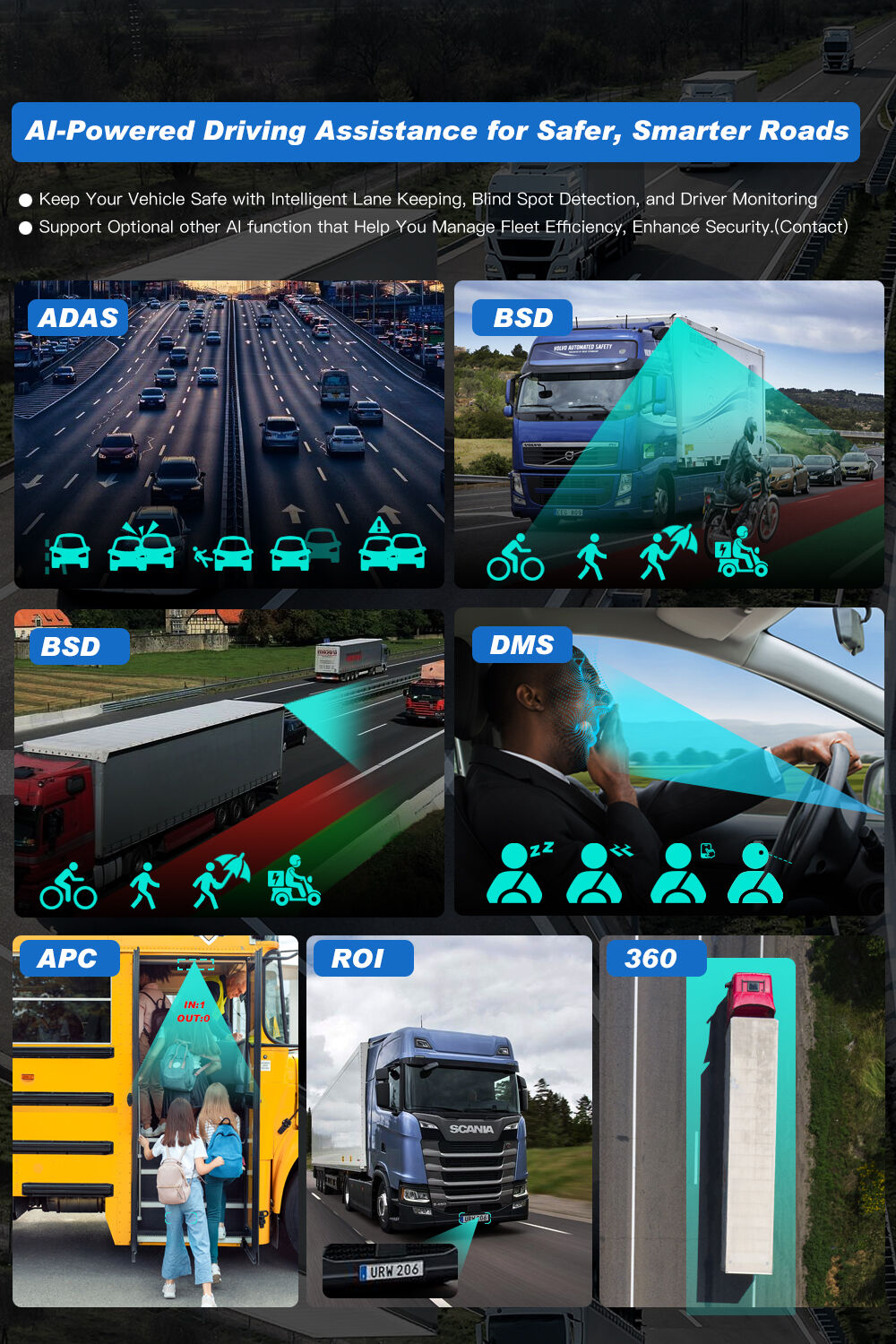
Modern vehicle safety monitoring platforms utilize sophisticated algorithms to analyze driver performance in real-time, identifying patterns that indicate potential safety risks. These systems continuously evaluate metrics such as acceleration patterns, braking behavior, cornering speeds, and adherence to speed limits. When dangerous driving behaviors are detected, the system immediately alerts both the driver and fleet management, creating opportunities for immediate correction. The data collected through vehicle safety monitoring enables organizations to implement targeted training programs and establish performance benchmarks that improve overall fleet safety standards.
The integration of artificial intelligence in driver behavior analysis allows for increasingly nuanced assessment of driving patterns. Machine learning algorithms adapt to individual driver characteristics while maintaining consistent safety standards across the entire fleet. This personalized approach to vehicle safety monitoring ensures that alerts and interventions are relevant and actionable, reducing alert fatigue while maintaining high safety standards. Fleet managers can establish custom parameters for different vehicle types, routes, and operational requirements, ensuring that the monitoring system aligns with specific organizational needs.
Environmental and Vehicle Condition Monitoring
Beyond driver behavior, comprehensive vehicle safety monitoring systems track environmental conditions and vehicle performance parameters that affect operational safety. These systems monitor weather conditions, road surface temperatures, visibility levels, and traffic density to provide contextual awareness for risk assessment. Vehicle-specific monitoring includes engine performance, brake system status, tire pressure, and other critical mechanical systems that could lead to safety incidents if compromised. This holistic approach ensures that all factors contributing to fleet safety are continuously evaluated and managed.
Real-time vehicle condition monitoring prevents mechanical failures that could result in accidents or costly breakdowns. The system continuously analyzes diagnostic data from vehicle sensors, identifying potential issues before they become critical problems. This predictive maintenance capability significantly extends vehicle lifespan while maintaining optimal safety standards. Fleet managers receive detailed reports on vehicle health status, enabling them to schedule maintenance activities strategically and avoid unexpected downtime that could compromise safety or operational efficiency.
Risk Mitigation Through Predictive Analytics
Incident Prevention Strategies
The power of vehicle safety monitoring lies in its ability to predict and prevent incidents before they occur. Advanced analytics engines process historical data, current conditions, and behavioral patterns to identify situations with elevated risk potential. These systems can predict the likelihood of accidents based on factors such as driver fatigue, weather conditions, route complexity, and vehicle condition. When high-risk scenarios are identified, the system automatically triggers intervention protocols, including driver alerts, route modifications, or mandatory rest periods.
Predictive analytics in vehicle safety monitoring extend beyond immediate incident prevention to encompass long-term risk management strategies. By analyzing patterns across multiple vehicles and time periods, these systems identify systemic issues that could lead to future safety problems. Fleet managers can use this information to implement policy changes, adjust training programs, or modify operational procedures to address root causes of safety risks. This proactive approach significantly reduces insurance premiums, regulatory violations, and the human costs associated with fleet accidents.
Dynamic Route Optimization for Safety
Intelligent vehicle safety monitoring systems continuously evaluate route conditions and automatically suggest safer alternatives when risks are detected. These systems integrate real-time traffic data, weather information, construction updates, and historical accident data to identify the safest possible routes for each journey. When dangerous conditions are detected along planned routes, the system immediately notifies drivers and provides alternative routing options that maintain operational efficiency while prioritizing safety.
The integration of vehicle safety monitoring with route optimization creates a dynamic safety management system that adapts to changing conditions throughout the day. Fleet managers can establish safety parameters that override efficiency considerations when necessary, ensuring that driver and vehicle safety always takes precedence. This intelligent routing capability has proven particularly valuable in adverse weather conditions, high-traffic areas, and regions with elevated accident rates.
Technology Integration and Implementation
Multi-Sensor Data Fusion
Effective vehicle safety monitoring relies on the seamless integration of multiple sensor technologies to create a comprehensive picture of fleet operations. GPS tracking provides location and speed data, while accelerometers detect sudden movements that could indicate accidents or aggressive driving. Camera systems offer visual confirmation of incidents and enable remote monitoring of driver behavior. The fusion of this diverse data creates unprecedented visibility into fleet operations and enables more accurate risk assessment than any single monitoring technology could provide alone.
Modern vehicle safety monitoring platforms utilize edge computing to process sensor data locally, reducing latency and ensuring that critical safety alerts are delivered immediately. This distributed processing approach also reduces bandwidth requirements while maintaining the high-resolution data necessary for comprehensive analysis. The integration of cellular and satellite communication technologies ensures that vehicle safety monitoring systems maintain connectivity even in remote areas where traditional communication infrastructure may be limited.
Scalable Cloud Infrastructure
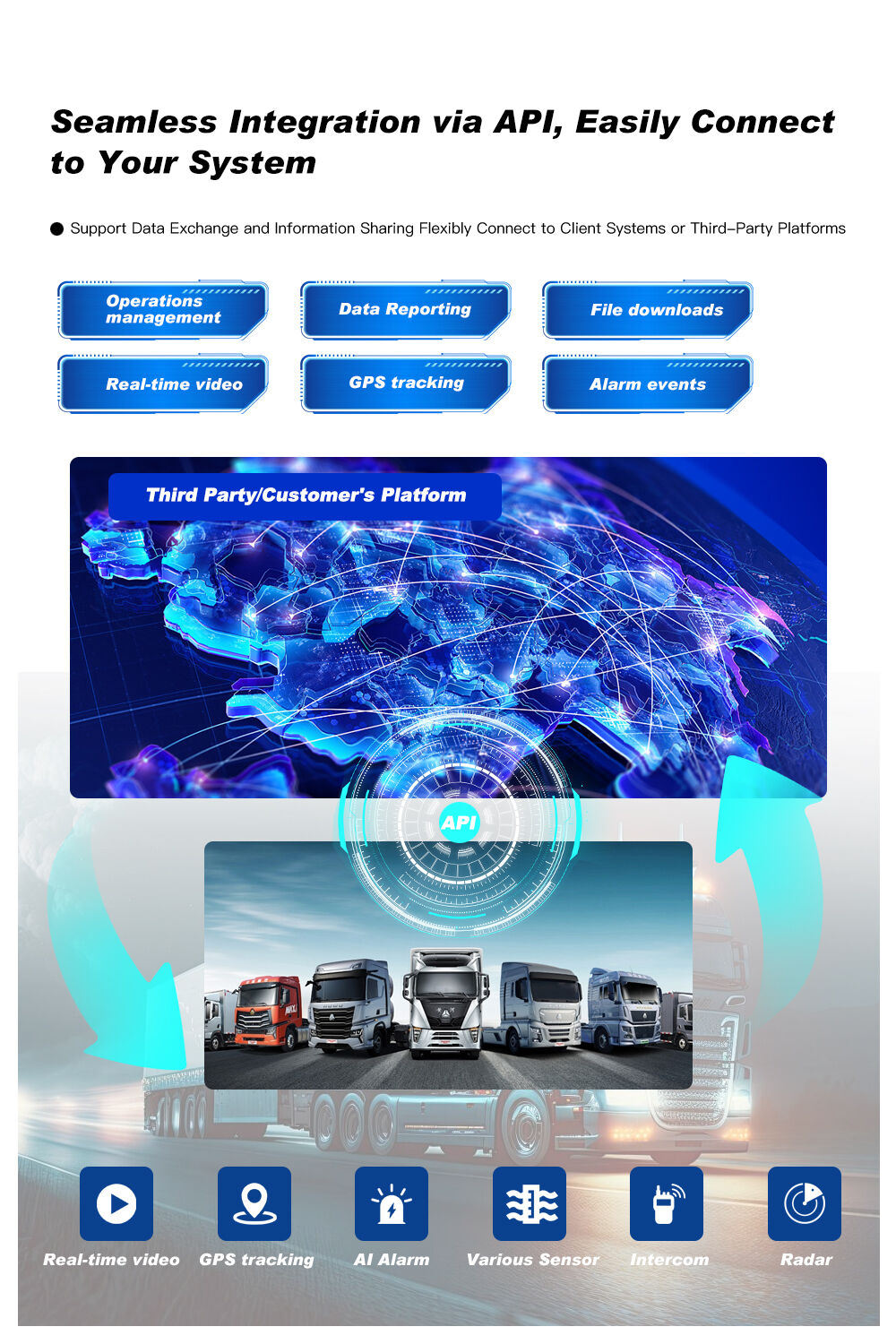
Cloud-based vehicle safety monitoring platforms provide the scalability and reliability necessary for large fleet operations while maintaining cost-effectiveness for smaller organizations. These systems automatically adjust computing resources based on fleet size and data volume, ensuring consistent performance regardless of operational scale. Cloud infrastructure also enables automatic software updates, ensuring that vehicle safety monitoring systems always utilize the latest algorithms and security protocols without requiring manual intervention from fleet managers.
The cloud-based approach to vehicle safety monitoring facilitates seamless integration with existing fleet management systems and enterprise software platforms. This connectivity enables automated reporting, streamlined compliance management, and integration with human resources systems for driver management. Fleet managers can access vehicle safety monitoring data from any location using web-based dashboards or mobile applications, ensuring that critical safety information is always accessible when needed.
Compliance and Regulatory Benefits
Automated Regulatory Compliance
Vehicle safety monitoring systems automatically generate the documentation and reports required for regulatory compliance across multiple jurisdictions. These systems track hours of service, vehicle inspection schedules, maintenance records, and incident reports in formats that align with regulatory requirements. Automated compliance management reduces administrative burden while ensuring that organizations consistently meet safety standards and avoid costly violations. The system maintains detailed audit trails that demonstrate compliance efforts and provide evidence of due diligence in safety management.
The integration of electronic logging devices with comprehensive vehicle safety monitoring creates a unified platform for managing all aspects of fleet compliance. This integration ensures that safety data and compliance records are synchronized, reducing discrepancies and improving the accuracy of regulatory reporting. Fleet managers can configure the system to automatically generate alerts when compliance deadlines approach, ensuring that required actions are completed on time and violations are avoided.
Insurance and Risk Management
Insurance providers increasingly recognize the value of vehicle safety monitoring systems and offer substantial premium reductions for fleets that implement comprehensive monitoring programs. The detailed data provided by these systems enables more accurate risk assessment and demonstrates organizational commitment to safety management. Vehicle safety monitoring data can also expedite insurance claim processing by providing objective evidence of incident circumstances, reducing disputes and accelerating resolution timelines.
The implementation of vehicle safety monitoring systems creates a positive feedback loop for risk management, where improved safety performance leads to lower insurance costs and reduced liability exposure. Organizations that demonstrate consistent safety improvements through monitoring data often qualify for additional insurance discounts and favorable policy terms. This financial benefit helps offset the implementation costs of vehicle safety monitoring systems while providing ongoing value through reduced operational risks.
Cost-Benefit Analysis and ROI
Direct Cost Savings
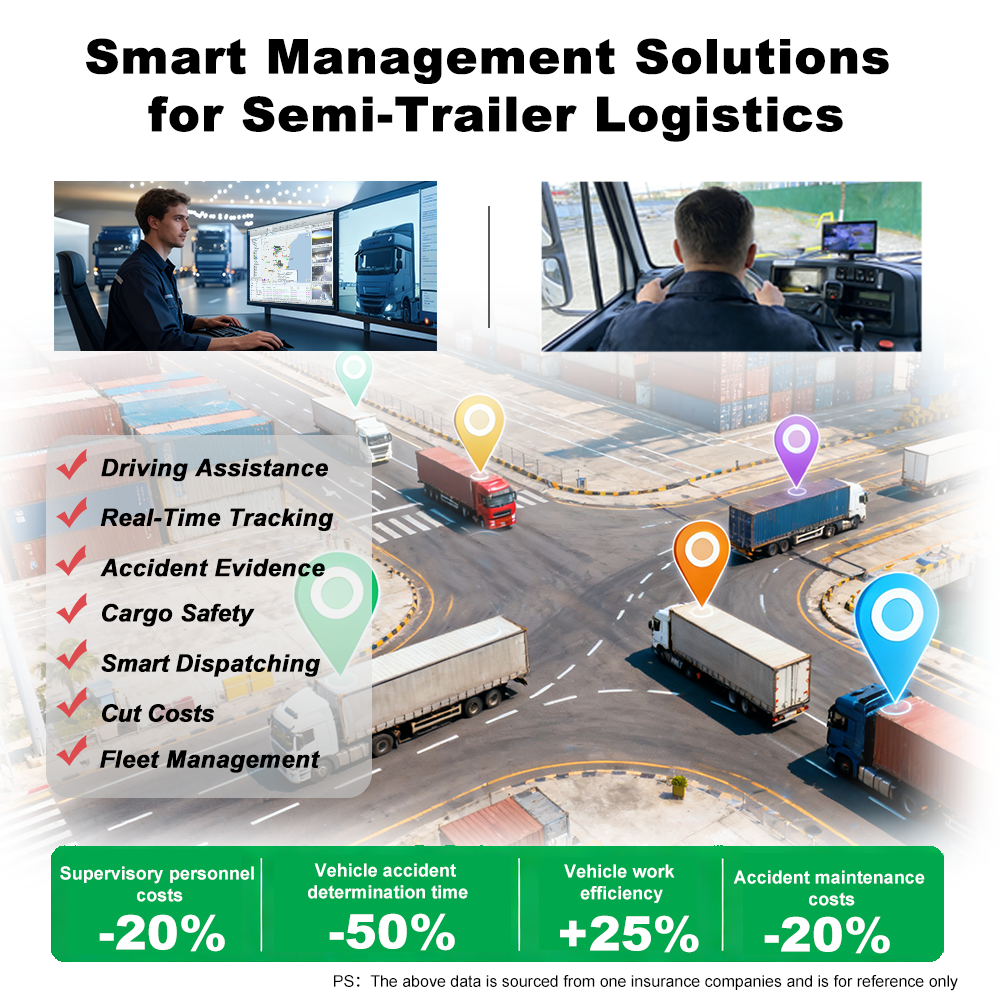
The implementation of vehicle safety monitoring systems generates immediate cost savings through reduced accident rates, lower insurance premiums, and decreased vehicle maintenance expenses. Studies consistently demonstrate that organizations implementing comprehensive monitoring systems experience accident reduction rates of 20-40% within the first year of deployment. These reductions translate directly to lower costs for vehicle repairs, medical expenses, and legal liability. Additionally, predictive maintenance capabilities enabled by vehicle safety monitoring extend vehicle lifespans and reduce unexpected repair costs.
Fuel efficiency improvements represent another significant source of direct cost savings from vehicle safety monitoring implementation. These systems identify inefficient driving behaviors such as excessive idling, aggressive acceleration, and suboptimal routing that increase fuel consumption. By providing real-time feedback to drivers and fleet managers, vehicle safety monitoring systems typically reduce fuel costs by 10-15% across fleet operations. The combination of accident reduction and operational efficiency improvements often provides full return on investment within 18-24 months of system deployment.
Indirect Benefits and Long-Term Value
Beyond direct cost savings, vehicle safety monitoring systems provide substantial indirect benefits that contribute to long-term organizational value. Improved safety performance enhances corporate reputation and may provide competitive advantages in bidding for contracts that prioritize safety standards. Employee retention rates often improve when drivers feel that their safety is prioritized through comprehensive monitoring and support systems. These systems also reduce regulatory scrutiny and the associated costs of compliance audits and investigations.
The data generated by vehicle safety monitoring systems provides valuable insights for strategic decision-making across multiple organizational functions. Fleet managers can use this information to optimize vehicle procurement decisions, adjust operational policies, and identify training needs. The comprehensive nature of vehicle safety monitoring data supports evidence-based management practices that improve overall organizational performance beyond immediate safety benefits.
Implementation Best Practices
Phased Deployment Strategy
Successful vehicle safety monitoring implementation requires careful planning and phased deployment to ensure organizational acceptance and system effectiveness. Organizations should begin with pilot programs involving a subset of vehicles and drivers to demonstrate system value and identify potential implementation challenges. This approach allows for system configuration refinement and staff training before full-scale deployment. Pilot programs also provide concrete data on system benefits that can support broader organizational buy-in and additional investment in vehicle safety monitoring capabilities.
The phased approach to vehicle safety monitoring deployment should include comprehensive change management strategies that address driver concerns and resistance to monitoring technologies. Clear communication about system benefits, privacy protections, and performance expectations helps build acceptance and cooperation. Training programs should emphasize how vehicle safety monitoring systems support driver safety rather than simply monitoring performance, creating a collaborative approach to fleet safety management.
Integration with Existing Systems
Effective vehicle safety monitoring implementation requires seamless integration with existing fleet management systems, ERP platforms, and operational workflows. Organizations should evaluate compatibility requirements and plan for data migration and system synchronization before deployment begins. The integration process should maintain data integrity while providing users with unified access to safety information and operational data. Custom interfaces may be necessary to ensure that vehicle safety monitoring data is accessible and actionable within existing organizational processes.
System integration extends beyond technical compatibility to include process integration that ensures vehicle safety monitoring data informs decision-making across all relevant organizational functions. Fleet maintenance, human resources, operations management, and executive leadership should all have appropriate access to safety data and alerts. This comprehensive integration ensures that vehicle safety monitoring becomes an integral part of organizational culture rather than an isolated technology implementation.
Get in touch with our experts to customize a scalable vehicle safety monitoring solution that enhances compliance, minimizes risk, and drives long-term fleet resilience.

FAQ
What are the key components of an effective vehicle safety monitoring system
An effective vehicle safety monitoring system combines GPS tracking, multiple sensor technologies, real-time communication capabilities, and advanced analytics platforms. Essential components include accelerometers for detecting sudden movements, cameras for visual verification, diagnostic interfaces for vehicle health monitoring, and cellular or satellite communication for continuous connectivity. The system should also include cloud-based data processing, mobile and web-based user interfaces, and integration capabilities with existing fleet management systems. These components work together to provide comprehensive visibility into fleet operations and enable proactive safety management.
How does vehicle safety monitoring impact driver privacy and acceptance
Modern vehicle safety monitoring systems are designed with privacy protection features that focus on safety-relevant data while respecting driver privacy rights. These systems typically monitor vehicle performance and location only during work hours and avoid recording personal conversations or activities. Transparent policies about data usage, clear communication about safety benefits, and involvement of drivers in system development help build acceptance. Organizations that position vehicle safety monitoring as a tool for driver protection rather than surveillance typically experience higher acceptance rates and better cooperation from their driving staff.
What ROI can organizations expect from vehicle safety monitoring implementation
Organizations typically achieve full return on investment from vehicle safety monitoring systems within 18-24 months through reduced accidents, lower insurance premiums, improved fuel efficiency, and decreased maintenance costs. Accident reduction rates of 20-40% are common in the first year, while fuel savings of 10-15% provide ongoing operational benefits. Additional value comes from improved regulatory compliance, reduced administrative costs, and enhanced corporate reputation. The long-term ROI continues to improve as safety performance data enables better decision-making across multiple organizational functions and contributes to sustained operational excellence.
How do vehicle safety monitoring systems handle different types of fleet operations
Vehicle safety monitoring systems are highly configurable to accommodate different fleet types, operational requirements, and regulatory environments. The systems can be customized for long-haul trucking, urban delivery, construction equipment, emergency vehicles, and specialized transportation services. Configuration options include different alert thresholds, reporting requirements, integration specifications, and compliance features. The flexibility of modern vehicle safety monitoring platforms ensures that organizations can implement solutions that align with their specific operational needs while maintaining consistent safety standards across diverse fleet operations.
Table of Contents
- Comprehensive Real-Time Monitoring Capabilities
- Risk Mitigation Through Predictive Analytics
- Technology Integration and Implementation
- Compliance and Regulatory Benefits
- Cost-Benefit Analysis and ROI
- Implementation Best Practices
-
FAQ
- What are the key components of an effective vehicle safety monitoring system
- How does vehicle safety monitoring impact driver privacy and acceptance
- What ROI can organizations expect from vehicle safety monitoring implementation
- How do vehicle safety monitoring systems handle different types of fleet operations