
 EN
EN
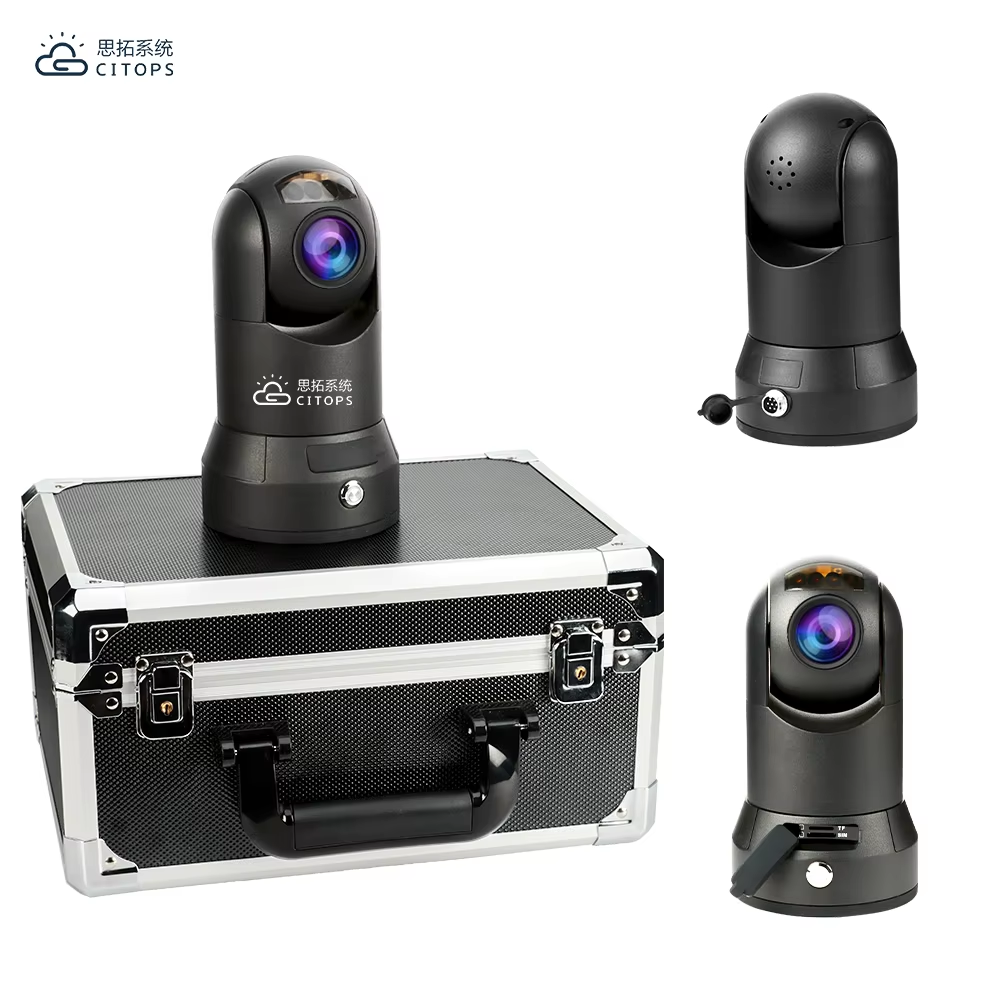
ניהול ציehicles עבר שינוי משמעותי בשנים האחרונות, עם טכנולוגיה שממלאת תפקיד חשוב וגדל בהצלחת הפעילות והבטיחות. חברות לוגיסטיקה מודרניות מתמודדות עם לחץ הולך וגובר לאופטמיזציה של מסלולים, צמצום עלויות ושמירה על ביטחון הנהגים, תוך שמירה על רמות שירות תחרותיות. מערכת מתקדמת לניטור וידאו מייצגת פתרון מהפכני שפותר את האתגרים הללו בצורה מקיפה. מערכות מתקדמות אלו משולבות טכנולוגיות רבות, כולל בינה מלאכותית, מעקב GPS וניתוח נתונים בזמן אמת, כדי לאפשר ראייה חסרת תקדים בפעילות היות. יישום של מערכות כאלה הפך לחיוני עבור חברות שמבקשות לשמור על יתרון תחרותי בתעשיית התחבורה הדורשת של ימינו.
ביטחון מוגבר באמצעות ניטור נהגים בזמן אמת
ניתוח התנהגות הנהגים ותיקונה
מעקב אחר בטיחות הנהג מייצג אחת מהיתרונות המשמעותיים ביותר של יישום מערכת מתקדמת לניטור וידאו. מערכות אלו משתמשות באלגוריתמים מתוחכמים לנתח דפוסי התנהגות של נהגים, ומספקות זיהוי של סימני עייפות, הסחת דעת או נהיגה אגרסיבית בזמן אמת. כאשר זיהו התנהגויות שעלולות להוות סיכון, המערכת יכולה להזהיר מיידית הן את הנהג והן את מנהלי הצוות, כדי לאפשר פעולה מתוקנת מהירה. גישה פרואקטיבית זו לניהול בטיחות הוכחה כמייצרת הפחתה בשיעורי התאונות עד ארבעים אחוז בפעולות צוות רבות. היכולת של הניטור המתמשך מבטיחה כי סטנדרטי הבטיחות נשמרים באופן עקבי בכל כלי הרכב בצוות, ללא תלות בקושי או אורך המסלול.
מערכות מודרניות כוללות טכנולוגיית זיהוי פנים ויכולות מעקב עיניים כדי לנטרל את רמת התבוננות של הנהג לאורך כל משמרתו. כאשר נמצאים סימנים של שינה או הסחת דעת, התראות אוטומטיות יכולות להפעיל התערבויות מיידיות כגון אזהרות קוליות או מנגנוני כסא רוטטים. טכנולוגיה זו הוכחה כבעלת ערך מיוחד בפעולה לטווח ארוך, בה ישנה סיכון משמעותי מתנדנדי של נהגים. מנהלי צי יכולות גם לגשת לדוחות מפורטים שמציגים מגמות בביצועי נהגים, לאפשר תכניות הדרכה ממוקדות ופגישות הדרכה מותאמות אישית. גישה מנוהלת על ידי נתונים לניהול בטיחות מאפשרת לחברות לזהות מצבים מסוכנים לפני שהם גורמים לתאונות או אירועים.

מניעת תאונות והגנה על אחריות
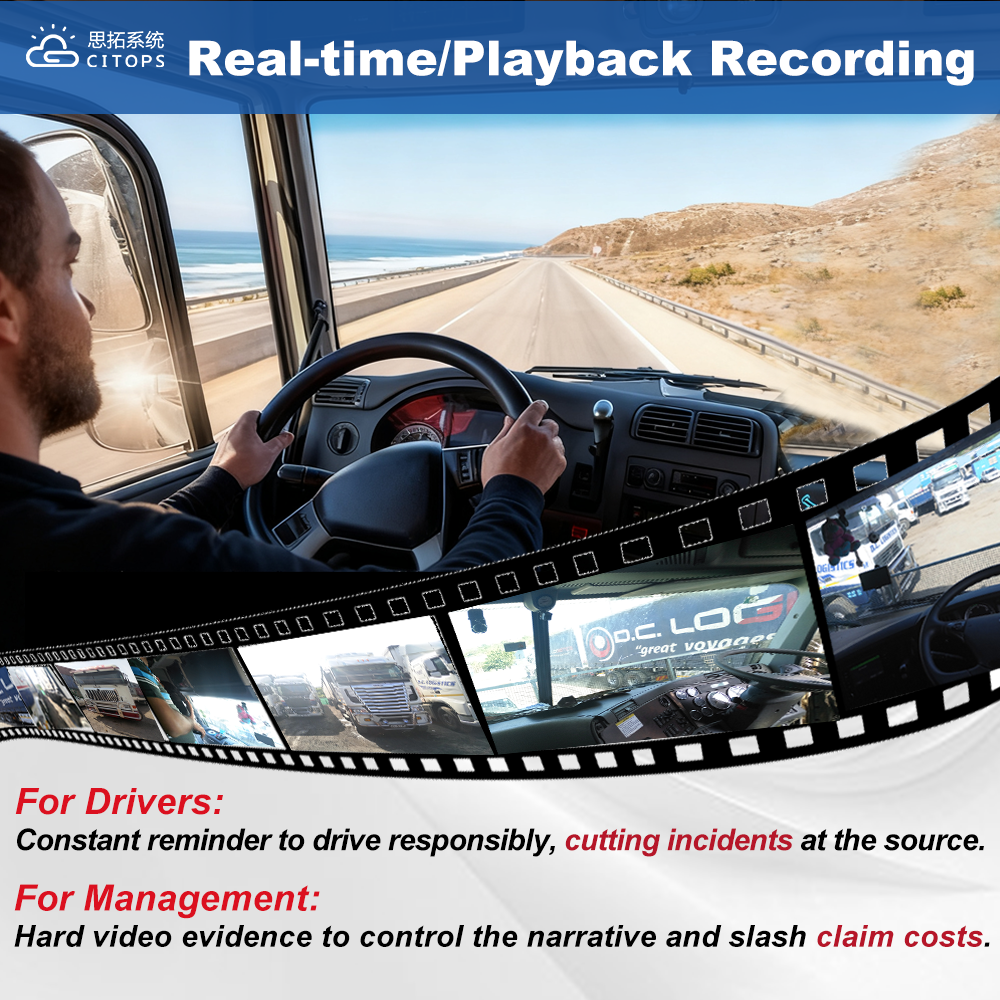
מערכות ניטור וידאו מספקות הגנה מקיפה מפני טענות שווא ודיווחים מזוייפים על תאונות שעלולות לעלות לחברות לוגיסטיקה אלפי דולרים מדי שנה. מצלמות בהגדרה גבוהה מצלמות את האירועים מזוויות רבות, ומספקות ראיות חותכות כשSURS מחלוקות. יכולת מסמך זו הוכחה כלא יקרה בתהליך עיבוד טענות ביטוח, ומביאה לעתים קרובות להסדר מהיר יותר ולחיסכון בפרמיה. נוכחות ציוד הניטור הגלוי משמשת גם כמונע להתנהגויות נהיגה מסוכנות, ומייצרת תרבות של מודעות לבטיחות בקרב צוותי השטח. סוכני ביטוח מציעים ביתר תלות הנחות על פרמיה לחברות שמממשות פתרונות ניטור וידאו מקיפים.
שילוב של נתוני GPS עם רישום וידאו יוצר תמונה שלמה של נסיבות התאונה, כולל מהירות הרכב, מיקום והתנאים הסביבתיים בזמן התרחשותה. תיעוד מקיף זה חשוב במיוחד בסצנריות תאונות מורכבות בהן צדדים מרובים עלולים לספק דיווחים סותרים. מנהלי צי יכולות לגשת במהירות לרגעי התאונה ולנתונים התומכים כדי לקבל החלטות מושכלות בנוגע לאחראיות ולאסטרטגיות תגובה. היכולת של המערכת לסמן אוטומטית תקריות פוטנציאליות בהתבסס על האצה פתאומית, בלימת חריקה או זיהוי התנגשות מבטיחה שאירועים משמעותיים לא יעברו ללא הבחנה או תיעוד.
שיפור יעילות תפעולית וצמצום עלויות
אופטימיזציה של מסלולים וניהול דלק
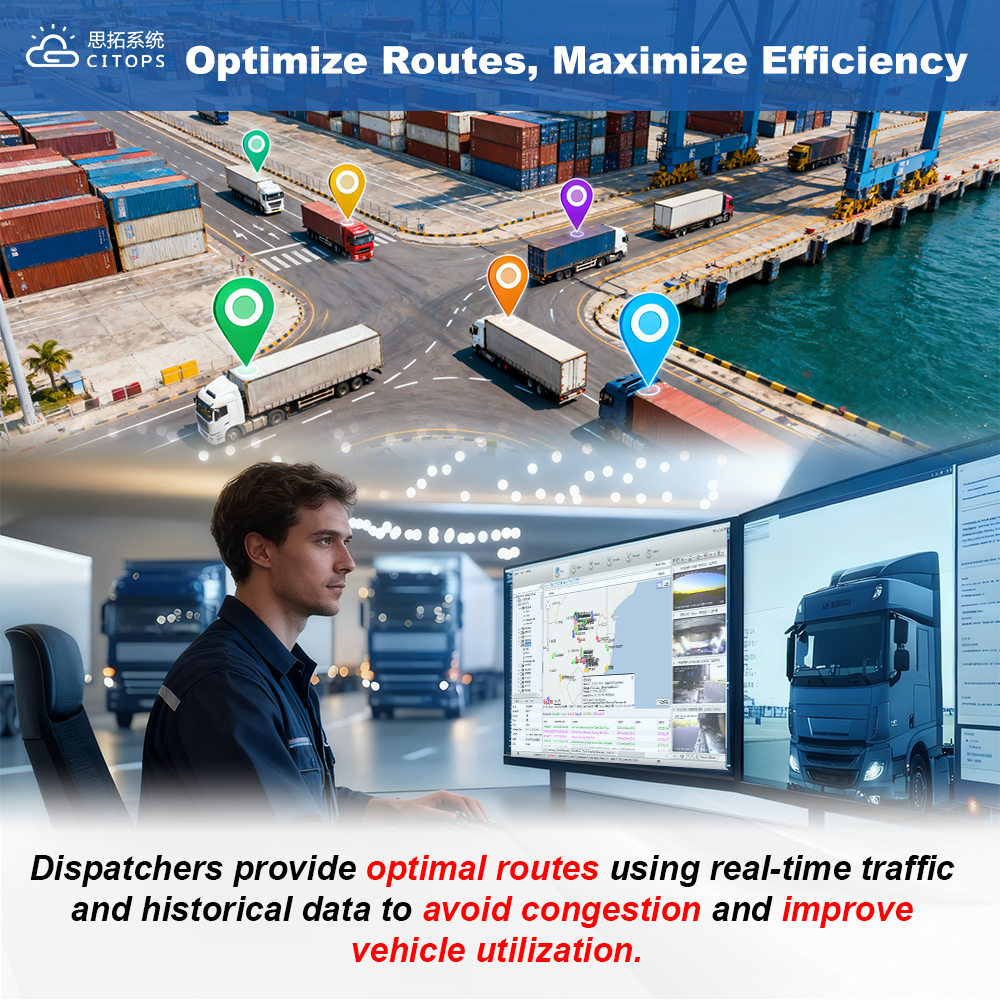
מערכות מחשוב מתקדמות תורמות רבות ליעילות התפעולית באמצעות ניתוח מסלולים מקיף ומעקב אחר ההתנהגות של הנהגים. המערכות עוקבות אחר דפוסי שימוש ברכב, זמני חניה והתייחסות למסלול כדי לזהות הזדמנויות לשיפור. מנהלי צי יכולות לנתח את הנתונים הללו כדי למטב את לוחות המשלוחים, לצמצם נסיעות מיותרות ולשפר את היצרתיות הכוללת. שילוב מעקב GPS עם ניטור וידאו מספק תובנות מפורטות בנוגע לעמידה של הנהגים במסלולים וללוחות הזמנים שהוגדרו. חברות שמממשות מערכות אלו רואות בדרך כלל הפחתה בעלויות דלק של עשרה עד חמישה עשר אחוז בשנה הראשונה של הפעלה.
היכולת של המערכת לנטר את ביצועי המנוע ואת צרכי התיקונים של הרכב עוזרת למנוע תקלות יקרות ומחזיקה את אורך חיי הצי. התראות אוטומטיות מודיעות למנהלי הצי מתי יש צורך בשירות או כשמדדי הביצועים יוצאים מהטווח המותר. גישה זו לתיקון מונחה מצמצמת הוצאות תיקון לא צפויות ומקטינה את זמן העצירה של הרכבים. יכולות איסוף הנתונים המורחבות מאפשרות למנהלי הצי לקבל החלטות מושכלות בנוגע ללוחות ההחלפה של רכבים ותקציבי התיקון. ניטור בזמן אמת עוזר גם לזהות רכבים שעשויים לחוות בעיות מכניות לפני שיתרחשו חירום בכביש.
אבטחת מטען ומניעת גניבה
אבטחת מטען מהווה דאגה קריטית לחברות לוגיסטיקה, כאשר אובדן עקב גניבה עולה על מיליארדי דולרים מדי שנה לתעשייה. מערכת ניטור וידאו מתקדמת מספק הגנה מקיפה באמצעות שיבוץ מתמיד של אזורי משלוחים ורציפים. זוויות מצלמה מרובות מבטיחות כיסוי מלא של אזורי סיכון, בעוד אלגוריתמי זיהוי תנועה יכולים לזהות ניסיונות גישה לא מורשים. שילוב של התראות בזמן אמת מאפשר תגובה מיידית לאיומים על הביטחון, ובהרבה מקרים מונע גניבות לפני שהן מתרחשות. צילום באיכות גבוהה עוזר גם לרשויות אכיפת החוק בחקירת מקרים של גניבה ושחזור סחורות שנגנבו.
מערכות ניטור חכמות יכולות להבחין בין צוות מורשה לבין פולשים פוטנציאליים, ובכך מפחיתות את מספר ההתרעות הכוזבות תוך שמירה על רמת דריכות אבטחתית. היכולת לנטר את תהליכי עמסה ופריקה של מטענים מרחוק עוזרת להבטיח שהנהלים הנכונים יישמרו באופן עקבי. יכולת השמירה הזו היא חשובה במיוחד במשלוחי מטענים בעלי ערך גבוה או רגישים הדורשים פרוטוקולי טיפול מיוחדים. מנהלי צי יכולות להגדיר אזורי אבטחה מותאמים אישית סביב כלי הרכב ולקבל התראות מיידיות כאשר פרטים לא מורשים נכנסים לאזורי איסור. האפקט המרתע הפסיכולוגי של מצלמות אבטחה גלויות גם הוא עוזר לצמצם ניסיונות גניבה ומקרי נשפות.
שילוב טכנולוגיה וניהול חכם של צי
אינטליגנציה מלאכותית ואנליזה חזוֹנית
מערכות ניטור וידאו מודרניות משתמשות בינה מלאכותית כדי לספק תובנות חיזוייות שמשנות את אסטרטגיות ניהול השדות. אלגוריתמי למידת מכונה מנתחים דפוסי נתונים היסטוריים כדי לחזות בעיות עתידיות לפני שהן משפיעות על הפעילות. יכולת החיזוי הזו מתרחבת להערכת ביצועי נהגים, תזמון תחזוקת כלי רכב והמלצות לאופטימיזציה של מסלולים. הניתוח המופעל על ידי בינה מלאכותית יכול לזהות דפוסים עדינים בהתנהגות הנהגים שעשויים להצביע על בעיות מתפתחות או צרכים בהדרכה. מנהלי שדות מקבלים אינטליגנציה ניתנת למימוש שמאפשרת קבלת החלטות פרואקטיבית במקום גישה ריאקטיבית לפתרון בעיות.
שילוב של מקורות נתונים מרובים יוצר פלטפורמת אינטליגנציה تشغילית מקיפה שתומכת בתכנון אסטרטגי והקצאת משאבים. אנליטיקה חיזויית עוזרת לחזות עלויות תחזוקה, דפוסי צריכה של דלק ודרישות הדרכה של נהגים לצורך תקצוב מדויק יותר. יכולות הלמידה של המערכת משתפרות עם הזמן, ועושות אותה מדויקת יותר בחיזויים והמלצותיה. היבט השיפור המתמיד הזה מבטיח שהמערכת לניטור תהפוך ליותר ערך ככל שהיא מצטברת נתונים تشغיליים. חברות יכולות לנצל תובנות אלו כדי לדייק את אסטרטגיית ניהול השרשרת שלהן ולהרוויח יתרונות תחרותיים באספקת שירות.
תקשורת בזמן אמת ותיאום שרת
מערכות מוניטורינג מתקדמות של וידאו מקלות על תקשורת משופרת בין נהגים ומוקדי שילוח באמצעות פלטפורמות תקשורת משולבות. שידורים חיים של וידאו מאפשרים למשלחים להעריך את תנאי הכביש, מצב התנועה ואת אתגרי המסירה מבלי להסתמך אך ורק על דיווחי נהגים. יכולת תקשורת חזותית זו משפרת את דיוק קבלת ההחלטות ומאפשרת פתרון בעיות יעיל יותר. המערכת תומכת בפרוטוקולי תקשורת דו-כיוונית המאפשרים לנהגים לקבל הדרכה ותמיכה מיידית בעת התמודדות עם מצבים בלתי צפויים. יכולות תגובה למקרי חירום מבטיחות כי עזרה תוכל להישלח במהירות כאשר מתרחשים תאונות או תקלות.
קואורדינציה של צי רכבים נהנית בצורה משמעותית מהשקיפות הכוללת שמספקות מערכות ניטור משולבות. מפקחי שילוח יכולים לנטר מספר רכבים בו-זמנית, לעקוב אחר התקדמות מול לוחות זמנים למשלוחים ולזהות עיכובים פוטנציאליים לפני שהם משפיעים על רמת שירות הלקוחות. היכולת של המערכת לספק עדכוני מיקום בזמן אמת ודוחות סטטוס מאפשרת התאמות דינמיות בנתיבי נסיעה והקצאת משאבים מחדש לפי הצורך. נציגי שירות לקוחות יכולים לגשת למידע מדויק על משלוחים כדי לספק עדכונים מהימנים ללקוחות. יכולת הקואורדינציה המשופרת הזו עוזרת לשמור על איכות השירות תוך אופטימיזציה של יעילות התפעול בכל רשת הצי.
תנאי התאם ודרישות תקנות
ניטור שעות שירות
התקנות מהוות אתגר משמעותי לחברות לוגיסטיקה, במיוחד בתחום תקנות שעות השירות ששולטות על לוחות הזמנים של הנהגים. מערכות מתקדמות לניטור באמצעות וידאו מספקות מעקב אוטומטי של פעילויות הנהג, ומבטיחות תיעוד מדויק של תקופות עבודה, הפסקות מנוחה וזמנים מחוץ לשעות העבודה. גישה אוטומטית זו מונעת את האפשרות של שגיאות אנוש בשמירת תיעוד, ונותנת לרגולטורים מסמכים ניתנים לאימות. המערכת יכולה ליצור דוחות מקיפים שמראים עמידה בתקנות פדרליות ומדינתיות, ובכך מפחיתה את הסיכון להפרות ובעונשים הקשורים להן. יכולות ניטור בזמן אמת עוזרות גם למנוע מהנהגים לעבור את שעות הנהיגה המותרות.
שילוב של התקני יומן אלקטרוני עם ניטור וידאו יוצר פלטפורמת ניהול תאימות מקיפה שפועלת על דרישות רגולטוריות מרובות בו זמנית. מנהלי צי יכולות להגדיר התראות אוטומטיות שמודיעות להם כאשר נהגים מתקרבים למספר המרבי של שעות נהיגה מותרות, ומאפשרות התאמות מוקדמות ללוחות הפעולה. גישה זו עוזרת להימנע מפלות יקרות תוך שמירה על יעילות תפעולית. המערכת שומרת על רשומות ביקורת מפורטות שמתאימות לדרישות בדיקות רגולטוריות ומספקות ראיות על מאמצי התאימות. חברות יכולות להפגין את מחויבותן לבטיחות ולציות רגולטורי באמצעות יכולות תיעוד מקיפות.
סטנדרטים סביבתיים ובטיחותיים
המוניטורינג של עמידה בדרישות סביבתיות הופך להיות חשוב יותר עם התפתחות הרגולציה בתחום הפליטות וכفاءת הדלק. מערכות מוניטורינג וידאו יכולות לעקוב אחר מדדי ביצועים של רכבים הקשורים לתקני סביבה, כולל ניטור זמן חנייה והנעה וניתוח צריכת הדלק. נתונים אלו עוזרים לחברות לזהות הזדמנויות לצמצם את הרגל הסביבתי שלהן, ובמקביל qualify לحوות צי ירוק. היכולת של המערכת לנטר תנהגויות נהיגה המשפיעות על יעילות הדלק, כגון חנייה ממושכת או האצה אגרסיבית, תומכת ביוזמות עמידה בסביבתיות. יכולות דיווח שוטפות מדגימות את מאמצי ניהול אחריות סביבתית בפני לקוחות ורשויות רגולטוריות.
התקיימות לתקני בטיחות מתרחבת מעבר להתנהגות הנהג כדי לכלול ניטור מצב רכב ואימות תחזוקה. המערכת יכולה לרשום בדיקות טרום-נסיעה, פעילויות תחזוקה ובדיקות ציוד בטיחות, כדי להבטיח התאמה מלאה לתקנות בטיחות. מערכות תזכורת אוטומטיות עוזרות להבטיח שבדיקות ופעילויות תחזוקה נדרשות יבוצעו לפי לוח הזמנים. יכולות ההרשמה המפורטות מספקות ראיות לפעולות התאמה בתחום הבטיחות במהלך בדיקות שוטפות או ביקורות. גישה פרואקטיבית זו לניהול התאמה עוזרת לחברות לשמור על מעמד טוב מול סוכנויות ממשלתיות, תוך הימנעות מקנסות יקרות או הפרעות בשירות.
החזירה על ההשקעה והטבות הפיננסיות
הקטנת אגרות ביטוח
ספקים לביטוח מזהים באופן גובר את הערך של מערכות מוניטורינג מתקדמות באמצעות וידאו בהפחתת תדירות וחריפות של טענות, וغالבًا מציעים הנחות משמעותיות על פרמיות לחברות המטמינות פתרונות מוניטורינג מקיפים. ההנחות יכולות לה oscillate בין עשרה ל-25 אחוז מהעלות השנתית של הפרימיה, ולספק יתרונות כספיים מיידיים שמסייעים לפצות על עלויות יישום המערכת. שיפורים מודocumented בבטיחות ובקיעור בשיעורי התאונה המשויכים למוניטורינג באמצעות וידאו עושים את פעולות הצוות יותר מושכות עבור מנפיקי ביטוח. חברות עם מערכות מוניטורינג מקיפות נוטות להכ Qualify לתוכניות ביטוח מועדפות שמוצעות אפשרויות כיסוי משופרות בתעריפים תחרותיים.
הטבות ניהול התביעות מתרחבות מעבר להפחתת פרימיות כוללות עיבוד מהיר יותר של תביעות ותוצאות יישום מועילות יותר. ראיות וידאו מסייעות להאיץ את תהליך פתרון התביעות, ובכך מפחיתות את עלות המינהל וההוצאות המשפטיות. ספקים ביטוחיים יכולים במהרה להעריך את האחראיות ולקבוע את סכומי הפיצוי המתאימים בהתאם למסמכים ויזואליים ברורים. יעילות זו מקצרת את הזמן ואת המשאבים הנדרשים כדי לפתור תביעות, וכתוצאה מכך לעתים קרובות מתקבלות תוצאות מועדפות יותר לחברה המובטחת. היכולת לערער על תביעות מזויפות באמצעות ראיות וידאו חסכה לרבות חברות סכומים משמעותיים בשיקולים כוזבים.
חסכון בהוצאות פעילות
חיסכון בעלויות התפעול הקשורות למערכות מוניטורינג מתקדמות של וידאו מתפשט על פני מספר תחומים בניהול צי רכבים, ומייצר יתרונות כספיים מצטברים שעומדים לרוב על פני ההשקעה הראשונית תוך 18 עד 24 חודשים. הפחתת עלויות דלק באמצעות שיפור התנהגות הנהגים ואופטימיזציה של מסלולי נסיעה מייצגת אחת מקטגוריות החיסכון החשובות ביותר. היכולת של המערכת לזהות ולתקן תactices נהיגה לא יעילים עוזרת לצמצם את צריכה של הדלק, ובמקביל להאריך את מחזור החיים של הרכבים. הפחתת עלויות תחזוקה באמצעות מוניטורינג חיזויי וcanh intervention מונעת תקלות יקרות ומצמצמת את הזמן שבו הרכבים לא בתפוקה.
חיסכון בעלויות מינהל נובע מיכולות הדיווח האוטומטי וניהול התאמה שהורידו את הצורך בעבודת ניירת ותחזוקת רישומים ידנית. היכולת של המערכת ליצור דוחות תפעול מפורטים מונעת את הצורך באיסוף וניתוח נתונים ידניים שדורשים זמן רב. צמצום בעלויות האימון מתרחש כאשר המערכת מזוהה צרכים ספציפיים לשיפור נהיגה, ומאפשרת תוכניות אימון ממוקדות במקום יוזמות כלליות. הפחתה בעלויות הקשורות לתאונות, כולל תיקוני רכבים, החלפת מטען ועמלות משפטיות, מספקת חיסכון משמעותי לאורך זמן שממשיך לגדול עם הזמן.
שאלות נפוצות
אילו תכונות עיקריות כדאי לחפש במערכת מוניטורינג וידאו מתקדמת
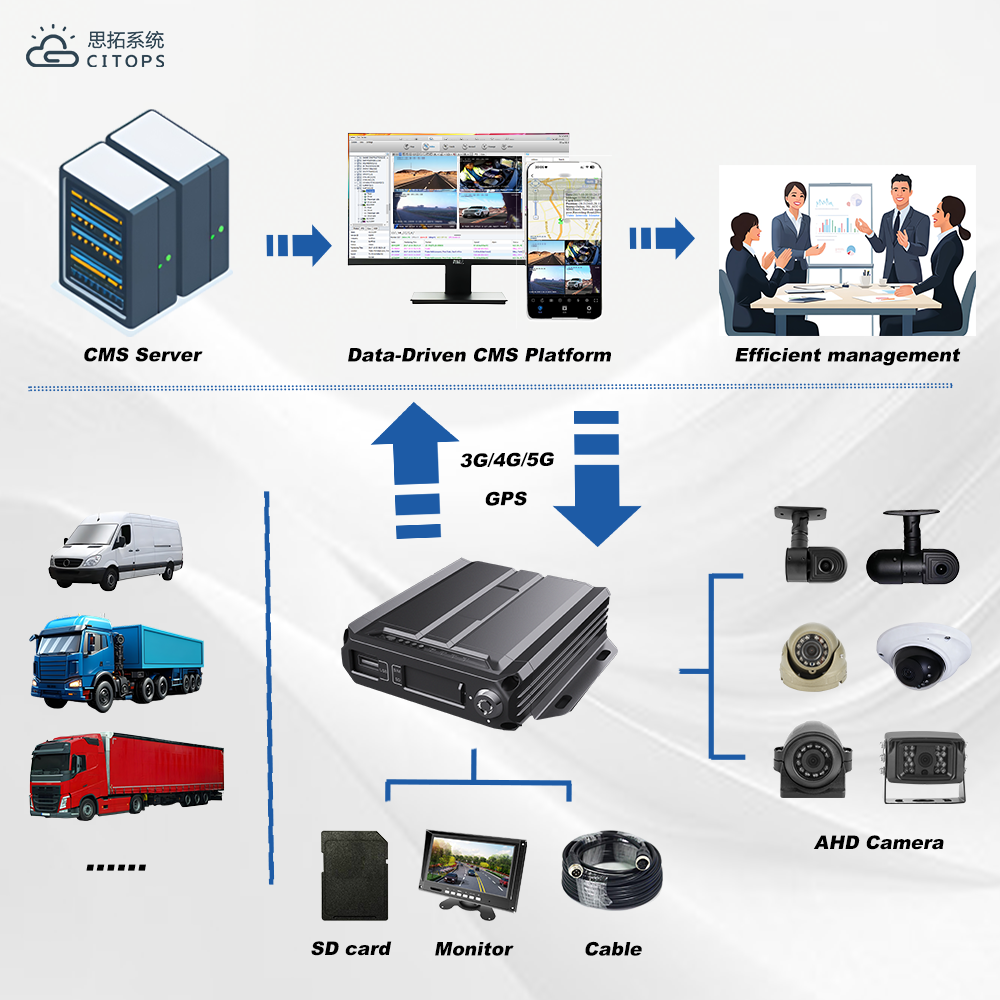
בבחירת מערכת מתקדמת לניטור וידאו, יש להעדיף תכונות כגון כיסוי של מספר מצלמות באיכות גבוהה, ניתוח התנהגות הנהג באמצעות בינה מלאכותית, אינטגרציה בזמן אמת עם GPS, ויכולת אחסון נתונים בענן. המערכת צריכה לכלול זיהוי עייפות, התראות על נהיגה לא ממוקדת, וטכנולוגיות למניעת התנגשויות. כדאי לחפש מערכות שמציעות יכולת ניטור מרחוק, פונקציות דיווח אוטומטיות, ואינטגרציה עם תוכנות ניהול צי קיימות. יש לוודא שהמערכת מספקת קיבולת אחסון מספקת לקלטות וידאו וכוללת תכונות אבטחת סייבר חזקות להגנה על נתונים תפעוליים רגישים.
מהו הזמן הרגיל עד להחזר ההשקעה ממערכות ניטור וידאו
חברות לוגיסטיקה רבות מתחילות לראות תוצאות מדידות תוך שישה עד שנים עשר חודשים מרגע יישום של מערכות מתקדמות לניטור באמצעות וידאו, והחזר על ההשקעה מושג בדרך כלל תוך שמונה עשרה עד עשרים וארבעה חודשים. הטווח הזמני תלוי בגורמים כגון גודל האצטלה, תעודת הבטיחות הנוכחית, מבנה פרמיית הביטוח ורמת היעילות האופרטיבית הבסיסית. לחברות עם אצטלה גדולה יותר או שיעורי תאונות גבוהים יותר יש לרוב החזר מהיר יותר, בשל הפוטנציאל הגדול יותר לשיפור. הפחתת פרמיות ביטוח וחסכונות בדלק מספקים בדרך כלל את התועלות הפיננסיות המיידיות ביותר, בעוד החסכונות ארוכי הטווח הנובעים מפחת תאונות ושיפור היעילות ממשיכים להצטבר לאורך זמן.
האם מערכות ניטור וידאו יכולות להתמזג עם תוכנות ניהול אצטלה קיימות
מערכות מודרניות מתקדמות לניטור וידאו מעוצבות עם יכולות אינטגרציה שמאפשרות חיבור חלק לרוב פלטפורמות ניהול צי קיימות. ממשקים תכנותיים (API) מאפשרים שיתוף נתונים בין המערכות, ויוצרים דפי מחוונים מאוחדים ויכולות דיווח מקיפות. האינטגרציה מאפשרת למנהלי צי לגשת לנתוני וידאו יחד עם מדדי ביצועים תפעוליים אחרים כגון צריכה של דלק, לוחות זמנים לבנייה ושיפוץ, ומדדי ביצועי נהגים. רבות מהמערכות מציעות תאימות מסוג "הכנס ופעל" עם תוכנות ניהול צי פופולריות, ואילו פתרונות אינטגרציה מותאמים זמינים לצורך דרישות תפעוליות מיוחדות.
מהי ההדרכה הנדרשת לנהגים ולמנהלי צי כדי להשתמש במערכות ניטור וידאו בצורה יעילה
הדרכה לנהגים במערכות ניטור וידאו דורשת בדרך כלל בין ארבע לשמונה שעות של הדרכה, הכוללת את פעולת המערכת, מדיניות הפרטיות והציפיות ההתנהגותיות. יש לשים דגש בהדרכה על היתרונות לבטיחות ועל возможויות ההתפתחות המקצועית, ולא על היבטי השמירה. מנהלי צי זקוקים להדרכה מקיפה יותר, הכוללת ניהול מערכת, ניתוח נתונים, יצירת דוחות ונהלי חקירת תקריות. רוב ספקי המערכות מציעים תוכניות הדרכה, חוברות למשתמש ותמיכה טכנית מתמשכת כדי להבטיח יישום יעיל. הדרכת תזכורת מתמדת עוזרת לשמור על יעילות המערכת ומבטיחה שכל הצוות מכיר את התכונות והיכולות המעודכנות.