
 EN
EN
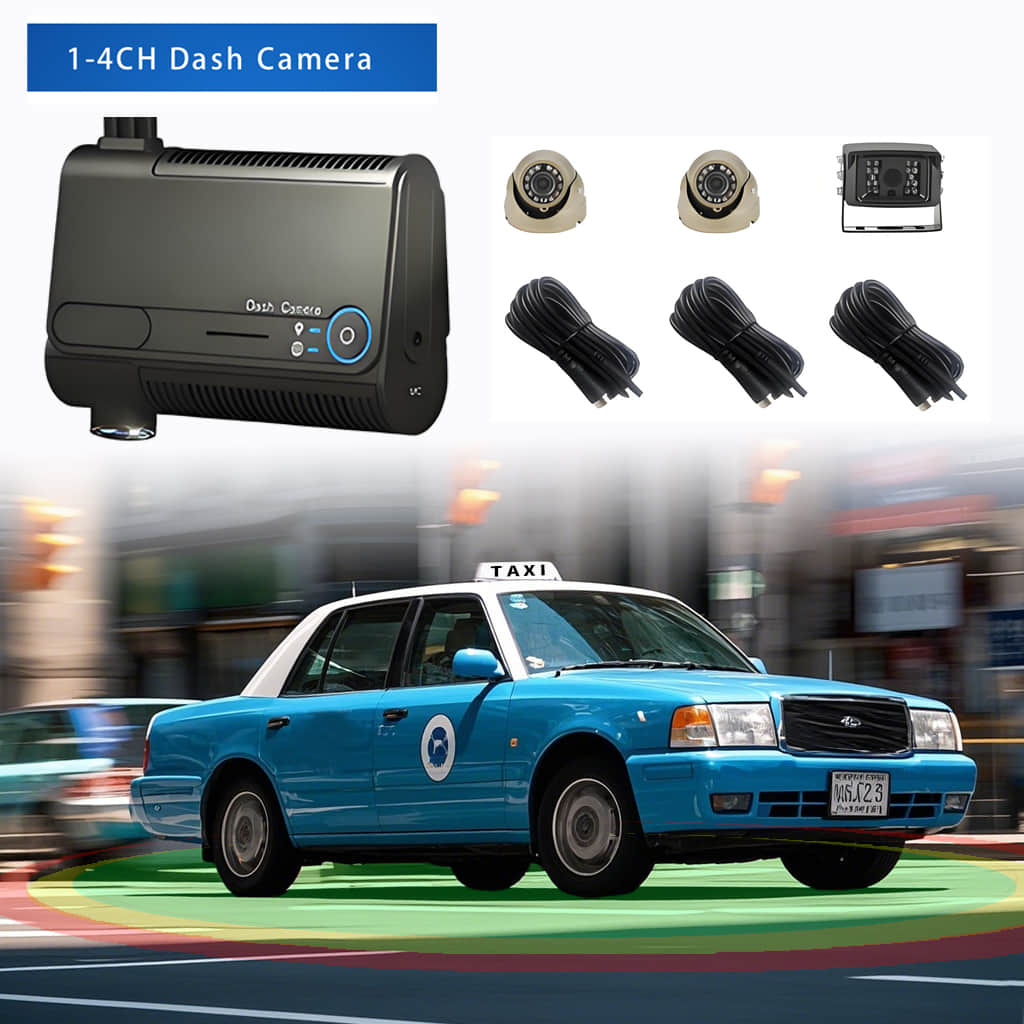
Transporti modern kërkon zgjidhje të sofistikuara për sigurinë, dhe sistemet DVR me përcjellje të lartë për mjetet kanë dalë si mjete të domosdoshme për shoferët e ditëve të sotme. Këto pajisje të avancuara për regjistrim ofrojnë dokumentim të plotë të ngjarjeve në rrugë, duke shërbyer si dëshmitarë të besueshëm në situata komplekse trafiku. Integrimi i teknologjisë së fundit me funksionalitet praktik bën që këto sisteme të jenë të domosdoshme për mbrojtjen e shoferëve nga pretendime të rreme dhe për sigurimin e raportimit të saktë të incidenteve. Operatorët profesional të flotave dhe shoferët individualë njohin rëndësinë kritike të ruajtjes së regjistrimeve vizuale të hollësishme të udhëtimeve të tyre.
Kuptimi i Teknologjisë së Avancuar për Regjistrim Mjetesh
Përbërësit Bazë të Sistemeve Modernë DVR
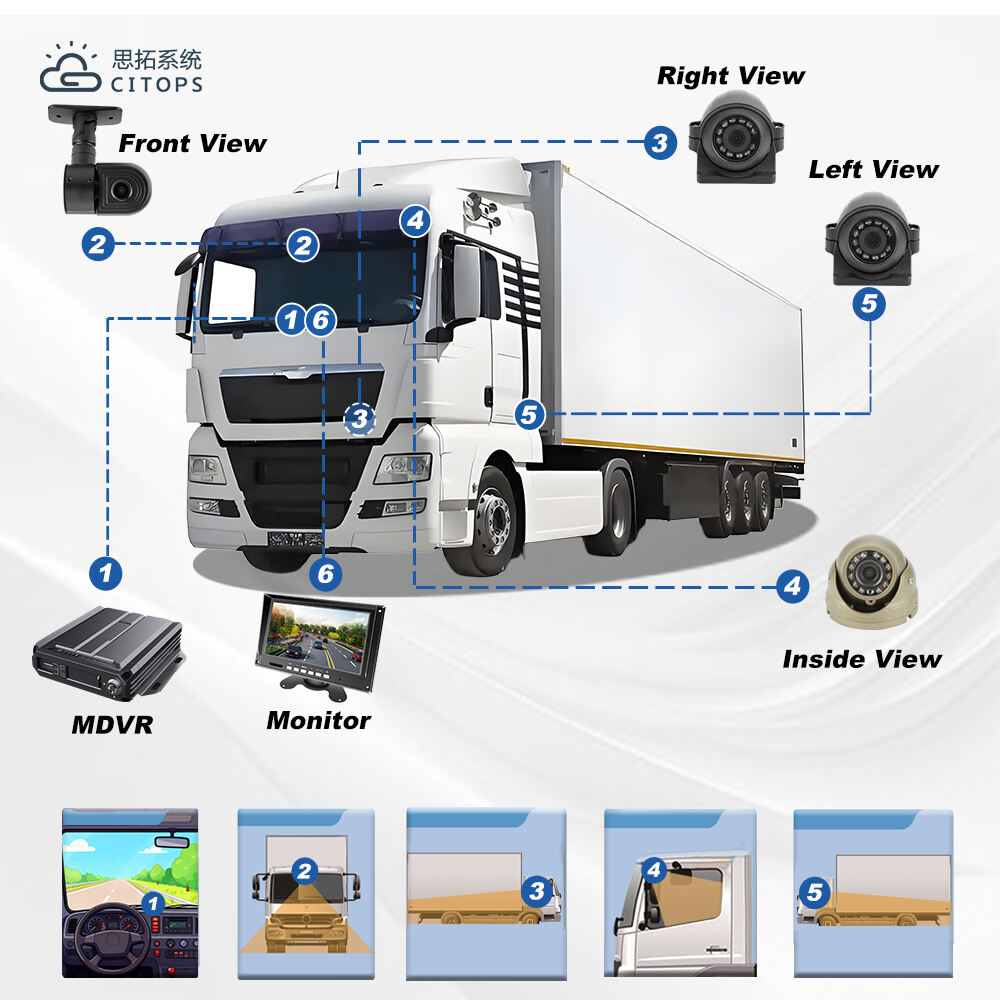
Sistemet e sotshme DVR për mjete përfshijnë komponentë të shumtë të sofistikuar që punojnë së bashku për të regjistruar pamje të hollësishme të mjedisit gjatë ngasjes. Sensorë me rezolucion të lartë kapin imazhe kristal të qarta në kushte të ndryshme drite, ndërsa procesorët e avancuar sigurojnë kodimin e lëmuar të videos dhe menaxhimin e ruajtjes. Integrimi i GPS-së ofron të dhëna të sakta të vendndodhjes dhe informacion mbi shpejtësinë, duke krijuar regjistrime të hollësishme që plotësojnë dokumentimin vizual. Këto sisteme të integruara shpesh kanë shumë kënde kamerash, përfshirë kapjen e pamjes përpara, pas dhe monitorimin e brendësisë.
Baza teknologjike e këtyre sistemeve mbështetet në zgjidhje të forta të ruajtjes së memories dhe sisteme efikase të menaxhimit të energjisë. Algoritme të avancuara kompresioni optimizojnë hapësirën e depozitimit duke ruajtur cilësinë e videos, duke siguruar periudha të gjata regjistrimi pa kompromentuar performancën. Mundësitë e monitorimit në kohë reale i lejojnë shoferëve të rishikojnë materiale menjëherë kur ndodhin incidente, duke ofruar qasje të menjëhershme në dëshmi kritike. Pjesët me cilësi profesionale sigurojnë funksionim të besueshëm në kushte ekstreme moti dhe mjedise të vështira drejtimi.
Integrimi me Teknologjitë Mobile dhe Pa Kabel
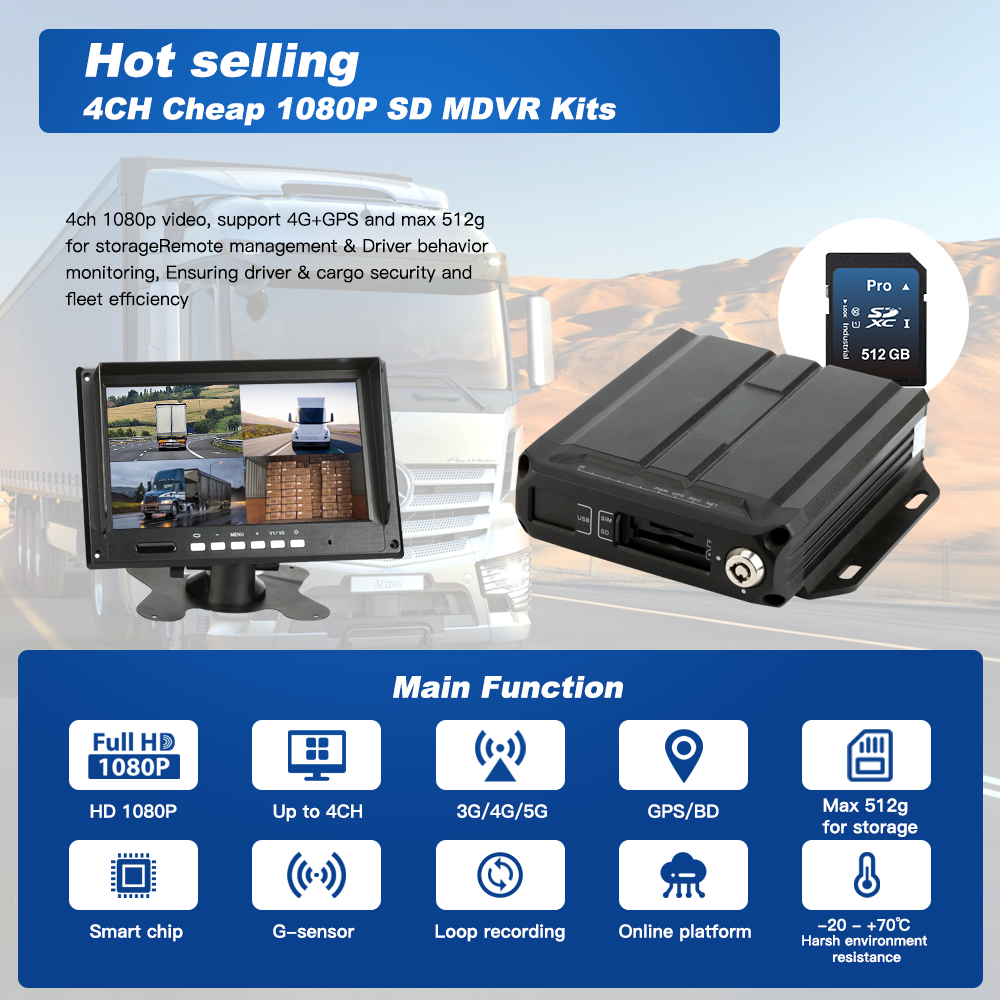
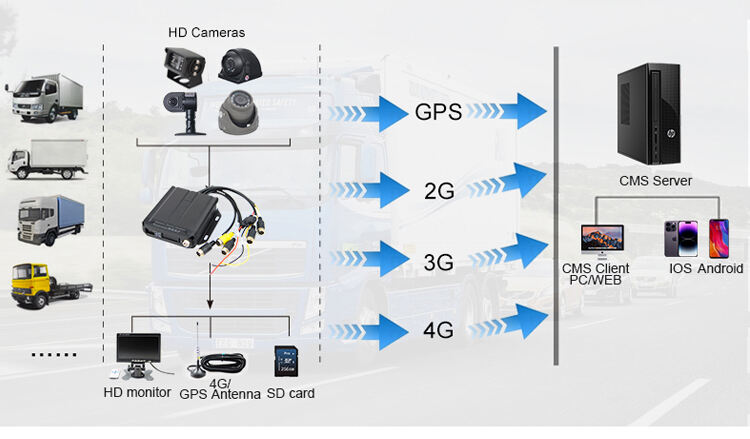
Sistemet moderne DVR të makinave integrohen në mënyrë të plotë me aplikacione mobile dhe mundësi lidhjesh pa tel, duke mundësuar monitorim nga distanca dhe qasje të menjëhershme në të dhëna. Mundësia e ruajtjes në klloud siguron që materiali video të mbetet i sigurt dhe i përdorshëm edhe kur mjetet janë dëmtuar ose janë vjedhur. Lidhja 4G dhe WiFi lejon transmetim në kohë reale dhe sisteme të menjëhershme njoftimi për menaxherët e flotës dhe përdoruesit individualë. Këto përparime teknologjike transformojnë pajisjet tradicionale të regjistrimit në platforma të plota sigurie dhe mbrojtjeje.
Integrimi me aplikacionin mobil ofron ndërfaqe intuitive për konfigurimin e sistemit, shqyrtimin e materialeve video dhe njoftimin për raste të ndodhura. Përdoruesit mund të rregullojnë parametrat e regjistrimit, të konfigurojnë njoftime automatike dhe të menaxhojnë vendin e ruajtjes përmes aplikacioneve të thjeshta për smartphone. Sistemet e njoftimit të avancuara mund të kontaktojnë automatikisht shërbimet e emergjencës ose kontakte të caktuara kur zbulohen goditje të rëndësishme, duke siguruar një përgjigje të shpejtë në raste të rënda.
Mbrojtja Ligjore dhe Dokumentimi i Provave
Krijimi i Regjistrave Faktike në Zgjidhjen e Mosmarrëveshjeve
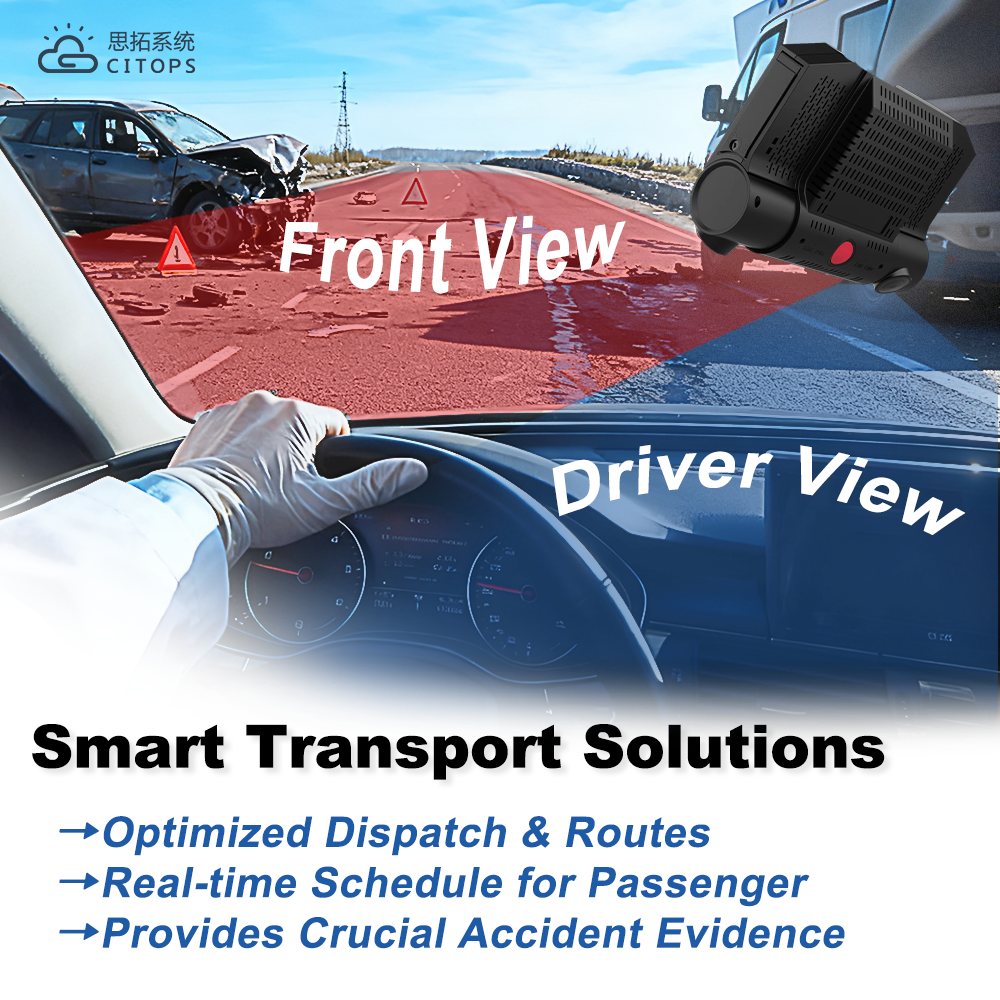
Sistemet me regjistrim me përcjellësi të lartë ofrojnë prova të palëkundshme që forcojnë në mënyrë të konsiderueshme pozitat ligjore në mosmarrëveshjet e trafikut dhe pretendimet e sigurimeve. Materjali profesional me cilësi kap detaje të rëndësishme si gjendja e sinjaleve të trafikut, kushtet e rrugës dhe sjellja e të gjitha palëve të përfshira. Ky dokumentim i plotë elimikon varësinë nga dëshmi të lidhura me njëra-tjetrën dhe kujtime subjektive të ngjarjeve. Profesionistët e drejtësisë po e njohin gjithnjë e më tepër vlerën e provës video në vendosjen e përgjegjësisë dhe mbështetjen e pretendimeve për kompensim.
Kompanitë e sigurimeve inkurajojnë aktive dvr i automjeteve adoptimi për shkak të reduktimit të konsiderueshëm të pretendimeve të mashtruara dhe rasteve të diskutuara lidhur me përgjegjësinë. Dëshmia video përshpejton përpunimin e pretendimeve dhe zvogëlon koston e hetimeve, duke rezultuar në zgjidhje më të shpejta dhe kosto më të ulëta ligjore. Prania e sistemeve të regjistrimit dështon shpesh sjelljet agresive të drejtimit dhe përpjekjet për aksidente të organizuara, duke kontribuar në përmirësimin e përgjithshëm të sigurisë në rrugë.
Mbrojtja kundër Mashtrimeve të Sigurimeve dhe Pretendimeve të Rreme
Sistemet e regjistrimit të makinave funksionojnë si pengesa të fuqishme kundër skemave të mashtrimit të sigurimeve dhe përpjekjeve të planifikuara për aksidentet. Mashtruesit profesional zakonisht synojnë mjetet pa pajisje të dukshme regjistrimi, duke i njohur vështirësitë për të diskutuar dëshminë video. Imazhet e qarta që dokumentojnë sjelljen para ngjarjes ndihmojnë në identifikimin e veprimeve të dyshimta dhe përpjekjeve të koordinuara për mashtrim. Kjo mbrojtje shtrihet jashtë ngjarjeve të përplasjeve për të përfshirë incidente në parkime, vandalizëm dhe përpjekje për thyetime.
Mbrojtja financiare e ofruar nga sistemet e regjistrimit të plotë shpesh tejkalon koston e tyre fillestare të investimit brenda parandalimit të pretendimit të parë të rremë. Shoferët profesionalë dhe operatorët e flotave raportojnë ulje të mëdha në ekspozimin ndaj përgjegjësisë dhe shpenzimet ligjore pas zbatimit të sistemeve. Premiat e sigurimeve shpesh zvogëlohen kur instalohen sisteme të regjistrimit të plotë, gjë që reflekton profilet me rrezik më të ulët dhe saktësinë e përmirësuar të pretendimeve.
Menaxhimi i Flotës dhe Aplikimet Profesionale
Përmirësimi i Sigurisë për Mjetet Komerciale
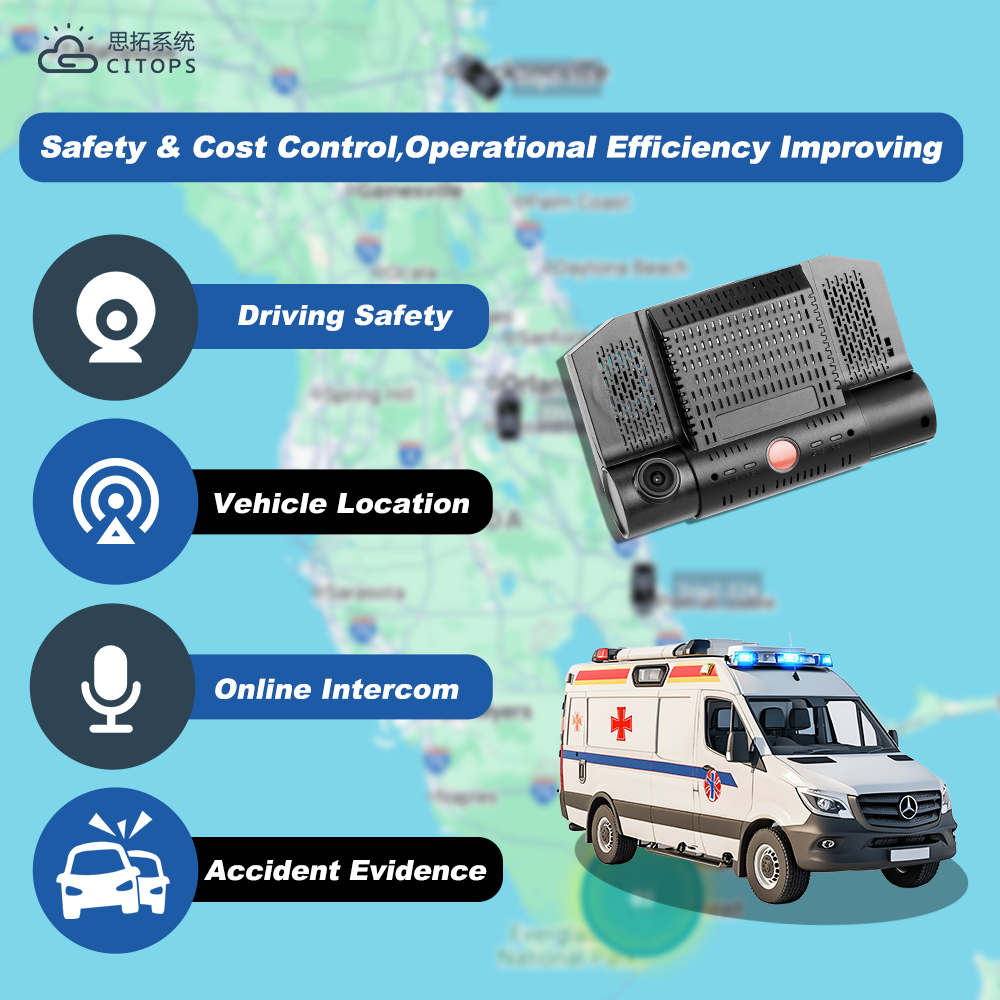
Kompanitë e transportit komercial përdorin sisteme të avancuara DVR në mjete për të përmirësuar trajnimin e sigurisë së shoferëve dhe efikasitetin operativ. Mundësitë e monitorimit në kohë reale lejojnë intervenim menjëherë kur detektohen sjellje të padëshirueshme gjatë ngasjes, duke parandaluar aksidentet potenciale para se të ndodhin. Menaxherët e flotës mund të rishikojnë modele ngasje, të identifikojnë fusha për përmirësim dhe të zbatojnë programe të synuara trajnimi bazuar në incidente faktike të regjistruar.
Përgjegjësia e shoferëve profesionalë rritet në mënyrë të konsiderueshme kur sistemet e regjistrimit të plotë zbatohen në operacionet e flotës. Shoferët tregojnë një përputhje më të mirë me protokollet e sigurisë dhe politikat e kompanisë kur kuptojnë se veprimet e tyre po dokumentohen. Kjo përmirësim i sjelljes shtrihet edhe në ndërveprimet me klientët, procedurat e manipulimit të ngarkesës dhe respektimin e kërkesave rregullatore.
Larg
Rregulloret e transportit gjithnjë e më shumë kërkojnë dokumentim të hollësishëm të operacioneve të makinës dhe modele të sjelljes së shoferëve. Sistemet e avancuara të regjistrimit gjenerojnë automatikisht raporte përputhjeje dhe ruajnë dokumentacionin e kërkuar për inspektimet rregulluese. Integrimi i GPS-së siguron regjistrim të saktë të marshruteve, ndalimeve dhe orëve të vozitjes, duke mbështetur përputhjen me rregulloret federale të transportit.
Sistemet profesionale DVR për mjete ofrojnë gjurmë të hollësishme që tregojnë respektimin e standardeve të sigurisë dhe procedurave operative. Këto regjistrime të hollësishme mbështesin përpjekjet për zbatimin e rregullores dhe ofrojnë provë të kujdesit të duhur në menaxhimin e sigurisë. Kompanitë që përdorin sisteme të hollësishme regjistrimi shpesh përjetojnë një ekspozim të ulët ndaj përgjegjësisë dhe marrëdhënie më të mira me rregullatorët.
Karakteristikat Teknike dhe Aftësitë e Performancës
Cilësia e Lartë e Regjistrimit dhe Menaxhimi i Ruajtjes
Sistemet e avancuara DVR për mjete ofrojnë cilësi të shkëlqyeshme regjistrimi përmes sensorëve me rezolucion të lartë dhe aftësive të sofistikuara të përpunimit të imazhit. Llëndët me kënd shumë të gjerë kapin pamje të hollësishme të situatave në trafik, duke siguruar që asnjë detaj i rëndësishëm të mos humbet gjatë dokumentimit të incidenteve. Aftësitë e pamjes natëne ofrojnë cilësi të qëndrueshme regjistrimi edhe në kushte me dritë të pakët, duke siguruar mbledhje të besueshme të provave pavarësisht nga faktorët ambientalë.
Sistemet inteligjente të menaxhimit të ruajtjes së të dhënave i japin automatikisht përparësi pamjeve kritike, ndërkohë që menaxhojnë në mënyrë efikase hapësirën e disponueshme të memories. Funksionaliteti i regjistrimit në cikël siguron funksionim të vazhdueshëm pa ndërhyrje manuale, ndërsa regjistrimi i shkaktuar nga ngjarjet ruan përgjithmonë incidentet e rëndësishme. Teknologjitë e avancuara të kompresimit maksimizojnë kapacitetin e ruajtjes, ndërkohë që ruajnë rezolucionin e videos me cilësi transmetimi për qëllime ligjore dhe sigurimi.
Konfigurimi i Shumë Kamerash dhe Opsionet e Monitorimit
Sistemet profesionale DVR për mjete shpesh përfshijnë kënd lëvizës të shumë kamerash për të ofruar mbulim të plotë të mjedisit rreth mjetit. Konfigurimet me dy kamera kapin të dhëna si për kushtet e rrugës para dhe veprimtaritë brenda, duke mbështetur analizën e sjelljes së shoferit dhe mbikëqyrjen e sigurisë së mallrave. Disa sisteme përfshijnë kamera shtesë për regjistrimin nga prapa dhe mbikëqyrjen e zonave të verbëra, duke krijuar një vetëdijesie të plotë situative.
Regjistrimi i sinkronizuar nga kamera të shumta ofron dëshmi të koordinuara që mundësojnë rindërtimin e detajuar të incidenteve. Analistët profesionalë mund të shqyrtojnë materiale filmike nga kënde të ndryshme njëkohësisht, duke siguruar një kuptim të saktë të situatave komplekse të trafikut. Kjo mbulim i plotë është e pavlerë në rastet me përgjegjësi të diskutueshme dhe në hetimet e kërkesave për sigurim.
Larg dhe Mbajtje Të Përgjegjshme
Instalim Profesional dhe Konfigurim i Sistemit
Instalimi i duhur i sistemeve DVR në mjet kërkon kujdes të veçantë në pozicionimin e kamerave, integrimin e furnizimit me energji dhe qasjen e ndërfaqes së përdoruesit. Instalimi profesional siguron kënde të optimizuara regjistrimi dhe minimizon pengesat me funksionimin e mjetit. Teknicienët me përvojë konfigurojnë parametrat e sistemit në përputhje me kërkesat specifike të mjetit dhe nevojat operative.
Integrimi i sistemit me elektronikën ekzistuese të mjetit kërkon njohuri të specializuara dhe pajisje të përshtatshme ndërfytese. Instaluesit profesional sigurojnë që sistemet e regjistrimit funksionojnë në mënyrë të besueshme pa penguar funksionet e tjera të mjetit ose mbulimin e garancisë. Instalimi i duhur përfshin gjithashtu trajnimin e përdoruesve dhe shërbime mbështetëse të vazhdueshme për të maksimizuar efikasitetin e sistemit.
Mirëmbajtje e vazhdueshme dhe përditësime të sistemit
Mirëmbajtja e rregullt siguron që sistemet DVR të mjetit të vazhdojnë të funksionojnë me performancë maksimale gjatë tërë jetës së tyre shfrytëzuese. Përditësimet e firmware-it ofrojnë funksionalitet të përmirësuar dhe kompatibilitet më të mirë me teknologjitë në zhvillim. Programet profesionale të mirëmbajtjes përfshijnë kontrollime periodike të sistemit, zëvendësimin e pajisjeve ruajtëse dhe optimizimin e performancës.
Programet e trajnimit për përdoruesit ndihmojnë shoferët dhe menaxherët e flotave të maksimizojnë përfitimet nga sistemet e avancuara të regjistrimit. Përditësimet e rregullta të trajnimit prezantojnë funksione të reja dhe sigurojnë përdorimin e duhur të sistemit. Shërbimet profesionale të mbështetjes ofrojnë asistencë teknike dhe udhëzime për zgjidhjen e problemeve kur paraqiten të tilla.
Analiza e kosto-prfitimit dhe kthimi i investimit
Mbrojtje Financiare dhe Zvogëlim i Rrezikut
Mbrojtja financiare e ofruar nga sistemet komplekse DVR për mjete tejkalon zakonisht koston e blimit dhe instalimit brenda vitit të parë të funksionimit. Shoferët profesional raportojnë kursime të konsiderueshme në shpenzime ligjore, frangjizat e sigurimeve dhe pagesa dëmshpërblimesh pas implementimit të sistemit. Operatorët e flotave dokumentojnë ulje të mëdha në pretendimet mashtruese dhe rastet e kontestuara të aksidenteve.
Kompanitë e sigurimeve shpesh ofrojnë zbritje premie për mjetet e pajisura me sisteme profesionale të regjistrimit, duke i konsideruar këto si mjete me rrezik më të ulët dhe saktësi më të lartë në pretendimet. Këto kursime të vazhdueshme mbledhin gjatë kohës, ofrojnë një kthim të madh të investimit gjatë gjithë jetës operative të sistemit. Operatorët profesional të flotave shpesh e rimarrin koston fillestare të sistemit përmes pretendimit të parë të shmangur që ishte i padrejtë.
Vlera afatgjatë dhe qëndrueshmëria e sistemit
Sistemet e DVR-së së mjetit me cilësi të lartë ofrojnë shërbim të besueshëm për shumë vite kur mirëmbahen dhe përditësohen rregullisht. Përbërësit me cilësi profesionale garantojnë performancë të qëndrueshme edhe në kushte të vështira mjedisore dhe në aplikime me përdorim intensiv. Vlera afatgjatë e këtyre sistemeve shtrihet përtej mbrojtjes financiare të menjëhershme dhe përfshin përmirësimin e sjelljes së shoferit dhe sigurinë operative të theksuar.
Përmirësimet teknologjike vazhdojnë të përmirësojnë kapacitetet e sistemit, duke ruajtur kompatibilitetin me instalimet ekzistuese. Përditësimet e firmware-it zgjatin jetën e sistemit dhe shtojnë funksionalitete të reja pa kërkuar zëvendësim të plotë. Sistemet profesionale ofrojnë rrugë për përmirësime që mbrojnë investimin fillestar ndërkohë që integrojnë zhvillimet më të fundit teknologjike.
FAQ
Si dallon një sistem DVR për mjet nga një kamerë standarde sigurie
Sistemet DVR për mjete janë projektuar veçanërisht për mjediset automobilistike, duke përfshirë veçori si integrimi i GPS-së, detektimi i goditjeve dhe lidhja mobile, gjëra që kamerasat e rregullta sigurie nuk kanë. Këto sisteme përfshijnë pajisje montimi specializuar, burime energjie automobilistike dhe software të dizajnuar për aplikime në vozitje. Ata gjithashtu ofrojnë regjistrim unazë, detektim automatik të incidenteve dhe integrim me sistemet e mjetit, gjëra që kamerasat statike sigurie nuk mund t'i ofrojnë.
Cili kapacitet i depozitimit rekomandohet për regjistrimin profesional të mjetit
Aplikimet profesionale zakonisht kërkojnë kapacitet ruajtjeje që varion nga 64 GB deri në 256 GB, në varësi të cilësive të regjistrimit dhe kërkesave të ruajtjes. Regjistrimi me përcjellësi të lartë me disa kamera mund të kërkojë një kapacitet më të madh ruajtjeje për të ruajtur një kohëzgjatje adekuate regjistrimi. Shumica e sistemeve mbështesin mundësinë e zgjerimit të ruajtjes dhe opsionet e kopjerimit në klon për të siguruar ruajtjen e materialeve kritike përtej kufizimeve lokale të ruajtjes.
A mund të funksionojnë sistemet DVR të mjeteve kur mjeti është i parkuar
Sistemet e avancuara DVR për mjete shpesh përfshijnë funksionalitetin e mënyrës së parkimit që vazhdon mbikëqyrjen kur mjete janë në gjendje pushimi. Këto sisteme përdorin detektimin e lëvizjes dhe sensorë goditjesh për të nxitur regjistrimin gjatë incidenteve të parkimit. Sistemet me rezervë baterie ose lidhje të fiksuara me energji lejojnë periudha të zgjatura mbikëqyrjeje pa i shpenzuar bateritë e mjeteve, duke ofruar mbikëqyrje të plotë sigurie.
A janë regjistrimet DVR të mjeteve të pranueshme ligjërisht në procedurat gjyqësore
Regjistrimet DVR të mjetit zakonisht pranohen si provë në procedurat ligjore, nëse plotësojnë kërkesat standarde për autentikitet dhe vijimësinë e posedimit. Kohëmatësi automatik dhe të dhënat GPS të integruara në sistemet profesionale rrisin besueshmërinë e tyre ligjore. Megjithatë, kërkesat specifike për pranim mund të ndryshojnë sipas juridiksionit, dhe duhet të konsultohet një avokat për raste specifike që kërkojnë provë video.
Përmbajtja
- Kuptimi i Teknologjisë së Avancuar për Regjistrim Mjetesh
- Mbrojtja Ligjore dhe Dokumentimi i Provave
- Menaxhimi i Flotës dhe Aplikimet Profesionale
- Karakteristikat Teknike dhe Aftësitë e Performancës
- Larg dhe Mbajtje Të Përgjegjshme
- Analiza e kosto-prfitimit dhe kthimi i investimit
-
FAQ
- Si dallon një sistem DVR për mjet nga një kamerë standarde sigurie
- Cili kapacitet i depozitimit rekomandohet për regjistrimin profesional të mjetit
- A mund të funksionojnë sistemet DVR të mjeteve kur mjeti është i parkuar
- A janë regjistrimet DVR të mjeteve të pranueshme ligjërisht në procedurat gjyqësore