
 EN
EN
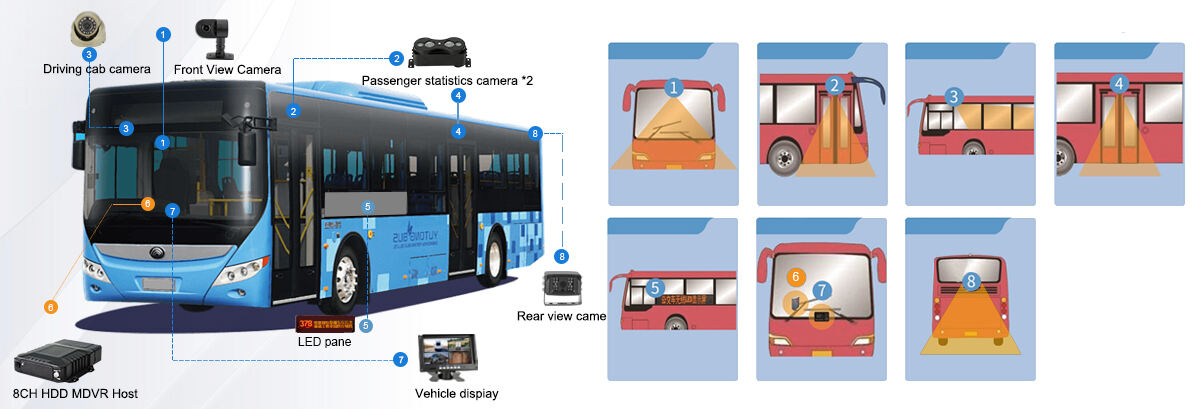
Modern lojistik şirketleri, sürücü güvenliğini ve mevzuata uyumu sağlarken filo operasyonlarını yönetmede benzeri görülmemiş zorluklarla karşı karşıyadır. Taşımacılık sektörü, operasyonel denetimi artıran ve risk maruziyetini azaltan gelişmiş teknoloji çözümlerine doğru önemli bir kayma yaşamıştır. Araç güvenliği izleme sistemleri lojistik yöneticileri için, filo operasyonlarına ilişkin kapsamlı görünürlük sağlayan temel araçlar haline gelmiştir. Bu gelişmiş sistemler, şirketlerin kamyon şoförlerini denetleme biçimini dönüştüren, gerçek zamanlı veri toplama, davranış analizi ve olay önleme yetenekleri sunar. Araç güvenliği izleme teknolojisinin entegrasyonu, kuruluşların tüm filo ağlarında operasyonel verimliliği optimize ederken daha yüksek güvenlik standartlarını sürdürmelerini sağlar.
Gelişmiş Filo İzleme Sistemlerinin Temel Bileşenleri
Gerçek Zamanlı Video Kaydı ve Analizi
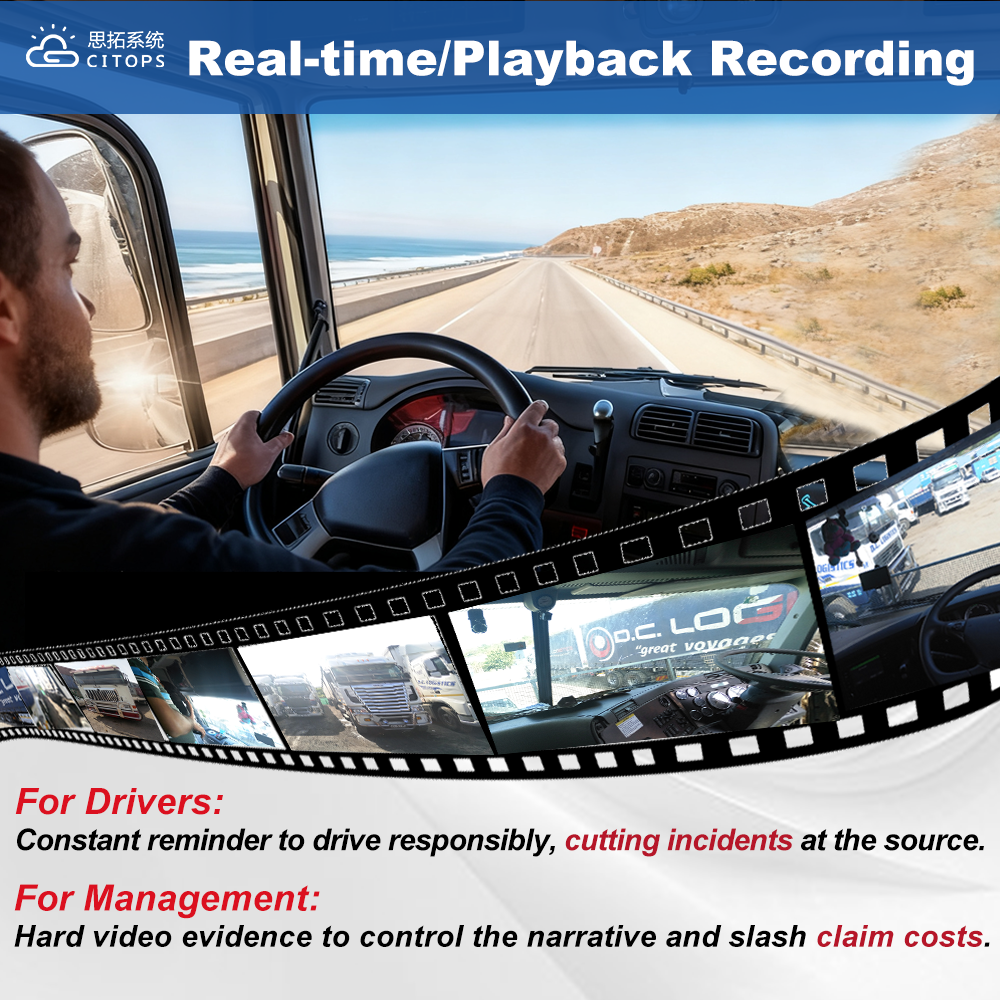
Profesyonel araç güvenliği izleme sistemleri, sürüş koşullarını kapsamlı şekilde kaydetmek için ticari araçların çeşitli noktalarına stratejik olarak yerleştirilmiş çok sayıda yüksek çözünürlüklü kamerayı içerir. Bu gelişmiş kayıt sistemleri, sürücünün iç ortamdaki davranışlarını ve dış yol ortamını sürekli olarak izleyerek her seyahatin ayrıntılı bir belgesini oluşturur. Yapay zekâ algoritmalarının entegrasyonu, uykulu sürüş, dikkatsizlik veya saldırgan sürüş gibi potansiyel olarak tehlikeli durumların otomatik olarak tespit edilmesini sağlar. Filo yöneticileri, aktif rotalar sırasında güvenlikle ilgili endişeler ortaya çıktığında anında müdahale edebilmeleri için uzaktan canlı video akışlarına erişebilir.
Modern video analitiği yetenekleri, basit kayıt işlemlerini aşarak belirli risk faktörlerini tanımlayan karmaşık davranış analizi özelliklerini de içerir. Bu sistemler, sürücülerin mobil cihaz kullanmalarını, yemek yemelerini veya araç güvenliği izleme protokollerini tehlikeye atan diğer dikkat dağıtıcı faaliyetleri gerçekleştirmelerini tespit edebilir. Teknoloji aynı zamanda takip mesafeleri, şerit değişimleri ve çarpışma riskleri gibi dış faktörleri de izleyerek kapsamlı güvenlik değerlendirmeleri sağlar. Gelişmiş sistemler, görüntüleri yerel olarak saklarken aynı anda kritik uyarıları filo yönetim merkezlerine ileterek anında müdahale koordinasyonu sağlar.
GPS Takip ve Rota Optimizasyonu
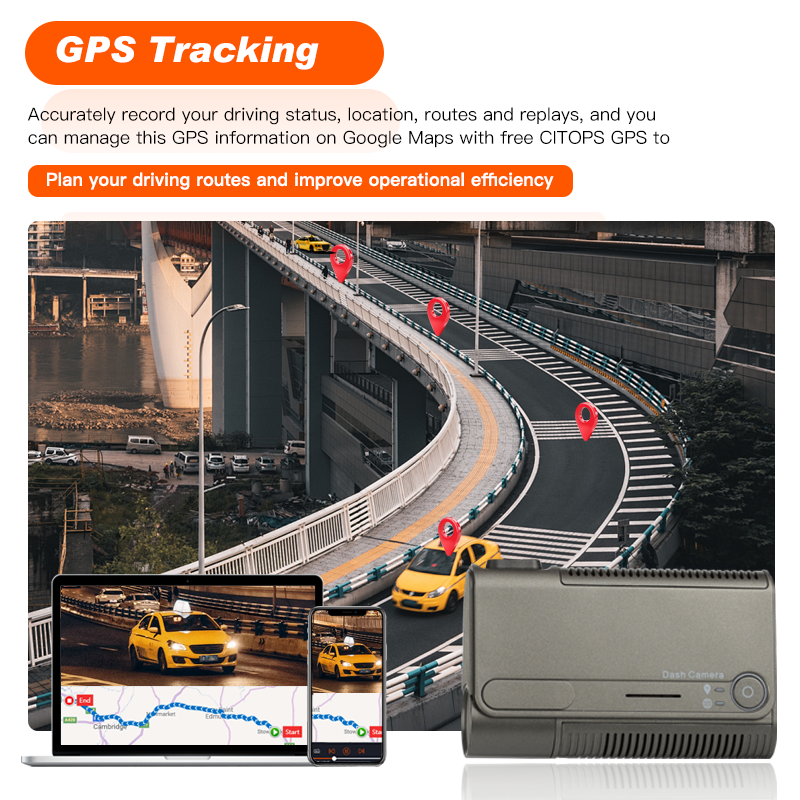
Araç güvenliği izleme platformları içinde entegre edilen GPS işlevi, lojistik operasyonları için kesin konum takibi ve kapsamlı rota analizi sağlar. Bu sistemler, teslimat programlarına ve güvenlik düzenlemelerine uyum sağlamak amacıyla araç hızlarını, rota uyumunu ve duraklama sürelerini izler. Filo yöneticileri, coğrafi sınırlı alanlar (geofence) tanımlayabilir ve araçların belirlenen bölgelere girmesi veya çıkması durumunda otomatik bildirim alabilir; bu da güvenliği ve operasyonel kontrolü artırır. GPS verisi entegrasyonu, ivmelenme desenleri, frenleme davranışları ve genel rota verimliliği gibi sürücü performans metriklerine ilişkin ayrıntılı raporlamayı mümkün kılar.
Gelişmiş rota optimizasyonu özellikleri, lojistik şirketlerinin akıllı yol planlaması aracılığıyla sıkı teslimat zaman çizelgelerini korurken yakıt tüketimini azaltmasına yardımcı olur. Sistem, tarihsel trafik desenlerini, hava koşullarını ve yol kısıtlamalarını analiz ederek hem güvenlik hem de verimlilik önceliği taşıyan optimal rotalar önerir. Gerçek zamanlı trafik güncellemeleri, sürücülerin araç güvenliği izleme hedeflerini tehlikeye atabilecek yoğun trafik alanlarından veya tehlikeli koşullardan kaçınmalarını sağlar. Bu kapsamlı rota yönetimi yaklaşımı, işletme maliyetlerini önemli ölçüde azaltırken aynı zamanda genel filo performans standartlarını da artırır.
Sürücü Davranışı Analizi ve Performans Metrikleri
Otomatik Güvenlik Puanlama Sistemleri
Güncel araç güvenlik izleme platformları, çoklu sürüş davranış göstergelerine dayalı kapsamlı güvenlik puanları oluşturmak için gelişmiş algoritmalar kullanır. Bu sistemler, ivme paternlerini, frenleme şiddeti, viraj alma hızlarını ve takip mesafelerini sürekli olarak değerlendirerek nesnel performans değerlendirmeleri oluşturur. Otomatik puanlama yöntemi, öznel önyargıyı ortadan kaldırırken tüm filo operasyonlarında tutarlı değerlendirme kriterleri sağlar. Lojistik yöneticileri, ayrıntılı performans analizleri aracılığıyla en iyi performans gösteren sürücüleri ve ek eğitim gerektiren sürücüleri belirleyebilir.
Puanlama sistemleri, ulaşım yetkilileri ve sigorta sağlayıcılarıyla uyum sağlamak için sektörün güvenlik standartlarını ve düzenleyici gereksinimlerini içerir. Düzenli performans raporları, olaylara veya ihlallere yol açmadan önce ortaya çıkabilecek gelişmekte olan güvenlik endişelerini gösteren eğilimleri ve desenleri vurgular. Filo yöneticileri, bireysel sürücüler için kişiselleştirilmiş iyileştirme hedefleri belirleyebilir ve kapsamlı panel arayüzleri aracılığıyla ilerlemeyi zaman içinde izleyebilir. Sürücü değerlendirme sürecine yönelik bu veri odaklı yaklaşım, eğitim programları, rota atamaları ve performans teşvikleriyle ilgili kanıta dayalı kararların alınmasını destekler.
Yorgunluk Tespiti ve Uyanıklık İzleme
Gelişmiş yorgunluk tespit yetenekleri, özellikle uzun mesafeli lojistik operasyonları için tasarlanan modern araç güvenlik izleme sistemlerinin kritik bir bileşenini oluşturmaktadır. Bu sistemler, sürücünün uykululuğu veya dikkatsizliği belirtilerini gerçek zamanlı olarak tespit etmek amacıyla yüz tanıma teknolojisi ve göz takibi algoritmalarını kullanır. Olası yorgunluk göstergeleri algılandığında sistem, sürücülerin uyanıklığını ve odaklanmasını korumalarına yardımcı olmak için hemen sesli ve görsel uyarılar üretir. Denetçiler, sürücülerle doğrudan iletişime geçebilmeleri veya gerektiğinde dinlenme molası önermeleri için anlık bildirimler alırlar.
Biyometrik sensörlerin ve davranış analizinin entegrasyonu, basit zaman temelli düzenlemeleri aşan kapsamlı yorgunluk izleme sistemleri oluşturur. Bu sistemler, bireysel sürücü davranışlarını, çevresel koşulları ve rota özelliklerini dikkate alarak kişiselleştirilmiş uyanıklık değerlendirmeleri sağlar. Filo yöneticileri, belirli operasyonel gereksinimlere ve sürücülerin deneyim seviyelerine göre özelleştirilmiş yorgunluk eşikleri belirleyebilir. Teknoloji ayrıca dinlenme alışkanlıkları ve çalışma saatleri düzenlemelerine uyum hakkında ayrıntılı raporlar oluşturur; bu da düzenleme belgelerini ve güvenlik denetimlerini destekler.
İletişim ve Acil Durum Müdahalesi Özellikleri
İki Yönlü İletişim Sistemleri
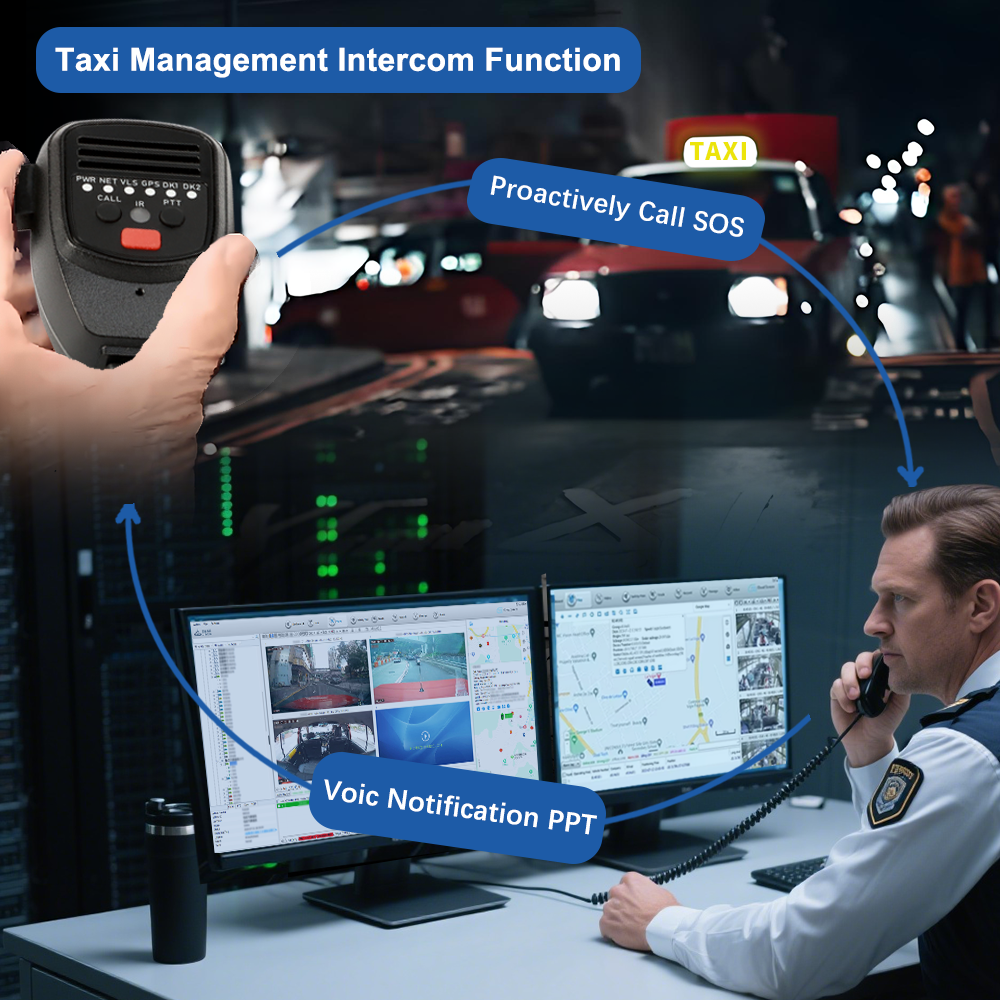
Entegre iletişim yetenekleri araç güvenliği izleme platformlar, operasyonel dönemler boyunca şoförler ile dağıtım merkezleri arasında sorunsuz koordinasyonu sağlar. Bu sistemler, konumdan veya ağ koşullarından bağımsız olarak sürekli bağlantı sağlayacak şekilde sesli iletişim, metin mesajlaşma ve acil uyarı işlevlerini destekler. Filo yöneticileri, önemli güncellemeleri, hava durumu uyarılarını veya rota değişikliklerini aynı anda birden fazla araca yayınlayabilir; bu da operasyonel koordinasyonu ve güvenlik farkındalığını artırır. İletişim özellikleri ayrıca şoförlerin, güvenli sürüş uygulamalarına odaklanmalarını bozmadan olayları bildirmelerine, yardım talep etmelerine veya durum güncellemeleri sağlamalarına olanak tanır.
Gelişmiş iletişim protokolleri, rutin işletme güncellemeleri ile kritik güvenlik uyarıları arasında ayrım yapan öncelikli mesajlaşma sistemlerini içerir. Acil durum iletişim özellikleri, sürücülerin tehdit edici durumlarla veya mekanik arızalarla karşılaştıklarında kesin konum koordinatlarıyla yardım çağrısı göndermelerini sağlar. Sistem, acil durum iletişimlerini çözüm sağlanana kadar sürekli iletişimi sürdürürken ilgili müdahale ekiplerine otomatik olarak yönlendirir. Bu kapsamlı iletişim yetenekleri, çeşitli coğrafi bölgelerde ve zorlu ortamlarda sürücülerin güvenini ve operasyonel güvenliği önemli ölçüde artırır.
Olay Belgelendirme ve Hukuki Koruma
Profesyonel araç güvenlik izleme sistemleri, hem sürücüleri hem de lojistik şirketlerini sahte talepler ve sorumluluk anlaşmazlıklarından koruyan kapsamlı olay belgelendirme özelliklerine sahiptir. Yüksek çözünürlüklü kameralar, kazaları veya trafik ihlallerini ayrıntılı olarak kaydeder ve bu şekilde, doğru olay yeniden oluşturmayı ve yasal süreçleri destekleyen nesnel kanıt oluşturur. Sistemler, darbe sensörleri veya acil durum düğmeleri etkinleştirildiğinde video kayıtlarını otomatik olarak korur; böylece sigorta talepleri ve yasal soruşturmalar için kritik kanıtın mevcut kalması sağlanır. Zaman damgalı görüntü kayıtları ile GPS koordinatları, olayların ve olaylarla ilgili koşulların tartışmasız belgelendirilmesini sağlar.
Yasal koruma özellikleri, basit video kaydını aşarak, olaylar sırasında araç performans ölçümlerinin kapsamlı veri kaydunu da içerir. Hız kayıtları, frenleme desenleri ve direksiyon girişleri, sürücünün yanlış suçlamalar veya tartışmalı sorumluluk iddiaları durumunda masumiyetini kanıtlamasına yardımcı olacak ayrıntılı teknik analiz sağlar. Filo yöneticileri, sigorta sorgularına veya yasal taleplere hızlıca yanıt verebilmek için olay görüntüleri ve destekleyici verilere anında erişebilir. Bu kapsamlı belgelendirme özelliği, haklı olmayan suçlamalardan dolayı şirket varlıklarını ve sürücü itibarlarını korurken, talep işleme süresini önemli ölçüde kısaltır.
Lojistik Operasyonları için Maliyet-Fayda Analizi
Sigorta Primlerinde Azalma ve Riskten Korunma
Kapsamlı araç güvenlik izleme sistemlerinin uygulanması, genellikle sigorta şirketlerinin izlenen filolarda risk profilinin azaldığını takdir etmesi nedeniyle önemli ölçüde sigorta primi indirimlerine yol açar. Sigorta şirketleri, sürekli izleme ve belgelendirme yetenekleri aracılığıyla proaktif güvenlik yönetimini kanıtlayan lojistik operasyonlarına önemli indirimler sunar. Bu sistemler tarafından üretilen nesnel güvenlik verileri, kanıtlanmış risk azaltımına dayalı olarak daha iyi kapsama koşulları ve daha düşük kendiliğinden ödeme (deductible) oranları için müzakerelere destek sağlar. Filo yöneticileri, prim indirimlerini ve geliştirilmiş kapsama seçeneklerini haklı çıkarmak için güvenlik performansındaki iyileşmeye dair somut kanıtlar sunabilir.
Doğrudan sigorta tasarruflarının ötesinde, araç güvenlik izleme sistemleri şirket varlıklarını ve operasyonel sürekliliği koruyan önemli risk azaltma avantajları sağlar. Güvensiz sürüş davranışlarının erken tespiti, olayların meydana gelmesinden önce müdahale edilmesini sağlayarak maliyetli kazaları ve bunlara bağlı hukuki sorumluluk risklerini önler. Detaylı belgelendirme yetenekleri sahte talepler karşı koruma sağlarken, geçerli taleplerin işlenmesini hızlandırır ve bu sayede yasal masrafları ile ödeme maliyetlerini azaltır. Bu risk yönetimi avantajları, genellikle lojistik kuruluşlar için sistemin ilk yatırım maliyetini faaliyete geçişten sonraki ilk yıl içinde aşar ve kalıcı finansal faydalar yaratır.
Operasyonel Verimlilik ve Verim Artışları
Araç güvenliği izleme platformları, optimize edilmiş rotalama, yakıt tüketiminde azalma ve sürücü verimliliği metriklerinde iyileşme yoluyla işletme verimliliğine önemli katkılar sağlar. Gerçek zamanlı izleme, teslimat programlarını etkileyen trafik yoğunluğundan, inşaat gecikmelerinden ve olumsuz hava koşullarından kaçınmak için dinamik rota ayarlamalarının yapılmasını sağlar. Sistemler, verimsiz sürüş kalıplarını belirleyen ayrıntılı yakıt tüketimi analizi sunar ve genel filo verimliliğini artırmak için hedefe yönelik koçluk programlarının uygulanmasını sağlar. Bu işletme iyileştirmeleri, işletim maliyetlerinde doğrudan azalmaya ve güvenilir teslimat performansı sayesinde müşteri memnuniyetinde artışa yol açar.
Gelişmiş analitik yetenekleri, lojistik yöneticilerinin temel güvenlik hususlarını aşan operasyonel optimizasyon fırsatlarını belirlemelerine yardımcı olur. Araç kullanım raporları, yetersiz ölçüde kullanılan varlıkları ortaya çıkarır ve ekipman verimliliğini maksimize eden yeniden dağıtım stratejileri önerir. Sürücü performansı analizleri, üretkenliği artıran ancak güvenlik standartlarını koruyan kanıta dayalı eğitim programlarını destekler. Kapsamlı veri toplama özelliği, maliyetli arızaları önleyen ve araçların durma süresini en aza indiren tahmine dayalı bakım planlamasını mümkün kılar; bu da yoğun talep dönemleri boyunca tutarlı bir operasyonel kapasite sağlar.
Filo Entegrasyonu için Uygulama Stratejileri
Sistem Seçimi ve Özelleştirilmesi
Araç güvenliği izleme sistemlerinin başarılı bir şekilde uygulanması, en uygun sistem seçimi için operasyonel gereksinimlerin ve teknolojik yeteneklerin dikkatli bir şekilde değerlendirilmesini gerektirir. Lojistik şirketleri, araç tipleri, rota özellikleri ve mevzuata uyum gereksinimleri de dahil olmak üzere özel izleme ihtiyaçlarını değerlendirmelidir. Seçim süreci, gelecekteki filo genişlemelerine ve gelişen güvenlik gereksinimlerine uyum sağlayabilen ölçeklenebilirlik seçeneklerini göz önünde bulundurmalıdır. Deneyimli tedarikçilerle yapılan profesyonel danışmanlık, sistemin doğru yapılandırılması ve mevcut operasyonel prosedürlerle entegrasyonunu sağlar.
Özelleştirme yetenekleri, lojistik kuruluşlarının araç güvenliği izleme özelliklerini, belirli işletme ortamlarına ve güvenlik önceliklerine göre uyarlamasını sağlar. Gelişmiş sistemler, mevcut yönetim süreçleriyle uyumlu olacak şekilde yapılandırılabilir uyarı eşikleri, raporlama biçimleri ve kullanıcı arayüzü seçenekleri sunar. Filo yönetim yazılımı ve dağıtım sistemleriyle entegrasyon, uygulama sırasında kesintiyi en aza indiren sorunsuz işletme iş akışları oluşturur. Kapsamlı eğitim programları, yöneticilerin ve şoförlerin sistemin özelliklerini anlamalarını ve gelişmiş güvenlik izleme teknolojisinin sunduğu avantajlardan maksimum düzeyde yararlanmalarını sağlar.
Eğitim Programları ve Benimseme Stratejileri
Etkili sürücü eğitim programları, araç güvenliği izleme sisteminin başarılı benimsenmesi ve uzun vadeli işletme avantajları açısından hayati öneme sahiptir. Kapsamlı eğitim müfredatları, sürücüleri güvenlik girişimlerine aktif katılımcılar olarak dahil edecek şekilde sistem işletimi, güvenlik protokolleri ve performans iyileştirme stratejileri gibi konuları ele almalıdır. Düzenli olarak verilen tekrar eğitim seansları, sürdürülen yeterliliği sağlar ve ortaya çıkan güvenlik zorluklarına veya sistem güncellemelerine karşı önlem almayı mümkün kılar. Yönetim eğitim programları, denetim verilerini koçluk ve performans değerlendirmesi amacıyla etkili bir şekilde kullanabilmesi için yöneticilere olanak tanır.
Güvenlik avantajlarına ve mesleki gelişim fırsatlarına vurgu yapan değişim yönetimi stratejileri, izleme teknolojisinin uygulanmasına yönelik direnci aşmaya yardımcı olur. Sistemin amaçları, gizlilik hususları ve performans iyileştirme hedefleri hakkında net iletişim, şoförlerin güvenini ve iş birliğini artırır. İzleme verileriyle belirlenen güvenli sürüş davranışlarını ödüllendiren tanınma programları, sistemin benimsenmesi için olumlu teşvikler oluşturur. Düzenli geri bildirim oturumları, gerçek operasyonel deneyim ve şoför girdilerine dayalı olarak eğitim programlarının ve sistem kullanımının sürekli geliştirilmesini sağlar.
CITOPS ile iletişime geçin lojistik operasyonlarınızı koruyan ve şoför sorumluluğunu güçlendiren akıllı araç güvenlik izleme sistemi tasarlamak için bugün iletişime geçin.

SSS
Araç güvenlik izlemesi, şoför sorumluluğunu nasıl artırır?
Araç güvenlik izleme sistemleri, sürüş davranışlarının nesnel performans ölçümü ve kapsamlı belgelendirilmesi yoluyla sürücü sorumluluğunu artırır. Bu sistemler, hız uyumu, takip mesafeleri, ivmelenme desenleri ve diğer güvenlik metrikleriyle ilgili somut veriler sağlayarak öznel değerlendirmeleri ortadan kaldırır. Sürücüler, kabin içi uyarılar ve geliştirilmesi gereken alanları vurgulayan düzenli puan kartları aracılığıyla performanslarına ilişkin anında geri bildirim alır. Sürekli izleme, sürücülerin eylemlerinin belgelenip tutarlı bir şekilde değerlendirildiğini anladıkları, güvenlik bilincine dayalı bir kültür oluşturur.
İzlenen sürücüler için hangi gizlilik korumaları mevcuttur?
Profesyonel araç güvenlik izleme sistemleri, işletme yasalarına ve sektör düzenlemelerine uygun güçlü gizlilik korumalarını içerirken operasyonel şeffaflığı da korur. Çoğu sistem yalnızca aktif görev süreleri boyunca kayıt yapar ve izleme etkin olduğunda açık bildirim sağlar. İzleme verilerine erişim, geçerli operasyonel ihtiyaçları olan yetkili personelle sınırlandırılır ve kapsamlı denetim kayıtları tüm sistem erişimlerini ve veri kullanımını takip eder. Sürücüler genellikle gizlilik politikaları konusunda eğitim alır ve güvenli portallar aracılığıyla kendi performans verilerine erişim imkânına sahiptir.
Lojistik şirketleri izleme yatırımlarından getiriye ne kadar hızlı ulaşabilir?
Çoğu lojistik şirketi, araç güvenliği izleme yatırımlarından sigorta primlerindeki azalmalar, kazaların önlenmesi ve operasyonel verimlilikteki iyileşmeler yoluyla 6-12 ay içinde ölçülebilir getiri elde eder. Sigorta primi indirimleri genellikle sistem kurulumu ile birlikte hemen başlar; buna karşılık yakıt tasarrufu ve verimlilik kazanımları, sürücüler optimize edilmiş rotalara ve davranış geri bildirimlerine alıştıkça zamanla birikir. Tek bir büyük kaza önlenmesi, genellikle tüm sistem yatırımını haklı çıkarır; bu nedenle bu teknoloji, risk odaklı filo operasyonları için son derece maliyet etkin bir çözümdür.
Araç güvenliği izleme sistemleri, sınırlı bağlantı imkânı sunan uzak bölgelerde çalışabilir mi?
Modern araç güvenlik izleme sistemleri, sınırlı hücresel kapsama alanlarında etkili çalışabilmeleri için yerel depolama yetenekleri ve akıllı veri iletim protokolleriyle tasarlanmıştır. Bu sistemler, bağlantı yokken kritik görüntüleri ve performans verilerini yerel olarak kaydeder ve ağ bağlantıları geri geldiğinde bilgileri otomatik olarak yükler.