
 EN
EN
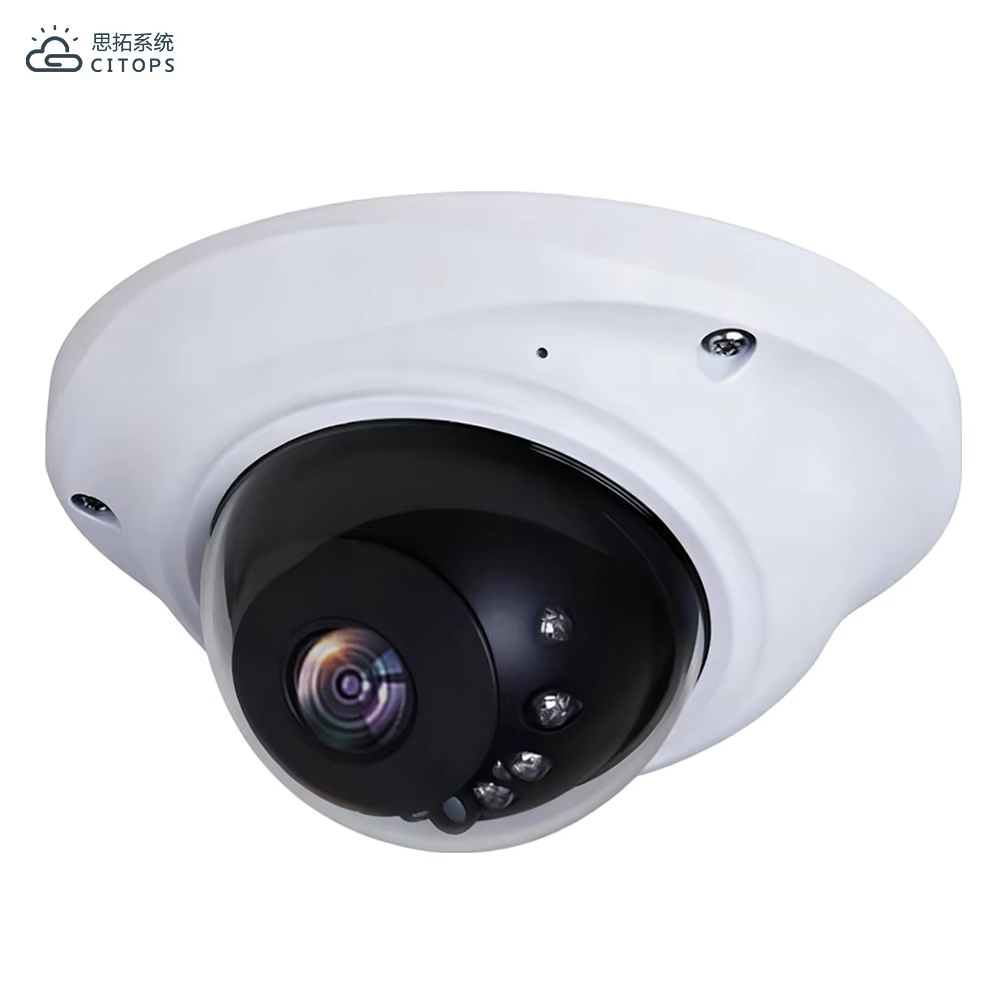
Delivering large-scale medical transportation efficiently
In the United States, a leading provider of non-emergency medical transportation and assisted mobility services needed to handle an enormous and constantly changing workload. Completing nearly 500,000 passenger trips per year is a massive undertaking for any medical transportation company, especially when every journey connects patients, hospitals, dialysis centers, assisted living facilities, home care organizations, and caregivers. Maintaining operational stability while keeping services punctual, safe, transparent, cost-efficient, and patient-focused is a challenge many transportation organizations struggle to solve. Before adopting the Citops medical transportation management system, this provider already had experience with fleet management tools, GPS tracking, and computer-assisted dispatch. However, as the scale of operations expanded across the entire state, traditional systems simply could not keep up. Medical transportation requires flexible scheduling, rapid routing adjustments, and continuous visibility into vehicles and patient needs. Without an integrated digital solution, dispatch teams face constant pressure, routes become inefficient, patient experiences suffer, and costs rise. By adopting Citops mdvr system, the provider implemented a comprehensive transportation management solution built specifically for large-scale medical transportation operations. This move allowed dispatch, routing, fleet oversight, and communication to shift from fragmented tools to a unified command platform that drives real performance improvement. Through intelligent algorithms, centralized data, real-time visibility, and operational management efficiently, the provider achieved reliability and efficiency at an industrial level—transforming the patient experience, strengthening collaboration with healthcare institutions, and ensuring the organization could continue scaling without sacrificing quality.
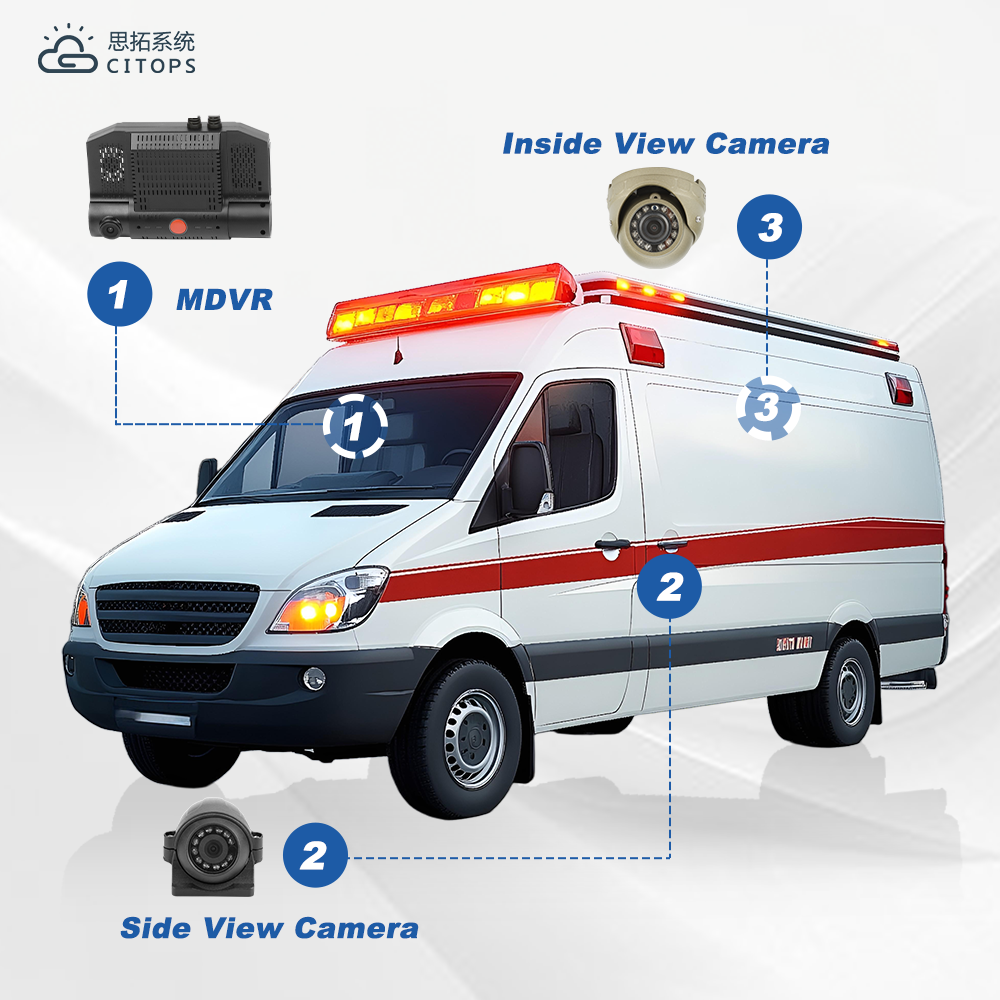
Citops management system helps large-scale medical transportation operate at industrial-grade reliability
Market coverage and service scale
The medical transportation provider operates across nearly the entire state, working closely with a wide range of healthcare organizations. These include major hospitals, rehabilitation centers, outpatient clinics, specialized treatment facilities, assisted living communities, hospice organizations, and home healthcare providers. This extensive ecosystem means that every day, thousands of transportation tasks originate from different medical settings, all with different scheduling patterns, appointment lengths, and patient needs. Some patients require recurring transportation multiple times per week, such as dialysis patients needing reliable movement from home to treatment center and back again. Others need flexible, on-demand scheduling based on sudden discharges, follow-up appointments, or inter-facility transfers. With nearly 500,000 completed transportation tasks per year, operational challenges compound rapidly. The provider needed a system capable of managing a large fleet, a high volume of requests, and a constantly shifting schedule while maintaining punctuality and consistency. Citops mdvr system offered an integrated digital operations cockpit that allows every vehicle, every route, and every transport assignment to be visible and manageable in real time.
Technology capability and operational transformation
Before adopting Citops MDVR management system, the organization already had GPS and dispatch software in place. However, as more vehicles were added and passenger volume increased, the limitations of separate tools became clear. Dispatchers could see where vehicles were located but lacked complete visibility into task execution, estimated arrival times, route delays, vehicle condition, or schedule conflicts. Without unified oversight, many decisions still relied heavily on human experience, which does not scale well in high-volume medical transportation environments. Citops transformed this model by delivering a full operational command Platform. Dispatch teams now have access to real-time fleet status, task progression, vehicle movement history, route performance data, and current task queues—presented in a unified interface. From a single screen, operators can instantly see which vehicles are completing tasks efficiently, which are approaching deadlines, and which require intervention. For a medical transportation provider, this creates a new level of reliability and consistency. Instead of reacting to problems after they happen, the organization can proactively adjust schedules, reassign vehicles, reroute based on traffic, or communicate updates to hospitals and passengers. The organization moved from working harder to working smarter, and its service now operates with the precision expected of mission-critical healthcare logistics.
Citops management system solves real operational challenges in medical transportation
Operational dispatch and complex scheduling
Medical transportation is fundamentally different from general commercial logistics. Every day brings a mix of recurring appointments, changing appointment durations, unpredictable discharges, and urgent inter-facility transfers. Without a sophisticated scheduling system, situations such as overlapping bookings, inefficient route assignments, or delayed pickups can quickly occur. For transportation organizations that rely only on manual scheduling or basic software, slow dispatch responses lead directly to wasted mileage, patient dissatisfaction, and financial inefficiency.
Citops Medical Transportation Management System addresses these operational challenges by centralizing all essential data—vehicle status, driver activity, route progress, passenger needs, and schedule updates—into one unified platform. Instead of dispatchers relying on scattered information or manual tracking, Citops system provides real-time insights and auto-generated summary reports that help teams make faster, more accurate decisions.When unexpected situations occur—such as patient delays, trip cancellations, or traffic disruptions—dispatchers can quickly evaluate the updated information on the platform and adjust routes or assignments accordingly. Citops system does not replace human decision-making; rather, it empowers operations teams with clearer visibility, timely alerts, and reliable data support.For providers managing large transport volumes, this level of transparency and data consolidation improves coordination, reduces communication gaps, and helps ensure that services remain consistent and on time throughout the day.
Centralized real-time monitoring and command
Non-emergency medical transportation involves more than just assigning a vehicle to a destination. Dispatchers must handle sudden traffic delays, vehicle breakdowns, patient readiness delays, weather disruptions, and medical updates. Without centralized oversight, reacting to each situation becomes slow and fragmented. Citops mdvr system gives dispatchers a unified command platform that monitors every vehicle, every ongoing task, and every route deviation. If a vehicle stops unexpectedly, takes too long to complete a route, or diverges from expected performance metrics, the system notifies operators immediately. This centralization creates a data-driven safety shield around transportation operations. Dispatch teams can redirect nearby vehicles, shift schedules, or communicate with medical facilities to adjust expectations. By having real-time information and triggers, the organization significantly reduces operational risk. Instead of merely tracking GPS dots on a map, dispatchers gain complete operational situational awareness. Medical transportation shifts from reactive to proactive, from manual to data-assisted, and from experience-dependent to repeatable and scalable.
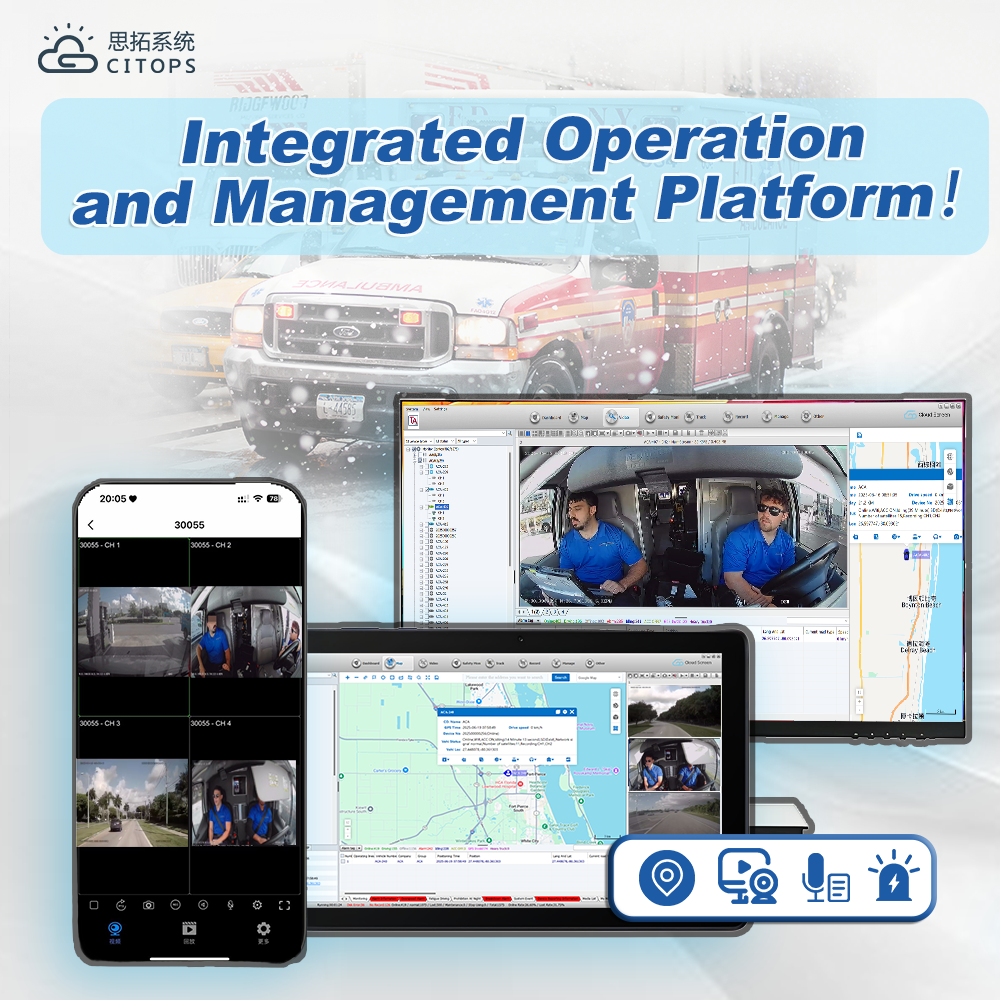
Citops medical transportation management system creates measurable improvements in efficiency, cost control, transparency, and service experience
Operational performance improvement
After adopting Citops mdvr solution, the medical transportation provider achieved significant gains across multiple operational dimensions. Vehicle utilization increased, meaning each vehicle completed more useful trips per day, reducing downtime and empty mileage. Dispatch processing time decreased, allowing dispatch teams to manage higher workloads without expanding personnel costs.For an organization completing nearly 500,000 tasks annually, accuracy is essential. Even a small percentage of scheduling failure can impact hundreds of patients. Citops mdvr system ensures every ride, every route, and every update is logged, monitored, and executed in a consistent and traceable manner. Transportation operations that once relied on institutional knowledge now run using standardized digital management. The result is reproducible performance, measurable KPIs, and operations that scale reliably with business growth.
Cost optimization and financial benefits
Transportation organizations operate under constant financial pressure. Fuel prices, maintenance costs, staffing expenses, and vehicle depreciation all influence profitability. Every extra kilometer traveled translates directly into unnecessary cost. Citops mdvr system addresses these economic pressures head-on by continuously refining routes and task assignments based on actual performance data. Vehicles spend less time running empty, fuel consumption decreases, and mechanical wear slows as more efficient paths are followed. By remotely dispatch, the organization can manage more tasks without proportional increases in operating headcount. Faster cycle times also increase the provider’s capacity to accept additional transportation requests, which translates into higher revenue without compromising service standards. With every improvement in efficiency, the business becomes more financially competitive while delivering higher reliability to passengers and medical partners.
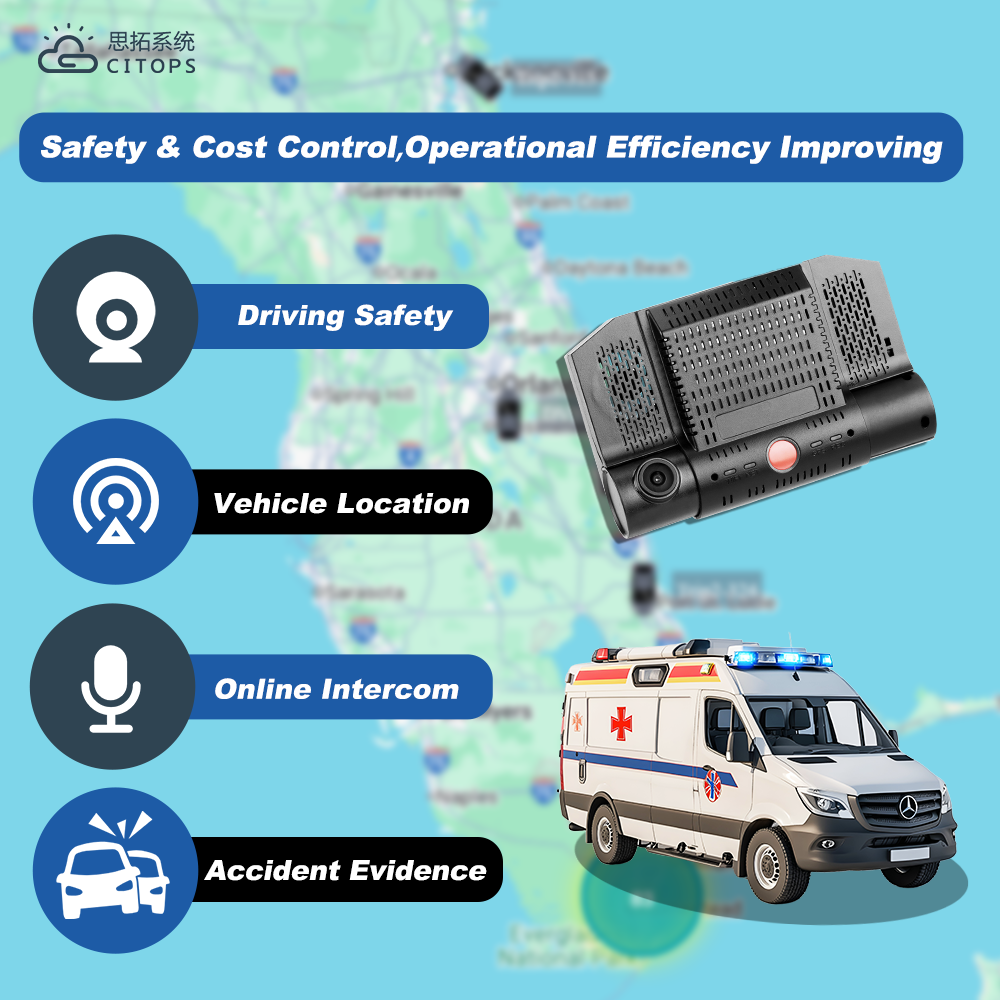
Citops mdvr management system enhances satisfaction and trust among patients and partner healthcare institutions
Passenger communication and appointment alignment
Patients often experience uncertainty during medical transportation, especially when they do not know precisely when the vehicle will arrive. Healthcare institutions also depend on accurate schedules to coordinate treatment rooms, nursing staff, and time-sensitive procedures. Citops medical transportation management system addresses these challenges by generating estimated arrival times based on real-time data. Patients receive updated timing notifications, reducing stress and helping them plan emotionally and physically for transport. Healthcare facilities can also prepare resources ahead of time, enabling seamless workflow from pickup to arrival to check-in. This experience improvement is especially valuable in medical scenarios where patients may be physically weak, anxious, or dependent on treatment with strict timing requirements. Through consistent and reliable communication enabled by Citops mdvr system, the transportation provider strengthens trust with both passengers and medical partners. The system creates a high-satisfaction “closed loop” experience where transportation supports—not disrupts—the medical care continuum.
Data-driven brand strengthening and market positioning
Consistent punctuality, operational transparency, and reliable execution naturally lead to stronger reputation and brand positioning. Many medical transportation companies struggle with service inconsistency as volume grows, but Citops mdvr solution ensures that high-scale operations retain high quality. When hospitals and care providers see dependable results, they increasingly prefer to collaborate long-term. Over time, this develops into a strategic market advantage that is difficult for competitors to replicate. In the healthcare service sector, reputation is a powerful differentiator. With Citops system, the provider not only expanded capacity but also delivered service excellence that reinforced its position as one of the most trusted transportation partners in the region. The trust earned from medical institutions, patients, and family members becomes a long-term asset that supports future business expansion and contract growth.
FAQ
How Citops mdvr management system improves efficiency in large-scale medical transportation
Citops medical transportation management system brings dispatching, routing, fleet monitoring, and real-time status tracking together into a single integrated platform. Instead of fragmented tools and manual decision-making, the organization benefits from data analysis optimization and centralized management that supports consistent performance even when handling large daily task volumes.
Advantages of Citops mdvr management system over basic GPS fleet management systems
Basic GPS tools only display vehicle locations. Citops medical transportation management system brings full operational context by combining trip status and timely alerts in one platform. Instead of just tracking movement, it helps teams understand what each transport is doing, what’s next, and where attention is needed, enabling more effective day-to-day management.
Importance of intelligent scheduling in medical transportation
Medical transportation demands rapid scheduling adjustments, high reliability, and strict timing. Manual scheduling becomes inefficient and error-prone at large volumes. Citops consolidates vehicle, route, and passenger data into a single platform and generates clear summary reports and suggested assignments, allowing dispatchers to make quicker, better-informed decisions while keeping human oversight at the center.
How Citops mdvr system enhances experience for patients and partnering hospitals
By centralizing real-time trip and vehicle information. With clearer visibility, dispatchers can provide more accurate arrival estimates and timely updates, helping hospitals prepare resources and reducing uncertainty for patients. This leads to smoother coordination, fewer delays, and a more reliable overall transport process.
Table of Contents
- Delivering large-scale medical transportation efficiently
- Citops management system helps large-scale medical transportation operate at industrial-grade reliability
- Citops management system solves real operational challenges in medical transportation
- Citops medical transportation management system creates measurable improvements in efficiency, cost control, transparency, and service experience
- Citops mdvr management system enhances satisfaction and trust among patients and partner healthcare institutions
-
FAQ
- How Citops mdvr management system improves efficiency in large-scale medical transportation
- Advantages of Citops mdvr management system over basic GPS fleet management systems
- Importance of intelligent scheduling in medical transportation
- How Citops mdvr system enhances experience for patients and partnering hospitals