
 EN
EN
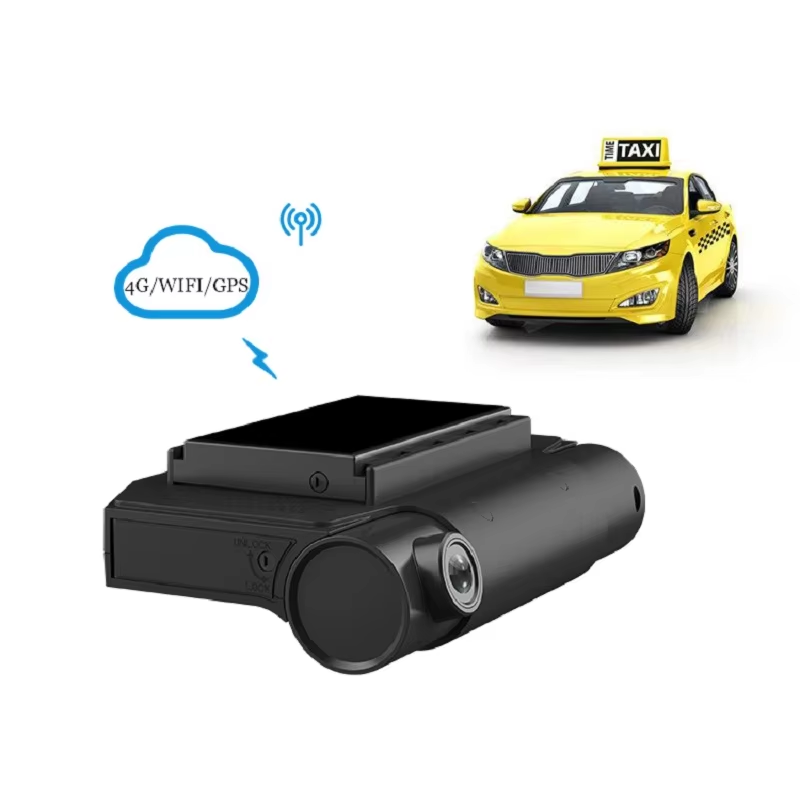
Public transportation fleets face unprecedented challenges in maintaining safety standards while managing operational efficiency. Modern transit authorities and fleet operators increasingly rely on advanced surveillance technologies to protect passengers, drivers, and valuable assets. Vehicle DVRs have emerged as a cornerstone technology that transforms how transportation companies approach safety management, incident prevention, and operational oversight. These sophisticated recording systems provide comprehensive monitoring capabilities that extend far beyond traditional security measures, offering real-time insights and evidence-based solutions for complex transportation challenges.
The integration of digital video recording technology in public transportation represents a paradigm shift toward proactive safety management. Fleet operators who implement comprehensive DVR solutions report significant improvements in incident response times, insurance claim processing, and overall operational transparency. These systems serve multiple stakeholders simultaneously, from transit authorities seeking regulatory compliance to passengers expecting enhanced security during their journeys. The technology continues evolving rapidly, incorporating artificial intelligence, cloud connectivity, and advanced analytics that provide actionable intelligence for fleet management decisions.
Understanding Vehicle DVR Technology in Transportation Fleets
Core Components and System Architecture
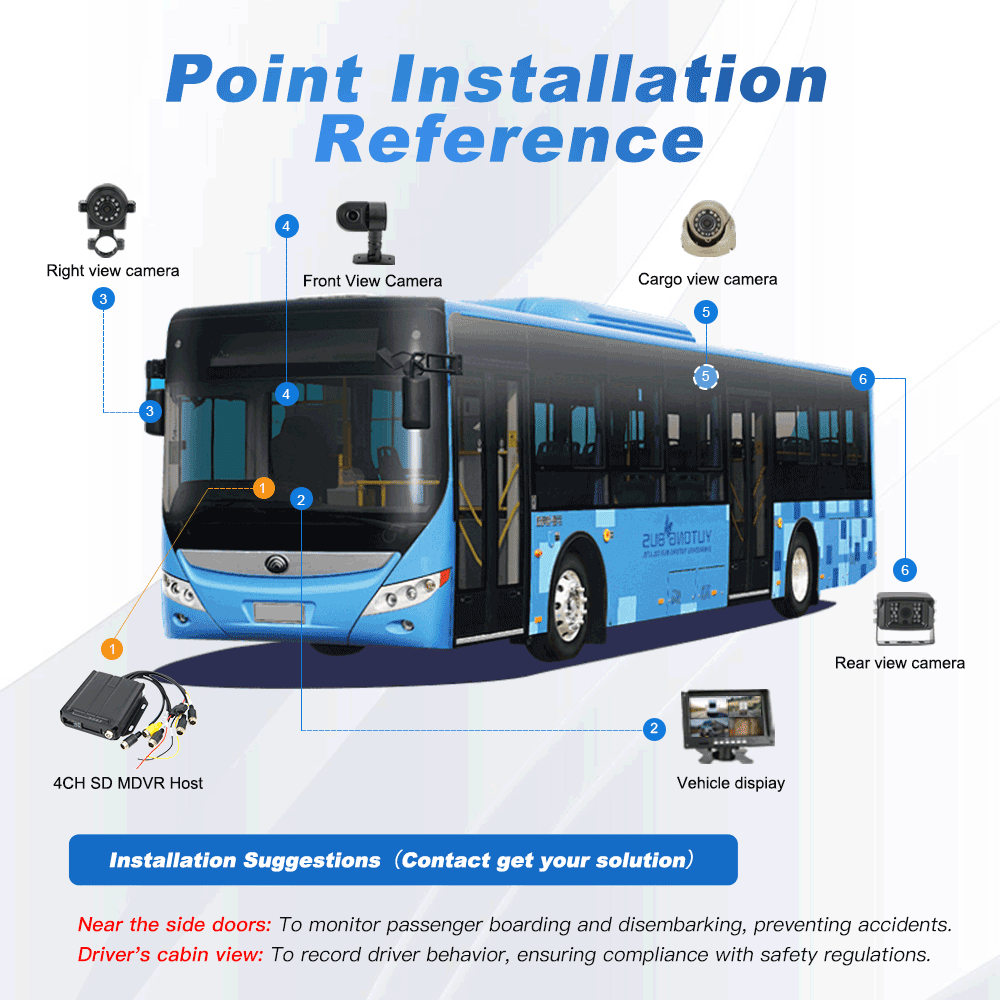
Modern vehicle DVR systems comprise multiple integrated components designed to capture, store, and transmit critical footage from various vehicle locations. The central recording unit typically features multiple channel inputs supporting both interior and exterior cameras, allowing comprehensive coverage of passenger areas, driver compartments, and surrounding traffic conditions. High-definition cameras with night vision capabilities ensure clear footage regardless of lighting conditions or weather circumstances. Storage solutions range from local hard drives to cloud-based systems, providing flexible data management options that accommodate different fleet sizes and operational requirements.
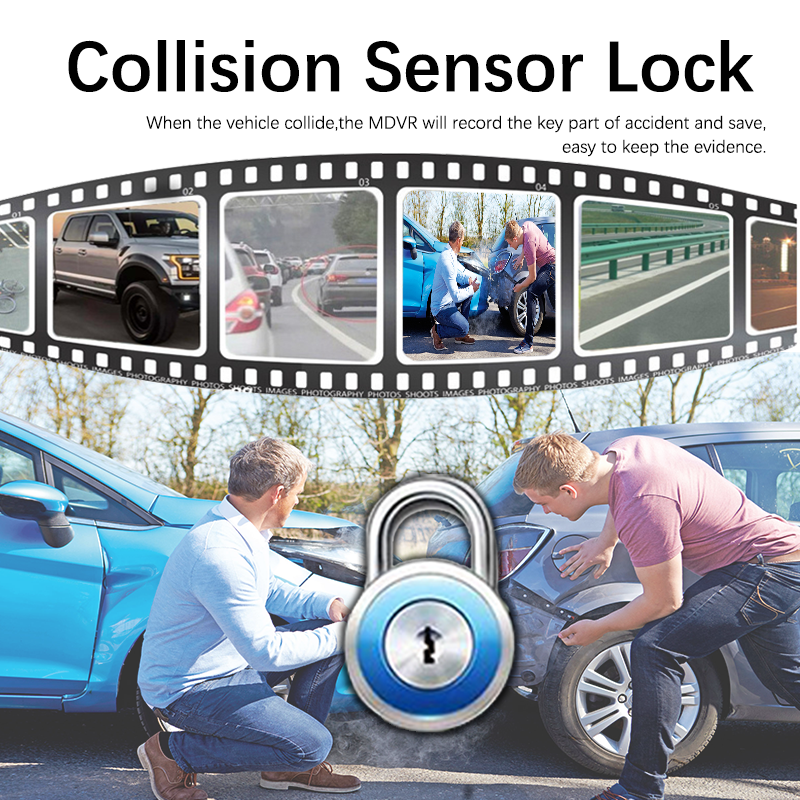
Advanced vehicle DVR configurations include GPS tracking modules that synchronize location data with video footage, creating comprehensive incident documentation that proves invaluable during investigations or legal proceedings. Network connectivity features enable real-time monitoring capabilities, allowing fleet managers to access live feeds remotely and respond immediately to emerging situations. The integration of multiple sensor inputs, including accelerometers and impact detection systems, triggers automatic recording during critical events, ensuring no important incidents go undocumented.
Integration with Fleet Management Systems
Successful DVR implementation requires seamless integration with existing fleet management infrastructure to maximize operational benefits. Modern systems communicate with dispatch software, maintenance scheduling platforms, and driver management applications to provide holistic operational oversight. This integration enables automated reporting features that reduce administrative burden while improving compliance with safety regulations and insurance requirements. Fleet operators can configure custom alert systems that notify management teams immediately when specific events occur, such as harsh braking, unauthorized vehicle access, or passenger disturbances.
The data collected by integrated DVR systems supports predictive maintenance programs by identifying patterns that indicate potential mechanical issues or driver behavior concerns. Advanced analytics platforms process video data alongside operational metrics to generate comprehensive performance reports that inform strategic decision-making. These integrated approaches help transportation companies optimize routes, improve fuel efficiency, and enhance overall service quality while maintaining rigorous safety standards.
Enhancing Passenger Safety Through Comprehensive Monitoring
Real-Time Incident Detection and Response
Vehicle DVRs equipped with intelligent monitoring capabilities can detect unusual activities or potential safety threats in real-time, enabling immediate intervention when necessary. Advanced motion detection algorithms identify aggressive behavior, medical emergencies, or security threats, automatically alerting both drivers and dispatch centers to facilitate rapid response. These proactive monitoring capabilities significantly reduce response times during critical incidents, potentially preventing minor situations from escalating into serious safety concerns or emergency situations requiring extensive resources.
The psychological deterrent effect of visible camera systems contributes substantially to maintaining order and reducing antisocial behavior aboard public transportation vehicles. Studies consistently demonstrate that passengers exhibit more respectful behavior when they know their actions are being recorded, leading to fewer incidents of harassment, vandalism, or violence. This improved behavioral environment benefits all passengers by creating safer, more comfortable travel experiences that encourage continued use of public transportation services.
Evidence Collection and Legal Protection
Comprehensive video documentation provides transportation authorities with crucial evidence during legal proceedings, insurance claims, or regulatory investigations. High-quality footage captured by professional-grade DVR systems can definitively establish facts surrounding incidents, protecting both operators and passengers from false accusations or fraudulent claims. This evidence proves particularly valuable in cases involving passenger injuries, property damage, or disputes between passengers and drivers, where objective video documentation can resolve conflicts quickly and fairly.
The availability of detailed video evidence often expedites insurance claim processing and reduces associated costs by eliminating lengthy investigations or disputed settlements. Transportation companies report significant savings in legal fees and insurance premiums when they can provide clear, timestamped video evidence supporting their position in claims or litigation. This financial protection extends beyond immediate cost savings to include reduced liability exposure and improved relationships with insurance providers who value the risk mitigation provided by comprehensive surveillance systems.
Driver Protection and Performance Monitoring
Safeguarding Transportation Professionals
Professional drivers face unique safety challenges while operating public transportation vehicles, including potential confrontations with passengers, traffic-related incidents, and accusations of misconduct or negligence. Vehicle DVRs provide essential protection for drivers by documenting their professional conduct and providing objective evidence of their adherence to safety protocols and company policies. This protection proves invaluable when drivers face false accusations or when incidents occur that require detailed investigation to determine appropriate responsibility and liability.
The presence of recording systems also helps maintain professional standards by encouraging consistent adherence to safety procedures and customer service protocols. Drivers report feeling more secure knowing that their professional conduct is documented, particularly when dealing with difficult passengers or challenging traffic situations. This increased confidence translates into better job performance and reduced stress levels, contributing to lower turnover rates and improved service quality across the entire fleet operation.
Performance Analysis and Training Enhancement
Recorded footage serves as an invaluable training resource for developing driver skills and improving operational procedures. Fleet managers can review actual incidents to identify best practices, highlight areas needing improvement, and develop targeted training programs based on real-world scenarios. This evidence-based approach to driver development proves more effective than theoretical training alone, as drivers can observe actual situations and learn from both positive examples and mistakes made by their colleagues.
Advanced analytics platforms can analyze driving patterns, customer interactions, and adherence to safety protocols to generate comprehensive performance reports for individual drivers. These objective assessments support fair and transparent performance evaluation processes while identifying opportunities for professional development. The data-driven approach to performance management helps create more effective training programs and ensures that all drivers receive appropriate support to excel in their roles.
Operational Efficiency and Cost Reduction Benefits
Streamlined Incident Investigation Processes
Traditional incident investigation methods often require extensive time and resources to gather witness statements, reconstruct events, and determine accurate timelines. Vehicle DVRs dramatically reduce investigation time by providing immediate access to comprehensive video documentation that clearly shows what occurred during any incident. This efficiency allows management teams to focus resources on resolution and prevention rather than spending weeks gathering basic factual information about what transpired.
The improved investigation efficiency translates directly into cost savings through reduced administrative overhead and faster claim resolution. Transportation companies can process insurance claims more quickly, resolve passenger complaints efficiently, and address safety concerns promptly rather than allowing issues to persist due to lengthy investigation processes. This operational efficiency improves customer satisfaction while reducing the financial impact of incidents on overall fleet operations.
Insurance Premium Reductions and Risk Mitigation
Insurance providers increasingly recognize the risk mitigation value of comprehensive vehicle surveillance systems, often offering premium reductions for fleets that implement professional-grade DVR solutions. The documented evidence of safety measures and incident management capabilities demonstrates to insurers that transportation companies are actively working to reduce risk exposure and improve safety outcomes. These premium reductions can offset equipment costs while providing ongoing financial benefits throughout the system's operational lifetime.
Beyond direct premium savings, DVR systems help prevent fraudulent claims that can significantly impact insurance costs over time. Clear video evidence prevents successful pursuit of false injury claims, property damage disputes, or other fraudulent activities that might otherwise result in substantial financial losses. The deterrent effect of visible surveillance systems also reduces the likelihood that individuals will attempt fraudulent activities, further protecting transportation companies from unnecessary financial exposure.
Advanced Features and Future Technology Integration
Artificial Intelligence and Automated Analytics
Next-generation vehicle DVRs incorporate artificial intelligence capabilities that automatically analyze video footage to identify potential safety concerns, unusual patterns, or compliance violations. These intelligent systems can detect everything from unauthorized smoking to aggressive passenger behavior, generating real-time alerts that enable immediate intervention. Machine learning algorithms continuously improve detection accuracy by analyzing historical data patterns and adapting to new threat profiles or operational challenges.
Advanced analytics platforms process vast amounts of video data to generate actionable insights about operational efficiency, safety trends, and customer behavior patterns. These insights help fleet managers make informed decisions about route optimization, staffing levels, and safety protocol improvements. The automated analysis capabilities reduce the manual review burden on supervisory staff while ensuring that critical incidents receive immediate attention and appropriate response.
Cloud Integration and Remote Monitoring Capabilities
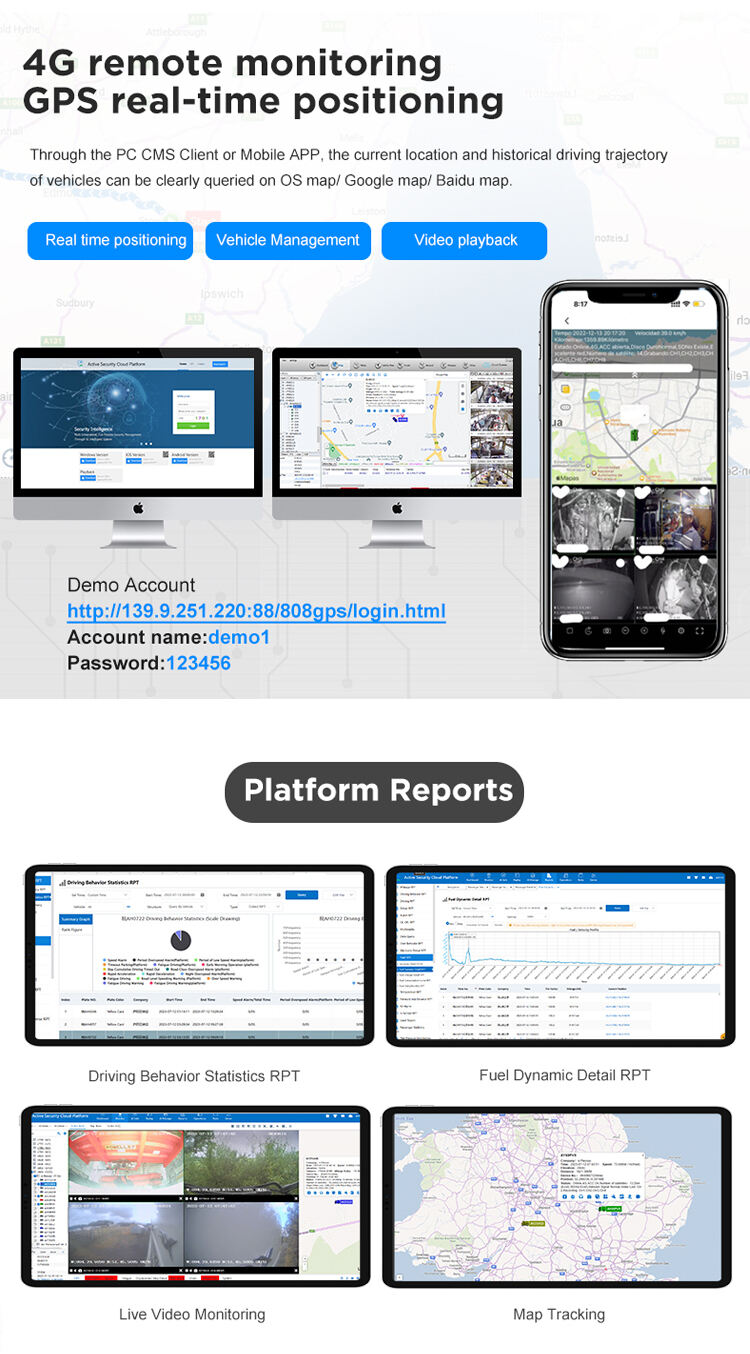
Modern DVR systems leverage cloud technology to provide fleet managers with remote access to live feeds and recorded footage from any location with internet connectivity. This capability proves essential for large transportation networks that operate across multiple locations or for managers who need to respond to incidents outside normal business hours. Cloud storage solutions also provide secure, redundant backup systems that protect critical footage from local hardware failures or tampering attempts.
The integration of cloud-based analytics platforms enables fleet operators to aggregate data from multiple vehicles and locations to identify system-wide trends and operational opportunities. Centralized monitoring capabilities allow management teams to maintain oversight of entire fleets simultaneously while receiving automated alerts about incidents or maintenance needs across all vehicles. This comprehensive visibility supports more effective resource allocation and strategic planning for transportation operations.
FAQ
How do vehicle DVRs specifically reduce liability exposure for transportation companies
Vehicle DVRs reduce liability exposure by providing objective video evidence that documents actual events rather than relying on conflicting witness accounts or subjective interpretations. When accidents, passenger incidents, or property damage claims occur, clear video footage can definitively establish facts and protect companies from false or exaggerated claims. The systems also demonstrate that transportation companies are taking proactive safety measures, which courts and insurance companies view favorably when assessing liability and damages.
What storage capacity and retention periods are recommended for public transportation DVR systems
Storage requirements vary based on fleet size, camera resolution, and regulatory requirements, but most transportation authorities recommend minimum 30-day retention periods with the capability to extend storage for incidents under investigation. High-definition multi-camera systems typically require 1-2 terabytes of storage per vehicle for monthly retention. Cloud-based solutions offer scalable storage options that can accommodate varying needs while providing secure backup capabilities that protect against local hardware failures.
Can vehicle DVR footage be accessed remotely and how secure are these systems
Modern vehicle DVR systems support secure remote access through encrypted connections that allow authorized personnel to view live feeds or review recorded footage from any location. Security features include multi-factor authentication, role-based access controls, and encrypted data transmission to prevent unauthorized access. Many systems also include audit trails that track all access attempts and footage reviews, ensuring accountability and compliance with privacy regulations.
How do vehicle DVRs integrate with existing fleet management and dispatch systems
Vehicle DVRs integrate with fleet management systems through standardized communication protocols that allow data sharing between platforms. GPS coordinates from DVR systems can synchronize with dispatch software to provide location-aware incident reporting, while maintenance scheduling systems can receive alerts about potential mechanical issues detected through video analysis. This integration creates comprehensive operational dashboards that combine video surveillance data with route information, driver performance metrics, and maintenance schedules for holistic fleet oversight.
Table of Contents
- Understanding Vehicle DVR Technology in Transportation Fleets
- Enhancing Passenger Safety Through Comprehensive Monitoring
- Driver Protection and Performance Monitoring
- Operational Efficiency and Cost Reduction Benefits
- Advanced Features and Future Technology Integration
-
FAQ
- How do vehicle DVRs specifically reduce liability exposure for transportation companies
- What storage capacity and retention periods are recommended for public transportation DVR systems
- Can vehicle DVR footage be accessed remotely and how secure are these systems
- How do vehicle DVRs integrate with existing fleet management and dispatch systems