
 EN
EN
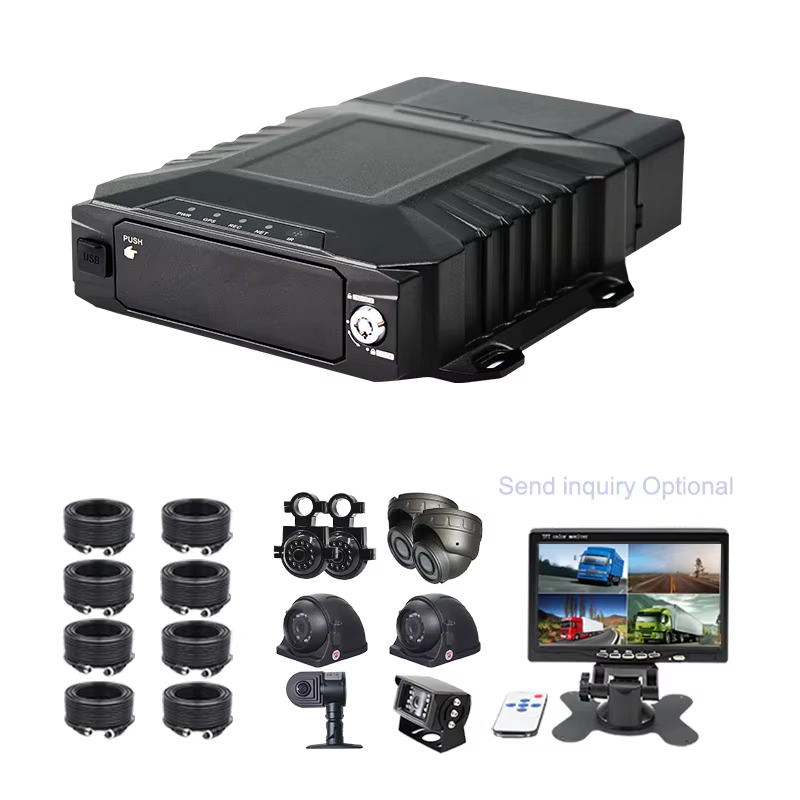
Commercial truck fleets face unprecedented safety challenges in today's demanding transportation environment. With increasing traffic density, complex urban navigation requirements, and stringent regulatory compliance standards, fleet operators must leverage advanced technology solutions to protect drivers, cargo, and other road users. Modern windshield cameras represent a revolutionary approach to fleet safety management, offering comprehensive monitoring capabilities that extend far beyond traditional dashboard recording systems. These sophisticated devices provide real-time visibility into critical driving scenarios while simultaneously addressing the persistent challenge of blind spot monitoring that has long plagued heavy-duty vehicle operations.
Advanced Fleet Safety Technology Integration
Multi-Channel Video Recording Systems
Contemporary windshield cameras incorporate multi-channel recording capabilities that capture simultaneous footage from multiple vehicle perspectives. These systems typically feature four or more high-definition channels that monitor front-facing road conditions, driver cabin behavior, side mirror areas, and rear cargo zones. The integration of AHD video technology ensures crystal-clear recording quality even in challenging lighting conditions, providing fleet managers with detailed evidence for incident analysis and driver training programs.
Professional-grade recording systems maintain continuous operation throughout extended driving periods, automatically managing storage capacity through intelligent loop recording protocols. Advanced compression algorithms optimize file sizes while preserving critical visual details necessary for insurance claims, regulatory compliance, and safety investigations. Fleet operators benefit from standardized recording formats that integrate seamlessly with existing fleet management software platforms.
Real-Time Driver Assistance Features
Modern windshield cameras function as comprehensive driver assistance platforms rather than passive recording devices. Integrated collision detection algorithms analyze approaching vehicle speeds and distances, providing audible warnings when potential impact scenarios develop. Lane departure monitoring systems track vehicle positioning relative to road markings, alerting drivers when unintentional lane changes occur without proper signaling.
Fatigue detection capabilities monitor driver eye movement patterns and head positioning to identify signs of drowsiness or distraction. These systems activate immediate alerts through multiple sensory channels, including audible alarms, dashboard indicator lights, and vibrating seat mechanisms. Fleet managers receive real-time notifications when driver assistance events occur, enabling proactive intervention and coaching opportunities.
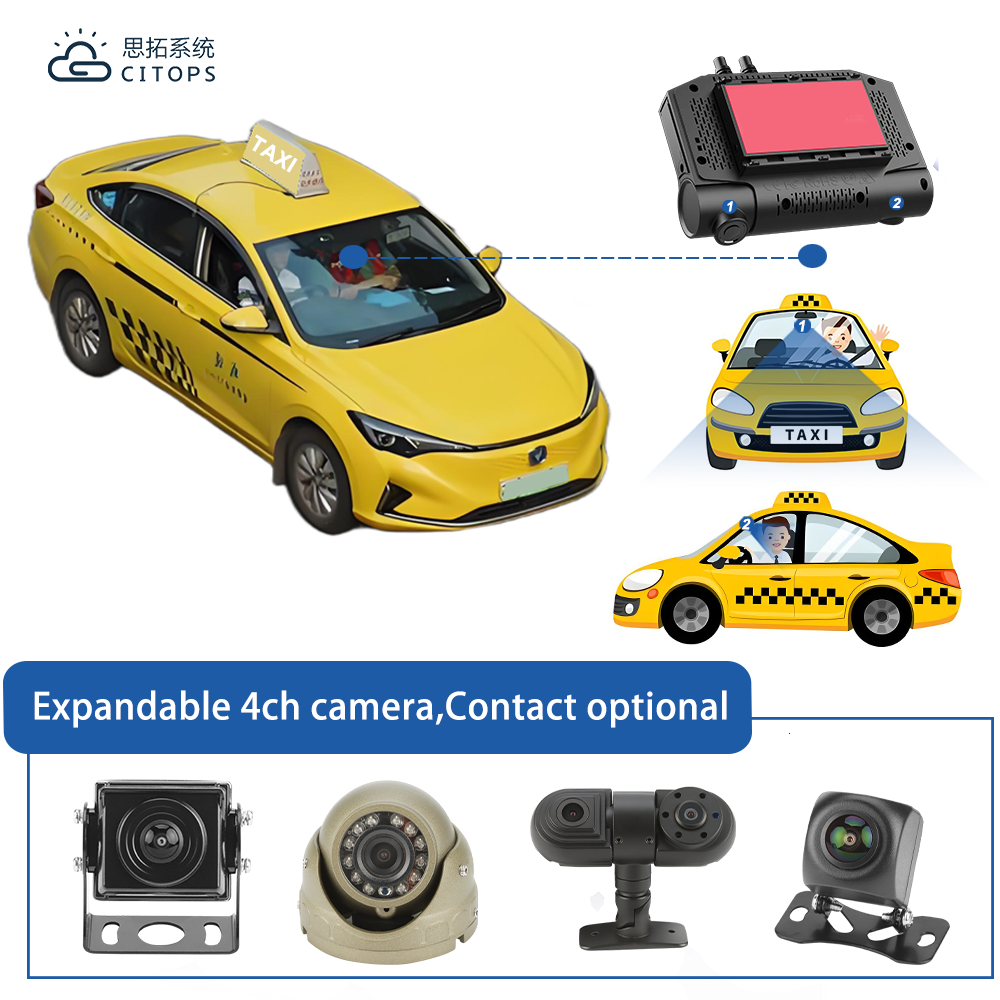
Comprehensive Blind Spot Elimination Strategies
Integrated Monitoring Display Technology
Traditional mirror systems create dangerous visibility gaps around large commercial vehicles, particularly during lane changes, backing maneuvers, and tight turning scenarios. Windshield cameras equipped with dedicated blind spot monitoring displays eliminate these hazardous zones through strategic camera placement and real-time video feeds. High-resolution displays mounted within the driver's natural sight lines provide continuous visibility into previously hidden areas surrounding the vehicle.
Advanced display systems utilize split-screen configurations that simultaneously show multiple blind spot zones without overwhelming the driver's attention. Automatic switching protocols activate specific camera feeds based on vehicle operations, such as displaying rear-view cameras during reverse gear engagement or side cameras during turn signal activation. These intelligent systems reduce cognitive load while maximizing situational awareness throughout complex driving maneuvers.
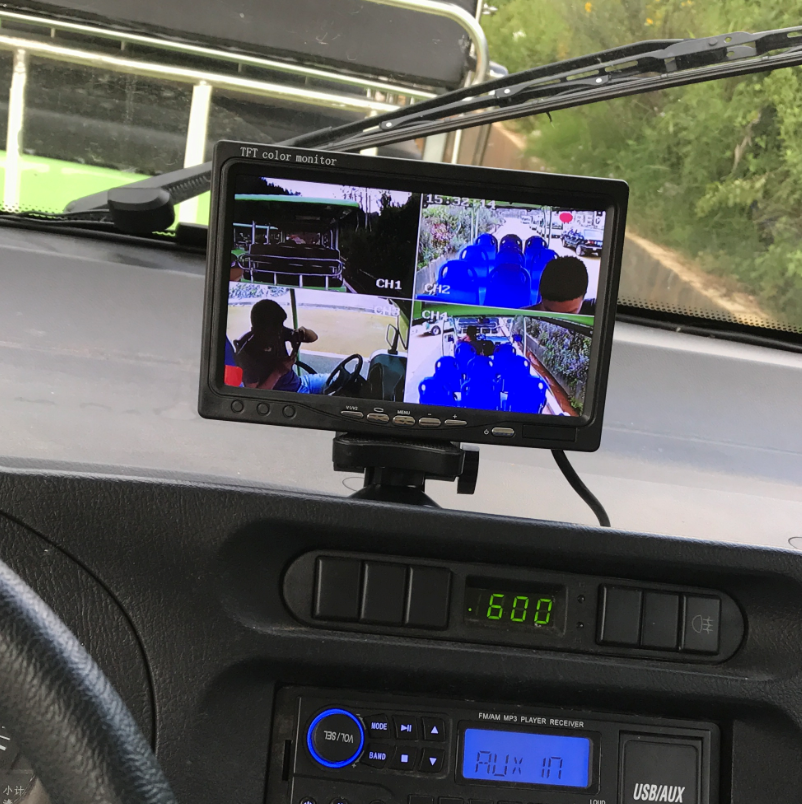
Voice and Light Alarm Integration
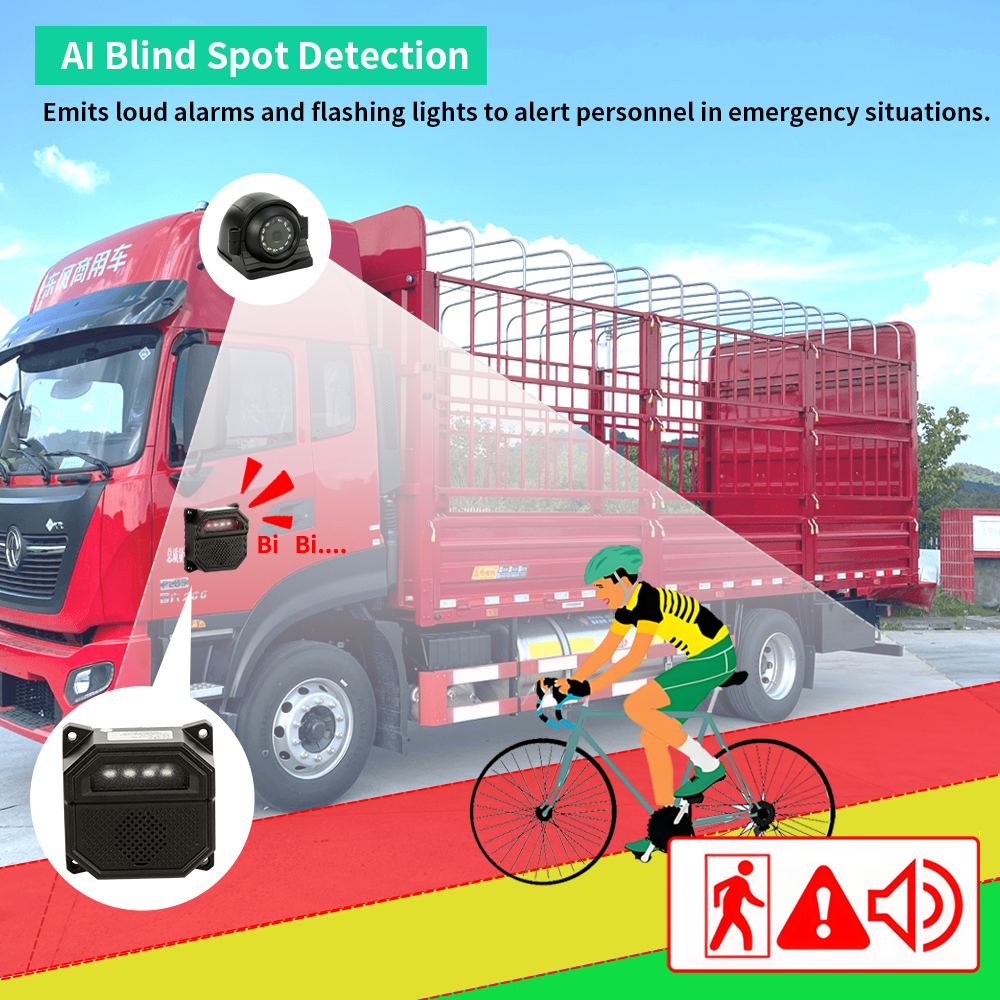
Sophisticated windshield cameras incorporate multi-modal warning systems that engage drivers through auditory and visual alert mechanisms. Voice announcement systems provide clear, multilingual warnings when objects enter designated blind spot zones, ensuring driver awareness regardless of ambient noise levels or hearing protection equipment. Customizable warning phrases adapt to specific fleet operations, delivering contextually appropriate safety messages.
LED indicator arrays positioned strategically throughout the vehicle cabin provide immediate visual confirmation of potential hazards detected by blind spot monitoring systems. Color-coded warning protocols differentiate between various threat levels, enabling drivers to assess situation severity and respond appropriately. Integration with vehicle lighting systems extends warning capabilities to external observers, enhancing overall road safety for surrounding traffic participants.
Fleet Management and Operational Benefits
Insurance Premium Reduction Opportunities
Commercial insurance providers increasingly recognize the value of comprehensive vehicle monitoring systems in reducing claim frequency and severity. Fleet operators implementing windshield cameras with blind spot monitoring capabilities often qualify for significant premium discounts based on demonstrated commitment to proactive safety management. Insurance companies value the detailed incident documentation capabilities that these systems provide, streamlining claim processing and reducing fraudulent claims.
Telematics integration allows insurance providers to access real-time driving behavior data, enabling usage-based insurance models that reward safe driving practices with reduced premiums. Fleet managers can leverage this data to implement targeted driver training programs that address specific risk factors identified through camera system analytics. The resulting improvements in safety scores translate directly into long-term insurance cost savings.
Regulatory Compliance and Documentation
Transportation regulatory agencies mandate comprehensive safety protocols for commercial vehicle operations, including detailed incident reporting and driver behavior monitoring requirements. Windshield cameras provide automated compliance documentation that satisfies regulatory inspection requirements while reducing administrative burden on fleet management personnel. Standardized recording formats ensure compatibility with regulatory submission systems across different jurisdictions.
Electronic logging device integration connects camera systems with mandatory hours-of-service tracking, creating comprehensive operational records that demonstrate regulatory compliance. Automated timestamp synchronization ensures accurate correlation between driving events and regulatory status, simplifying audit processes and reducing compliance violations. Fleet operators benefit from streamlined reporting procedures that minimize regulatory risk exposure.
Technology Specifications and Implementation
Hardware Requirements and Installation
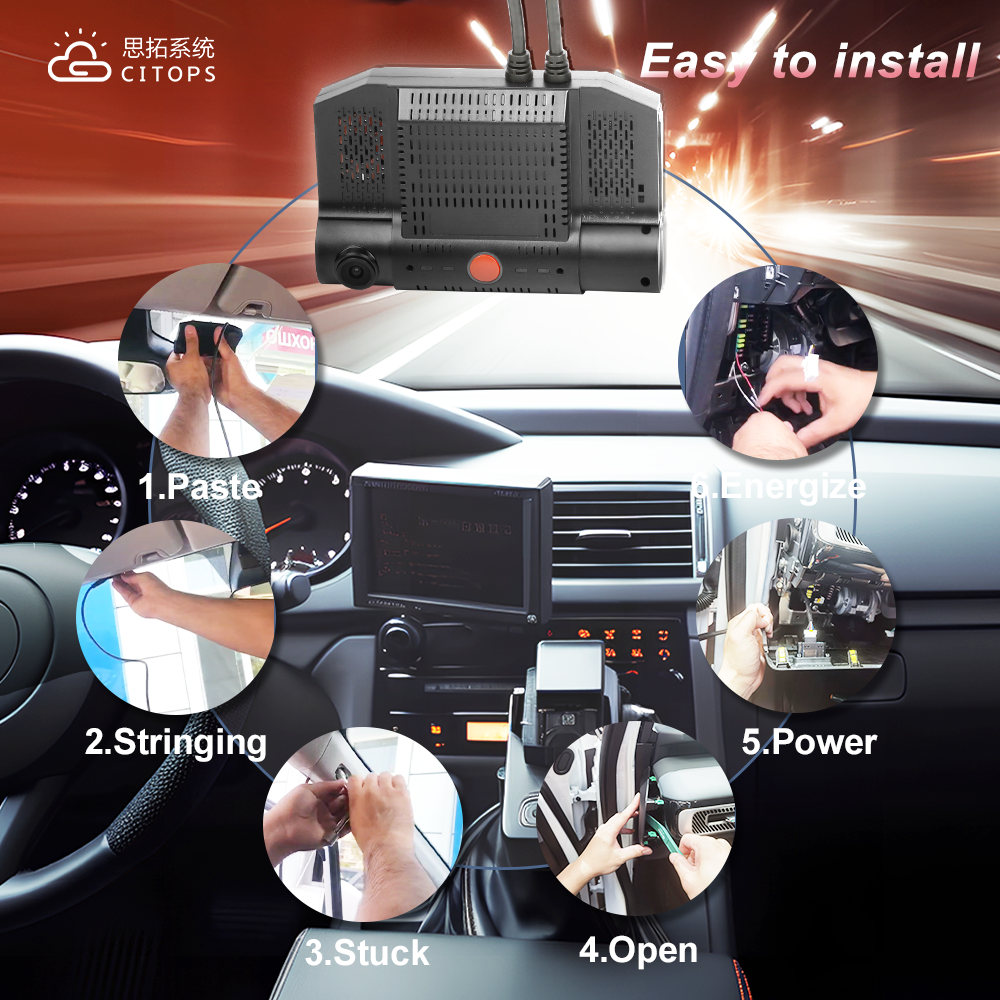
Professional windshield camera installations require specialized mounting hardware designed to withstand the demanding operational environment of commercial vehicles. Vibration-resistant mounting systems ensure stable camera positioning despite constant road shock and vehicle movement. Weather-sealed enclosures protect sensitive electronic components from moisture, dust, and temperature extremes commonly encountered in fleet operations.
Power management systems integrate with vehicle electrical systems to provide uninterrupted operation throughout extended driving periods. Backup battery systems maintain critical monitoring functions during engine shutdown periods, ensuring continuous security surveillance in loading docks and overnight parking locations. Intelligent power management protocols optimize energy consumption while maintaining full operational capability.
Software Integration and Data Management
Cloud-based data management platforms enable remote access to recorded footage and real-time monitoring capabilities from centralized fleet management facilities. Secure data transmission protocols protect sensitive operational information while enabling authorized personnel to access critical safety data from any internet-connected device. Automated backup systems ensure data integrity and availability for insurance claims and regulatory investigations.
Machine learning algorithms analyze recorded footage to identify patterns in driving behavior, road conditions, and incident frequency. Predictive analytics capabilities enable fleet managers to proactively address emerging safety risks before they result in accidents or regulatory violations. Integration with existing fleet management software creates comprehensive operational dashboards that consolidate safety metrics with traditional performance indicators.
FAQ
What types of commercial vehicles benefit most from windshield camera systems?
Windshield cameras provide significant safety benefits for all types of commercial vehicles, with particularly pronounced advantages for large trucks, buses, school transport vehicles, and forklifts operating in confined spaces. Vehicles with extensive blind spot areas, those operating in urban environments with heavy pedestrian traffic, and fleets with high insurance costs see the greatest return on investment from comprehensive camera system implementations.
How do windshield cameras integrate with existing fleet management technology?
Modern windshield cameras utilize standardized communication protocols that enable seamless integration with existing telematics systems, GPS tracking platforms, and fleet management software. API connections allow real-time data sharing between camera systems and central management platforms, creating unified operational dashboards that combine safety metrics with traditional performance indicators. Most systems support popular fleet management software through plug-and-play integration modules.
What maintenance requirements do windshield camera systems have?
Windshield camera systems require minimal routine maintenance, primarily consisting of lens cleaning, periodic software updates, and storage system management. Professional installations include weatherproof housings that protect internal components from environmental damage, reducing maintenance frequency. Most systems feature self-diagnostic capabilities that alert fleet managers to potential issues before they affect operational performance, enabling proactive maintenance scheduling.
How does blind spot monitoring technology improve driver training programs?
Blind spot monitoring systems generate detailed analytics on driver behavior patterns, near-miss incidents, and situational awareness performance. Fleet managers can use this data to identify specific drivers who would benefit from additional training and create customized improvement programs based on actual performance metrics. Video footage from training scenarios provides concrete examples for coaching sessions, making driver education more effective and measurable.