
 EN
EN
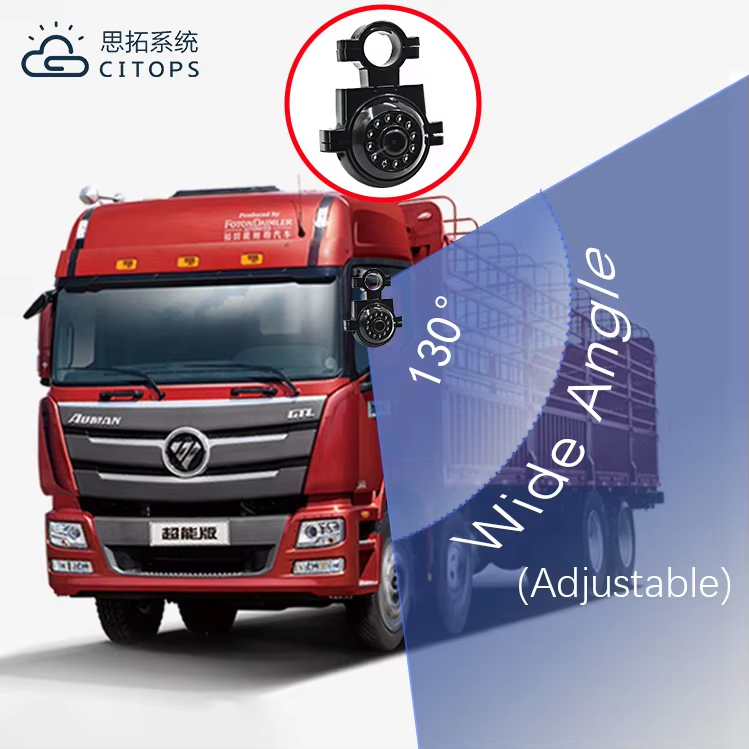
Truck drivers face significant safety challenges every day, with blind-spot accidents representing one of the most serious risks on modern roadways. Large commercial vehicles inherently create substantial blind spots around their perimeter, making it difficult for drivers to detect pedestrians, cyclists, and smaller vehicles. Advanced safety technology has emerged as a crucial solution to this problem, with side view cameras leading the charge in accident prevention and enhanced driver awareness.
The trucking industry has witnessed remarkable technological advancement in recent years, particularly in safety equipment designed to protect both drivers and other road users. These innovations have become increasingly important as traffic density continues to grow and commercial vehicle operations expand into more congested urban environments. Fleet operators and owner-operators alike are recognizing the value of investing in comprehensive safety systems that can prevent accidents and reduce liability exposure.
Understanding Truck Blind Spots and Their Dangers
The Anatomy of Truck Blind Spots
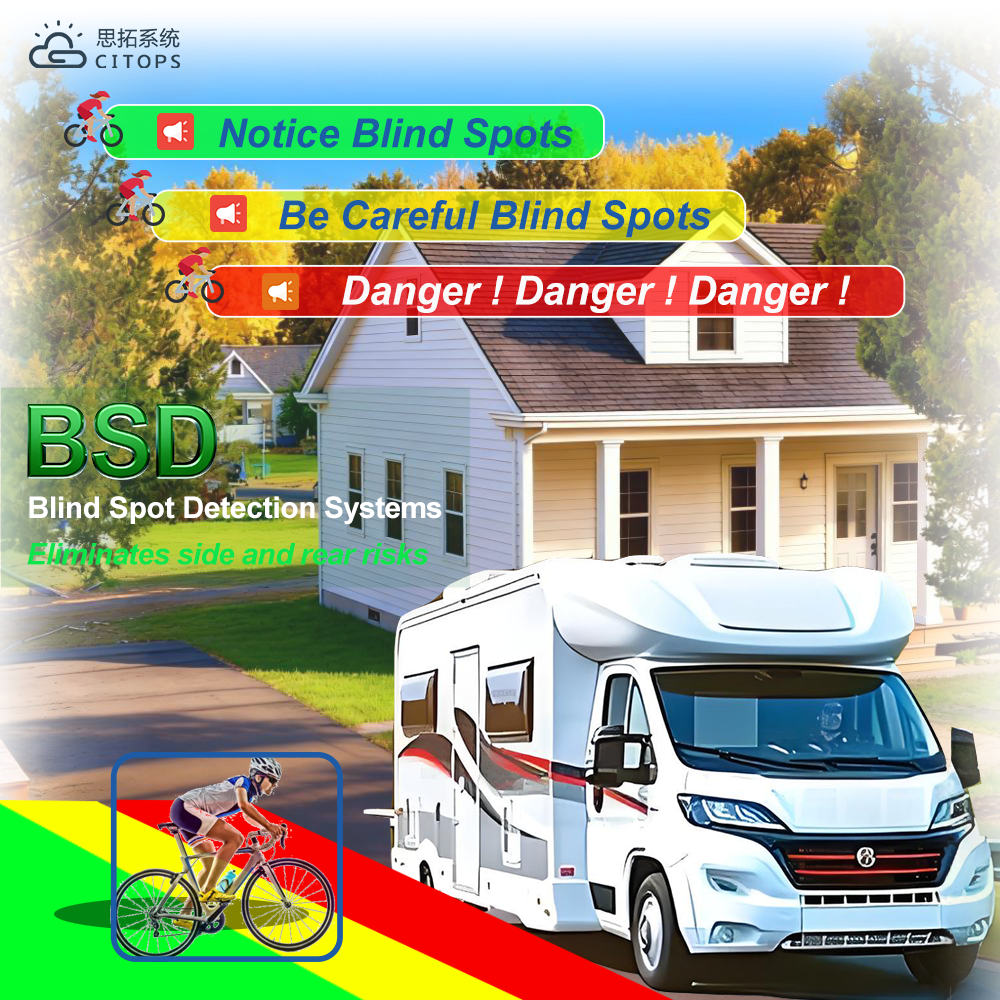
Commercial trucks and large buses create multiple blind-spot zones due to their size and design configuration. The most dangerous areas include the immediate sides of the vehicle, extending approximately 20 feet forward and 200 feet behind the trailer. These zones can completely obscure entire passenger vehicles from the driver's view, creating potentially fatal situations during lane changes or turns. The right side blind spot is particularly hazardous, as it extends much wider than the left side and can hide multiple vehicles simultaneously.
Traditional mirrors, while helpful, cannot eliminate these blind spots entirely due to physical limitations and positioning constraints. The curved nature of convex mirrors can distort distance perception, making it difficult for drivers to accurately judge the proximity of nearby objects or vehicles. Weather conditions such as rain, snow, or fog can further reduce mirror effectiveness, creating even more dangerous driving conditions for commercial vehicle operators.
Statistical Impact of Blind-Spot Accidents
Federal Motor Carrier Safety Administration data reveals that blind-spot related accidents account for a significant percentage of commercial vehicle collisions annually. These incidents often result in severe injuries or fatalities, particularly when involving vulnerable road users such as pedestrians and cyclists. The economic impact extends beyond immediate medical costs, encompassing property damage, legal expenses, increased insurance premiums, and potential regulatory violations that can affect a company's safety rating.
Insurance companies have increasingly recognized the correlation between blind-spot accidents and claim severity, leading many to offer premium discounts for fleets that install comprehensive camera systems. The total cost of a single blind-spot accident can easily exceed the investment required for complete vehicle safety system upgrades, making prevention through technology an economically sound decision for most commercial operations.
How Side View Camera Technology Works
Camera System Components and Design
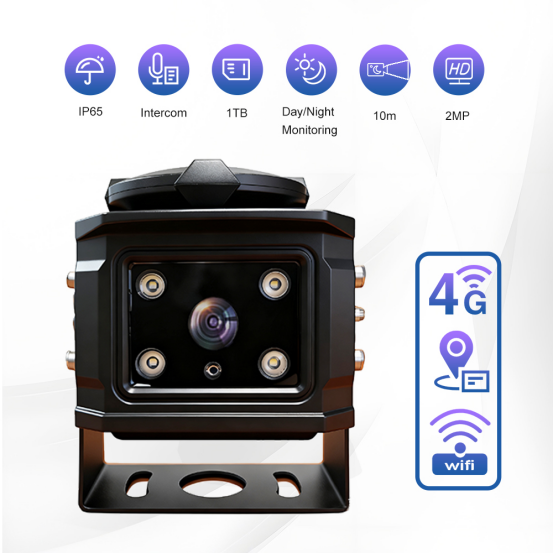
Modern side view cameras utilize high-definition imaging technology combined with wide-angle lenses to capture comprehensive views of previously hidden areas around commercial vehicles. These systems typically feature weatherproof housing designed to withstand harsh operating conditions, including extreme temperatures, moisture, vibration, and road debris. Advanced models incorporate infrared night vision capabilities, ensuring optimal visibility during low-light conditions or nighttime operations.
The camera units connect to in-cab display monitors through durable wiring harnesses designed for commercial vehicle applications. Many systems offer multiple viewing options, including split-screen displays that can show feeds from several cameras simultaneously. Installation typically involves mounting cameras at strategic positions on the vehicle exterior, with displays positioned within the driver's natural line of sight to minimize distraction while providing essential safety information.
Real-Time Monitoring and Alert Systems
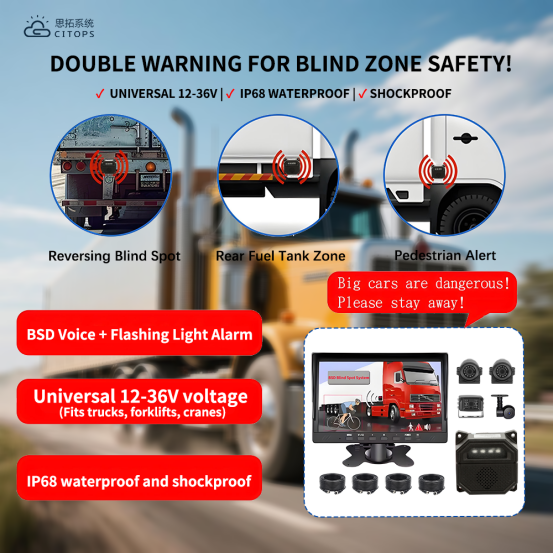
Contemporary camera systems often integrate motion detection and proximity sensors that can alert drivers to potential hazards in real-time. These smart features help differentiate between stationary objects and moving threats, reducing false alarms while ensuring critical warnings reach drivers when needed most. Audio alerts, visual indicators, and haptic feedback systems work together to create multiple sensory notifications that can penetrate through cab noise and driver distraction.
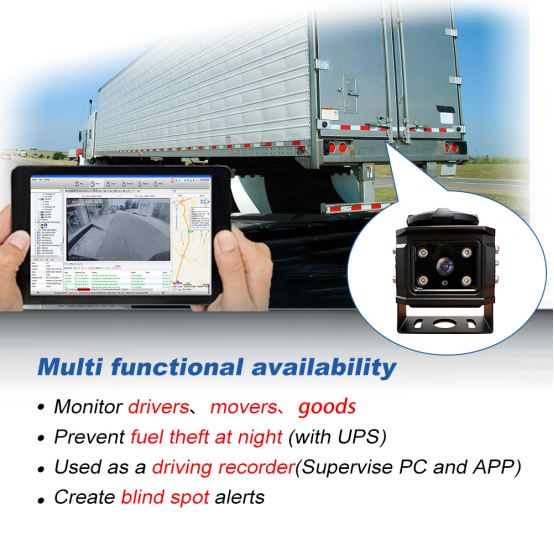
Advanced systems may include recording capabilities that store video footage for later review, providing valuable evidence in case of accidents and helping fleet managers identify training opportunities for their drivers. Some units offer wireless connectivity options, allowing remote monitoring and data collection that can contribute to overall fleet safety management programs and driver performance evaluation initiatives.
Benefits of Installing Side View Cameras
Immediate Safety Improvements
The installation of side view cameras provides immediate and measurable safety improvements for commercial vehicle operations. Drivers gain unprecedented visibility into previously hidden areas, allowing them to make more informed decisions during lane changes, turns, and backing maneuvers. The enhanced awareness helps prevent accidents involving pedestrians, cyclists, and smaller vehicles that frequently operate in truck blind spots, particularly in urban environments and loading dock areas.
Emergency response times improve significantly when drivers can quickly assess their surroundings using camera feeds rather than relying solely on mirrors or attempting to physically survey blind-spot areas. This enhanced situational awareness proves especially valuable during adverse weather conditions when traditional visibility aids may be compromised by precipitation, fog, or reduced lighting conditions.
Economic and Insurance Advantages
Fleet operators experience substantial cost savings through reduced accident rates, lower insurance premiums, and decreased liability exposure after implementing comprehensive camera systems. Many insurance providers offer significant discounts for vehicles equipped with certified safety technology, recognizing the proven correlation between camera installation and reduced claim frequency. The return on investment typically occurs within the first year of operation through avoided accidents and insurance savings alone.
Additional economic benefits include reduced vehicle downtime, lower maintenance costs associated with accident damage, and improved driver retention rates as operators appreciate working with well-equipped, safety-focused companies. Regulatory compliance becomes easier to maintain when vehicles feature advanced safety systems that exceed minimum requirements, potentially avoiding costly violations and improving overall safety ratings.
Installation and Integration Considerations
Professional Installation Requirements
Proper installation of side view cameras requires careful consideration of mounting positions, wiring routes, and display placement to ensure optimal performance and longevity. Professional installers must account for vehicle-specific factors such as air brake lines, electrical systems, and structural elements that may affect camera positioning or signal quality. Weatherproofing and vibration resistance become critical factors in commercial vehicle applications where equipment faces continuous exposure to harsh operating conditions.
Quality installations include proper cable management to prevent damage from moving parts, door operations, or maintenance activities. Grounding systems must meet commercial vehicle electrical standards to prevent interference with other electronic systems such as anti-lock brakes, engine management, or communications equipment. Testing procedures verify camera alignment, display clarity, and system integration before vehicles return to service.
Integration with Existing Safety Systems
Modern commercial vehicles often feature multiple safety technologies that can work synergistically with camera systems to provide comprehensive protection. Integration with backup alarm systems, collision avoidance radar, and lane departure warning systems creates layered safety approaches that address various risk scenarios. Careful coordination ensures these systems complement rather than interfere with each other during normal operation.
Fleet management systems can incorporate camera data to provide comprehensive safety reporting and driver performance analysis. This integration enables proactive safety management through identification of high-risk behaviors, training needs, and route-specific hazards that may require additional attention or modified operating procedures to maintain optimal safety standards.
Selecting the Right Camera System
Key Features and Specifications
Selecting appropriate camera systems requires careful evaluation of image quality, viewing angles, night vision capabilities, and environmental resistance ratings. High-definition resolution ensures clear detail recognition at various distances, while wide-angle lenses provide comprehensive coverage of blind-spot areas without creating excessive distortion that could impair depth perception or distance judgment for drivers.
Infrared night vision capabilities prove essential for operations that continue after dark or in poorly lit areas such as loading docks, construction sites, or industrial facilities. Temperature ratings must match the operating environment, with systems designed to function reliably in extreme cold or heat conditions common in different geographic regions or seasonal operations.
Budget and Long-Term Value Considerations
Investment in quality camera systems requires balancing upfront costs against long-term value and reliability expectations. While basic systems may offer lower initial prices, professional-grade equipment typically provides superior durability, better image quality, and longer service life that reduces total ownership costs over time. Warranty coverage, technical support availability, and replacement part accessibility become important factors in the decision-making process.
Fleet operators should consider scalability when selecting camera systems, ensuring chosen solutions can accommodate future expansion or technology upgrades without requiring complete system replacement. Compatibility with emerging technologies such as artificial intelligence, cloud connectivity, or advanced driver assistance systems may provide additional value as these capabilities become more prevalent in commercial vehicle applications.
Reach out to our team today to explore a tailored CITOPS camera solution that elevates your fleet’s safety performance and empowers your drivers with clearer, smarter visibility on every route.

FAQ
How much do commercial vehicle camera systems typically cost
Commercial vehicle camera system costs vary significantly based on the number of cameras, image quality, features, and installation complexity. Basic single-camera systems may start around several hundred dollars, while comprehensive multi-camera systems with advanced features can range from one thousand to several thousand dollars per vehicle. Professional installation typically adds 20-30% to equipment costs, but ensures proper integration and warranty compliance. Most fleet operators find that insurance discounts and accident prevention savings offset the initial investment within 12-18 months of installation.
Are there specific regulations requiring camera systems on commercial vehicles
Current federal regulations do not mandate camera systems for most commercial vehicles, though some states and municipalities have begun implementing requirements for specific vehicle types or operating environments. The National Transportation Safety Board has recommended broader adoption of camera technology, and regulatory trends suggest potential future requirements may emerge. Many fleet operators choose to exceed minimum requirements by installing comprehensive safety systems to reduce liability exposure and demonstrate proactive safety commitment to customers and insurance providers.
What maintenance is required for side view camera systems
Side view camera systems require minimal routine maintenance beyond regular cleaning to ensure clear image quality and periodic inspection of mounting hardware and connections. Cameras should be cleaned weekly or as needed depending on operating conditions, using appropriate cleaning solutions that won't damage lens coatings or housing seals. Annual professional inspections help identify potential issues before they cause system failures, including checking cable integrity, display functionality, and camera alignment. Most quality systems are designed for several years of reliable operation with basic preventive maintenance.
Can camera systems be installed on older commercial vehicles
Most camera systems can be successfully retrofitted to older commercial vehicles with proper installation techniques and appropriate equipment selection. Older vehicles may require additional considerations such as electrical system upgrades, alternative mounting methods, or custom wiring solutions to accommodate modern camera technology. Professional installers can assess vehicle-specific requirements and recommend suitable solutions that maintain safety and reliability standards. The investment in retrofitting older vehicles often proves worthwhile given the significant safety improvements and potential insurance benefits that camera systems provide.