
 EN
EN
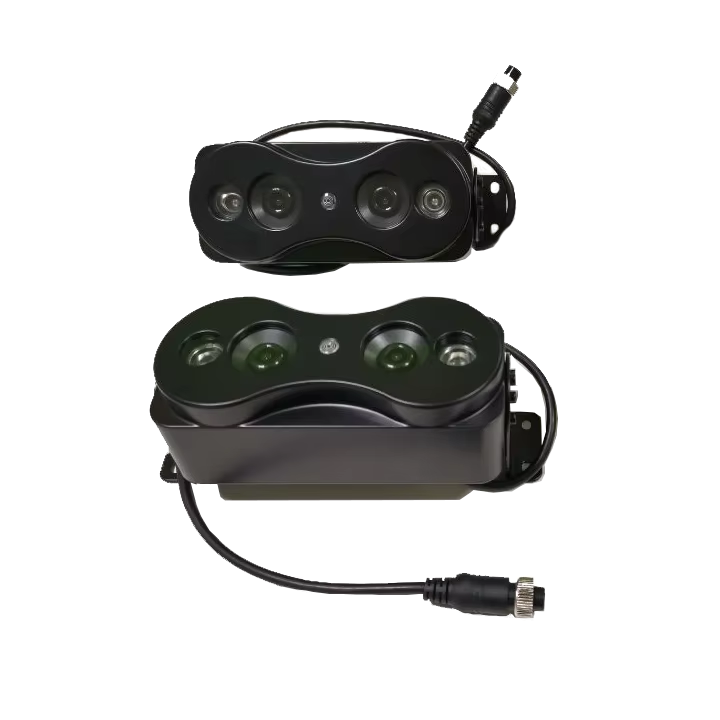
Overview of Passenger Counting Camera in Daily Bus Operations
The demand for smarter and more efficient public transportation has pushed many bus operators to adopt advanced technologies, and the passenger counting camera has quickly become one of the most impactful tools. A passenger counting camera helps fleet managers understand how many people enter and exit buses throughout the day. With this technology, operators are no longer relying solely on manual observations, estimates, or outdated ticketing assumptions. Instead, the passenger counting camera provides real, accurate, and automated data.
Why does this matter for daily bus operations? Because accurate ridership visibility allows companies to optimize schedules, adjust routes, and improve the overall passenger experience. With a passenger counting camera, fleet managers can precisely identify peak travel periods and avoid unnecessary empty trips. They can also reduce overcrowding issues by deploying extra buses when needed. Isn’t it far more efficient to allocate resources based on real-time data rather than assumptions?
A passenger counting camera does more than counting people. It supports operational planning, improves safety, and reduces operational waste. The integration of a passenger counting camera with bus fleet management systems enables data analysis that can transform transportation strategies. For companies serving large cities or rapidly growing communities, this level of insight can be the difference between efficient service and daily operational chaos.
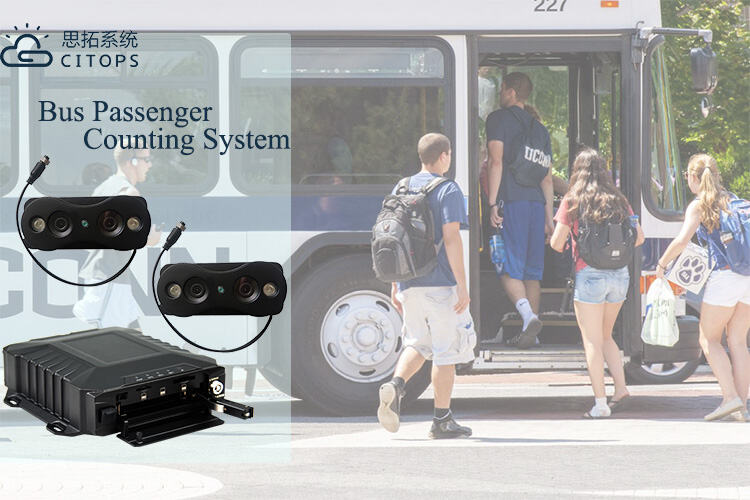
Importance of Passenger Counting Camera for Bus Fleet Management
Enhanced Ridership Accuracy
Ridership accuracy plays a fundamental role in every transit operation. A passenger counting camera gives reliable, automated, and real-time passenger data that manual logging simply cannot achieve. How can fleet managers precisely analyze bus utilization without knowing the true number of passengers? The answer lies in using a passenger counting camera that eliminates human error and provides consistent data every day.
The more accurate the ridership information is, the more effectively bus operators can allocate manpower and vehicle resources. If a particular route appears underused, the passenger counting camera reveals the truth instantly. Instead of guessing which routes to scale back or expand, managers can rely on factual evidence. The passenger counting camera allows consistent monitoring of boarding and alighting across multiple stops, enabling long-term planning supported by real statistics.
When transit authorities evaluate performance, data from a passenger counting camera helps them justify funding, evaluate service demands, and implement improvements. Many cities consider data-driven planning essential to modern mobility strategies. Isn’t it logical to improve services based on actual user behavior? That’s exactly what the passenger counting camera enables.
Operational Cost Efficiency
Cost control is at the center of bus fleet management, and the passenger counting camera helps operators cut unnecessary expenses. Overstaffing, idle buses, and poorly utilized routes lead to financial waste. By using passenger counting camera data, fleet managers can identify underloaded buses and reschedule or downsize where needed.
A passenger counting camera allows companies to reduce fuel consumption by eliminating unnecessary trips. For example, if early-morning buses run nearly empty every day, why maintain the same frequency? The passenger counting camera presents clear data that helps adjust these patterns. With improved planning, operators avoid waste while maintaining service quality.
Another important benefit of the passenger counting camera is labor cost reduction. Manual passenger counting requires additional personnel, time, and supervision, whereas the passenger counting camera automates the entire process. This automation not only cuts labor expenses but also increases accuracy. The combination of reduced operational costs and enhanced insights makes the passenger counting camera a strategic investment.
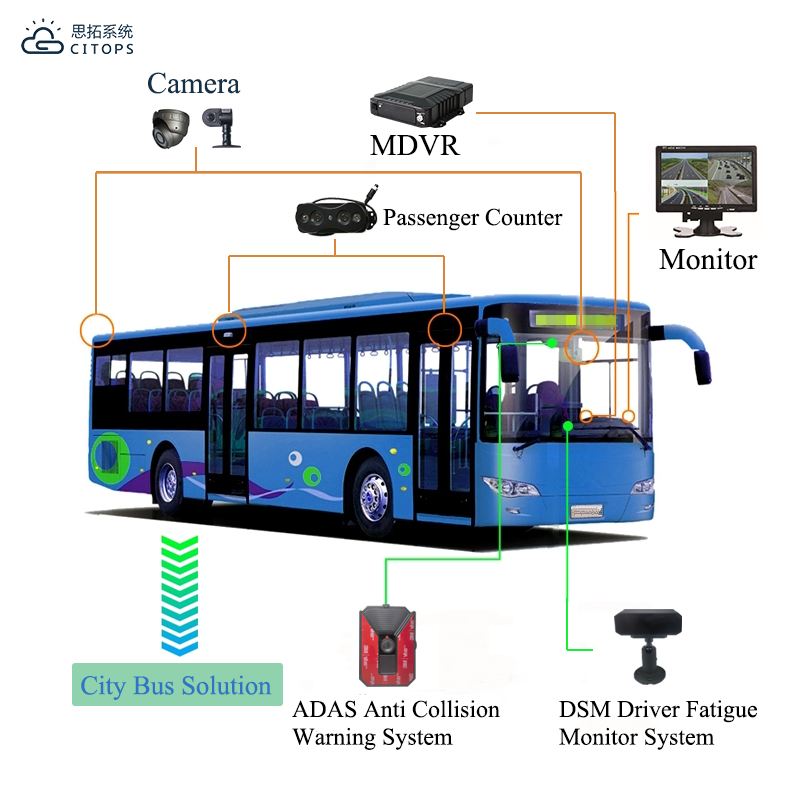
Role of Passenger Counting Camera in Smart Transportation Systems
Integration with Fleet Management Technology
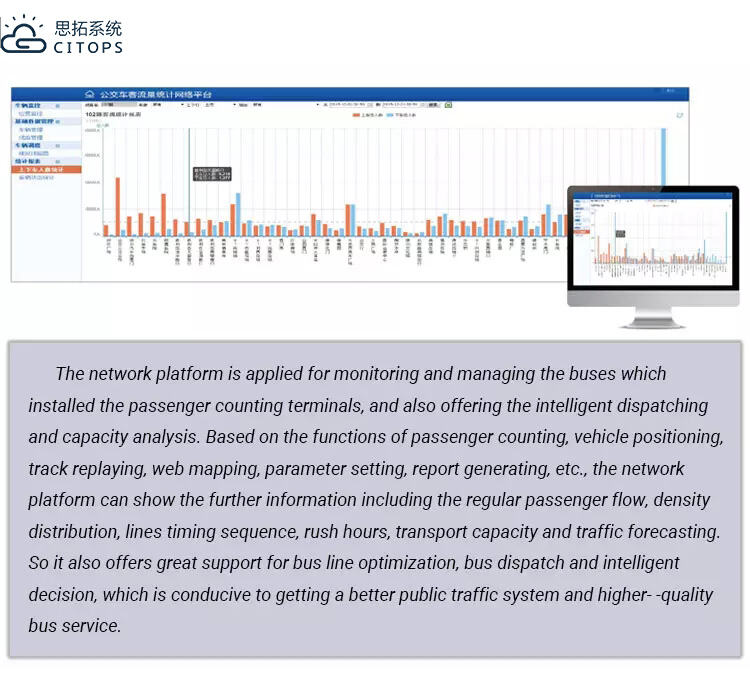
Modern transportation relies heavily on smart management systems. The passenger counting camera works seamlessly with fleet management platforms to provide unified, real-time insights. Once the passenger counting camera is installed, data can be integrated with GPS systems, scheduling systems, and service monitoring tools.
This integration allows fleet managers to analyze multiple data sets at once. For example, combining location data and passenger data helps visualize boarding trends along specific routes. Why rely on outdated assumptions when a passenger counting camera delivers dynamic and accurate data? The connected environment ensures every operational decision is supported by reliable information.
Through advanced algorithms, a passenger counting camera also identifies unusual fluctuations in ridership. When this data syncs with fleet management software, companies can react immediately. Whether it's adjusting dispatching or rerouting buses, the passenger counting camera empowers real-time optimization that traditional systems cannot achieve.
Support for Data-Driven Decision Making
Bus fleet management becomes far more effective when decisions are based on concrete data. The passenger counting camera is a powerful enabler of such decision-making. Instead of subjective estimates, managers use real ridership information to build stronger strategies. The passenger counting camera ensures that every operational adjustment addresses actual conditions.
How do operators know if a new route extension is successful? How can they measure the true performance of promotional campaigns aimed at increasing ridership? The passenger counting camera answers these questions by providing quantifiable insights. Trends become clearer, peak hours become predictable, and operational needs become measurable.
Additionally, long-term planning relies on accumulated data from the passenger counting camera. After months of observation, trends emerge that help predict seasonal shifts, holiday traffic, or event-related surges. This historical data becomes an invaluable tool for fleet managers who aim to maintain efficiency throughout the year. Without the passenger counting camera, such insights would remain inaccessible.
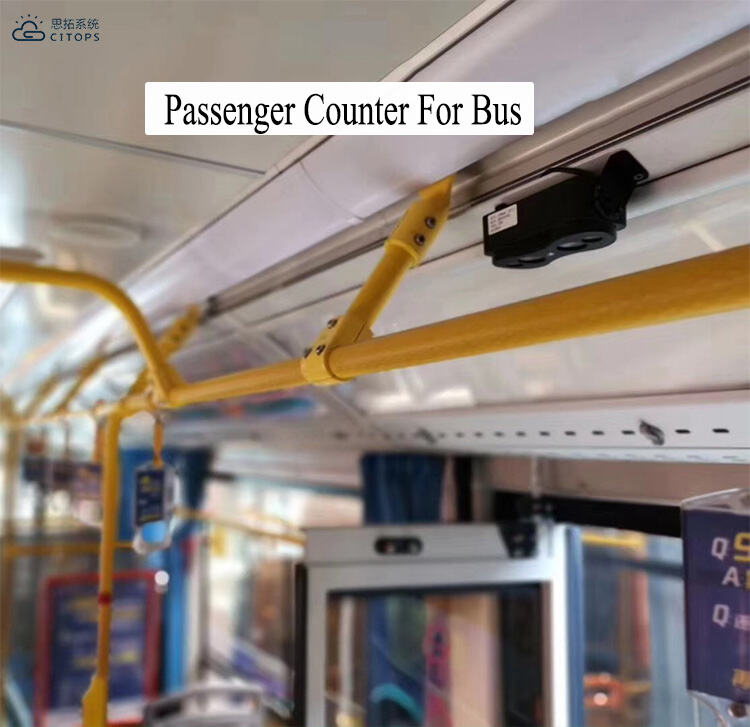
Application of Passenger Counting Camera in Bus Fleet Optimization
Route Adjustment and Scheduling Optimization
Route optimization is one of the most significant benefits of the passenger counting camera. With accurate ridership data, operators can modify routes to better match passenger flow. For example, if the passenger counting camera reveals that certain stops have consistently low usage, operators can revise or remove those stops to improve efficiency.
Scheduling also becomes more precise with the support of a passenger counting camera. Peak hours become clearer, and bus frequencies can be adjusted accordingly. Why continue traditional scheduling patterns when the passenger counting camera offers updated data every day? This constant feedback loop allows continuous improvements in service delivery.
When buses run on optimized schedules, both passengers and operators benefit. Travelers enjoy shorter waiting times, and companies reduce wasted capacity. The passenger counting camera ensures that these improvements are based on factual data rather than assumptions, empowering a more reliable service model.
Resource Allocation and Fleet Utilization
Allocating buses, staff, and operational resources is easier with the passenger counting camera. Overcrowded buses indicate a need for additional support, while consistently empty routes suggest unnecessary vehicle deployment. A passenger counting camera helps operators identify these patterns and adjust their resources accordingly.
Why waste fuel, labor, and maintenance on buses that do not match passenger demand? The passenger counting camera ensures that each decision is aligned with actual ridership. Fleet utilization becomes more efficient when transportation companies understand real passenger movement.
Additionally, maintenance scheduling can benefit from the patterns revealed by the passenger counting camera. High-usage buses may require more frequent inspections, while lightly used buses can have extended maintenance intervals. This data-driven approach reduces downtime and keeps the fleet operating smoothly.
Strategic Advantages of Passenger Counting Camera Adoption
Data Transparency for Performance Evaluation
Clear visibility into bus operations is crucial for evaluating performance. A passenger counting camera delivers transparent data that can be shared across departments. Managers, planners, and operational teams benefit from the consistent information generated by passenger counting camera systems.
Without the passenger counting camera, performance reviews become subjective. But with automated data, assessments become factual and reliable. Passenger patterns, boarding levels, and service utilization can be examined thoroughly. This transparency leads to more effective decision-making and greater accountability.
A passenger counting camera allows companies to compare expected results with actual performance. Deviations become easier to identify, and corrective actions can be implemented promptly. Such transparency strengthens the organization’s operational framework and helps build long-term efficiency.
Support for Government Reporting and Funding Requirements
Many transportation authorities must report ridership numbers to government agencies for funding or compliance. A passenger counting camera provides validated, automated data that simplifies reporting. Instead of manual record-keeping, operators rely on consistent and trustworthy numbers from the passenger counting camera.
Government agencies often evaluate funding allocations based on accurate ridership. Using a passenger counting camera ensures the numbers are transparent and verifiable. This strengthens trust between operators and regulatory bodies.
In some regions, transportation subsidies depend directly on the accuracy of ridership data. The passenger counting camera becomes essential for ensuring compliance and maximizing funding opportunities. By adopting a passenger counting camera, companies improve both operational and administrative performance.
If you are ready to upgrade your fleet with a smarter and more reliable passenger counting camera solution, our team is here to help you deploy the right system with seamless integration and dependable performance.

FAQ
What a Passenger Counting Camera Does
A passenger counting camera is an automated system that captures accurate boarding and alighting data. It helps bus operators understand ridership patterns, improve route planning, and reduce operational waste. This technology eliminates manual counting errors and provides real-time data for operational decisions. By installing a passenger counting camera, transit companies enhance accuracy and streamline fleet monitoring. It serves as a foundational tool for data-driven management.
Benefits of Passenger Counting Camera for Bus Companies
A passenger counting camera helps bus companies save costs by reducing unnecessary trips and optimizing schedules. It provides high-quality ridership data that supports efficient planning and resource allocation. Operators can use insights from the passenger counting camera to reduce overcrowding and improve service delivery. The technology also helps enhance reporting accuracy for compliance requirements. Overall, the passenger counting camera contributes to operational stability and increased passenger satisfaction.
Installation Considerations for Passenger Counting Camera
Installing a passenger counting camera requires strategic placement near doors to ensure accurate detection. Bus operators need to consider factors such as lighting, door structure, and passenger flow. A well-installed passenger counting camera integrates seamlessly with existing fleet management platforms. Proper calibration enhances data precision and minimizes detection errors. Routine maintenance ensures the passenger counting camera continues performing reliably over time.
Table of Contents
- Overview of Passenger Counting Camera in Daily Bus Operations
- Importance of Passenger Counting Camera for Bus Fleet Management
- Role of Passenger Counting Camera in Smart Transportation Systems
- Application of Passenger Counting Camera in Bus Fleet Optimization
- Strategic Advantages of Passenger Counting Camera Adoption
- FAQ