
 EN
EN
Modern vehicle safety technology has evolved dramatically over the past decade, with side view cameras emerging as a critical component in comprehensive monitoring systems. These advanced imaging devices provide drivers with unprecedented visibility around their vehicles, significantly reducing blind spots and enhancing overall operational safety. Side view cameras have become indispensable tools for commercial fleets, construction vehicles, and passenger cars alike, offering real-time visual feedback that helps prevent accidents and improves situational awareness in challenging driving conditions.
Understanding Side View Camera Technology
Core Components and Functionality
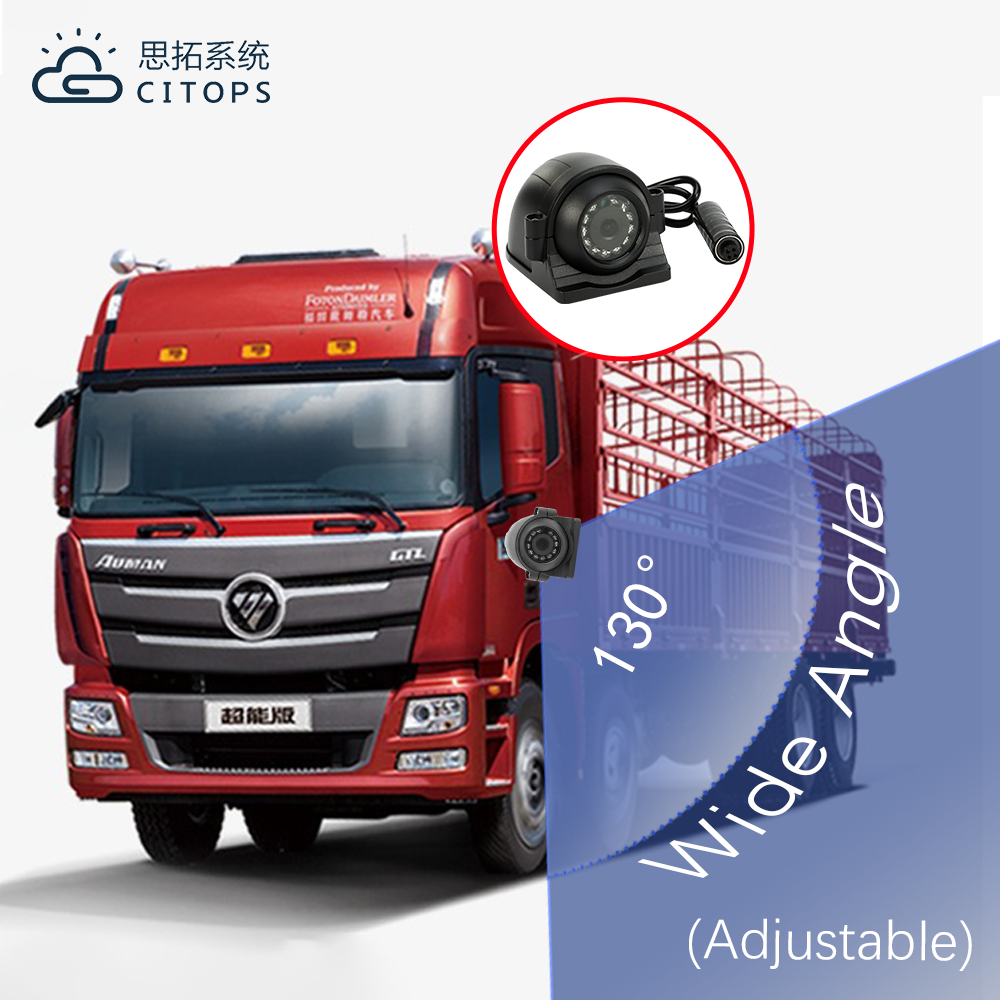
Side view cameras incorporate sophisticated imaging sensors and processing units designed to capture high-definition video in various environmental conditions. These systems typically feature wide-angle lenses that provide extensive coverage of vehicle blind spots, particularly along the sides where traditional mirrors fall short. The technology integrates seamlessly with existing vehicle electrical systems, drawing power from standard automotive sources while maintaining consistent performance across different operational scenarios.
Advanced side view cameras utilize progressive scan sensors that deliver smooth, flicker-free images even during rapid vehicle movement. The integration of infrared capabilities allows these systems to maintain functionality during low-light conditions, ensuring continuous monitoring regardless of time of day or weather circumstances. Modern implementations often include digital signal processing that enhances image quality while reducing noise and distortion.
Resolution and Image Quality Standards
Contemporary side view cameras typically offer resolution options ranging from 720p to 1080p, providing crystal-clear imagery that enables precise object identification and distance estimation. Higher resolution systems deliver enhanced detail recognition, allowing operators to distinguish between different types of obstacles, pedestrians, and vehicles in the camera's field of view. The improved image quality directly translates to better decision-making capabilities for drivers navigating complex environments.
Image stabilization technology within modern side view cameras compensates for vehicle vibration and movement, ensuring steady visual feedback even on rough terrain or during rapid acceleration. Color accuracy and contrast optimization features help drivers quickly identify potential hazards, while automatic brightness adjustment maintains optimal visibility across varying lighting conditions throughout the operational day.
Safety Enhancement Through Blind Spot Elimination
Traditional Mirror Limitations
Conventional side mirrors create significant blind spots that can conceal vehicles, pedestrians, and obstacles from driver view, particularly during lane changes and turning maneuvers. These visual gaps have contributed to numerous accidents, especially involving larger vehicles where blind spot areas can extend several meters from the vehicle's sides. Side view cameras address these limitations by providing comprehensive coverage that eliminates traditional mirror blind spots.
The positioning and angle limitations of standard mirrors mean drivers must perform multiple head movements and mirror adjustments to gain adequate situational awareness. This process takes time and attention away from primary driving tasks, potentially creating additional safety risks. Side view cameras offer continuous, real-time monitoring that reduces the need for such distracting maneuvers while providing superior coverage of critical areas.
Enhanced Peripheral Vision
Side view cameras extend effective peripheral vision beyond human visual limitations, capturing areas that would otherwise remain hidden during normal driving operations. This expanded awareness proves particularly valuable in urban environments where pedestrians, cyclists, and other vehicles frequently approach from unexpected angles. The technology provides early warning of potential conflicts, allowing drivers to make informed decisions before dangerous situations develop.
Real-time video feeds from side view cameras enable continuous monitoring without requiring drivers to look away from their primary field of view. This seamless integration maintains focus on forward driving while simultaneously providing critical side area information through dashboard displays or integrated mirror systems.
Commercial Vehicle Applications
Fleet Management Integration
Commercial fleet operators increasingly rely on side view cameras as essential components of comprehensive vehicle monitoring systems. These installations help reduce insurance costs by demonstrating proactive safety measures while providing documented evidence in case of incidents. Fleet managers can access recorded footage for driver training purposes, identifying areas where operational procedures might be improved to enhance overall safety performance.
Integration with telematics systems allows side view cameras to contribute valuable data for route optimization and driver behavior analysis. The combination of visual monitoring and GPS tracking provides fleet operators with detailed insights into vehicle operations, enabling more effective management of driver safety and operational efficiency across entire vehicle fleets.
Construction and Heavy Equipment
Construction vehicles and heavy equipment benefit significantly from side view cameras due to their large blind spots and complex operational environments. These vehicles often operate in confined spaces where precise maneuvering is critical for both safety and productivity. Side view cameras provide operators with clear visibility of nearby personnel, equipment, and obstacles that might otherwise remain hidden during operation.
The rugged construction of professional-grade side view cameras ensures reliable performance in harsh construction environments, including exposure to dust, moisture, and vibration. Waterproof ratings and impact-resistant housings protect camera systems while maintaining consistent image quality throughout demanding operational cycles. This durability makes side view cameras practical long-term investments for construction and industrial applications.
Installation and Maintenance Considerations
Professional Installation Requirements
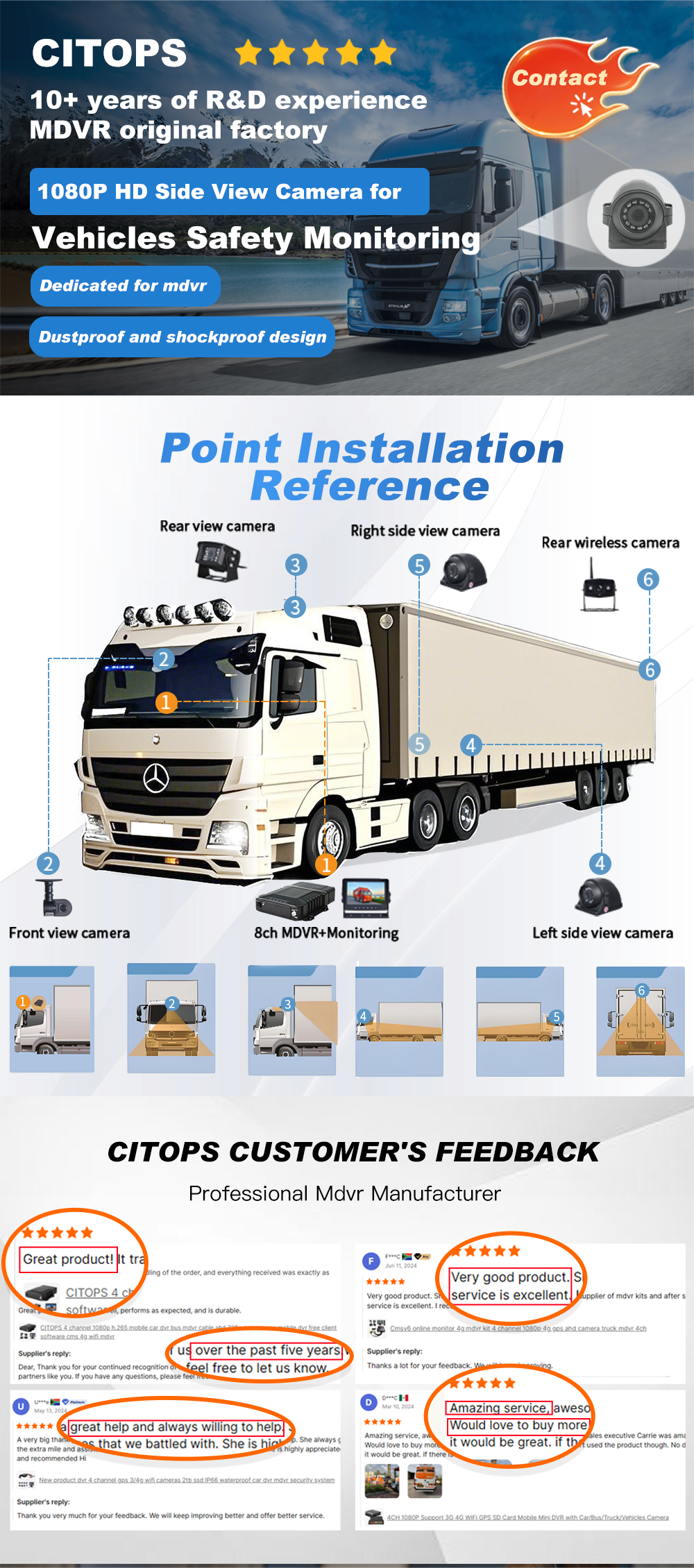
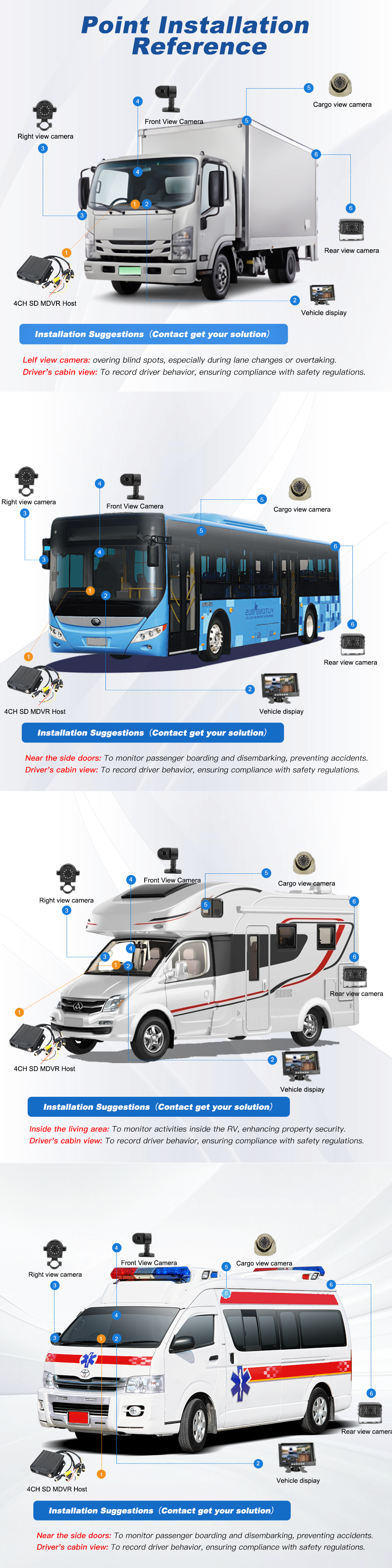
Proper installation of side view cameras requires careful consideration of mounting positions, wiring routes, and integration with existing vehicle systems. Professional installers ensure optimal camera angles that maximize coverage while minimizing potential interference from vehicle components or external factors. The installation process typically involves running power and signal cables through vehicle structures to maintain clean, protected connections.
Camera positioning must account for vehicle-specific characteristics such as door swing patterns, loading mechanisms, and operational requirements. Experienced installers understand how to balance maximum visibility with practical considerations like camera protection and maintenance accessibility. Proper calibration ensures side view cameras provide accurate perspective and distance information for reliable operational use.
Ongoing Maintenance Protocols
Regular maintenance of side view cameras involves routine cleaning of lens surfaces to ensure optimal image quality and checking connection integrity to prevent system failures. Environmental factors such as road salt, mud, and debris can accumulate on camera housings, potentially affecting performance if not addressed through systematic cleaning schedules. Preventive maintenance helps maintain consistent system reliability and extends camera lifespan.
Periodic system testing verifies that side view cameras continue operating within specified parameters, including image quality, response time, and integration with display systems. Software updates may be available to enhance camera functionality or address potential compatibility issues with newer vehicle systems. Documentation of maintenance activities helps track system performance and identify potential upgrade opportunities.
Choose CITOPS for a professional side view camera solution that eliminates blind spots and enhances driving safety across commercial and industrial vehicles.

FAQ
How do side view cameras improve safety compared to traditional mirrors
Side view cameras eliminate blind spots that traditional mirrors cannot cover, providing wider field of view and continuous monitoring without requiring drivers to turn their heads. They maintain consistent visibility in all lighting conditions and weather, while mirrors can become obscured by rain, snow, or glare. The cameras also integrate with warning systems to actively alert drivers of potential hazards.
What resolution should I choose for side view cameras on commercial vehicles
For commercial applications, 1080p resolution side view cameras provide optimal image quality for identifying objects and assessing distances accurately. While 720p cameras offer adequate performance for basic monitoring, the enhanced detail from 1080p systems proves valuable for documentation, training, and precise maneuvering in complex environments. Higher resolution also future-proofs the investment as display technology continues improving.
Can side view cameras function effectively in harsh weather conditions
Professional-grade side view cameras designed for automotive use feature weatherproof housings rated IP67 or higher, ensuring reliable operation in rain, snow, and extreme temperatures. Many systems include heating elements to prevent ice formation and hydrophobic coatings to shed water from lens surfaces. Infrared capabilities maintain functionality during low-light conditions common in adverse weather.
How often should side view cameras undergo maintenance and cleaning
Side view cameras should receive cleaning attention during regular vehicle maintenance intervals, typically every few weeks or monthly depending on operating conditions. Daily visual inspection helps identify any damage or obstruction that might affect performance. Professional system checks annually ensure optimal calibration and integration with vehicle systems, while lens cleaning may be required more frequently in dusty or muddy environments.