
 EN
EN
The logistics and delivery industry faces unprecedented challenges in maintaining fleet security, operational efficiency, and driver accountability. Modern delivery companies require comprehensive surveillance solutions that provide real-time visibility into vehicle operations while managing costs effectively. An economical MDVR monitoring and management system represents a strategic investment that addresses multiple operational concerns simultaneously, from theft prevention to driver behavior monitoring. These advanced systems have evolved beyond simple recording devices to become integrated fleet management platforms that deliver measurable returns on investment. As delivery volumes continue to surge and security threats multiply, the implementation of robust mobile digital video recording solutions has become essential for maintaining competitive advantage and operational sustainability.
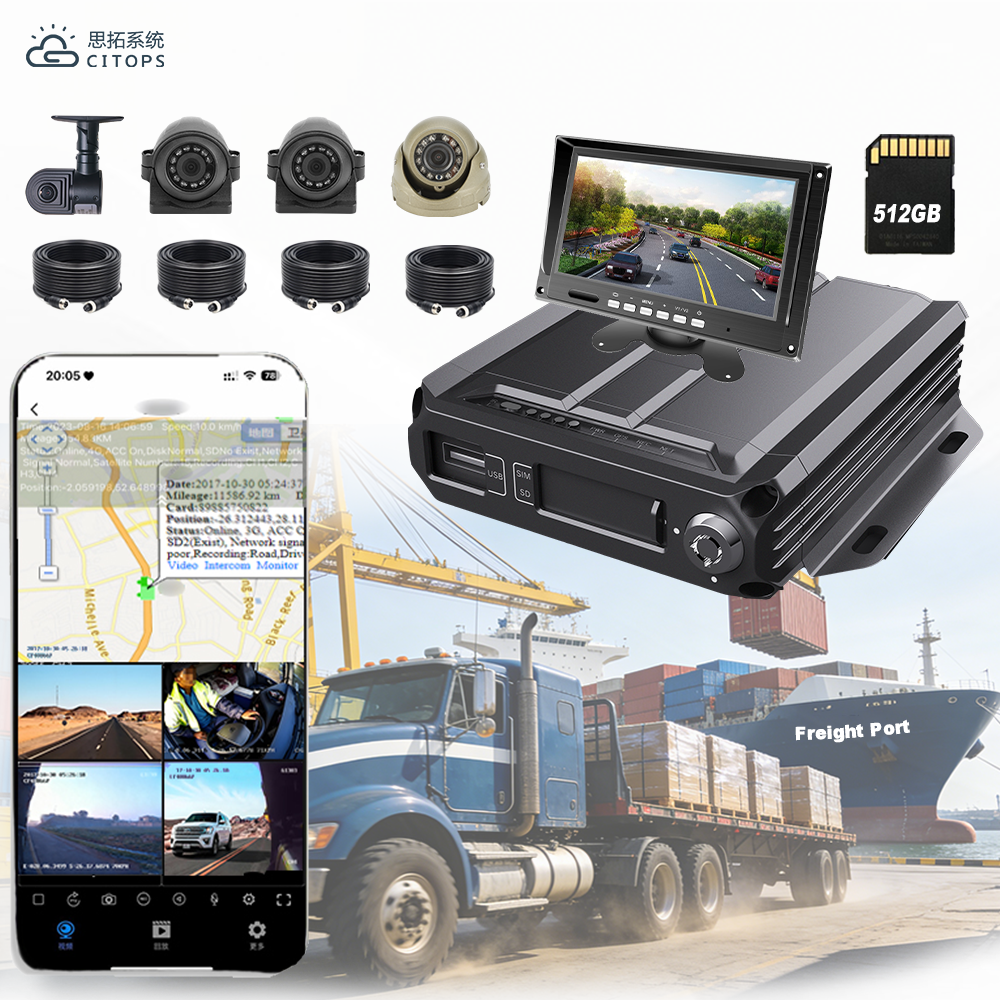
Enhanced Security Through Comprehensive Video Surveillance
Multi-Channel Recording Capabilities
Modern delivery vehicles require surveillance coverage from multiple angles to ensure complete security protection. An MDVR monitoring and management system typically features four or more channels that capture footage from strategic positions around the vehicle, including the cargo area, driver compartment, and exterior views. This comprehensive coverage eliminates blind spots that criminals often exploit during theft attempts or fraudulent liability claims. The high-definition recording quality ensures that license plates, faces, and other critical details remain clearly visible even in challenging lighting conditions. Multiple camera angles also provide valuable evidence for insurance claims and legal proceedings, protecting delivery companies from false accusations and costly settlements.
The simultaneous recording capability of professional MDVR systems ensures that all camera feeds are synchronized with accurate timestamps and GPS coordinates. This synchronization proves crucial during incident investigations, allowing security personnel and law enforcement to reconstruct events with precise detail. Advanced systems also include motion detection features that trigger automatic recording when unauthorized access is detected, conserving storage space while maintaining security coverage during parked periods. The redundant recording architecture ensures data integrity even if individual camera components experience technical issues, maintaining continuous surveillance protection throughout delivery operations.
Real-Time Video Monitoring and Management Awareness
Maintaining security during delivery operations depends on clear, continuous visibility of vehicles and on-road conditions. Modern MDVR monitoring and management system solutions provide real-time video streaming combined with GPS tracking, enabling fleet managers to observe vehicle status, driving behavior, and surrounding environments through a centralized management platform.
By reviewing live video feeds and route information in the backend system, managers can promptly identify abnormal situations such as unexpected stops, suspicious activity around the vehicle, or irregular driving behavior. This real-time operational awareness supports timely decision-making and allows managers to provide guidance to drivers when necessary.
With support for mobile communication networks, the system ensures stable data transmission across urban and remote delivery routes, allowing consistent monitoring throughout the journey. Adjustable monitoring settings help fleet operators adapt the system to different routes, vehicle types, and cargo requirements, supporting efficient and secure operations.
In addition, the system enables event review and driver-initiated communication, allowing important situations to be documented and handled through the management platform. This approach improves delivery safety, operational transparency, and overall fleet control.
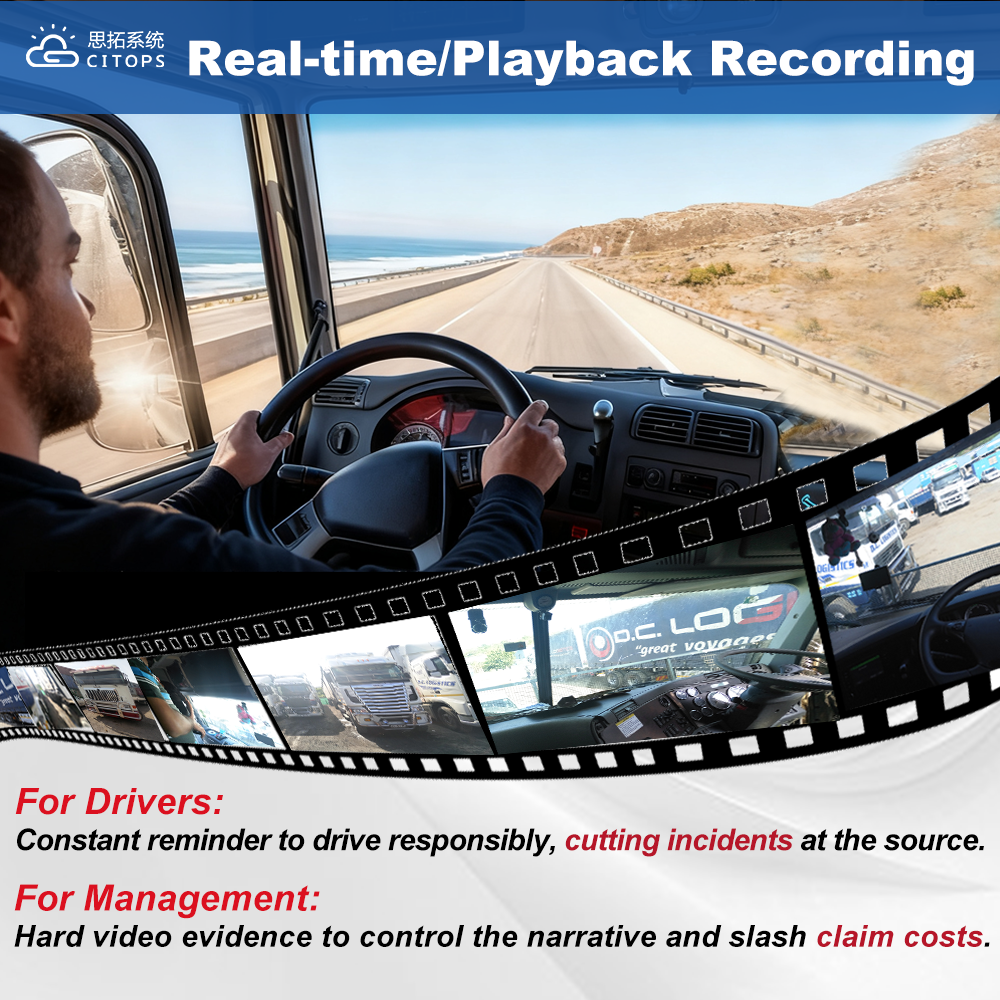
Operational Efficiency and Cost Management Benefits
Dispatch Management and Task Coordination
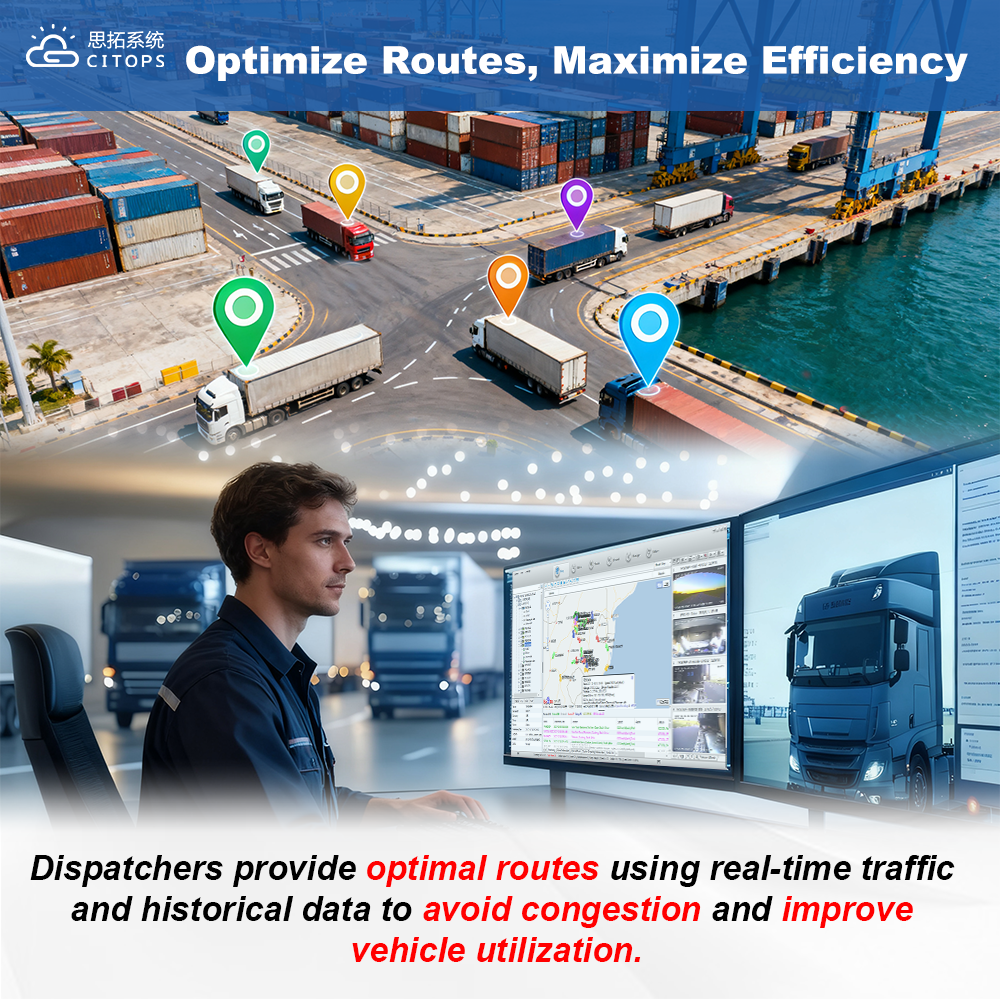
Efficient dispatch management relies on clear task visibility and coordinated execution across multiple vehicles. The MDVR monitoring system provides complete operational records—including route tracking, stop duration, and task progress—giving dispatch teams real-time insight into delivery performance.
With this data, dispatchers can quickly identify delays, optimize vehicle assignments, and adjust routes in response to traffic or on-site changes, ensuring balanced workloads and uninterrupted service.
Post-operation analysis further supports continuous improvement by reviewing completed routes and task timelines. This enables managers to refine dispatch strategies, improve driver coordination, and scale fleet operations more efficiently—without adding management complexity.
Maintenance Cost Reduction Through Predictive Analytics
Vehicle maintenance represents a significant operational expense for delivery fleets, particularly when unexpected breakdowns occur during critical delivery periods. Advanced MDVR monitoring and management system platforms incorporate predictive maintenance features that analyze vehicle performance data to identify potential mechanical issues before they result in costly repairs or service interruptions. Engine diagnostic integration provides early warning indicators for transmission problems, brake system wear, and other critical component failures that could compromise safety or operational efficiency.
The comprehensive data collection capabilities of modern MDVR systems enable fleet managers to establish evidence-based maintenance schedules that optimize component replacement timing. Rather than relying on generic manufacturer recommendations, companies can develop customized maintenance protocols based on actual vehicle usage patterns and environmental conditions specific to their delivery routes. This precision approach to maintenance scheduling reduces both planned and unplanned maintenance costs while extending vehicle service life and maintaining optimal performance levels throughout the fleet lifecycle.
Legal Protection and Risk Mitigation Strategies
Insurance Claim Documentation and Fraud Prevention
Delivery vehicles face elevated risk exposure due to frequent stops in diverse neighborhoods and extended road time that increases accident probability. Professional MDVR monitoring and management system installations provide comprehensive documentation that protects companies from fraudulent insurance claims and liability disputes. High-quality video evidence eliminates uncertainty regarding fault determination in traffic accidents, often resulting in faster claim resolution and reduced legal expenses. Insurance companies increasingly recognize the value of comprehensive video documentation, frequently offering premium discounts for fleets equipped with professional surveillance systems.
The tamper-resistant design of quality MDVR systems ensures that recorded evidence maintains legal admissibility in court proceedings and insurance investigations. Encrypted storage and chain-of-custody features prevent unauthorized access or manipulation of critical evidence files. Multiple backup systems and cloud storage integration provide redundant data protection that ensures evidence availability even if primary storage devices are damaged during incidents. These robust evidence preservation capabilities have proven instrumental in defending against false liability claims that could otherwise result in substantial financial settlements.
Regulatory Compliance and Documentation Requirements
Transportation and delivery companies must navigate complex regulatory environments that impose strict documentation and safety requirements. MDVR monitoring and management system solutions automate compliance reporting by maintaining detailed records of driver hours, vehicle speeds, and route adherence that regulatory agencies require. Automated logbook generation eliminates manual record-keeping errors while ensuring complete documentation coverage that satisfies audit requirements. GPS tracking integration provides precise location verification that supports Hours of Service compliance and route authorization documentation.
Environmental regulations and safety standards continue expanding in scope and complexity, requiring delivery companies to demonstrate ongoing compliance through comprehensive documentation. Advanced MDVR systems integrate with vehicle diagnostic systems to monitor emissions levels, safety equipment functionality, and other regulated parameters. Automated reporting capabilities generate compliance summaries that streamline regulatory submissions and audit preparations. The comprehensive data retention capabilities ensure that historical compliance records remain accessible throughout required retention periods, protecting companies from regulatory penalties and operational restrictions.
Advanced Technology Integration and Future-Proofing
Cloud-Based Management and Remote Access Capabilities
Modern MDVR monitoring and management system platforms leverage cloud computing infrastructure to provide fleet managers with unprecedented access to real-time vehicle data from any location. Cloud integration eliminates the need for expensive on-site server infrastructure while ensuring data accessibility and security through enterprise-grade hosting environments. Remote access capabilities enable fleet managers to monitor operations during off-hours and respond immediately to security alerts or operational issues. The scalable nature of cloud platforms accommodates fleet expansion without requiring significant additional infrastructure investments.
Advanced analytics capabilities within cloud-based MDVR systems process vast amounts of operational data to identify trends and optimization opportunities that would be impossible to detect through manual analysis. Machine learning algorithms continuously improve system performance by recognizing patterns in driver behavior, route efficiency, and security incidents. Automated report generation provides executives with comprehensive performance summaries that support strategic decision-making and operational planning initiatives. Integration with existing fleet management software creates unified data platforms that eliminate information silos and improve overall operational visibility.
Implementation Strategy and Return on Investment
Cost-Effective Deployment Planning
Successful MDVR monitoring and management system implementation requires strategic planning that balances upfront investment costs with long-term operational benefits. Phased deployment approaches enable companies to test system capabilities with pilot vehicle installations before committing to fleet-wide implementation. This gradual rollout strategy allows for system optimization and staff training while demonstrating measurable benefits that justify expanded deployment. Bulk purchasing arrangements and installer partnerships often provide significant cost savings for larger fleet implementations.
Professional installation and training services ensure optimal system performance while minimizing implementation disruption to daily operations. Comprehensive training programs for drivers and fleet managers maximize system utilization while ensuring compliance with company policies and procedures. Ongoing technical support and maintenance services protect system investments while ensuring continued operational reliability. Extended warranty options provide additional protection against component failures and reduce long-term ownership costs.
Measuring Performance and Calculating Benefits
Quantifying the return on investment for MDVR monitoring and management system installations requires comprehensive tracking of multiple performance metrics including fuel savings, insurance cost reductions, and theft prevention benefits. Baseline measurements before system installation provide comparison data that demonstrates actual improvement levels rather than estimated benefits. Regular performance reviews identify additional optimization opportunities while ensuring that system capabilities align with evolving operational requirements.
Comprehensive cost-benefit analysis should include both direct financial savings and indirect benefits such as improved customer satisfaction, enhanced driver safety, and reduced operational stress. Insurance premium reductions often provide immediate cost offsets that accelerate payback periods while theft prevention benefits provide additional risk mitigation value. The cumulative effect of multiple benefit categories typically results in complete investment recovery within eighteen to twenty-four months for most delivery operations.
Partner with CITOPS to deploy a cost-effective MDVR monitoring and management system that strengthens fleet security, improves driver accountability, and maximizes operational efficiency across your delivery operations.

FAQ
What are the primary components included in a complete MDVR monitoring and management system?
A complete MDVR monitoring and management system typically includes multiple high-definition cameras, a car black box recording host with HDD/SSD/SD for storage, 4G function,GPS tracking module, wireless communication capabilities, and management software. Professional systems also include impact sensors, panic buttons, and backup power supplies to ensure continuous operation. The recording unit processes multiple camera feeds simultaneously while maintaining synchronized timestamps and location data for each recorded event.
How does MDVR technology help reduce insurance premiums for delivery fleets?
Insurance companies recognize that MDVR monitoring and management system installations significantly reduce claim frequency and severity by providing accurate incident documentation and encouraging safer driving behaviors. Many insurers offer premium discounts ranging from 10-25% for fleets equipped with professional video surveillance systems. The comprehensive evidence provided by these systems also accelerates claim processing and reduces legal expenses associated with liability disputes.
Can MDVR systems operate effectively in areas with poor cellular coverage?
Modern MDVR monitoring and management system designs include local storage capabilities that ensure continuous recording even when wireless connectivity is unavailable. The systems automatically synchronize stored data with central servers when connectivity is restored, ensuring no operational data is lost. Advanced units may include multiple communication options such as WiFi connectivity to maintain reliable data transmission in challenging coverage areas.
What maintenance requirements are associated with MDVR monitoring systems?
MDVR monitoring and management system maintenance primarily involves regular cleaning of camera lenses, periodic software updates, and routine inspection of cable connections. Hard drive replacement may be required every 2-3 years depending on usage intensity and environmental conditions. Professional systems are designed for minimal maintenance requirements with most components rated for extended service life in demanding mobile environments. Regular system health monitoring alerts administrators to potential issues before they impact operational performance.
Table of Contents
- Enhanced Security Through Comprehensive Video Surveillance
- Operational Efficiency and Cost Management Benefits
- Legal Protection and Risk Mitigation Strategies
- Advanced Technology Integration and Future-Proofing
- Implementation Strategy and Return on Investment
-
FAQ
- What are the primary components included in a complete MDVR monitoring and management system?
- How does MDVR technology help reduce insurance premiums for delivery fleets?
- Can MDVR systems operate effectively in areas with poor cellular coverage?
- What maintenance requirements are associated with MDVR monitoring systems?