
 EN
EN
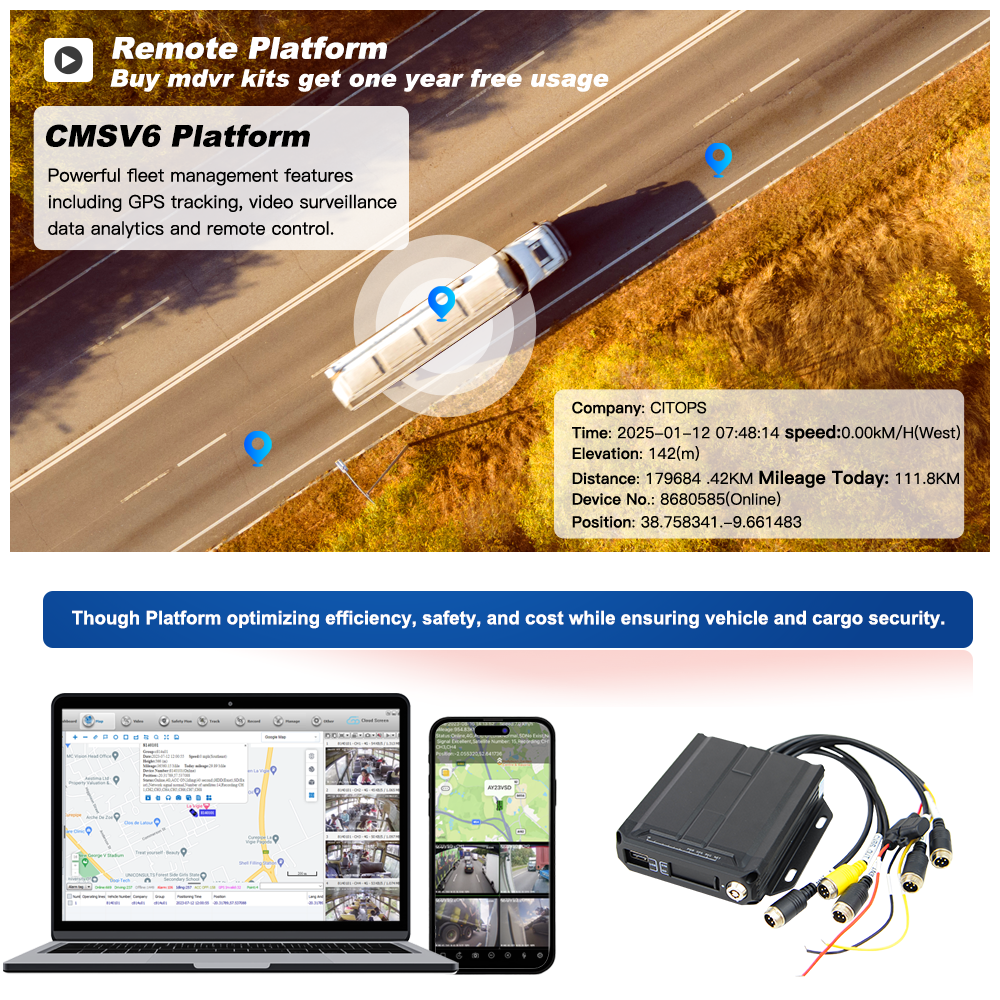
Selecting an appropriate mobile DVR solution for commercial trucks and delivery fleets requires careful evaluation of multiple technical and operational factors that directly impact fleet safety, compliance, and operational efficiency. Fleet managers must navigate through various recording capabilities, connectivity options, storage requirements, and integration possibilities to identify the most suitable mobile DVR solution for their specific operational needs and regulatory requirements.
The decision-making process for implementing a mobile DVR solution involves understanding how different system configurations affect recording quality, data management, real-time monitoring capabilities, and long-term operational costs. Modern fleet operations demand robust video recording systems that can withstand harsh vehicle environments while providing reliable evidence collection, driver behavior monitoring, and incident documentation capabilities essential for comprehensive fleet management strategies.
Understanding Mobile DVR System Requirements
Recording Quality and Camera Configuration
The foundation of any effective mobile DVR solution begins with determining the appropriate recording quality standards and camera configuration requirements for your fleet operations. High-definition recording capabilities, typically ranging from 720p to 1080p resolution, provide sufficient detail for incident documentation and driver behavior analysis while maintaining reasonable storage requirements and system performance.
Multi-channel recording capabilities allow simultaneous monitoring of different vehicle areas, including front-facing road view, driver cabin monitoring, cargo area surveillance, and rear-view documentation. A comprehensive mobile DVR solution should support at least four channels to provide complete coverage of critical vehicle zones, ensuring comprehensive incident documentation and security monitoring throughout fleet operations.
Advanced video compression technologies, such as H.265 encoding, significantly reduce storage requirements while maintaining recording quality, allowing fleet managers to extend recording duration and reduce data management costs. This compression efficiency becomes particularly important for long-haul operations where continuous recording over extended periods is essential for comprehensive fleet monitoring and incident prevention.
Storage Capacity and Data Management
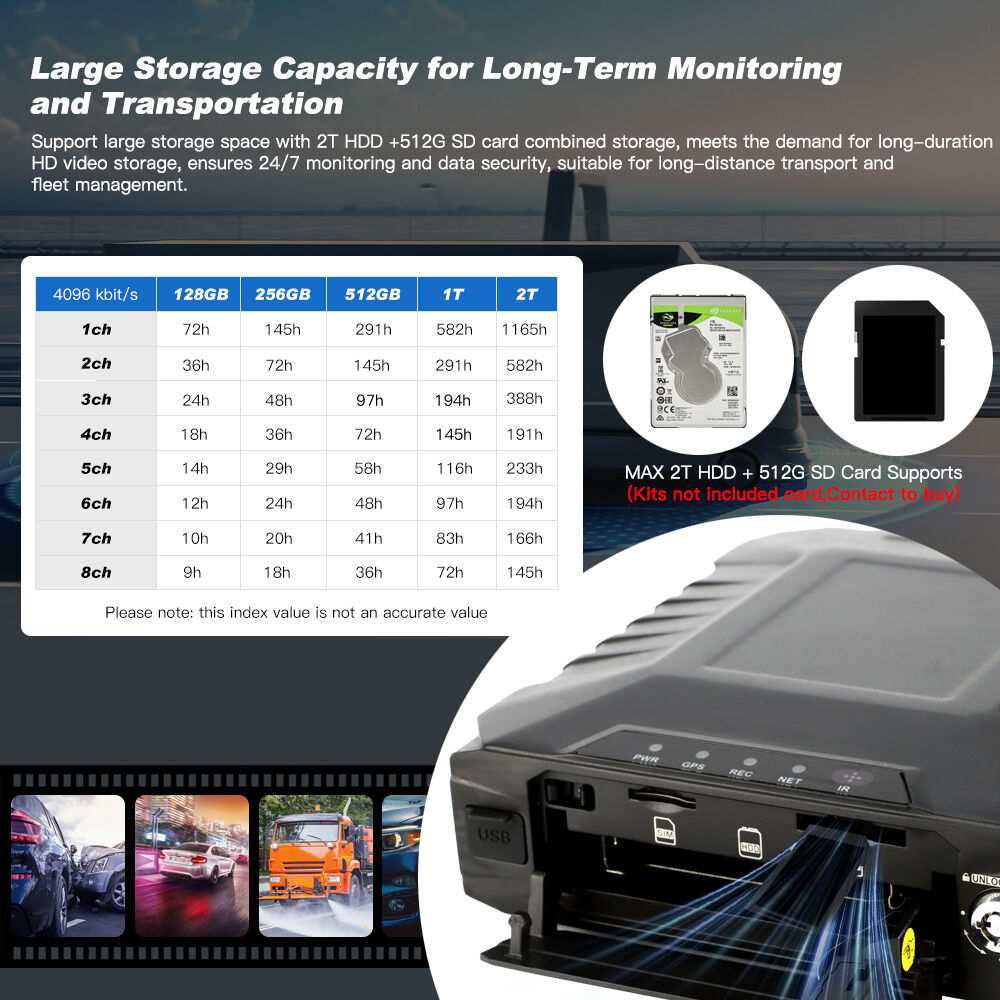
Storage capacity planning requires careful consideration of recording duration requirements, video quality settings, and data retrieval accessibility for your mobile DVR solution. Local storage capabilities, typically provided through high-capacity SD cards or solid-state drives, should accommodate continuous recording for predetermined periods based on operational patterns and regulatory compliance requirements.
Cloud storage integration capabilities enable automatic data backup and remote access to recorded footage, providing additional security and accessibility for incident investigation and fleet management analysis. The mobile DVR solution should support seamless data transfer to cloud platforms while maintaining local storage redundancy for operational continuity and immediate access requirements.
Intelligent storage management features, including automatic overwriting protocols and selective recording triggers, optimize storage utilization while ensuring critical incidents are preserved for investigation and compliance purposes. These automated systems reduce manual data management requirements and ensure continuous system operation without interruption due to storage limitations.
Connectivity and Communication Features
Real-Time Monitoring Capabilities
Modern fleet operations require mobile DVR solution capabilities that enable real-time monitoring and communication between vehicles and dispatch centers. 4G LTE connectivity provides reliable data transmission for live video streaming, GPS tracking integration, and remote system management, allowing fleet managers to maintain comprehensive oversight of vehicle operations and driver performance.
GPS integration within the mobile DVR solution enables precise location tracking, route optimization, and incident location documentation for enhanced fleet management and emergency response capabilities. Real-time location data combined with video recording creates comprehensive operational records that support both safety management and operational efficiency improvements.
Two-way communication capabilities through the mobile DVR solution facilitate direct contact between drivers and dispatch personnel, enabling immediate response to incidents, route changes, or emergency situations. This communication integration reduces response times and improves overall fleet coordination while maintaining complete documentation of all interactions and operational decisions.
Remote Management and Control
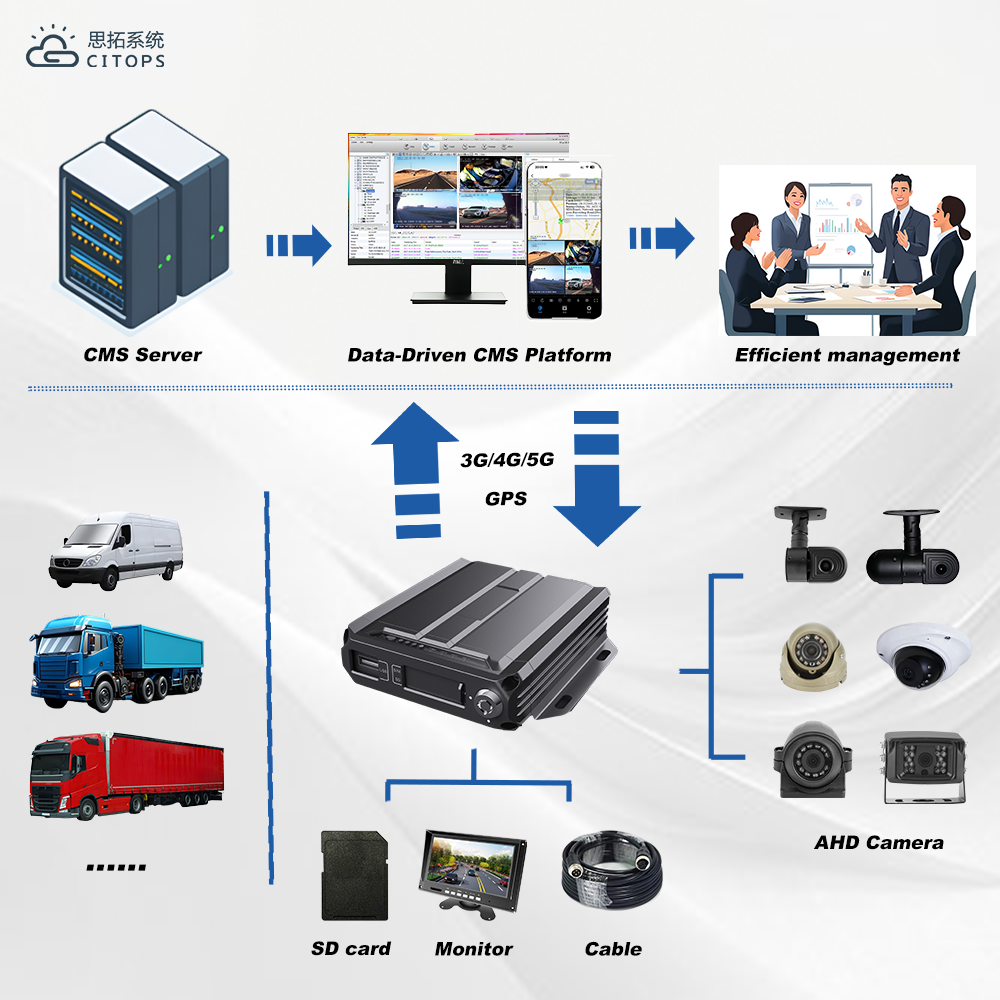
Remote management capabilities allow fleet administrators to configure system settings, review recorded footage, and monitor system health across entire vehicle fleets from centralized control centers. The mobile DVR solution should provide comprehensive remote access to all system functions while maintaining security protocols and user access controls.
Automated alert systems notify fleet managers of critical events, system malfunctions, or unusual vehicle behavior patterns, enabling proactive response to potential issues before they escalate into significant problems. These intelligent monitoring capabilities reduce manual oversight requirements while improving response times and operational efficiency.
Software update capabilities ensure the mobile DVR solution remains current with security patches, feature enhancements, and regulatory compliance updates without requiring physical access to individual vehicles. Remote update management reduces maintenance costs and ensures consistent system performance across entire fleet operations.
Installation and Integration Considerations
Vehicle Compatibility and Mounting Options
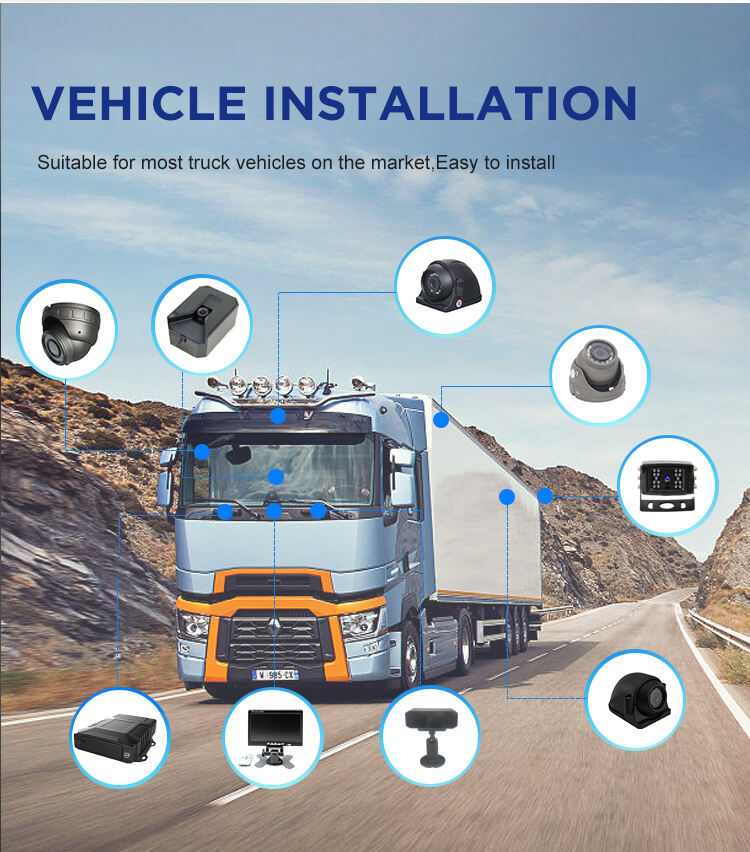
Successful implementation of a mobile DVR solution requires careful consideration of vehicle-specific installation requirements and mounting configurations that ensure optimal camera positioning and system accessibility. Different vehicle types, including delivery trucks, long-haul tractor-trailers, and service vehicles, present unique installation challenges that affect camera placement and system integration.
Professional installation services ensure proper system mounting, cable routing, and power connection integration that meets safety standards and maintains vehicle warranty compliance. The mobile DVR solution installation should minimize interference with existing vehicle systems while providing secure mounting that withstands vibration, temperature fluctuations, and operational stresses.
Integration with existing fleet management systems, including electronic logging devices, fuel monitoring systems, and maintenance tracking platforms, creates comprehensive operational oversight through a single mobile DVR solution interface. This integration reduces system complexity and training requirements while improving data correlation and operational analysis capabilities.
Cost Analysis and Return on Investment
Initial Investment and Operational Costs
Comprehensive cost analysis for mobile DVR solution implementation includes initial hardware costs, installation expenses, ongoing service fees, and data management costs that affect long-term operational budgets. Fleet managers should evaluate total cost of ownership over expected system lifespan rather than focusing solely on initial purchase prices.
Subscription services for cloud storage, remote monitoring, and software updates represent ongoing operational expenses that vary based on fleet size, recording duration requirements, and feature utilization levels. The mobile DVR solution provider should offer transparent pricing models that allow accurate budget planning and cost forecasting for multi-year implementations.
Financing options and leasing programs may reduce initial capital requirements while providing predictable monthly expenses that simplify budget management and allow fleet expansion without significant upfront investments. These financial arrangements should include comprehensive service support and equipment replacement provisions for long-term operational continuity.
Insurance and Liability Benefits
Implementation of a comprehensive mobile DVR solution often results in reduced insurance premiums and liability exposure through improved incident documentation and driver behavior monitoring capabilities. Insurance providers frequently offer discounts for fleets that demonstrate proactive safety management through video recording and monitoring systems.
Accident investigation and liability determination benefit significantly from high-quality video evidence provided by mobile DVR solution systems, often resulting in faster claim resolution and reduced legal expenses. Clear documentation of incident circumstances protects fleet operators from fraudulent claims and provides compelling evidence for legal proceedings.
Driver behavior improvement programs supported by video analysis capabilities can reduce accident frequency and severity, resulting in lower insurance costs and improved safety records over time. The mobile DVR solution investment typically pays for itself through combined insurance savings and reduced accident-related expenses within the first operational year.
Contact us for customized fleet DVR solutions to improve safety and efficiency.

FAQ
What recording resolution should I choose for my fleet's mobile DVR solution?
For most commercial fleet applications, 1080p Full HD resolution provides an optimal balance between recording quality and storage efficiency. This resolution offers sufficient detail for incident documentation, license plate reading, and driver behavior analysis while maintaining reasonable file sizes and storage requirements for extended recording periods.
How much storage capacity does a mobile DVR solution typically require?
Storage requirements vary based on recording quality settings, number of cameras, and retention periods, but most fleet operations require between 128GB to 2T of local storage for 7-30 days of continuous recording. Cloud storage integration can extend retention periods indefinitely while reducing local storage requirements through automated data transfer and archival processes.
Can mobile DVR systems integrate with existing fleet management platforms?
Modern mobile DVR solution systems offer extensive integration capabilities through APIs and standard communication protocols that connect with most fleet management platforms, ELD systems, and telematics providers. This integration enables centralized data management and comprehensive operational oversight through existing management interfaces.
What ongoing maintenance is required for mobile DVR systems?
Mobile DVR solution maintenance typically includes periodic camera cleaning, storage device monitoring, software updates, and system health checks performed during regular vehicle maintenance schedules. Most systems provide automated diagnostic capabilities that alert fleet managers to potential issues before they affect recording capabilities or system performance.