
 EN
EN
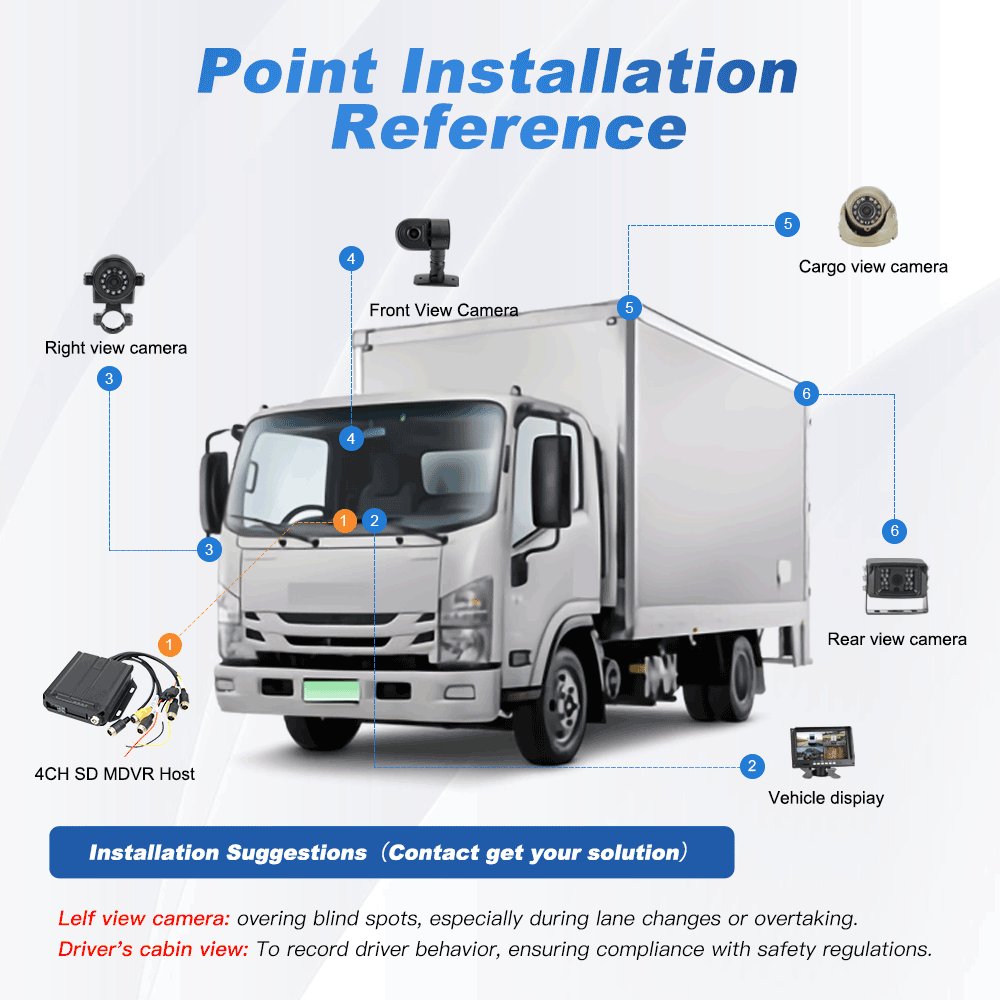
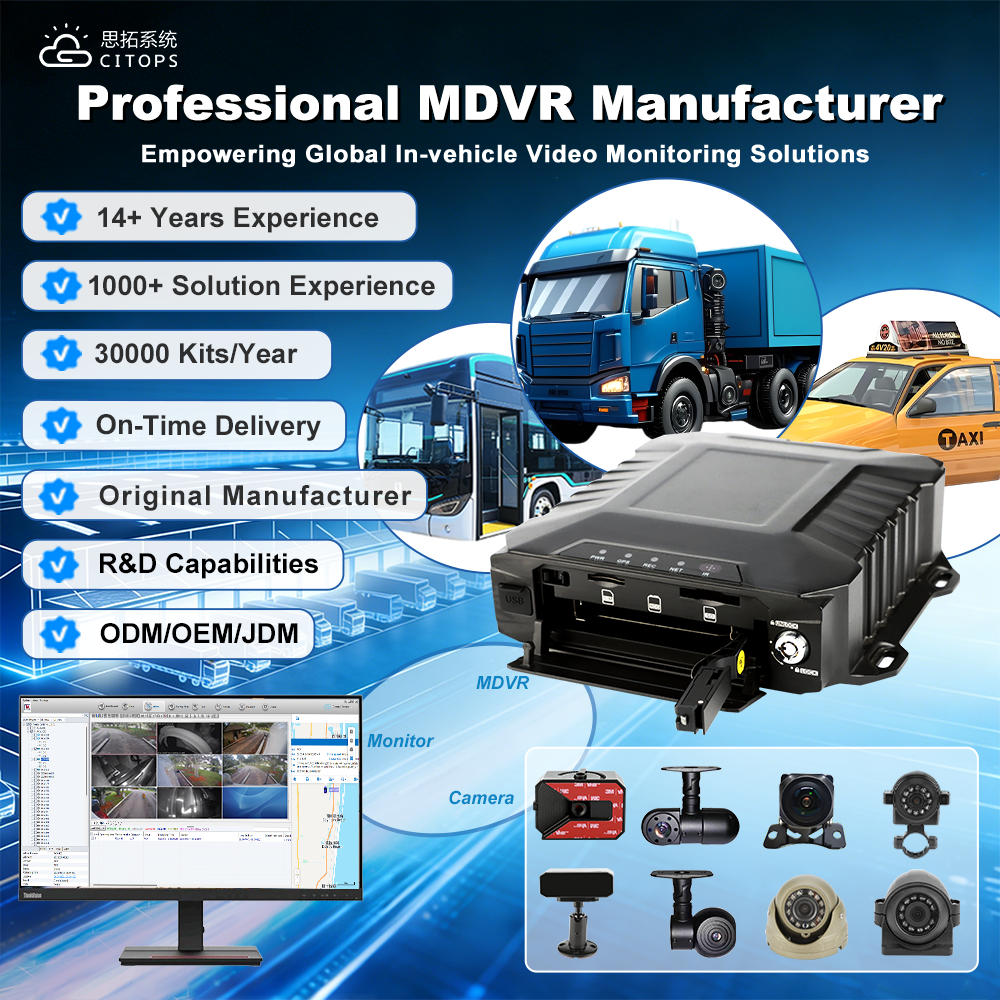
The transportation and fleet management industry continues to evolve rapidly, with technology playing a crucial role in enhancing safety, security, and operational efficiency. Mobile DVR systems have emerged as essential components for businesses operating vehicle fleets, public transportation, emergency services, and logistics operations. These sophisticated recording systems provide real-time monitoring capabilities while capturing high-quality footage that can be invaluable for incident analysis, driver training, and legal protection.
Understanding the complexities involved in selecting the right mobile DVR solution requires careful consideration of various technical specifications, operational requirements, and long-term strategic goals. Modern businesses demand comprehensive surveillance solutions that integrate seamlessly with existing fleet management systems while providing robust data security and reliable performance under challenging conditions. The decision-making process becomes even more critical when considering that these systems often represent significant capital investments with multi-year operational lifespans.
Technical Specifications and Performance Requirements
Video Quality and Resolution Standards
Video quality stands as one of the most fundamental considerations when evaluating mobile DVR options for commercial applications. High-definition recording capabilities ensure that captured footage provides sufficient detail for accident reconstruction, security incident analysis, and regulatory compliance documentation. Most modern systems support multiple resolution options, ranging from standard definition to full HD 1080p, with some advanced units offering 4K recording capabilities for critical applications.
The choice of resolution directly impacts storage requirements, bandwidth consumption, and overall system performance. Higher resolution recordings consume more storage space and require more robust processing power, which can affect the mobile DVR unit's ability to handle multiple simultaneous recording streams. Organizations must balance their need for detailed footage with practical considerations such as storage capacity limitations and data transmission costs over cellular networks.
Channel Configuration and Camera Integration
Multi-channel recording capability represents another crucial specification that determines how comprehensively a mobile DVR system can monitor vehicle operations. Four-channel systems provide adequate coverage for standard applications, supporting front-facing, rear-view, and interior cabin cameras, along with an additional external view. However, larger vehicles or specialized applications may require eight-channel or sixteen-channel configurations to achieve complete perimeter coverage.
Camera compatibility and integration flexibility allow organizations to customize their surveillance setup according to specific operational needs. Modern mobile DVR systems support various camera types, including analog cameras, IP cameras, and specialized sensors such as infrared units for night vision capabilities. The ability to mix and match different camera technologies within a single system provides operational flexibility while enabling cost-effective implementation strategies.
Storage Solutions and Data Management
Local Storage Capacity and Redundancy
Effective data storage management forms the backbone of any reliable mobile DVR implementation, requiring careful consideration of capacity requirements, redundancy mechanisms, and data retrieval procedures. Local storage solutions typically utilize solid-state drives or specialized automotive hard drives designed to withstand vibration, temperature fluctuations, and shock loads commonly encountered in mobile environments.
Storage capacity calculations must account for recording resolution, frame rates, compression algorithms, and retention period requirements. A typical mobile DVR operating with four cameras at 720p resolution may generate several gigabytes of data daily, requiring substantial local storage or frequent data offloading procedures. Organizations should also consider implementing RAID configurations or dual-drive systems to prevent data loss due to hardware failures.
Remote Access and Cloud Integration
Modern fleet operations demand real-time access to vehicle surveillance data, making remote connectivity and cloud integration essential features for contemporary mobile DVR systems. Cellular connectivity enables live streaming capabilities, allowing fleet managers and security personnel to monitor ongoing situations remotely and respond appropriately to incidents as they develop.
Cloud storage integration provides additional data protection while enabling centralized management of footage from multiple vehicles across entire fleet operations. However, organizations must carefully evaluate data transmission costs, bandwidth limitations, and privacy regulations when implementing cloud-based storage solutions. The mobile DVR systems that offer flexible connectivity options allow organizations to balance real-time monitoring needs with cost management considerations.
Integration Capabilities and Fleet Management
GPS Tracking and Telematics Integration
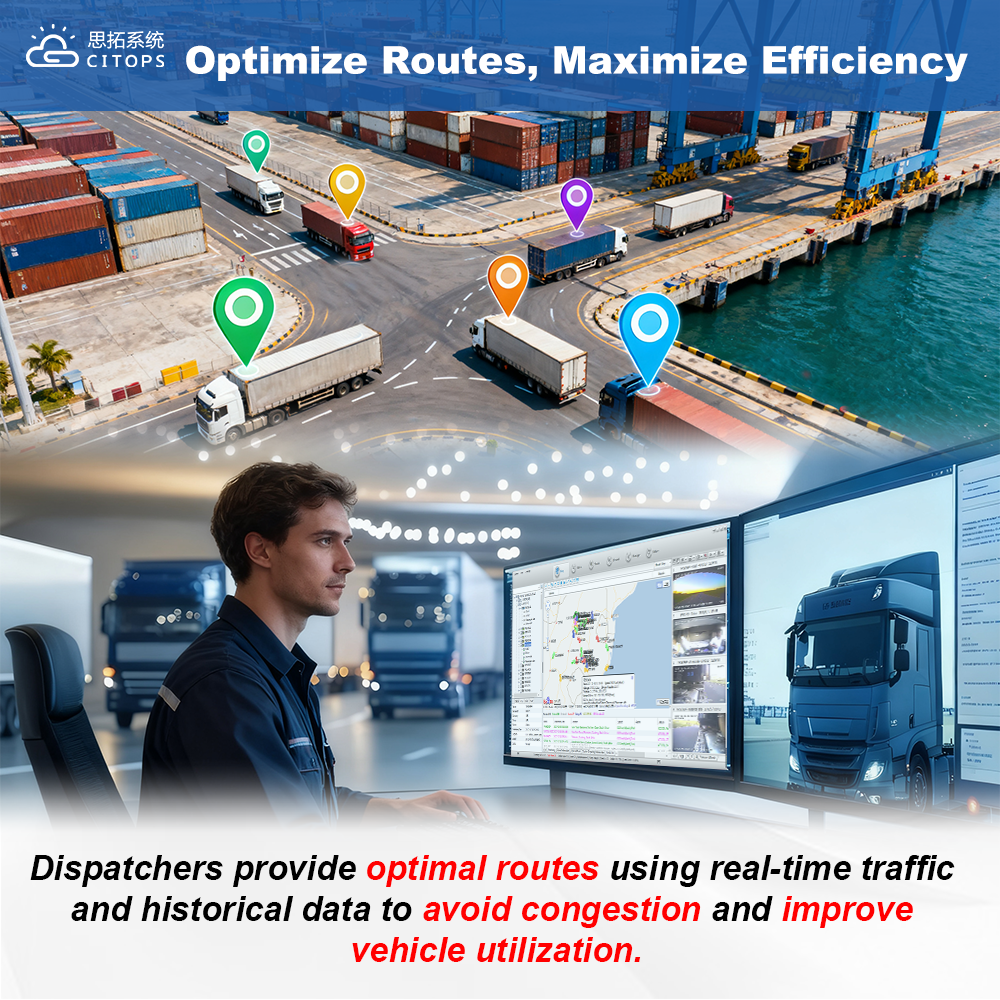
Geographic positioning integration transforms basic mobile DVR systems into comprehensive fleet monitoring solutions that provide valuable operational insights beyond simple video recording. GPS functionality enables automatic incident correlation with precise location data, creating detailed records that prove invaluable for insurance claims, accident investigations, and route optimization analysis.
Advanced telematics integration allows mobile DVR systems to interface with vehicle diagnostic systems, driver behavior monitoring tools, and fuel management platforms. This comprehensive data correlation enables organizations to identify patterns, improve operational efficiency, and implement targeted driver training programs based on objective performance metrics rather than subjective observations.
Fleet Management Software Compatibility
Seamless integration with existing fleet management software platforms eliminates data silos while providing centralized control over surveillance operations across entire vehicle fleets. Modern mobile DVR systems offer API compatibility with popular fleet management platforms, enabling automated data synchronization and streamlined reporting procedures.
Compatibility considerations extend beyond basic data integration to include user interface consistency, reporting format standardization, and workflow automation capabilities. Organizations benefit significantly when their mobile DVR solution integrates naturally with existing operational procedures rather than requiring entirely new management processes and training programs.
Environmental Durability and Reliability
Operating Conditions and Environmental Resistance
Mobile DVR systems must withstand harsh environmental conditions that would quickly damage standard consumer electronics, including extreme temperatures, vibration, humidity, and electromagnetic interference. Automotive-grade components and ruggedized enclosures ensure reliable operation across diverse climate conditions and demanding operational environments.
Temperature specifications become particularly critical for vehicles operating in extreme climates or those parked in direct sunlight for extended periods. Quality mobile DVR units incorporate thermal management systems and component selection specifically designed for automotive applications, ensuring consistent performance regardless of environmental challenges.
Power Management and Vehicle Integration
Efficient power management directly impacts both system reliability and vehicle electrical system performance, making power consumption specifications essential evaluation criteria for mobile DVR selection. Well-designed systems incorporate intelligent power management features that prevent battery drain during extended parking periods while maintaining critical security functions.
Vehicle integration complexity varies significantly between different mobile DVR models, with some requiring extensive custom installation procedures while others offer plug-and-play compatibility with standard vehicle electrical systems. Organizations should consider installation requirements, maintenance accessibility, and potential impact on vehicle warranty coverage when evaluating different system options.
Security Features and Data Protection
Data Encryption and Access Control
Data security represents a critical consideration for organizations implementing mobile DVR systems, particularly those operating in regulated industries or handling sensitive cargo. Robust encryption protocols protect recorded footage from unauthorized access while ensuring compliance with privacy regulations and industry standards.
Multi-level access control systems enable organizations to implement role-based permissions that restrict sensitive footage access to authorized personnel only. These security measures prove essential for maintaining chain-of-custody requirements for legal proceedings while protecting employee privacy rights and organizational confidentiality.
Tamper Detection and Physical Security
Physical security features prevent unauthorized system modifications that could compromise evidence integrity or disable critical surveillance functions. Advanced mobile DVR systems incorporate tamper detection mechanisms that generate alerts when someone attempts to disconnect, remove, or modify system components.
Secure mounting systems and concealed installations reduce the likelihood of theft or vandalism while maintaining system functionality. Organizations operating in high-risk environments should prioritize mobile DVR solutions that offer robust physical security features alongside comprehensive digital protection mechanisms.
Cost Considerations and Return on Investment
Initial Investment and Implementation Costs
Total cost of ownership calculations must encompass initial equipment costs, installation expenses, training requirements, and ongoing operational expenditures to provide accurate financial projections for mobile DVR implementations. While budget considerations often drive initial selection criteria, organizations should evaluate long-term value propositions rather than focusing solely on upfront costs.
Implementation costs extend beyond equipment purchase to include professional installation services, system configuration, employee training, and potential vehicle downtime during installation procedures. Organizations should request comprehensive cost breakdowns that include all associated expenses to enable accurate budget planning and vendor comparison analysis.
Operational Benefits and Cost Savings
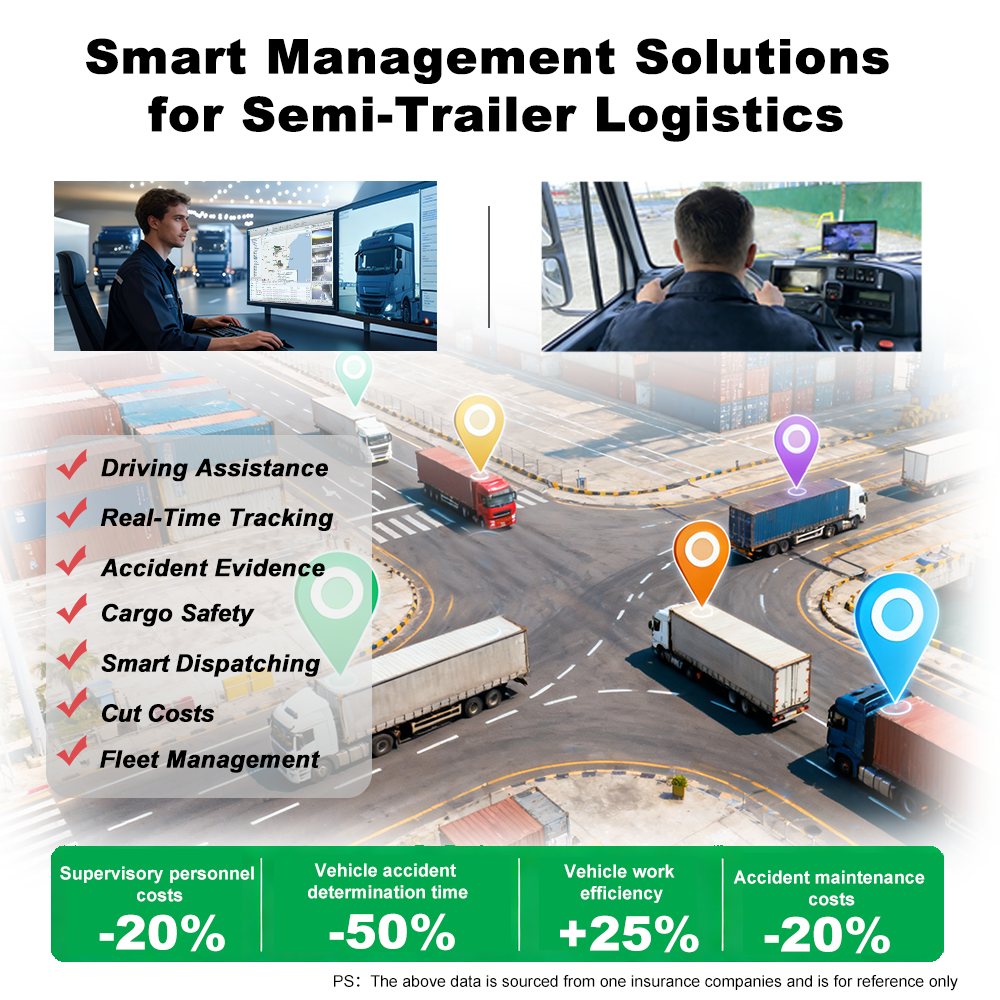
Mobile DVR systems generate measurable operational benefits that often justify their implementation costs through reduced insurance premiums, improved driver behavior, decreased accident rates, and enhanced incident resolution efficiency. These systems provide objective evidence for insurance claims, potentially reducing settlement times and improving claim outcomes.
Driver behavior improvement represents another significant source of operational savings, as mobile DVR systems encourage safer driving practices while providing concrete data for performance evaluation and training purposes. Fleet managers report substantial reductions in fuel consumption, maintenance costs, and liability exposure following mobile DVR implementation.
Vendor Selection and Support Services
Technical Support and Maintenance
Ongoing technical support quality directly impacts mobile DVR system reliability and operational effectiveness, making vendor support capabilities essential evaluation criteria. Organizations should investigate support availability, response times, troubleshooting procedures, and escalation processes before making final vendor selections.
Maintenance requirements vary significantly between different mobile DVR systems, with some requiring regular professional servicing while others operate with minimal intervention. Understanding maintenance schedules, replacement part availability, and service costs enables organizations to plan operational budgets accurately while ensuring consistent system performance.
Training and User Education
Comprehensive training programs ensure that fleet managers, drivers, and maintenance personnel understand mobile DVR system operation, basic troubleshooting procedures, and data retrieval processes. Effective training reduces operational errors while maximizing system utilization and return on investment.
User-friendly interfaces and intuitive operation reduce training requirements while improving system adoption rates among fleet personnel. Organizations should evaluate system usability during vendor demonstrations to ensure compatibility with existing skill levels and operational procedures.
Choose CITOPS to build a safer, smarter, and future-ready mobile DVR system tailored to your operational needs.

FAQ
How many channels does a typical mobile DVR system need for comprehensive fleet monitoring
Most standard fleet applications require four-channel mobile DVR systems to provide adequate coverage with front-facing, rear-view, driver-facing, and passenger area cameras. However, larger vehicles, specialized transport operations, or high-security applications may benefit from eight-channel or sixteen-channel configurations that support additional exterior cameras and specialized monitoring equipment.
What storage capacity should organizations plan for when implementing mobile DVR systems
Storage requirements depend heavily on recording resolution, frame rates, and retention periods, but typical four-camera mobile DVR systems recording at 720p resolution generate approximately 2-4 GB of data daily. Organizations should plan for local storage capacities ranging from 500GB to 2TB depending on their specific retention requirements and data offloading schedules.
Can mobile DVR systems integrate with existing fleet management software platforms
Modern mobile DVR systems offer extensive integration capabilities through standardized APIs and communication protocols that enable seamless data sharing with popular fleet management platforms. Integration typically includes GPS data correlation, incident reporting, vehicle diagnostic information, and automated alert generation that enhances overall fleet monitoring effectiveness.
What environmental conditions can quality mobile DVR systems withstand during operation
Automotive-grade mobile DVR systems operate reliably across temperature ranges from -20°F to 70°F while withstanding significant vibration, humidity, and electromagnetic interference common in vehicle environments. Quality systems incorporate ruggedized components and thermal management features specifically designed for demanding mobile applications that would quickly damage standard consumer electronics.
Table of Contents
- Technical Specifications and Performance Requirements
- Storage Solutions and Data Management
- Integration Capabilities and Fleet Management
- Environmental Durability and Reliability
- Security Features and Data Protection
- Cost Considerations and Return on Investment
- Vendor Selection and Support Services
-
FAQ
- How many channels does a typical mobile DVR system need for comprehensive fleet monitoring
- What storage capacity should organizations plan for when implementing mobile DVR systems
- Can mobile DVR systems integrate with existing fleet management software platforms
- What environmental conditions can quality mobile DVR systems withstand during operation