
 EN
EN
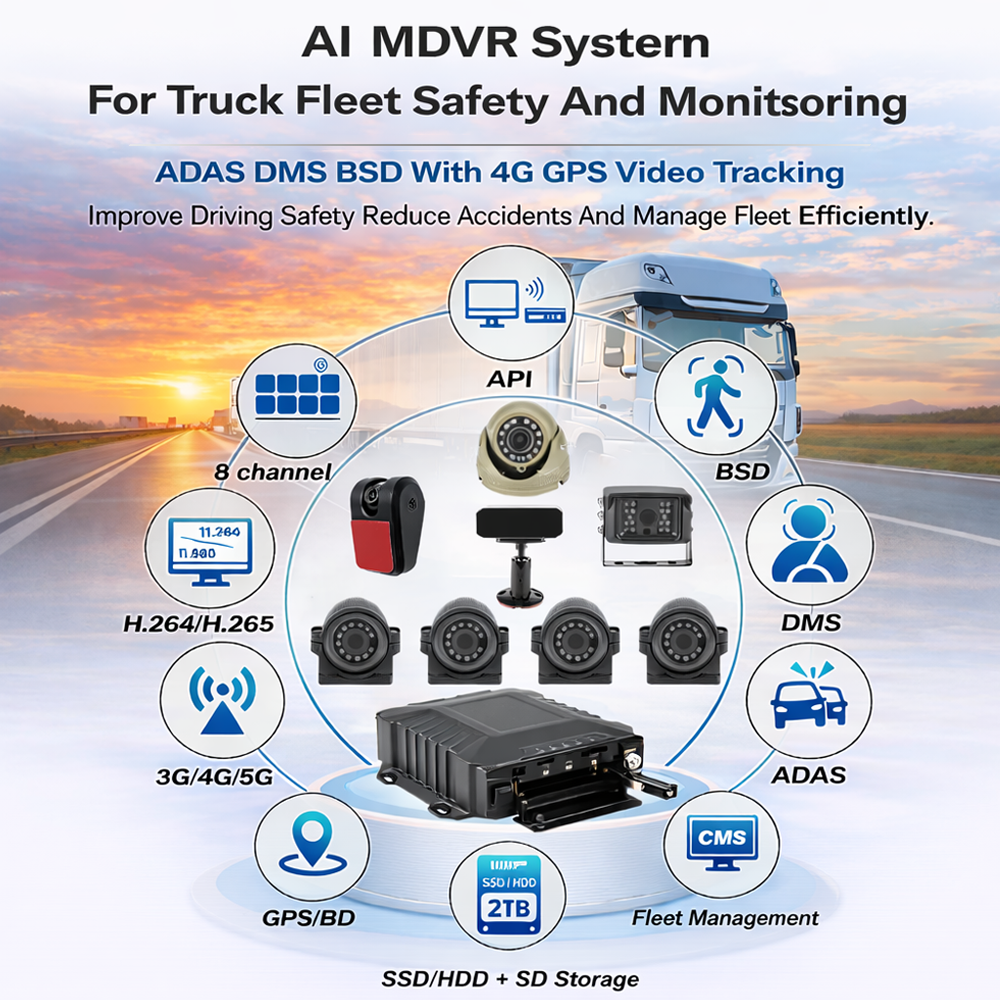
Fleet safety management has reached a critical juncture where traditional monitoring systems are no longer sufficient to address the complex challenges facing commercial transportation. Modern fleet operators are increasingly turning to advanced truck camera systems that combine video recording with real-time monitoring capabilities. The integration of AI MDVR camera systems with Advanced Driver Assistance Systems (ADAS), Driver Monitoring Systems (DMS), and blind-spot detection represents a powerful approach to vehicular safety that transforms how fleet managers monitor, analyze, and respond to potential hazards.
The evolution of fleet safety technology has accelerated dramatically in recent years, driven by regulatory requirements, insurance considerations, and the fundamental need to protect both drivers and the public. AI MDVR camera system technology stands at the forefront of this transformation, offering clear visibility into vehicle operations while providing real-time alert capabilities that can help prevent accidents before they occur. This comprehensive approach to fleet safety management extends far beyond simple video recording, incorporating intelligent video analysis to continuously evaluate driver behavior, vehicle performance, and road conditions.
Understanding AI Camera System Technology Foundation
Core Components of Modern AI MDVR Systems
The foundation of AI MDVR camera system technology rests on several interconnected components that work together to create a comprehensive safety monitoring ecosystem. At its core, the system includes high-definition video recording that captures both interior and exterior vehicle environments. These recording functions are supported by video processing units that analyze video feeds in real time, identifying potential safety risks and triggering alerts.
The integration of GPS tracking, 4G connectivity, and cloud-based storage ensures that critical safety data is always accessible to fleet managers, regardless of vehicle location.
Modern AI MDVR systems utilize intelligent video analysis to recognize unsafe driving behaviors and potential risks. These systems can distinguish between normal driving and dangerous situations, reducing false alarms while ensuring real threats receive immediate attention. The hardware is designed to operate reliably in harsh vehicle environments such as trucks, buses, and construction equipment.
Integration Capabilities and System Architecture
The architecture of modern AI MDVR systems is designed to accommodate multiple input sources and output channels, creating a unified platform for fleet safety management. Integration capabilities extend to existing vehicle systems, including engine diagnostics, braking systems, and electronic stability controls. This comprehensive integration allows the AI MDVR to correlate driver behavior with vehicle performance metrics, providing a more complete picture of safety-related events.
System architecture considerations include redundancy measures that ensure continued operation even if individual components experience failures. Dual storage capabilities, backup communication channels, and failsafe mechanisms are standard features that maintain system reliability under adverse conditions. The scalability of AI MDVR systems allows fleet operators to implement solutions that grow with their operational needs, accommodating everything from small delivery fleets to large-scale transportation networks.
Advanced Driver Assistance Systems Integration
Collision Warning and Prevention Mechanisms
The foundation of AI MDVR camera system technology rests on several interconnected components that work together to create a comprehensive safety monitoring ecosystem. At its core, the system includes high-definition video recording that captures both interior and exterior vehicle environments. These recording functions are supported by video processing units that analyze video feeds in real time, identifying potential safety risks and triggering alerts.
The integration of GPS tracking, 4G connectivity, and cloud-based storage ensures that critical safety data is always accessible to fleet managers, regardless of vehicle location.
Modern AI MDVR systems utilize intelligent video analysis to recognize unsafe driving behaviors and potential risks. These systems can distinguish between normal driving and dangerous situations, reducing false alarms while ensuring real threats receive immediate attention. The hardware is designed to operate reliably in harsh vehicle environments such as trucks, buses, and construction equipment.
Speed Management and Traffic Sign Recognition
Speed monitoring features track vehicle speed in real time relative to road conditions. Traffic sign recognition helps drivers stay informed about speed limits and road regulations.
When unsafe speed is combined with risky driving behavior, MDVR systems can trigger alerts, helping drivers adjust in time and reducing accident risks.
Driver Monitoring Systems and Behavioral Analysis
Fatigue Detection and Alertness Monitoring
Driver fatigue is one of the biggest risks in fleet operations. MDVR camera systems monitor driver status using in-cabin cameras, analyzing eye movement, head position, and attention level to detect early signs of fatigue.
These systems help identify risky conditions before accidents occur, allowing fleet managers to intervene and improve driver safety.

Distraction Recognition and Response Systems
AI MDVR systems can detect distracted driving behaviors such as phone usage, smoking, or looking away from the road. When detected, alerts are triggered to notify both the driver and fleet manager.
This helps reduce accidents caused by human error and improves overall driver performance.
Blind-Spot Detection and Monitoring Capabilities
Multi-Camera Coverage and Visibility Enhancement
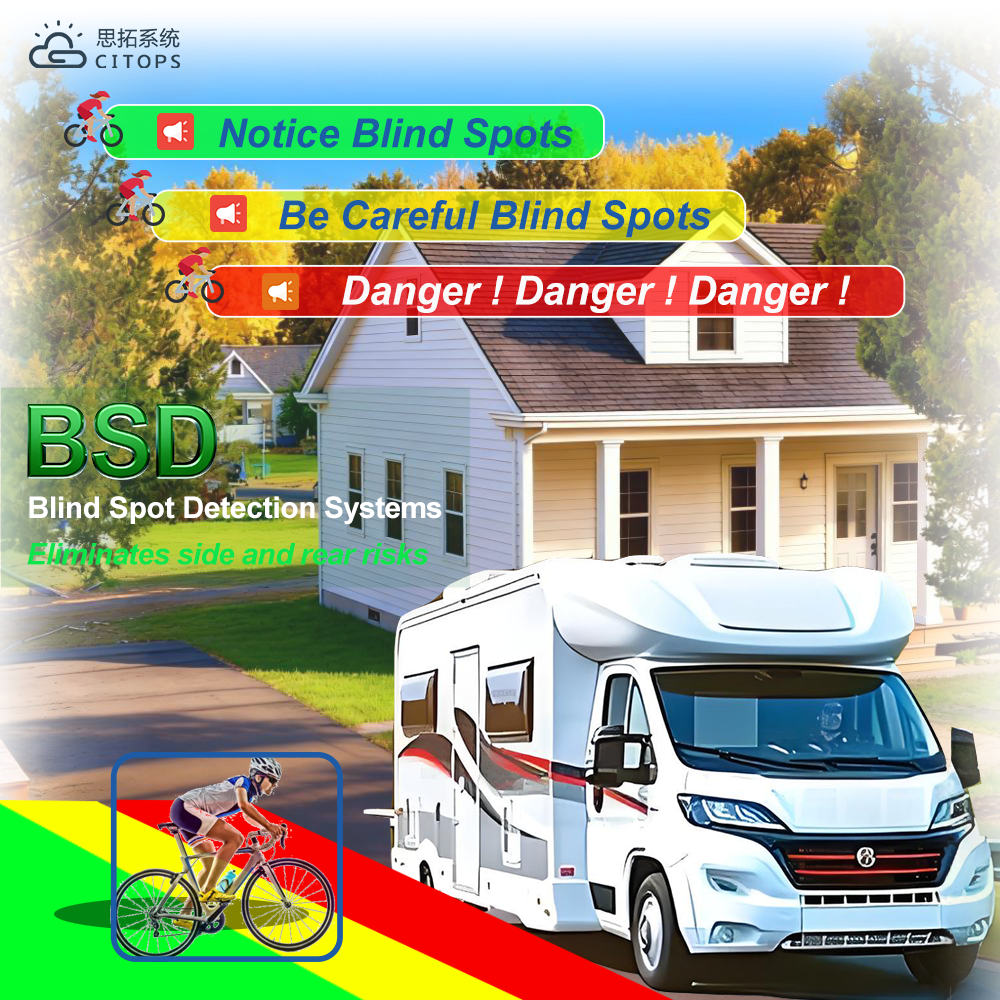
Blind spots are a major cause of accidents in large vehicles. MDVR systems use multiple cameras to provide full vehicle coverage, including side and rear views.
Real-time video analysis identifies vehicles, pedestrians, or obstacles in blind spots and alerts the driver immediately.
Lane Change Assistance and Maneuvering Support
MDVR systems assist drivers during lane changes by monitoring surrounding traffic and providing alerts. This reduces collision risks during maneuvering.
The system also supports reversing, parking, and tight-space navigation, improving operational efficiency and reducing damage incidents.
Real-Time Data Processing and Response Systems
Immediate Alert Generation and Communication
MDVR systems process multiple data streams in real time, including video, GPS, and vehicle data. This enables fast detection of risks and immediate alert generation.
Alerts can be sent to drivers, fleet managers, and control centers simultaneously, ensuring quick response to safety events.
Data Analysis and Risk Assessment
Modern AI MDVR systems analyze historical and real-time data to identify risk patterns. This allows fleet managers to make better decisions regarding routes, drivers, and operations.
By combining monitoring and data analysis, fleets can proactively reduce risks rather than reacting after incidents.
Fleet Management Integration and Operational Benefits
Centralized Monitoring and Control Systems
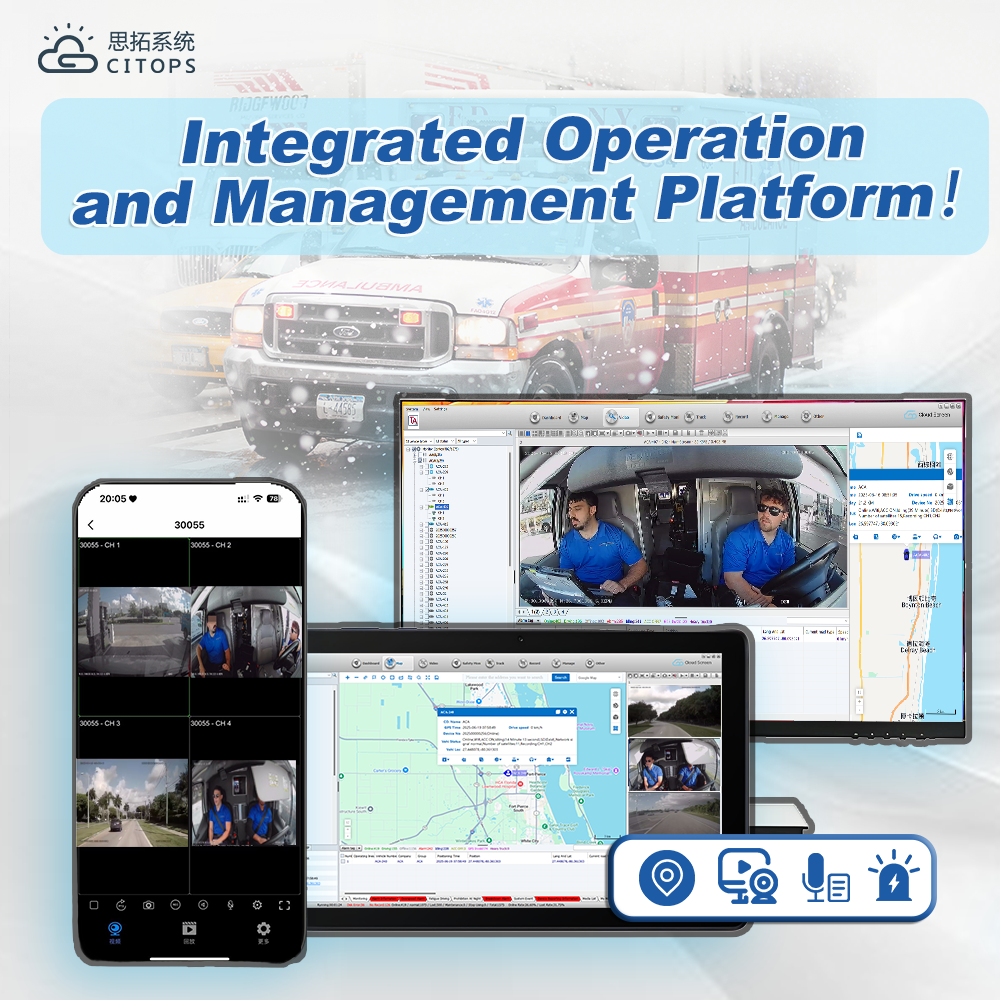
The integration of MDVR camera systems with fleet management platforms enables centralized monitoring and control across all vehicles, transforming how fleet operators manage daily operations.
· View real-time video from multiple vehicles simultaneously
· Track vehicle locations with GPS in real time
· Monitor driver behavior and safety events
· Access historical playback for route and incident analysis
This centralized visibility allows managers to move from passive supervision to active fleet control, improving both safety and operational efficiency.
In addition, MDVR systems support remote configuration and system updates, allowing fleet managers to adjust alert rules, recording settings, and monitoring parameters without requiring on-site intervention. This significantly reduces management costs and improves response speed.
Data-Driven Fleet Optimization
Beyond safety monitoring, MDVR systems provide valuable operational data that can be used to optimize fleet performance.
By analyzing video, GPS data, and driver behavior, fleet operators can:
· Identify inefficient routes and reduce fuel consumption
· Detect excessive idling or unauthorized vehicle usage
· Evaluate driver performance and improve training programs
· Optimize dispatch decisions based on real-time vehicle status
This data-driven approach enables companies to continuously improve efficiency while reducing operational costs.
Cost Reduction and Insurance Benefits
The implementation of MDVR camera systems delivers measurable financial benefits across multiple areas of fleet operations.
By reducing accident frequency and severity, fleets can:
- Lower insurance premiums
- Reduce repair and maintenance costs
- Minimize downtime caused by incidents
- Decrease legal risks through video evidence
Video evidence is especially valuable in accident disputes, as it provides clear and objective records of events. This helps fleet operators quickly resolve claims and avoid unnecessary compensation.
Over time, these cost savings often exceed the initial investment in MDVR systems, making them a cost-effective solution for long-term fleet management.
Improved Driver Management and Accountability
MDVR systems also play a key role in improving driver behavior and accountability
With continuous monitoring and recorded data, fleet managers can:
- Identify unsafe driving habits such as harsh braking or distraction
- Provide targeted driver training and coaching
- Establish clear safety standards and compliance policies
- Reward safe driving and improve driver retention
This creates a more transparent and fair management environment, where performance is based on real data rather than subjective evaluation.
As a result, drivers become more aware of their behavior, leading to safer driving practices and fewer incidents.
Implementation Strategies and Best Practices
System Selection and Configuration
Choosing the right MDVR system is critical for achieving optimal performance and long-term value.
Fleet operators should consider:
- Number of camera channels required (2CH / 4CH / 8CH)
- Support for ADAS, DMS, and blind spot detection
- Stability of 4G connectivity and platform performance
- Storage options such as TF card or HDD
- Compatibility with existing fleet management systems
Proper system configuration is equally important. Alert sensitivity, recording modes, and monitoring rules should be adjusted based on real operating conditions to ensure accuracy and avoid unnecessary alerts.
Deployment and Installation Planning
A well-planned deployment strategy helps ensure smooth implementation across the fleet.
Best practices include:
- Prioritizing high-risk vehicles or routes for initial installation
- Scheduling installation to minimize operational disruption
- Ensuring proper camera placement for maximum coverage
- Testing system performance before full rollout
Gradual deployment allows fleet operators to identify issues early and optimize system settings before scaling.
Training and Change Management
Successful adoption of MDVR systems depends on effective training and communication.
Drivers should be trained on:
- Understanding system alerts and responses
- Proper use of in-cabin devices
- Safety benefits of monitoring systems
At the same time, fleet managers should focus on:
- Interpreting data and reports
- Managing alerts and incidents
- Using the platform for decision-making
Clear communication helps reduce resistance and ensures that drivers understand that the system is designed to improve safety, not just monitor behavior.
Future Developments and Technology Evolution
Emerging Technologies and Integration Opportunities
The future of MDVR camera systems will be driven by advancements in connectivity and data processing technologies.
With the development of 5G networks and edge computing, MDVR systems will achieve:
- Faster video transmission with lower latency
- More stable real-time monitoring
- Improved data processing directly on the device
These improvements will enhance system reliability and expand use cases across different industries.
Industry Trends and Standardization
As adoption grows, industry standards for vehicle camera systems and fleet monitoring solutions will continue to evolve.
Future trends may include:
- Standardized safety requirements for commercial fleets
- Increased demand for video-based monitoring systems
- Greater focus on compliance and data transparency
Companies that adopt MDVR systems early will be better positioned to meet future regulatory requirements and maintain a competitive advantage in the market.
Upgrade your fleet safety with advanced AI MDVR solutions from CITOPS. Improve driver safety, monitor vehicles in real time, and reduce risks. Contact us today for a customized MDVR solution.
 https://www.citops.com/contact-us
FAQ
What is the typical return on investment timeline for AI MDVR systems
Most fleet operators achieve a clear return on investment within 12 to 18 months after deploying MDVR camera systems, primarily through reduced accident rates, lower insurance premiums, and improved operational efficiency. The actual ROI timeline depends on factors such as fleet size, current safety performance, and system configuration, with larger fleets typically seeing faster returns due to higher exposure to risk and greater cost savings potential, while smaller fleets may take slightly longer but still benefit from improved visibility, reduced disputes, and better driver management over time.
How do AI MDVR camera systems handle privacy concerns and data security
Modern AI MDVR camera systems are designed with strong data security and privacy protection mechanisms, including encrypted data transmission, secure cloud or local storage, and strict access control to ensure that only authorized personnel can view video and operational data. At the same time, companies can define clear data usage and retention policies to balance driver privacy with safety monitoring needs, ensuring compliance with local regulations while maintaining effective fleet supervision and protecting sensitive information.
Can AI MDVR camera systems be retrofitted to existing fleet vehicles
Yes,AI MDVR camera systems are specifically designed for easy installation and can be retrofitted to most existing vehicles, including trucks, vans, buses, and construction equipment. The installation process is straightforward for professional technicians and typically takes only a few hours per vehicle, allowing fleet operators to deploy the system without significant downtime and gradually upgrade their fleet while maintaining normal operations.
What maintenance requirements are associated with AI MDVR camera systems
AI MDVR camera systems require minimal ongoing maintenance, mainly involving periodic software updates and basic camera cleaning to ensure clear video quality and stable performance. Most systems are equipped with self-diagnostic functions that can detect and report potential issues in advance, reducing the need for manual inspection, while more complex technical support can be handled by professional service teams when necessary, making the overall maintenance cost low and manageable for fleet operators.
Table of Contents
- Understanding AI Camera System Technology Foundation
- Advanced Driver Assistance Systems Integration
- Driver Monitoring Systems and Behavioral Analysis
- Blind-Spot Detection and Monitoring Capabilities
- Real-Time Data Processing and Response Systems
- Fleet Management Integration and Operational Benefits
- Implementation Strategies and Best Practices
- Future Developments and Technology Evolution
- FAQ