
 EN
EN
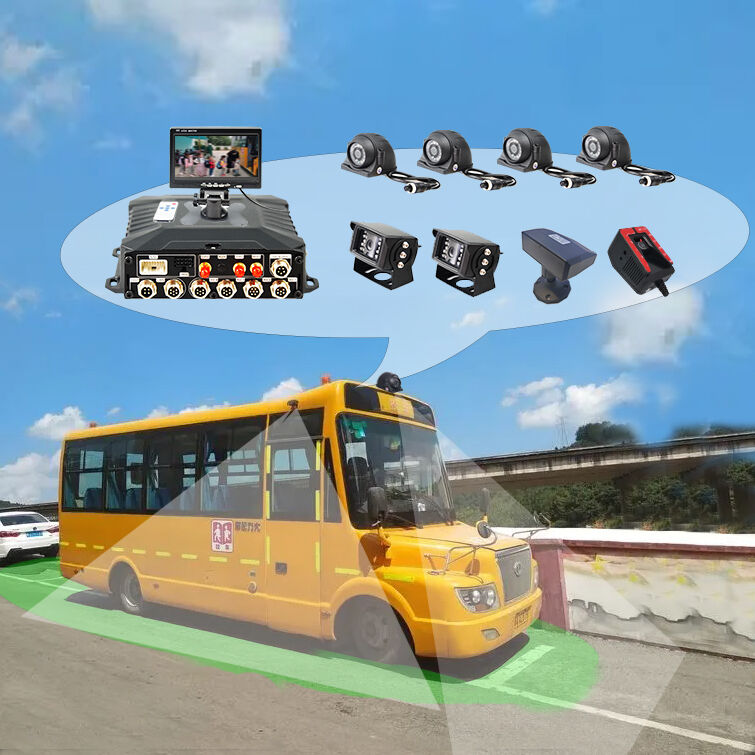
Selecting the right Bus Mobile DVR System for public transport operations requires careful evaluation of technical specifications, operational requirements, and long-term fleet management goals. Modern public transportation agencies face increasing demands for passenger safety, driver accountability, incident documentation, and operational efficiency, making the choice of mobile DVR technology a critical business decision that impacts daily operations, legal compliance, and public trust.
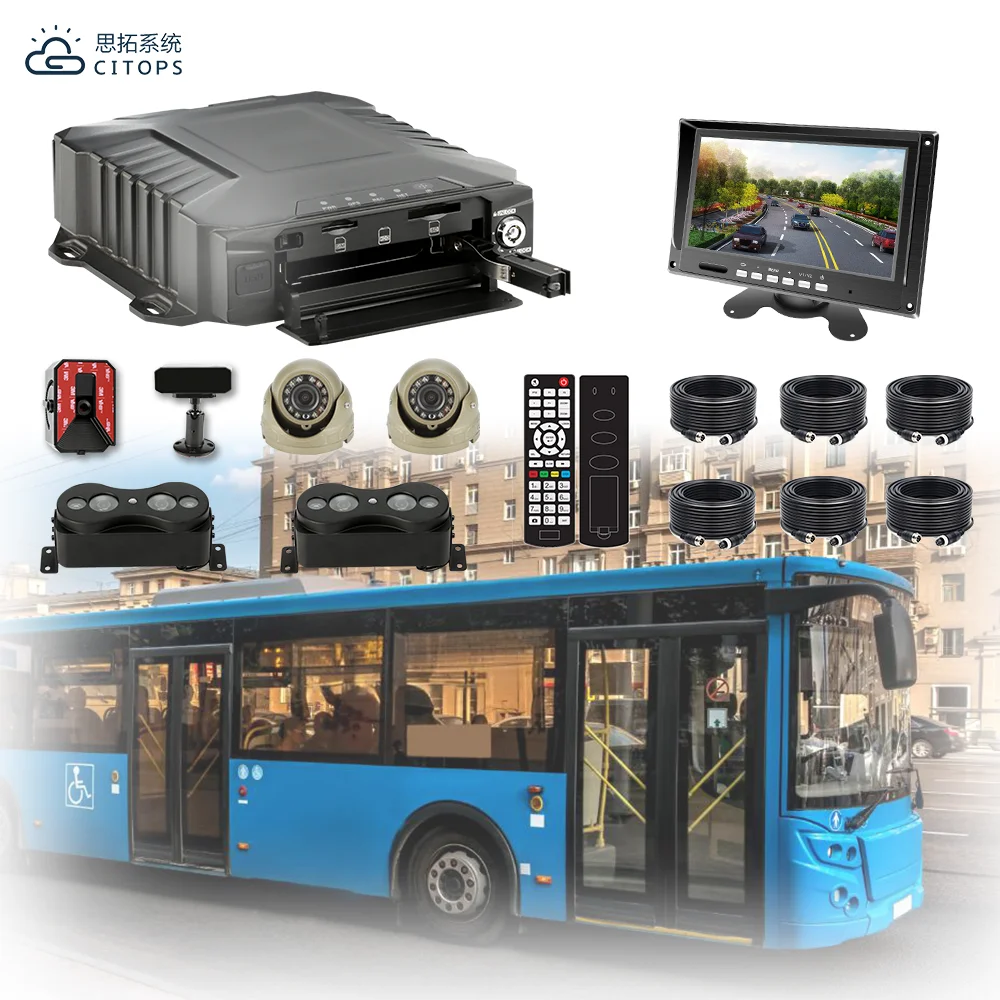
The complexity of public transport environments demands specialized features that go beyond basic video recording capabilities. A comprehensive Bus Mobile DVR System must integrate seamlessly with existing fleet management infrastructure while providing robust surveillance, real-time monitoring, and data management capabilities that meet the unique challenges of urban transit operations, including variable lighting conditions, high passenger volumes, and continuous vehicle movement across diverse route conditions.
Essential Video Recording and Storage Capabilities
Multi-Channel Recording Architecture
The foundation of any effective Bus Mobile DVR System lies in its ability to simultaneously capture multiple video feeds from strategically positioned cameras throughout the vehicle. Professional-grade systems typically support 8 to 16 channels, allowing comprehensive coverage of passenger areas, driver compartments, entrance and exit points, and external vehicle surroundings. This multi-channel architecture ensures complete situational awareness and provides the evidential quality footage required for incident investigation and legal proceedings.
High-definition recording capability has become a non-negotiable requirement for modern public transport fleets. The Bus Mobile DVR System should support at least 1080p resolution across all channels, with some applications requiring 4K capability for critical areas such as fare collection zones and driver monitoring positions. The system must maintain consistent recording quality regardless of vehicle speed, vibration levels, or environmental conditions typical in urban transit operations.
Advanced compression algorithms optimize storage efficiency without compromising video quality. Modern systems utilize H.264 or H.265 encoding standards to maximize recording duration while maintaining the detail necessary for facial recognition, license plate identification, and incident analysis. The compression technology should adapt dynamically to scene complexity and movement levels, ensuring optimal storage utilization across varying operational conditions.
Robust Storage Solutions and Data Management
Storage capacity planning requires careful consideration of recording resolution, frame rates, compression settings, and mandatory retention periods. A properly configured Bus Mobile DVR System typically requires between 2TB and 8TB of local storage to maintain continuous recording for the required retention period, usually ranging from 30 to 90 days depending on regulatory requirements and operational policies.
Redundant storage architecture protects against data loss through multiple storage devices and automatic backup systems. Professional installations incorporate dual hard drive configurations with RAID functionality, ensuring continuous operation even if one storage device fails. The system should provide automatic alerts when storage capacity approaches predetermined thresholds and seamlessly manage data overwriting according to configured retention policies.
Remote data access capabilities enable fleet managers to retrieve specific footage without physical access to vehicles. Cloud-based storage integration allows for automatic uploading of critical incidents or scheduled data transfers, reducing the administrative burden on maintenance staff while ensuring important footage remains accessible for investigation purposes. The data management system should support various export formats and provide audit trails for all data access activities.
Advanced Safety and Monitoring Features
Driver Behavior Monitoring Systems
Integration of Advanced Driver Assistance Systems (ADAS) transforms the Bus Mobile DVR System from a passive recording device into an active safety management tool. ADAS functionality includes forward collision warning, lane departure alerts, and driver fatigue detection, providing real-time notifications that can prevent accidents and improve overall fleet safety performance. These systems analyze video feeds in real-time to identify potentially dangerous driving behaviors or environmental conditions.
Driver Monitoring Systems (DMS) focus specifically on operator behavior, detecting signs of distraction, fatigue, or inattentive driving through facial recognition and eye-tracking technology. The system can trigger immediate alerts for behaviors such as cell phone use, smoking, eating while driving, or signs of drowsiness. This proactive approach to safety management helps prevent incidents before they occur while providing valuable data for driver training and performance evaluation programs.
Customizable alert thresholds allow fleet managers to adapt the monitoring sensitivity to specific operational requirements and driver experience levels. The system should provide both immediate in-cab notifications and centralized reporting capabilities, enabling supervisors to address safety concerns promptly while maintaining comprehensive records for performance review and training purposes.
Passenger Safety and Security Monitoring
Passenger counting functionality provides accurate ridership data essential for route planning, revenue management, and capacity optimization. Advanced Bus Mobile DVR System implementations incorporate AI-powered analytics that can distinguish between boarding and alighting passengers, account for children and wheelchairs, and provide real-time occupancy data to dispatch systems for improved service coordination.
Emergency response integration enables immediate communication with control centers during security incidents or medical emergencies. Panic button functionality allows drivers to trigger priority alerts that automatically begin live streaming from all cameras, enabling remote assessment of situations and appropriate emergency response coordination. The system should maintain detailed logs of all emergency activations and provide rapid data retrieval capabilities for law enforcement and emergency responders.
Behavioral analytics can identify unusual passenger activities, potential security threats, or medical emergencies through automated video analysis. The system learns normal passenger flow patterns and can alert operators to situations requiring attention, such as individuals remaining on buses past terminal stops, aggressive behavior, or passengers in distress.
Connectivity and Real-Time Monitoring Capabilities
Wireless Communication Systems
4G LTE and emerging 5G connectivity enable real-time data transmission and remote system management capabilities that transform traditional recording systems into comprehensive fleet monitoring solutions. The Bus Mobile DVR System should support multiple cellular carriers and automatically switch between available networks to maintain consistent connectivity throughout diverse route coverage areas.
Wi-Fi integration allows for high-speed data transfer when vehicles return to depot facilities, enabling bulk upload of recorded footage and system updates without relying on cellular data limitations. The system should automatically prioritize data transmission based on importance levels, ensuring critical incident footage receives immediate upload priority while routine recordings transfer during scheduled maintenance windows.
GPS tracking integration provides precise location data synchronized with video recordings, enabling accurate incident mapping and route analysis. The positioning system should maintain accuracy in urban environments with tall buildings and provide dead reckoning capabilities in areas with limited satellite reception, such as tunnels or covered transit facilities.
Remote Management and Control Features
Centralized fleet monitoring enables supervisors to view live feeds from any vehicle in the fleet, monitor system health status, and respond to alerts from a unified control interface. The management platform should provide customizable dashboards that display critical information such as active alerts, system status, and key performance indicators relevant to transit operations.
Remote configuration capabilities allow system administrators to adjust recording parameters, update software, and modify alert thresholds without requiring physical access to vehicles. This functionality reduces maintenance costs and ensures consistent system configuration across the entire fleet while enabling rapid response to changing operational requirements or security concerns.
Automated reporting features generate scheduled summaries of system performance, incident statistics, and operational metrics that support data-driven decision making. The reporting system should provide customizable templates for different stakeholder groups and support export to various formats for integration with existing fleet management and performance analysis systems.
Technical Specifications and Environmental Durability
Operating Environment Requirements
Public transport vehicles operate in demanding environmental conditions that require specialized equipment designed for continuous operation under extreme temperature variations, constant vibration, and exposure to dust, moisture, and electromagnetic interference. The Bus Mobile DVR System must meet automotive-grade specifications for temperature tolerance, typically operating reliably in conditions ranging from -40°C to +85°C to ensure consistent performance across seasonal variations and diverse climate zones.
Shock and vibration resistance specifications should meet or exceed automotive industry standards, as public transit vehicles experience significant mechanical stress during normal operations including frequent stops, acceleration cycles, and road surface irregularities. The system enclosure and internal components must withstand continuous vibration levels typical of heavy commercial vehicles while maintaining stable video recording and data storage integrity.
Ingress protection ratings of IP65 or higher ensure the system remains operational despite exposure to cleaning chemicals, moisture, and dust inherent in public transportation environments. The installation should incorporate proper cable management and weatherproof connections that prevent water intrusion and maintain electrical integrity throughout the vehicle's operational lifetime.
Power Management and System Reliability
Wide-range input voltage tolerance accommodates variations in vehicle electrical systems, typically accepting input voltages from 8V to 36V DC while maintaining stable operation during engine start-up transients and alternator charging cycles. Advanced power management features should include automatic shutdown sequences during extended parking periods and immediate startup when vehicle operation resumes.
Uninterruptible power supply integration maintains system operation during brief power interruptions and ensures proper shutdown sequences that protect recorded data integrity. Battery backup systems should provide sufficient runtime to complete critical data saving operations and maintain GPS positioning during short-term power losses common in urban transit operations.
System diagnostics and self-monitoring capabilities continuously assess hardware health, storage device status, and network connectivity to provide early warning of potential failures. Predictive maintenance alerts enable proactive component replacement and system servicing that prevents unexpected downtime and ensures continuous surveillance capability throughout the vehicle's service schedule.
Integration with Fleet Management Systems
Data Analytics and Performance Monitoring
Comprehensive data integration capabilities enable the Bus Mobile DVR System to interface with existing fleet management platforms, providing unified access to video evidence, operational metrics, and maintenance information. The system should support industry-standard protocols and APIs that facilitate seamless data exchange with scheduling systems, maintenance management platforms, and performance analysis tools.
Advanced analytics engines process vast amounts of video data to extract actionable insights regarding route efficiency, passenger behavior patterns, and operational performance indicators. Machine learning algorithms can identify trends in ridership patterns, peak usage periods, and potential infrastructure maintenance needs based on continuous monitoring of vehicle operations and passenger interactions.
Customizable reporting frameworks allow fleet managers to generate specific analysis reports tailored to organizational requirements, regulatory compliance needs, and performance evaluation criteria. The analytics platform should provide both real-time dashboards and historical trend analysis capabilities that support strategic planning and operational optimization initiatives.
Compliance and Legal Considerations
Privacy protection features ensure compliance with data protection regulations while maintaining operational effectiveness. The system should provide configurable privacy masking options for residential areas, automatic personal data anonymization capabilities, and secure data handling procedures that meet local and federal privacy requirements governing public surveillance systems.
Audit trail functionality maintains comprehensive records of all data access, modification, and export activities to support legal requirements and ensure chain of custody integrity for evidence preservation. The system should provide tamper-evident recording methods and digital signatures that validate footage authenticity in legal proceedings.
Regulatory compliance features address specific requirements for public transportation surveillance systems including data retention periods, access control procedures, and incident reporting capabilities. The system architecture should accommodate varying regulatory requirements across different jurisdictions while providing standardized functionality for multi-region transit operations.
FAQ
How many cameras can a typical Bus Mobile DVR System support?
Most professional Bus Mobile DVR Systems support between 8 to 16 camera channels, allowing comprehensive coverage of passenger areas, driver compartment, entrance doors, and external vehicle surroundings. Advanced systems may support up to 32 channels for larger articulated buses or specialized monitoring requirements. The channel count should match the specific surveillance needs of your fleet configuration and operational requirements.
What video resolution is recommended for public transport surveillance?
A minimum of 1080p Full HD resolution is recommended for effective Bus Mobile DVR System deployment in public transport applications. This resolution provides sufficient detail for facial recognition, incident investigation, and legal evidence requirements. Some critical areas such as fare collection points or driver monitoring positions may benefit from 4K resolution, though this increases storage requirements and system costs.
How long should video footage be retained on a Bus Mobile DVR System?
Retention periods typically range from 30 to 90 days depending on local regulations, operational policies, and available storage capacity. Critical incidents may require longer retention periods, which can be managed through automatic cloud backup or manual export procedures. The Bus Mobile DVR System should provide configurable retention settings and automatic data management to ensure compliance with applicable requirements.
Can a Bus Mobile DVR System operate reliably in extreme weather conditions?
Professional-grade Bus Mobile DVR Systems are designed to operate in temperature ranges from -40°C to +85°C and include environmental protections against moisture, dust, and vibration. The systems incorporate automotive-grade components and ruggedized enclosures that ensure reliable operation throughout diverse climate conditions and demanding transit environments typical of public transportation operations.