
 EN
EN
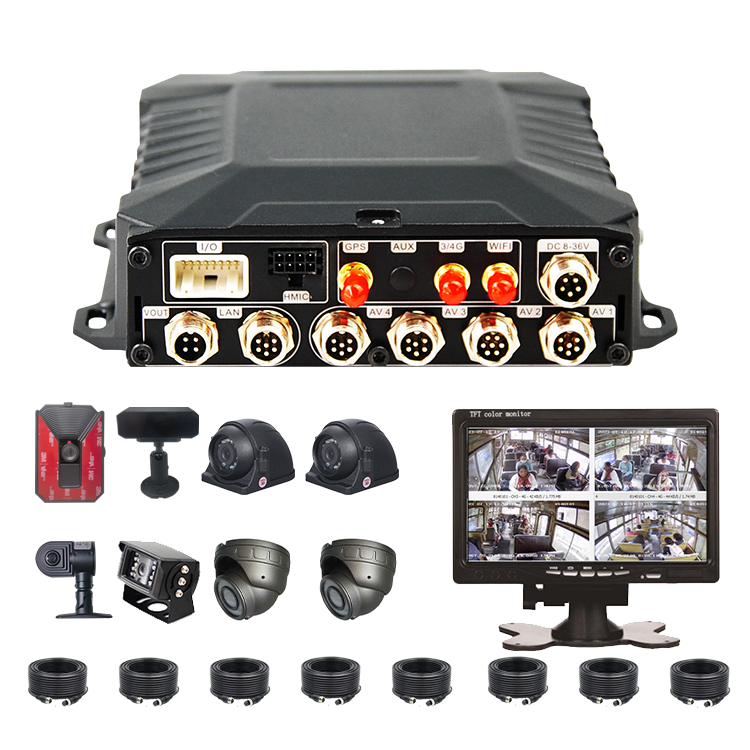
AI MDVR Systems Strengthening Fleet Safety Management
Road safety remains one of the biggest challenges for transport companies operating commercial fleets. With thousands of vehicles traveling daily across different road conditions, fleet operators must balance operational efficiency with driver safety. Traditional vehicle cameras and GPS tracking tools provide basic monitoring, but they often fail to prevent accidents before they occur. This gap has led many companies to deploy AI MDVR camera systems with ADAS, DMS, and blind spot detection as part of their fleet safety strategy.
MDVR camera systems combine mobile digital video recording with real-time driving assistance features to support both drivers and fleet managers. In the transport industry, these capabilities mainly include ADAS, DMS, and BSD. These functions are designed to assist driving, monitor driver behavior, and reduce blind-spot collision risks through real-time warning alerts. Unlike overly complex systems that attempt to manage all operations, the core role of the MDVR platform remains practical and focused: video recording, real-time monitoring, and GPS route tracking.
When the MDVR system detects risky behavior or a dangerous driving situation, it sends an alert to the driver while simultaneously recording the event. The alarm information and video footage are uploaded to the platform, allowing managers to review incidents and improve driver supervision. This combination of real-time warning, recorded evidence, and centralized monitoring helps transport companies reduce accidents while maintaining operational control.
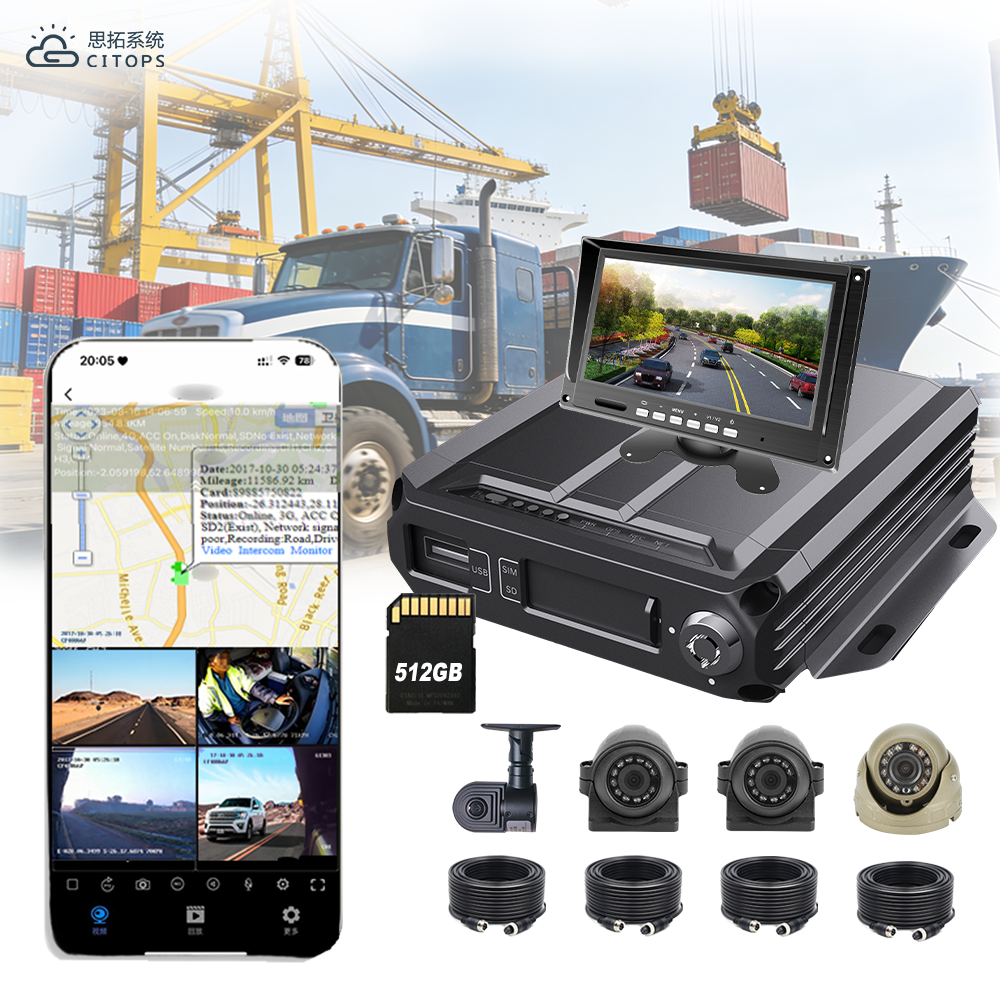
Core AI Functions Used in Transport Industry MDVR Systems
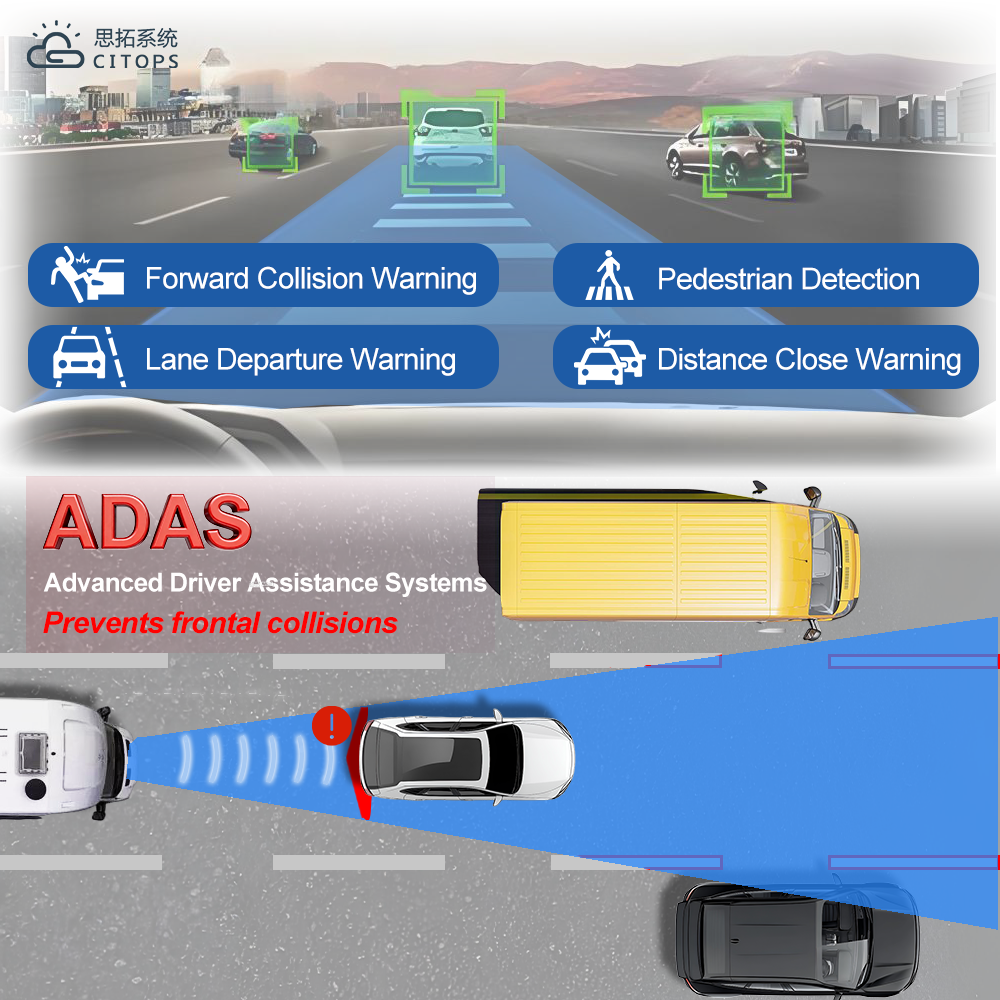
ADAS Driving Assistance Technology
ADAS plays an important role in AI MDVR camera systems used by transport companies. This technology analyzes the road environment in front of the vehicle through cameras and real-time video analysis. By continuously monitoring lane markings, vehicle distance, and road conditions, the AI MDVR system can detect potential collision risks early.
When a vehicle approaches another vehicle too quickly or drifts out of its lane, the system generates an audible or visual warning for the driver. These alerts help drivers react faster, especially during long-distance transport operations where fatigue or distraction may occur. Because the warning happens in real time, the driver can immediately correct their behavior and avoid an accident.
ADAS functions also record the event together with video footage and location data. The MDVR device uploads this information to the platform, where fleet managers can review the situation and identify risky driving patterns. Over time, these records help companies improve safety management and develop more effective driver training programs.
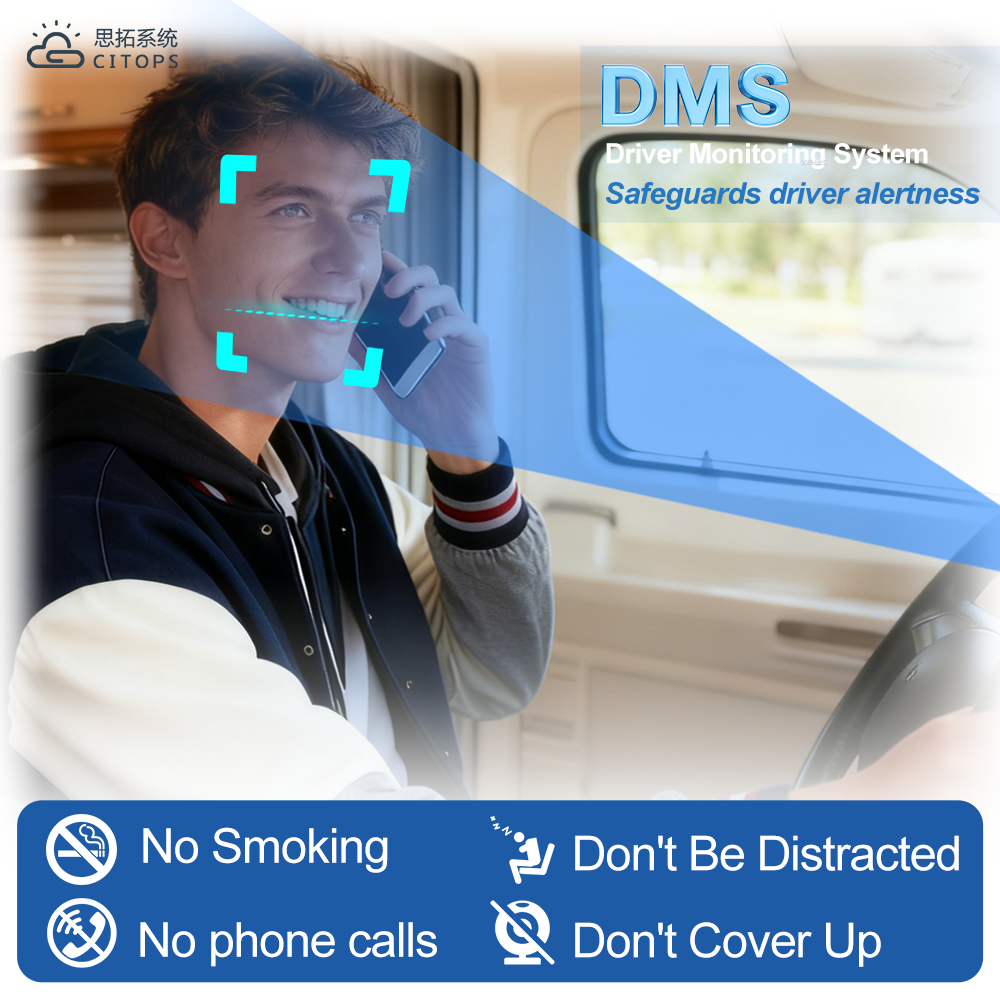
DMS Driver Monitoring Technology
DMS is another key feature integrated into AI MDVR camera systems for fleet safety. Unlike ADAS, which monitors the road ahead, DMS focuses on the driver inside the cabin. A camera installed inside the vehicle analyzes facial features, eye movement, and head position to detect unsafe driving behaviors.
For example, the system can identify signs of fatigue, distraction, smoking, or mobile phone usage while driving. When such behavior is detected, the AI MDVR system immediately triggers a warning to remind the driver to stay focused on the road. This alert acts as a preventive measure that helps reduce accidents caused by human error.
At the same time, the AI MDVR system records the event and sends an alarm notification to the fleet management platform. Managers can review the video evidence and determine whether additional training or supervision is required. This monitoring process helps transport companies build stronger driver management systems and improve overall road safety.
BSD Blind Spot Detection Technology
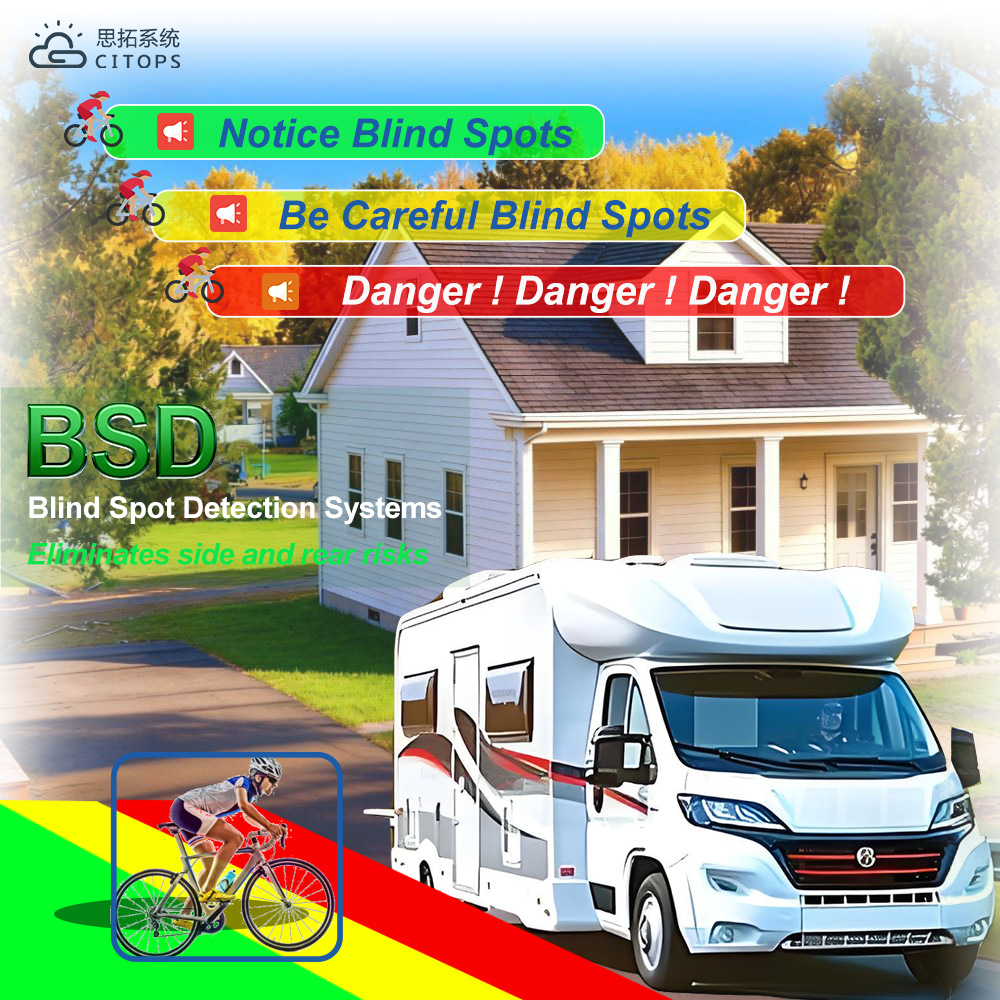
Blind spots are one of the most common causes of accidents involving trucks, buses, and large commercial vehicles. Drivers often have limited visibility on the sides of the vehicle, especially during lane changes or turning maneuvers. BSD technology in AI MDVR systems addresses this challenge by monitoring areas that drivers cannot easily see.
Side cameras combined with real-time video analysis detect nearby vehicles, bicycles, or pedestrians in blind zones. When the system identifies a potential collision risk, it immediately sends a warning to the driver. This early alert allows the driver to adjust their maneuver and avoid dangerous contact with surrounding traffic.
In addition to protecting drivers and pedestrians, BSD alerts are also recorded by the AI MDVR system and uploaded to the platform. Fleet managers can check these alerts along with GPS routes and video recordings to better understand driving conditions and improve safety strategies.
Role of the MDVR Platform in Fleet Monitoring
Video Monitoring and Evidence Recording
Although AI functions such as ADAS, DMS, and BSD provide intelligent warning features, the MDVR platform itself primarily focuses on video monitoring and vehicle tracking. The system captures high-definition video from multiple cameras installed inside and outside the vehicle.
Fleet managers can access the platform to view live video, playback recordings, and analyze incidents. This visual evidence helps verify driver behavior, investigate accidents, and improve accountability. Important events are automatically tagged and stored, allowing quick retrieval when needed.
This capability is especially important for transport companies operating across multiple regions, as it enables remote supervision and consistent safety control.
GPS Tracking and Route Supervision
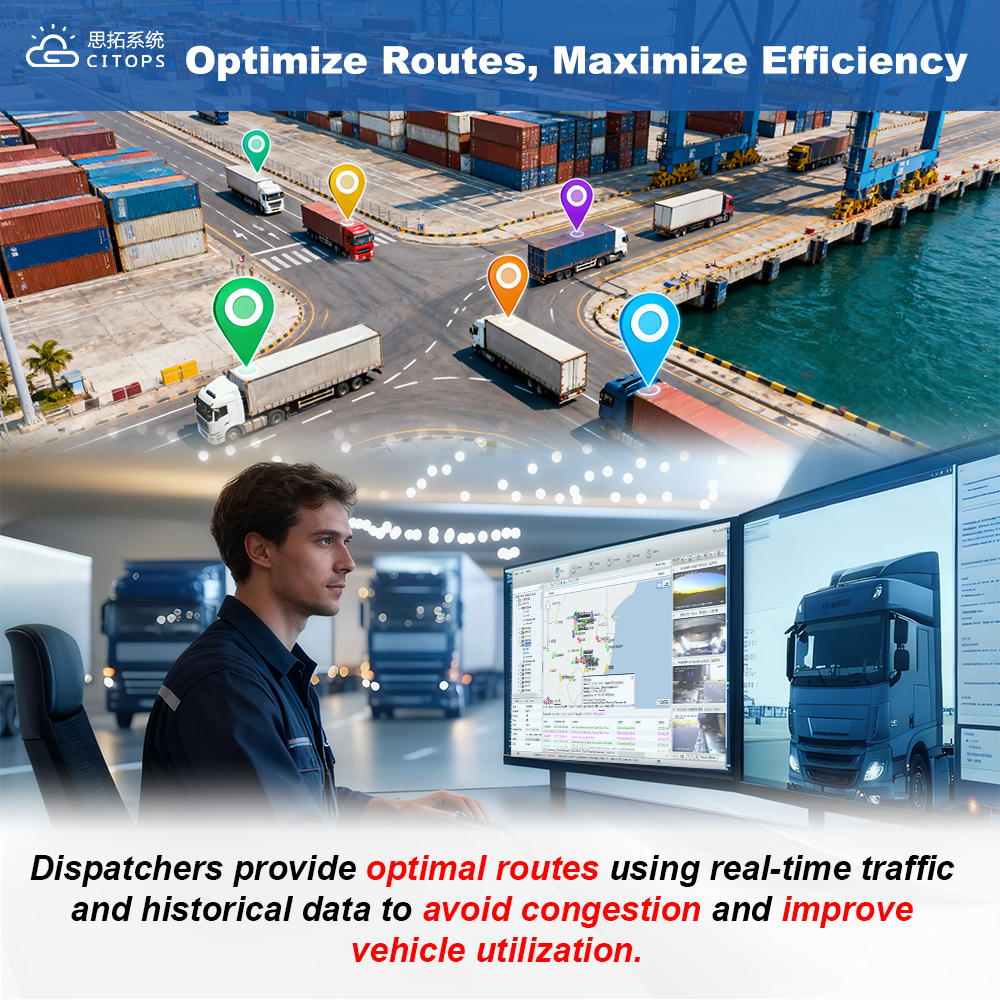
Another essential function of the MDVR platform is GPS tracking. Every AI MDVR system collects vehicle location data and displays it on the platform in real time. Managers can monitor driving routes, analyze travel history, and identify safety risk areas. Combined with video and alarm records, GPS data provides a complete view of fleet operations.
This location data helps transport companies understand how vehicles are being used during daily operations. For example, managers can verify whether drivers follow assigned routes or identify areas where safety risks frequently occur. Combined with AI alarm records, GPS data provides valuable insight into driver behavior and operational efficiency.
By linking AI alerts with location information, fleet managers can better evaluate the circumstances surrounding safety incidents. This information helps companies adjust routes, improve driver training, and reduce accident risks.
Alarm Notification and Driver Management
Real-Time Driver Alerts
One of the key benefits of deploying AI MDVR systems is the ability to deliver immediate safety warnings to drivers. When ADAS, DMS, or BSD detects a dangerous situation, the system generates a real-time warning alarm inside the vehicle. These alerts may include voice reminders or sound notifications that prompt the driver to correct their behavior.
This immediate feedback plays an important role in accident prevention. Drivers may not always notice risky situations such as drifting out of a lane or approaching another vehicle too quickly. The AI MDVR system acts as an additional safety assistant that continuously monitors the driving environment.
Over time, these reminders help drivers develop safer driving habits. Instead of relying solely on post-incident investigations, companies can actively reduce dangerous behavior during daily operations.
Alarm Records and Manager Supervision
Every warning generated by the AI MDVR system is recorded together with video footage and vehicle location information. These alarm records are automatically uploaded to the platform, where fleet managers can review them later.
This process allows companies to monitor driver performance more effectively. Managers can identify drivers who frequently trigger alerts and provide targeted coaching or training. At the same time, the data can highlight improvements when drivers adopt safer driving practices.
The combination of real-time alerts and backend alarm management makes AI MDVR an effective tool for both safety prevention and driver supervision. Transport companies can maintain clear records of safety events while continuously improving operational standards.
Operational Benefits for Transport Companies
Improved Safety Awareness Among Drivers
The presence of AI MDVR systems encourages drivers to maintain higher safety standards during daily operations. Knowing that driving behavior is monitored and recorded motivates drivers to follow traffic rules and avoid risky actions.
Continuous alerts from ADAS, DMS, and BSD also remind drivers to stay focused on the road. These reminders help reduce accidents caused by fatigue, distraction, or blind-spot errors. Over time, drivers become more aware of safe driving practices, which improves the overall safety culture of the fleet.
Efficient Fleet Management
AI MDVR systems also improve fleet management efficiency by combining video monitoring, GPS tracking, and AI alarms in a single platform. Managers can quickly identify potential safety issues and respond to them without needing to inspect vehicles manually.
This centralized monitoring approach helps transport companies manage large fleets more effectively. With access to real-time data and historical records, managers can make informed decisions about driver training, route planning, and safety policies.
AI MDVR camera systems with ADAS, DMS, and blind spot detection provide a practical and effective solution for accident prevention in transport fleets. By combining real-time alerts, video evidence, and centralized monitoring, these systems help companies reduce risks, improve driver behavior, and enhance operational control.
Improve fleet safety and driver management with professional AI MDVR solutions from CITOPS. Contact us today to get a customized MDVR system with ADAS, DMS, and BSD for your transport fleet.

FAQ
What is AI MDVR technology used in transport fleets
AI MDVR technology in transport fleets is used to combine video recording, GPS tracking, and real-time safety alerts such as ADAS, DMS, and blind spot detection, allowing fleet managers to monitor vehicles, supervise driver behavior, and reduce accident risks through both real-time intervention and recorded evidence..
What are the Installation requirements for AI MDVR systems
AI MDVR systems are typically installed inside vehicles with cameras positioned to monitor the road, the driver, and surrounding blind spots, and professional installation ensures correct positioning, stable power connection, and accurate system performance without affecting vehicle operation.
How can fleet managers access MDVR data
Fleet managers can access AI MDVR data through a monitoring platform that provides live video streaming, playback of recorded footage, GPS tracking, and alarm event management, enabling efficient fleet supervision,safety management and decision-making across the entire fleet.
How do MDVR alerts improve driver behavior
AI MDVR alerts improve driver behavior by providing immediate feedback during unsafe situations, helping drivers recognize risks such as fatigue or distraction in real time, and over time encouraging safer driving habits that significantly reduce accident rates.