
 EN
EN
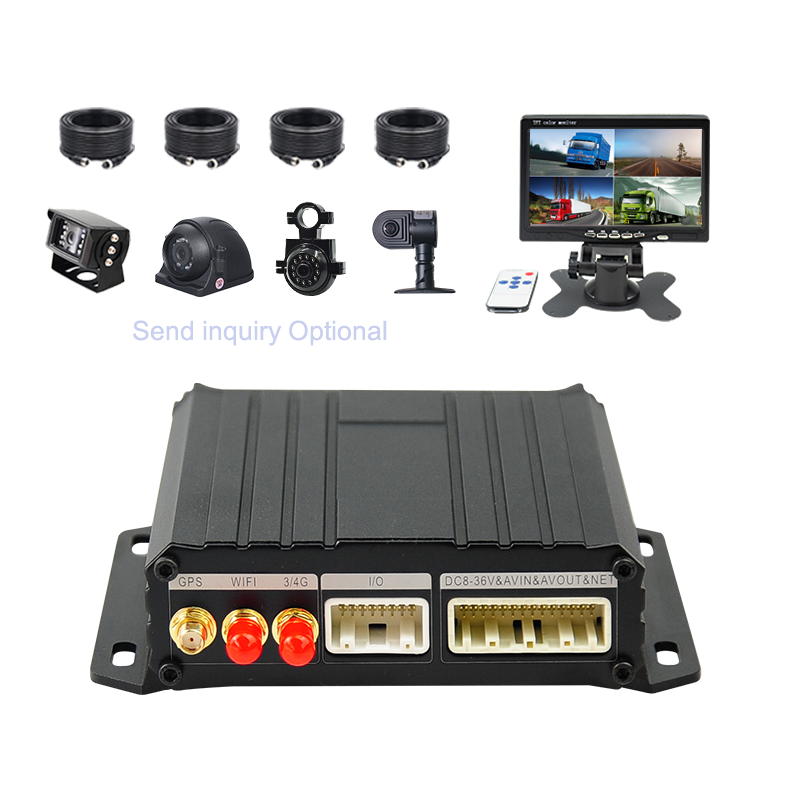
OEM MDVR systems represent a transformative solution for large commercial vehicle operators seeking comprehensive fleet monitoring, safety enhancement, and operational efficiency. These Original Equipment Manufacturer mobile digital video recording systems integrate directly with vehicle architectures during production or through specialized retrofitting processes, offering seamless functionality that standalone aftermarket solutions simply cannot match. For commercial fleet managers overseeing hundreds or thousands of vehicles, the advantages of OEM MDVR extend far beyond basic video recording to encompass real-time monitoring, driver behavior analytics, maintenance optimization, and regulatory compliance support.
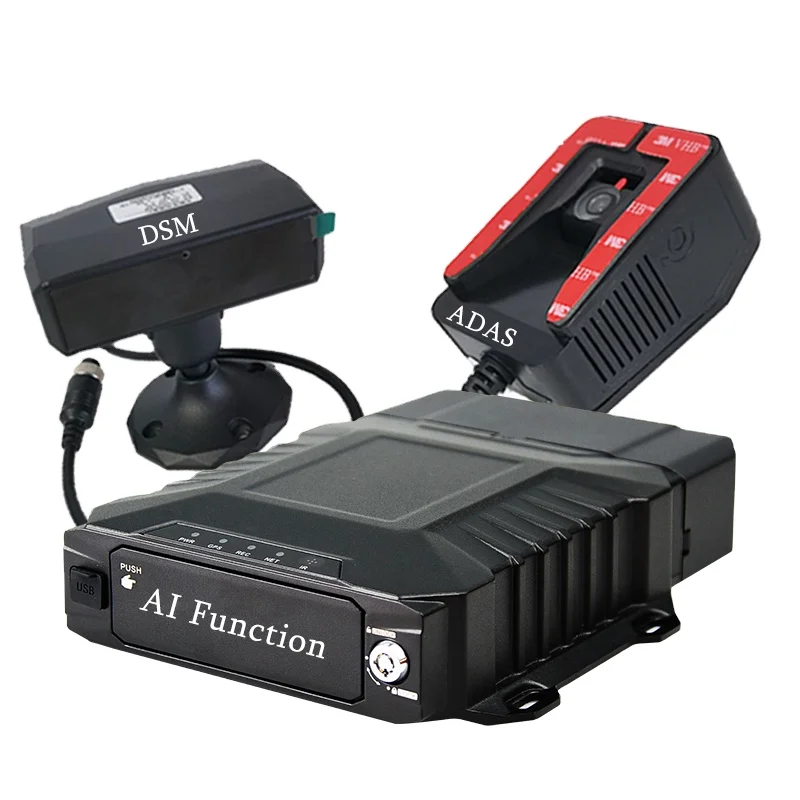
Large commercial vehicle solutions demand robust, reliable, and scalable technologies that can withstand harsh operating environments while delivering consistent performance across diverse vehicle types and operational scenarios. OEM MDVR systems address these requirements through purpose-built hardware integration, advanced software capabilities, and manufacturer-backed support structures. Unlike generic video surveillance systems, these specialized mobile digital video recorders are engineered specifically for commercial vehicle applications, incorporating features such as vibration resistance, temperature tolerance, power management optimization, and seamless integration with existing vehicle communication protocols.
Enhanced Vehicle Integration and System Reliability
Seamless Hardware Integration
OEM MDVR systems offer unparalleled integration advantages through direct connection to vehicle electrical systems, communication buses, and control networks. This deep integration enables the mobile digital video recorder to access real-time vehicle data including speed, engine status, braking events, and GPS coordinates, creating a comprehensive operational picture that standalone systems cannot achieve. The integration process occurs at the manufacturing level or through certified installation procedures, ensuring optimal placement of cameras, control units, and storage devices without compromising vehicle aesthetics or functionality.
The reliability benefits of OEM integration extend to power management, where the MDVR system connects directly to vehicle electrical systems with proper voltage regulation and backup power capabilities. This eliminates common issues associated with aftermarket installations such as power fluctuations, inadequate grounding, or incompatible electrical connections. Commercial vehicle operators report significantly lower system failure rates and reduced maintenance requirements when using integrated OEM MDVR solutions compared to retrofit alternatives.
Advanced Communication Protocol Compatibility
Modern commercial vehicles utilize sophisticated communication protocols including CAN bus, J1939, and proprietary manufacturer networks to share operational data between various vehicle systems. OEM MDVR systems leverage these communication pathways to access rich vehicle telemetry data, enabling advanced features such as automatic incident detection, driver behavior analysis, and predictive maintenance alerts. This protocol compatibility ensures that video recordings are synchronized with vehicle operational data, providing complete context for any recorded events.
The communication advantages extend to remote monitoring capabilities, where fleet managers can access real-time vehicle status, video feeds, and operational metrics through centralized management platforms. OEM MDVR systems typically include cellular, Wi-Fi, and satellite communication options that integrate with vehicle telematics systems, enabling comprehensive remote fleet oversight without requiring separate communication infrastructure or duplicate data plans.
Comprehensive Safety and Security Features
Multi-Channel Video Coverage
Large commercial vehicles require extensive video coverage to monitor all critical areas including driver compartments, cargo spaces, exterior approaches, and blind spot zones. OEM MDVR systems typically support 4, 8, or 16 camera inputs with high-definition recording capabilities, providing complete vehicle surveillance coverage. The strategic placement of cameras during OEM integration ensures optimal viewing angles while maintaining vehicle aerodynamics and aesthetic appeal, unlike aftermarket installations that may compromise vehicle design or functionality.
Advanced OEM MDVR systems incorporate intelligent video analytics including motion detection, tampering alerts, object recognition, and automatic incident recording. These features enable proactive security monitoring and automatic evidence collection during accidents, theft attempts, or other security incidents. The integration with vehicle systems allows for context-aware recording triggers, such as automatic activation during hard braking, collision detection, or unauthorized vehicle access attempts.
Driver Behavior Monitoring and Safety Enhancement
OEM MDVR solutions excel in driver behavior monitoring through integration with vehicle operational systems and dedicated driver-facing cameras. These systems can detect drowsiness, distraction, smoking, cell phone usage, and other potentially dangerous behaviors while providing real-time alerts to drivers and fleet managers. The integration with vehicle speed, steering, and braking data enables sophisticated analysis of driving patterns and risk assessment that standalone video systems cannot provide.
Safety enhancement features include automatic emergency recording, panic button integration, and real-time communication with dispatch centers during emergency situations. OEM MDVR systems can automatically transmit location data, video feeds, and vehicle status information to emergency responders, potentially reducing response times and improving accident outcomes. These safety features are particularly valuable for large commercial vehicle operations where driver safety directly impacts operational efficiency and regulatory compliance.
Operational Efficiency and Fleet Management Benefits
Real-Time Fleet Monitoring and Control
OEM MDVR systems transform large commercial vehicle operations through comprehensive real-time monitoring capabilities that extend far beyond simple video recording. Fleet managers gain access to live vehicle locations, operational status, driver behavior metrics, and video feeds through centralized management platforms. This real-time visibility enables proactive decision-making, route optimization, and immediate response to operational issues or emergencies.
The monitoring capabilities include automated reporting features that generate detailed operational summaries, driver performance reports, and maintenance alerts based on integrated vehicle data. OEM MDVR systems can track fuel efficiency, route adherence, idle time, and other key performance indicators while correlating this data with video evidence for comprehensive operational analysis. These insights enable fleet managers to identify optimization opportunities and implement data-driven operational improvements.
Maintenance and Diagnostic Integration
Integration with vehicle diagnostic systems allows OEM MDVR solutions to provide predictive maintenance capabilities that can significantly reduce operational costs and vehicle downtime. The mobile digital video recorder can monitor engine parameters, transmission performance, brake system status, and other critical vehicle systems while maintaining video records of operational conditions. This correlation between video evidence and mechanical performance data enables more accurate diagnosis of vehicle issues and better maintenance scheduling.
Advanced OEM MDVR systems include automated maintenance reminder features, diagnostic trouble code recording, and integration with fleet management software for streamlined maintenance operations. The ability to review video footage of vehicle operation during mechanical issues provides valuable diagnostic information that can accelerate repair processes and improve maintenance accuracy. This integration is particularly valuable for large commercial vehicle fleets where maintenance efficiency directly impacts operational profitability.
Regulatory Compliance and Documentation
Electronic Logging Device Integration
OEM MDVR systems often integrate with Electronic Logging Devices (ELD) to provide comprehensive compliance documentation for commercial vehicle operations. This integration ensures that video records are synchronized with hours-of-service data, vehicle location information, and driver identification, creating complete audit trails for regulatory compliance purposes. The seamless integration eliminates the need for multiple separate systems while ensuring data consistency and accuracy.
Compliance benefits extend to automatic report generation, violation detection, and real-time compliance monitoring that helps fleet managers maintain regulatory adherence across large vehicle populations. OEM MDVR systems can automatically flag potential violations, generate required documentation, and maintain secure record-keeping that meets federal and state regulatory requirements. This automated compliance management is essential for large commercial vehicle operations where manual compliance tracking becomes impractical.
Evidence Collection and Legal Protection
The evidentiary value of OEM MDVR systems extends beyond basic video recording to include synchronized vehicle data, GPS coordinates, and operational context that provides comprehensive documentation of vehicle operations and incidents. This integrated approach creates legally admissible evidence that can protect fleet operators from fraudulent claims, provide accurate accident reconstruction data, and support insurance claim processes.
Advanced evidence management features include automatic backup systems, tamper-proof recording technology, and secure data transmission capabilities that ensure video evidence maintains legal integrity. OEM MDVR systems typically include features such as digital watermarking, encryption, and audit trails that meet legal evidence standards while providing easy access for authorized personnel. These capabilities are particularly important for large commercial vehicle operations that face higher litigation risks due to operational scale and exposure.
Cost-Effectiveness and Return on Investment
Reduced Insurance and Liability Costs
OEM MDVR systems deliver measurable return on investment through reduced insurance premiums, lower liability exposure, and faster claim resolution processes. Insurance companies increasingly recognize the value of comprehensive vehicle monitoring and often provide significant premium discounts for fleets equipped with advanced monitoring systems. The ability to provide clear video evidence of accidents and incidents can dramatically reduce settlement costs and litigation expenses.
The liability protection extends to driver exoneration in false accident claims, reduction in fraudulent injury claims, and improved accident investigation processes that can significantly impact overall fleet insurance costs. Large commercial vehicle operators report insurance savings of 10-20% or more when implementing comprehensive OEM MDVR solutions, with additional savings from reduced legal costs and faster claim resolution.
Operational Efficiency Improvements
Beyond direct cost savings, OEM MDVR systems contribute to operational efficiency improvements through better route planning, improved driver training programs, and enhanced customer service capabilities. The comprehensive data collection enables fleet managers to identify inefficiencies, optimize routes, and implement targeted training programs that improve overall operational performance.
Fuel savings, reduced maintenance costs, and improved vehicle utilization rates contribute to the overall return on investment for OEM MDVR systems. Many large commercial vehicle operators report payback periods of 12-18 months for comprehensive mobile digital video recorder implementations, with ongoing operational benefits that continue to generate value throughout the system lifecycle.
FAQ
How does OEM MDVR integration differ from aftermarket video recording systems?
OEM MDVR integration provides direct connection to vehicle communication systems, power management, and control networks during manufacturing or through certified installation procedures. This deep integration enables access to real-time vehicle data, synchronized recording with operational events, and seamless functionality that aftermarket systems cannot achieve. OEM systems typically offer better reliability, enhanced features, and lower maintenance requirements compared to retrofit solutions.
What types of vehicles benefit most from OEM MDVR solutions?
Large commercial vehicles including long-haul trucks, delivery vehicles, buses, construction equipment, and emergency vehicles benefit most from OEM MDVR solutions due to their complex operational requirements, regulatory compliance needs, and high-value cargo protection requirements. These vehicles typically operate in challenging environments with significant safety and security risks that justify comprehensive monitoring system investments.
Can existing commercial vehicle fleets retrofit OEM MDVR systems?
Yes, many OEM MDVR manufacturers offer retrofit solutions for existing commercial vehicle fleets through certified installation programs that provide similar integration benefits to factory-installed systems. Retrofit installations require specialized expertise to ensure proper integration with vehicle systems and optimal camera placement. While retrofit options may not achieve the same level of integration as factory installations, they can still provide significant advantages over basic aftermarket video recording systems.
What maintenance and support requirements do OEM MDVR systems have?
OEM MDVR systems typically require minimal maintenance due to their robust design and integration with vehicle systems. Regular maintenance includes software updates, storage device management, and periodic system health checks. Most OEM manufacturers provide comprehensive support programs including remote diagnostics, software updates, and technical support services. The integration with vehicle diagnostic systems often enables predictive maintenance capabilities that can identify potential issues before they cause system failures.