
 EN
EN
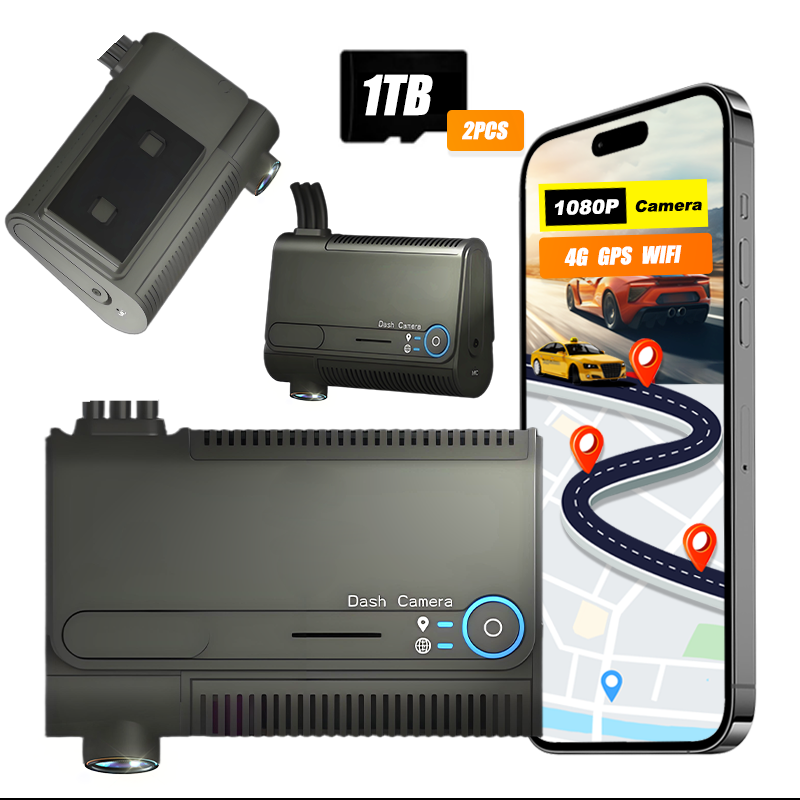
Distributors seeking to expand their product portfolios with mobile digital video recorders face a critical decision when selecting an OEM MDVR manufacturing partner. The success of your distribution business depends heavily on partnering with manufacturers who can deliver reliable, high-quality OEM MDVR solutions that meet diverse market demands while supporting your business growth objectives.
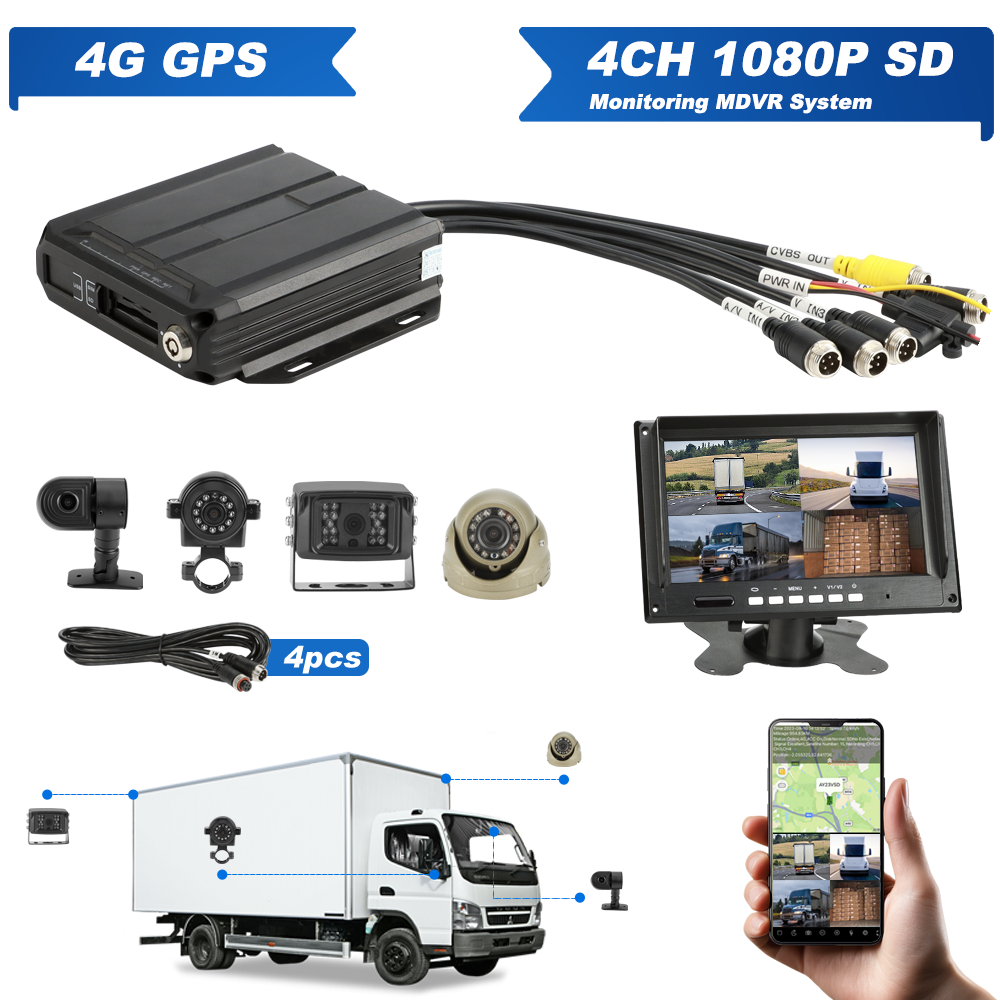
Choosing the right OEM MDVR partner requires careful evaluation of multiple factors that directly impact your ability to serve customers effectively and maintain competitive advantages in the marketplace. From technical capabilities and manufacturing standards to support services and customization flexibility, each aspect plays a vital role in determining long-term partnership success and profitability for distributors operating in this specialized technology sector.
Technical Capabilities and Product Quality Standards
Advanced Video Recording Technologies
A reliable OEM MDVR partner must demonstrate mastery of current video recording technologies, including H.264 and H.265 compression standards that ensure optimal storage efficiency without compromising video quality. The manufacturer should offer multiple channel configurations, supporting 4-channel, 8-channel, and higher capacity systems to meet various fleet monitoring requirements across different industries.
Look for partners who integrate GPS tracking capabilities seamlessly with their OEM MDVR solutions, providing real-time location data alongside video recordings. Advanced shock-resistant designs and wide operating temperature ranges indicate manufacturing quality that can withstand harsh mobile environments typical in commercial vehicle applications.
Quality OEM MDVR manufacturers should also provide wireless connectivity options including 3G, 4G, and Wi-Fi capabilities for remote monitoring and data transmission. This connectivity enables fleet managers to access live video feeds and recorded footage without physical system access, significantly enhancing operational efficiency and security monitoring capabilities.
Manufacturing Standards and Certifications
Professional OEM MDVR partners maintain rigorous quality control processes and hold relevant industry certifications such as CE, FCC, and ISO standards. These certifications demonstrate commitment to manufacturing excellence and ensure products meet regulatory requirements in target markets where distributors plan to sell.
Examine the manufacturer's testing protocols for vibration resistance, electromagnetic compatibility, and environmental durability. OEM MDVR systems must perform reliably in mobile applications where constant movement, temperature variations, and electrical interference are common operational challenges that can affect system performance and longevity.
Request detailed specifications regarding mean time between failures and warranty coverage periods. Established OEM MDVR manufacturers typically offer extended warranty terms and demonstrate confidence in their product reliability through comprehensive testing documentation and failure rate statistics.
Customization Flexibility and Branding Support
Hardware Customization Options
Distributors benefit significantly from OEM MDVR partners who offer extensive customization capabilities, allowing modification of hardware specifications to meet specific market requirements. This includes options for different camera input configurations, storage capacity variations, and specialized mounting solutions for diverse vehicle types.
Evaluate whether the manufacturer can accommodate custom firmware development for unique feature requirements or integration with third-party fleet management systems. Flexible OEM MDVR partners should be capable of modifying user interfaces, adding specialized functions, or adapting communication protocols to match distributor specifications and end-user preferences.
Consider the manufacturer's ability to provide custom packaging, documentation, and accessory kits that align with your brand presentation and market positioning strategy. Professional OEM MDVR partners understand that distributors need products that reflect their brand identity while maintaining technical excellence.
Private Labeling and Brand Integration
Successful distribution partnerships require OEM MDVR manufacturers who support comprehensive private labeling services, including custom logo placement, branded packaging design, and personalized product documentation. This branding flexibility allows distributors to build market recognition and customer loyalty under their own brand identity.
Assess the manufacturer's willingness to provide exclusive product variations or features for your distribution territory, creating competitive differentiation in crowded markets. Some OEM MDVR partners offer region-specific customizations or exclusive access to certain product lines, providing distributors with unique selling advantages.
Examine software customization options for user interfaces, mobile applications, and management platforms. Quality OEM MDVR partners should offer branded software solutions that maintain consistent brand presentation across all customer touchpoints, from hardware interfaces to mobile monitoring applications.
Technical Support and After-Sales Service Infrastructure
Pre-Sales Engineering Support
Leading OEM MDVR manufacturers provide comprehensive pre-sales technical support to help distributors understand product capabilities, system requirements, and integration considerations for specific applications. This support includes detailed technical documentation, system design guidance, and compatibility assessments for various vehicle platforms.
Look for partners who offer demonstration units, technical training programs, and sales support materials that enable distributor sales teams to effectively communicate product benefits and technical advantages to potential customers. Professional OEM MDVR manufacturers understand that distributor success depends on thorough product knowledge and technical competency.
Evaluate the manufacturer's responsiveness to technical inquiries and their ability to provide custom solution proposals for complex installation scenarios. Strong pre-sales support indicates the manufacturer's commitment to partnership success and their understanding of market application requirements.
Post-Sales Service and Warranty Support
Comprehensive post-sales support infrastructure is essential for maintaining customer satisfaction and protecting distributor reputation in the marketplace. Reliable OEM MDVR partners maintain dedicated technical support teams with expertise in troubleshooting, repair procedures, and system optimization guidance.
Assess the manufacturer's warranty terms, repair turnaround times, and replacement part availability. Professional OEM MDVR manufacturers typically offer multi-year warranties, maintain adequate spare parts inventory, and provide clear escalation procedures for resolving technical issues promptly.
Consider whether the manufacturer offers remote diagnostic capabilities and firmware update services that minimize system downtime and reduce service call requirements. Advanced OEM MDVR systems should support remote troubleshooting and maintenance, reducing operational costs for both distributors and end customers.
Manufacturing Capacity and Supply Chain Reliability
Production Scalability and Lead Times
Distributors must evaluate potential OEM MDVR partners based on their manufacturing capacity and ability to scale production according to market demand fluctuations. Established manufacturers should demonstrate consistent ability to meet delivery commitments while maintaining quality standards during peak demand periods.
Examine the manufacturer's typical lead times for standard products versus customized orders, ensuring alignment with your market delivery requirements and customer expectations. Reliable OEM MDVR partners maintain transparent communication regarding production schedules and proactively notify distributors of potential delays or capacity constraints.
Consider the manufacturer's geographic distribution of production facilities and their impact on shipping costs and delivery flexibility. Multiple production locations can provide supply chain redundancy and reduce logistics costs for distributors serving diverse geographic markets.
Quality Control and Consistency
Consistent product quality across production batches is crucial for maintaining distributor credibility and customer satisfaction. Professional OEM MDVR manufacturers implement systematic quality control processes including incoming material inspection, production line testing, and final product validation before shipment.
Request information about the manufacturer's statistical process control methods and defect tracking systems. Quality-focused OEM MDVR partners maintain detailed records of production metrics, implement continuous improvement processes, and demonstrate measurable quality improvements over time.
Evaluate the manufacturer's approach to handling quality issues when they occur, including root cause analysis procedures, corrective action implementation, and communication protocols with distribution partners. Transparent quality management demonstrates professionalism and commitment to partnership success.
Market Positioning and Competitive Advantages
Technology Innovation and Development Roadmap
Forward-thinking OEM MDVR partners invest continuously in research and development to maintain competitive advantages and adapt to evolving market requirements. Distributors should evaluate manufacturers based on their innovation track record and commitment to advancing mobile video recording technologies.
Assess the manufacturer's development roadmap for emerging technologies such as artificial intelligence integration, advanced video analytics, and enhanced connectivity options. Progressive OEM MDVR manufacturers should demonstrate clear vision for incorporating new technologies that provide additional value to end customers.
Consider whether the manufacturer collaborates with technology partners or maintains in-house development capabilities for critical system components. Strong development capabilities ensure continued product evolution and competitive positioning in rapidly changing technology markets.
Market Understanding and Application Expertise
Successful OEM MDVR partnerships require manufacturers who understand specific market applications and can provide guidance on product positioning for different customer segments. Look for partners with demonstrated experience serving similar markets and proven track records with comparable distribution channels.
Evaluate the manufacturer's knowledge of regulatory requirements, installation standards, and operational considerations specific to target industries such as transportation, logistics, public safety, and construction. Deep market understanding enables better product development decisions and more effective sales support.
Consider whether the manufacturer provides market research insights, competitive intelligence, and industry trend analysis that can inform distributor business strategies and market positioning decisions. Professional OEM MDVR partners understand that distributor success requires comprehensive market knowledge beyond just technical product capabilities.
FAQ
What minimum order quantities should distributors expect from OEM MDVR manufacturers?
Most professional OEM MDVR manufacturers require minimum order quantities ranging from 50 to 200 units for standard products, with higher minimums typically applied to customized configurations. However, established manufacturers often work with distributors to find flexible ordering arrangements that match market entry strategies and cash flow requirements, especially for new partnership relationships.
How long does custom firmware development typically take for OEM MDVR systems?
Custom firmware development for OEM MDVR systems usually requires 4 to 8 weeks depending on complexity and feature requirements. Simple interface modifications or minor functional additions may be completed faster, while comprehensive custom applications or integration with third-party systems may require additional development time and testing phases.
What certification documentation should OEM MDVR manufacturers provide to distributors?
Reputable OEM MDVR manufacturers should provide complete certification documentation including CE compliance certificates, FCC approvals, ISO quality certifications, and any relevant industry-specific approvals. Additionally, they should supply test reports, electromagnetic compatibility documentation, and environmental rating certifications that distributors need for regulatory compliance in their target markets.
How can distributors evaluate the technical support quality of potential OEM MDVR partners?
Distributors should request demonstration of technical support processes, including response time commitments, escalation procedures, and available support channels. Testing the manufacturer's technical support responsiveness during the evaluation phase provides insight into ongoing partnership experience. Additionally, requesting references from existing distribution partners offers valuable feedback about actual support quality and reliability.
Table of Contents
- Technical Capabilities and Product Quality Standards
- Customization Flexibility and Branding Support
- Technical Support and After-Sales Service Infrastructure
- Manufacturing Capacity and Supply Chain Reliability
- Market Positioning and Competitive Advantages
-
FAQ
- What minimum order quantities should distributors expect from OEM MDVR manufacturers?
- How long does custom firmware development typically take for OEM MDVR systems?
- What certification documentation should OEM MDVR manufacturers provide to distributors?
- How can distributors evaluate the technical support quality of potential OEM MDVR partners?