 EN
EN
Quick Links
Passenger safety has always been one of the most important responsibilities for bus operators. Whether it is a city bus, school bus, shuttle bus, coach, or staff transport vehicle, every trip involves passengers, drivers, routes, schedules, and public safety risks. For fleet managers, the challenge is not only how to record what happens on the bus, but also how to see problems earlier, respond faster, and manage vehicles more clearly from the control center.
This is why more transport companies are upgrading from basic vehicle cameras or simple GPS trackers to a complete Bus Mobile DVR System. A mobile DVR system combines video recording, GPS tracking, 4G remote transmission, local storage, alarm events, driver behavior monitoring, and fleet management platform access. It helps operators improve both passenger safety and fleet visibility in daily operation.
According to the World Health Organization, about 1.19 million people die each year in road traffic crashes worldwide, and 20 to 50 million more suffer non-fatal injuries. Road traffic injuries are also the leading cause of death for children and young adults aged 5–29 years. For passenger transport operators, these figures show why safety management cannot rely only on driver experience or post-incident reports. It needs video, data, and a reliable management system.
Bus operators face a different level of responsibility compared with many other commercial fleets. A truck may carry goods, but a bus carries people. One unsafe driving behavior, one blind spot accident, or one passenger dispute can quickly become a safety issue, a service complaint, or even a legal case.
In daily bus operation, common risks include sudden braking, passenger falls, driver distraction, road accidents, door area incidents, unsafe boarding and exiting, and conflicts inside the cabin. For school buses, the safety requirement is even higher because children are more vulnerable when getting on and off the bus.
The U.S. National Highway Traffic Safety Administration notes that school buses are among the most regulated vehicles on the road and are designed to be safer than passenger vehicles. But it also points out that risk still exists around boarding, leaving, bus stops, and surrounding traffic. This is exactly where a Bus Mobile DVR System can provide extra visibility. It does not replace the driver’s judgment, but it gives fleet managers a clearer way to monitor, review, and improve safety performance.
A Bus Mobile DVR System is a vehicle-mounted video recording and monitoring solution designed for buses and passenger transport vehicles. Unlike a normal camera recorder, it is built for mobile environments, including vibration, long working hours, changing temperatures, unstable power supply, and continuous road operation.
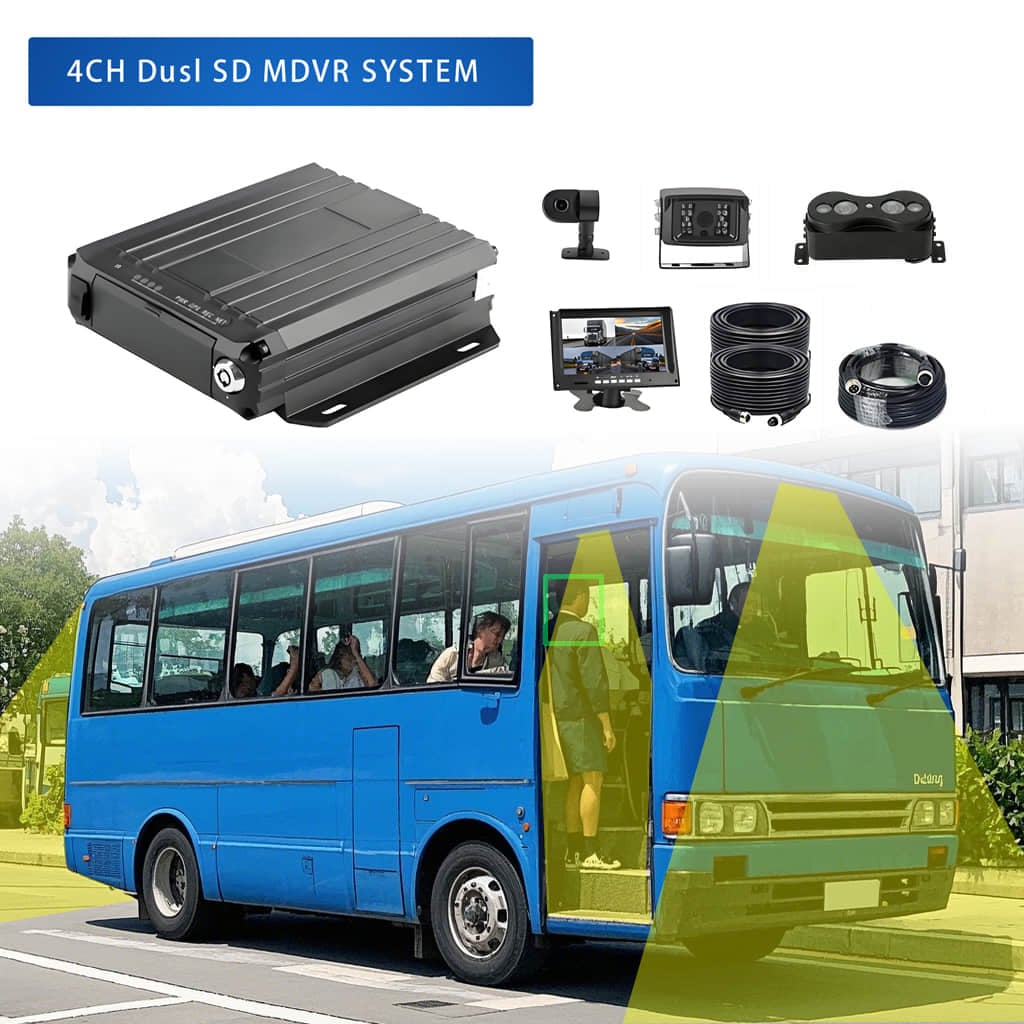
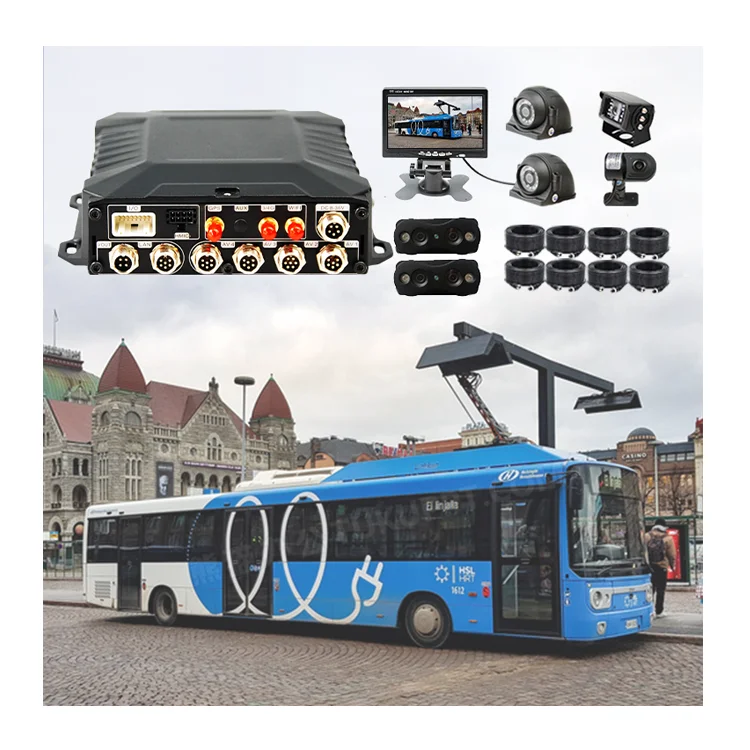
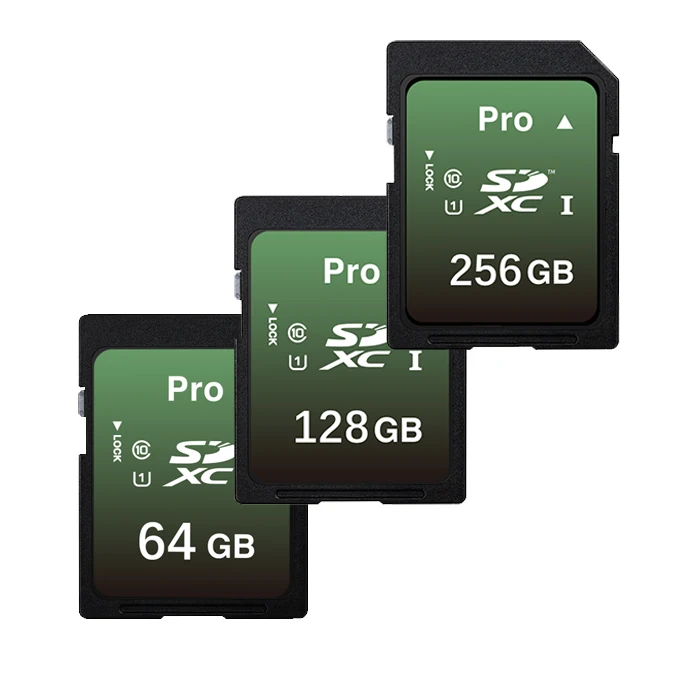
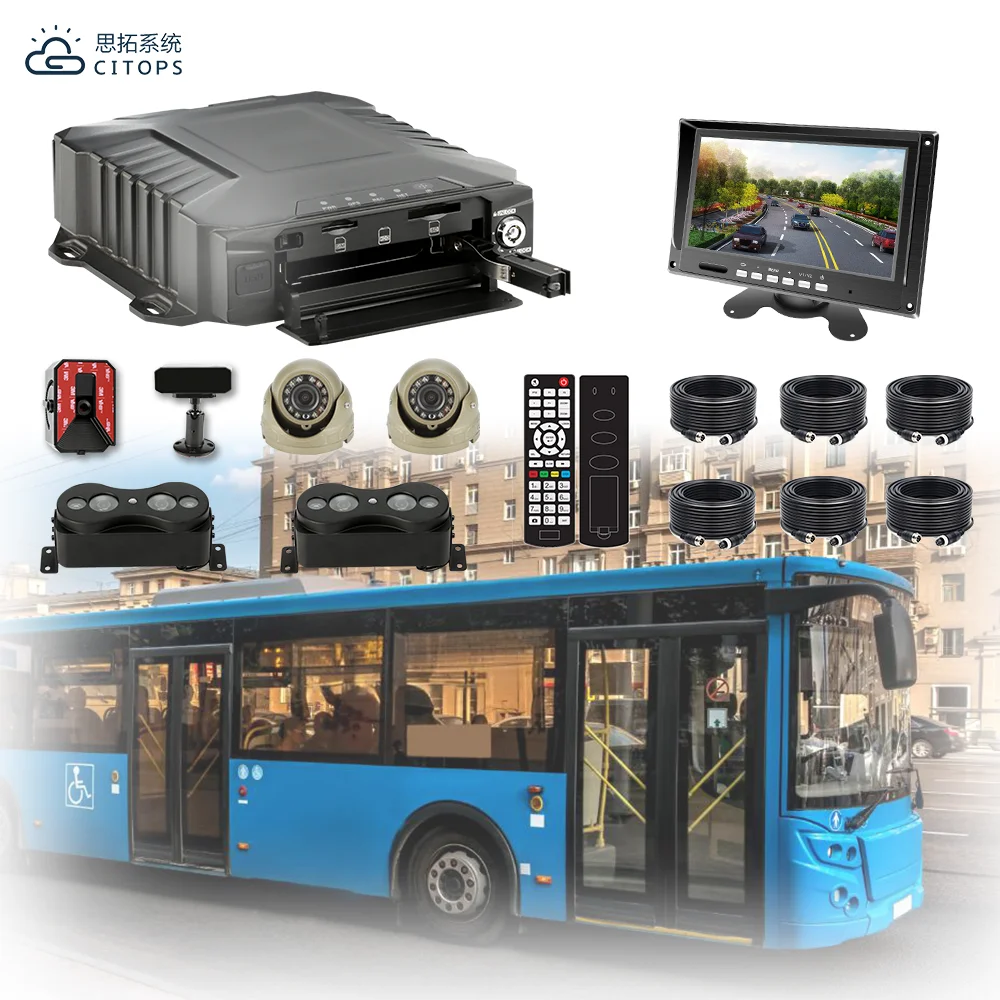
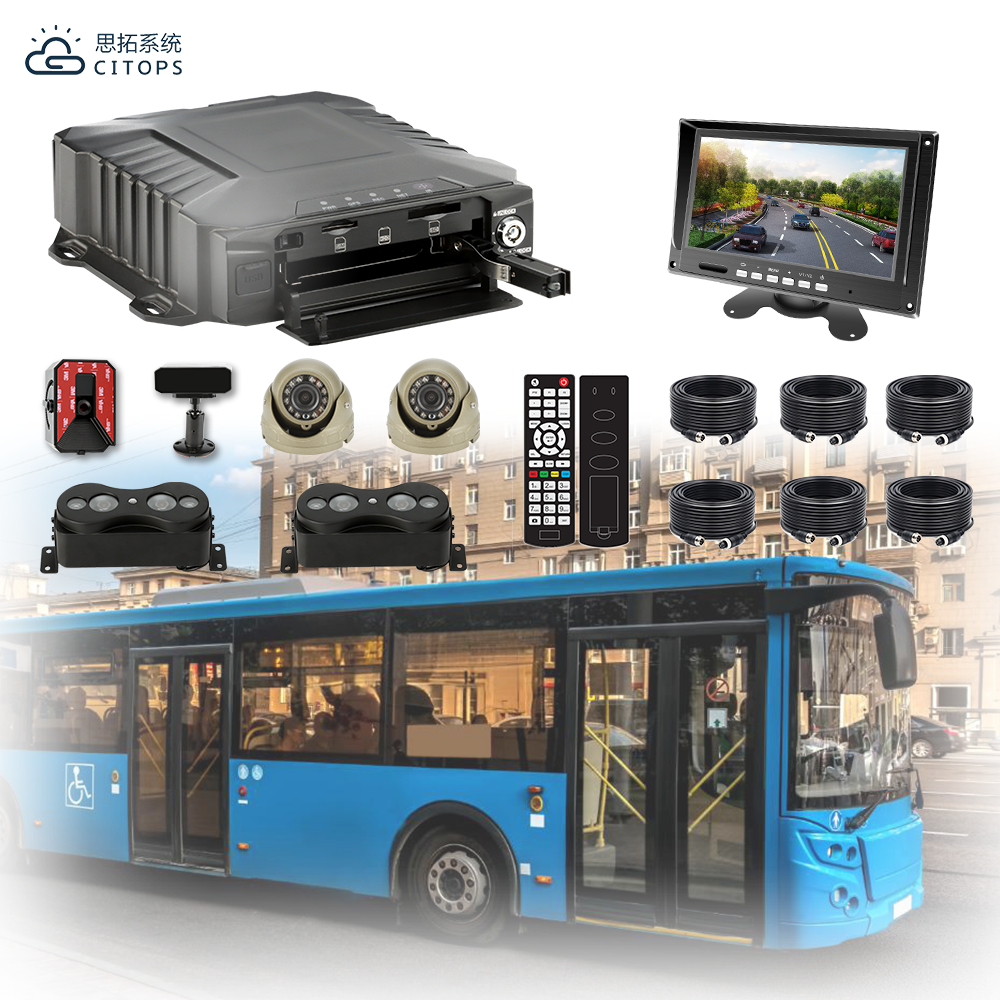
A typical bus MDVR solution includes a mobile DVR host, multiple vehicle cameras, GPS module, 4G communication module, storage device, alarm input, cables, and a cloud-based fleet management platform. Depending on the project, it can also support ADAS, DMS, passenger counting cameras, emergency button, WiFi download, and remote playback.
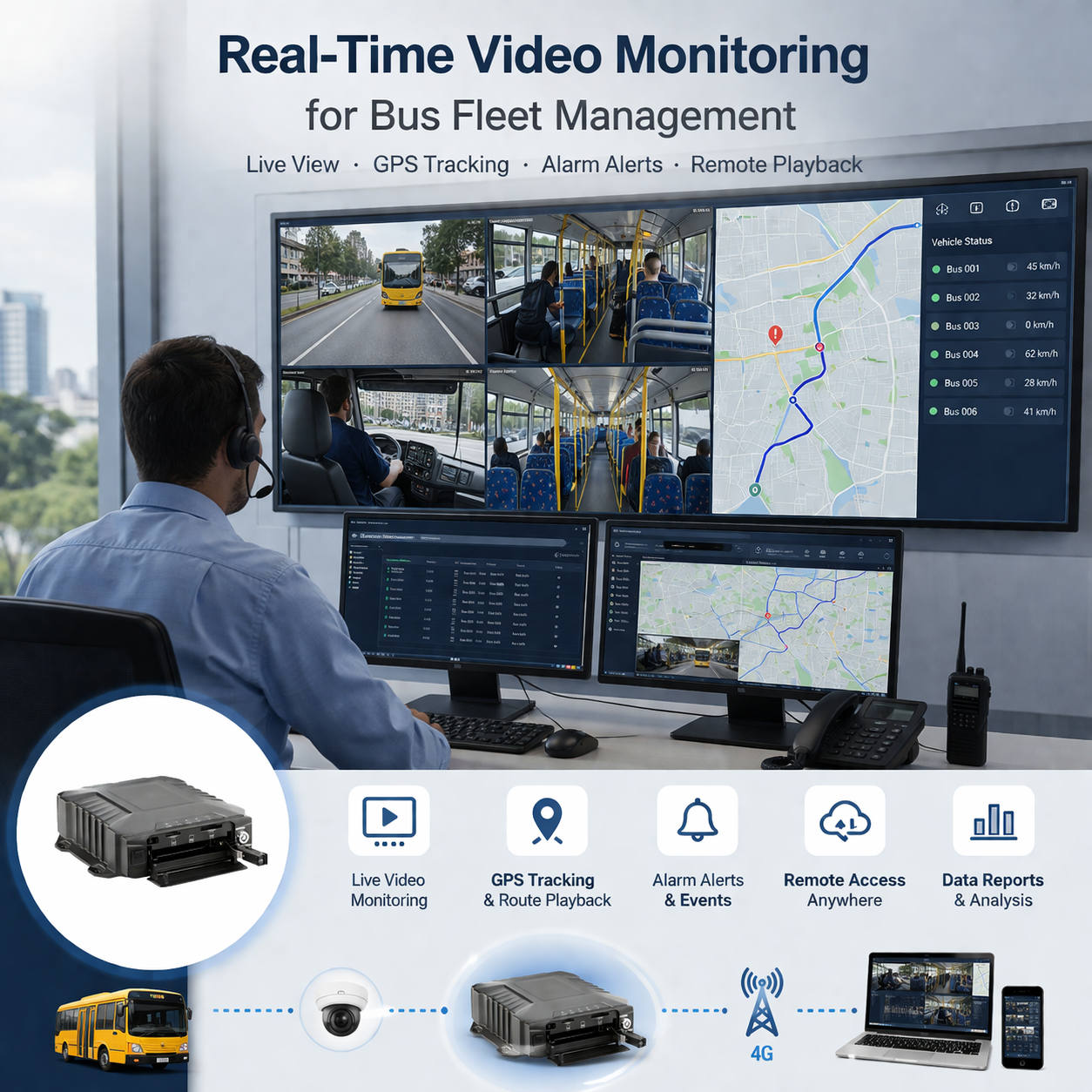
The system records video locally while also allowing authorized managers to view live video remotely through a web platform or mobile app. If an alarm event happens, such as sudden braking, speeding, fatigue driving, or emergency button activation, the system can upload event data and video clips to the platform. This helps the control center understand what happened without waiting for the vehicle to return.
For bus fleets, this means management becomes more proactive. Instead of only checking footage after a complaint, operators can monitor key vehicles, review safety events, and manage routes with both video and GPS data.
One of the biggest advantages of a Bus Mobile DVR System is multi-camera coverage. A single camera can only show one angle, but buses need visibility from different positions.
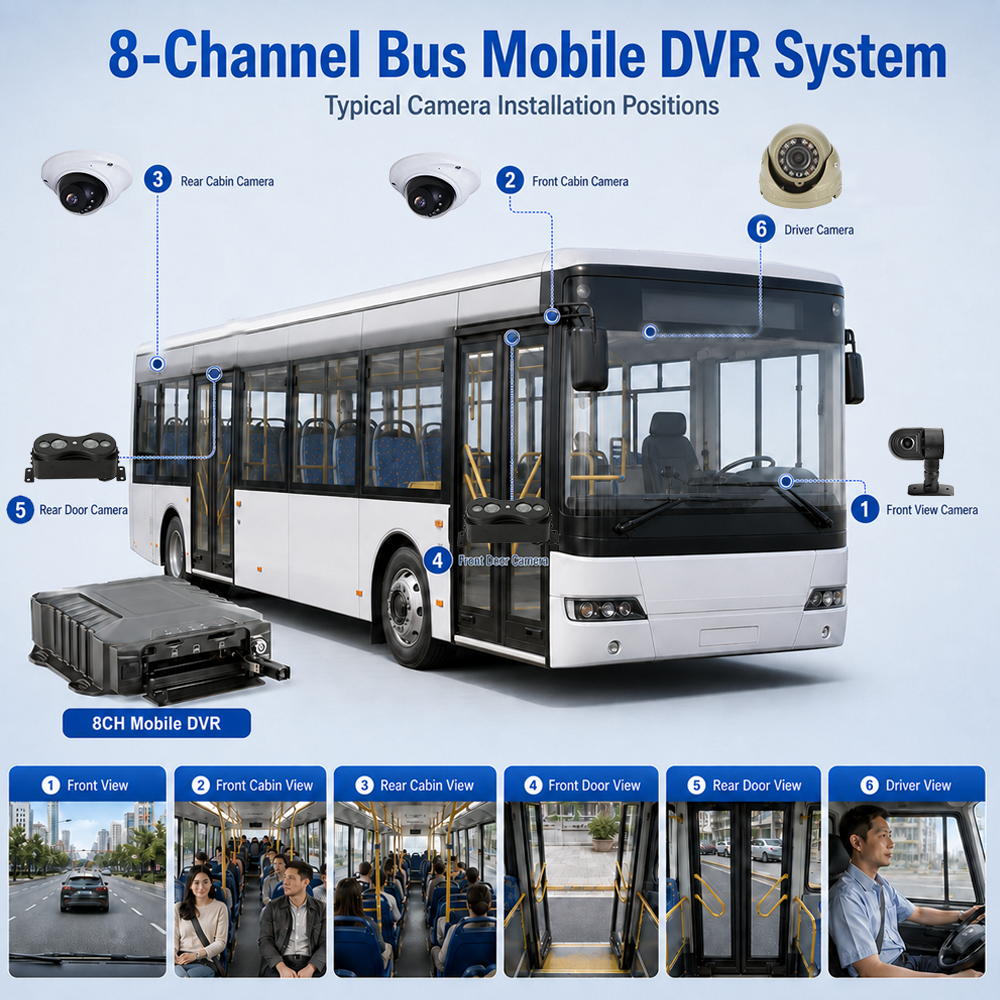
In a common bus solution, the front camera records the road ahead, the driver-facing camera monitors driver behavior, the cabin cameras cover passengers, the door camera records boarding and exiting, and the rear or side cameras help reduce external blind spots. For large buses, 6-channel or 8-channel MDVR systems are often used because they can provide more complete coverage.
This multi-camera design helps solve several practical problems. If a passenger falls inside the bus, the cabin camera can show whether it was caused by sudden braking, passenger movement, or other factors. If there is a dispute near the door, the door camera can record the boarding process. If an accident happens outside the vehicle, the front, side, or rear camera can provide useful evidence.
For operators, blind spot reduction is not only about accident prevention. It also improves service quality, driver protection, and passenger trust.
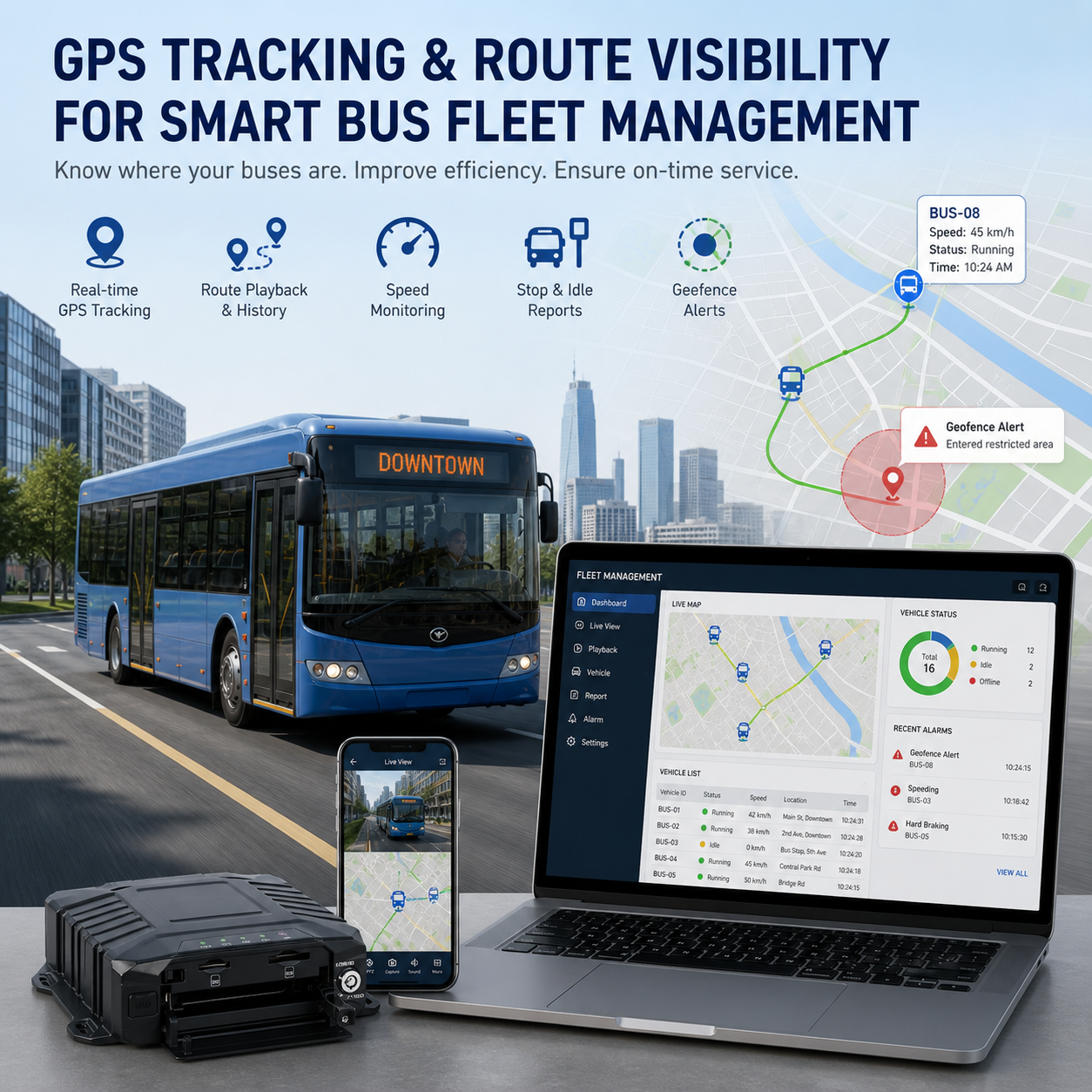
Video is important, but video alone is not enough. Bus operators also need to know where each vehicle is, whether it is following the planned route, whether it is delayed, and how long it stays at each stop. This is why GPS tracking is an essential part of a Bus Mobile DVR System.
With GPS and 4G transmission, managers can check real-time vehicle location, route history, speed, stop records, and event location on the platform. When video footage is combined with GPS data, the operator can understand not only what happened, but also where and when it happened.
The demand for this kind of intelligent fleet management is growing. The bus and public transport fleet management system market is expected to grow from USD 8.65 billion in 2025 to USD 15.71 billion by 2030, with a CAGR of 12.7%. This growth reflects the increasing need for digital dispatch, route visibility, safety monitoring, and public transport efficiency.
For bus operators, route visibility helps reduce management gaps. Dispatchers can respond faster to delays, check abnormal stops, review driving behavior, and improve daily fleet scheduling.
Passenger transport often involves disputes. A passenger may claim that the driver braked too suddenly. A driver may be accused of poor service. An accident may involve another vehicle, a pedestrian, or unclear responsibility. Without video evidence, operators often depend on verbal explanations, which can be incomplete or biased.
A Bus Mobile DVR System helps turn uncertain situations into reviewable records. Managers can check synchronized video, GPS location, vehicle speed, and event time. This makes incident review faster and more objective.
A recent example shows this trend clearly. North Western Karnataka Road Transport Corporation planned to install front-facing CCTV cameras on another 1,000 buses after positive results from 1,300 buses already equipped with cameras. The report noted that footage helped identify accident causes and support evidence-based dispute resolution.
For bus companies, this kind of evidence is valuable. It protects passengers, drivers, and the company at the same time. It also helps improve training because managers can use real events to explain risk points and correct unsafe driving habits.
Choosing the right Bus Mobile DVR System depends on vehicle type, camera quantity, storage requirements, network environment, and management goals. A small shuttle bus may only need a 4-channel MDVR system, while a city bus or school bus may require 6-channel or 8-channel video coverage.
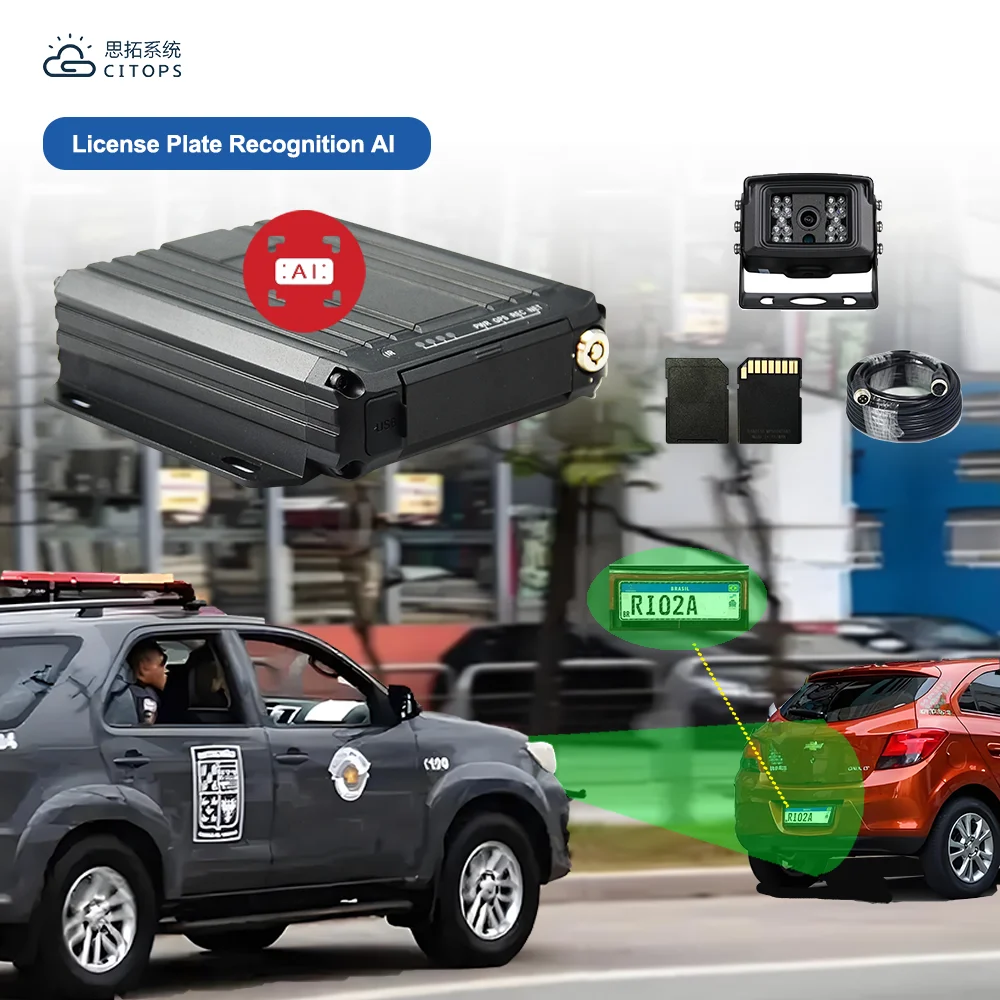
Fleet operators should consider several key points before choosing a solution. The MDVR should support stable recording, strong anti-vibration performance, GPS tracking, 4G remote monitoring, reliable storage, and platform playback. If the fleet has higher safety requirements, ADAS, DMS, blind spot detection, passenger counting, and emergency alarm functions can also be added.
More importantly, the supplier should not only provide the DVR host. A complete bus monitoring solution should include MDVR, cameras, cables, display options, storage, AI safety functions, sensors, and cloud platform management. Different bus projects have different needs, so solution matching is more important than simply comparing hardware specifications.
For transport companies that want to improve passenger safety and fleet visibility, a Bus Mobile DVR System is a practical long-term investment. It helps operators see the road, the driver, the cabin, the route, and key safety events from one platform. With the right system design, bus fleets can improve safety management, reduce disputes, support dispatch decisions, and build a more transparent passenger transport operation.
Need a Reliable Bus Mobile DVR System for Your Fleet?
CITOPS provides customized Bus Mobile DVR System solutions for city buses, school buses, shuttle buses, coaches, and public transport fleets. Our solutions can combine mobile DVR, vehicle cameras, GPS tracking, 4G remote video, local storage, ADAS, DMS, blind spot detection, and cloud platform management according to your project requirements.
Whether you need a 4-channel system for a small shuttle fleet or an 8-channel MDVR solution for large passenger buses, we can help you design a practical vehicle monitoring system based on your real operating environment.
Looking for a professional Bus Mobile DVR System supplier? Contact CITOPS to get a customized fleet video monitoring solution for your buses, school buses, or public transport vehicles.

A bus mobile DVR system is a vehicle-mounted video recording and monitoring solution designed for buses, school buses, shuttle buses, and public transport vehicles. It usually includes a mobile DVR host, multiple cameras, GPS tracking, 4G remote transmission, local storage, alarm inputs, and a cloud platform for fleet management.
A bus mobile DVR system improves passenger safety by recording the road, driver area, passenger cabin, doors, and blind spots. When an incident happens, fleet managers can review video footage, GPS location, speed, and event time to understand the situation more clearly and respond faster.
The number of cameras depends on the bus size and monitoring requirements. A small shuttle bus may use a 4-channel MDVR system, while a city bus, school bus, or coach may need a 6-channel or 8-channel system to cover the road, driver, passenger cabin, doors, rear view, and side blind spots.
Yes. With 4G transmission and a cloud platform, a bus mobile DVR system can support real-time remote viewing, GPS tracking, alarm event upload, and historical video playback. Fleet managers can monitor vehicles through a web platform or mobile app.
For bus fleets, a mobile DVR system provides more complete management than a simple GPS tracker. A GPS tracker only shows location, while a bus MDVR system provides video evidence, passenger monitoring, driver behavior review, route visibility, and event-based fleet management.
Operators should consider camera channels, storage capacity, 4G network support, GPS tracking, anti-vibration design, platform functions, video playback, alarm inputs, and optional AI safety features such as ADAS, DMS, and blind spot detection. The best system should match the actual bus type and fleet management needs.
 Hot News
2026-09-24
2026-09-16
2026-09-11
2026-09-04
2026-08-28
2026-08-14

CITOPS delivers cutting-edge in-vehicle video systems with 4G GPS tracking, AI algorithms, and cloud monitoring. Trusted in 120+ countries, we offer customized MDVR solutions for enhanced fleet safety and operational efficiency.
11/F,BlockA,Delux Sci-Tech Park,No.5 Guanle Street, Longhua District,518110,Shenzhen,China.
Copyright © 2026 Shenzhen Citops Systems Co., Ltd. All rights reserved Privacy Policy
粤ICP备 14015289 号