 EN
EN
Quick Links
In modern fleet operations, visibility is no longer optional. Whether managing delivery trucks, construction equipment, taxis, or service vehicles like moving trucks and used car fleets, businesses need more than just location data — they need real-time insight into what is actually happening.
This is where an Mobile DVR system becomes essential.
Unlike traditional GPS tracking devices, an MDVR system provides a complete vehicle monitoring solution by combining video recording, GPS tracking, wireless transmission, and cloud-based management. It allows fleet managers not only to track vehicles, but also to see events as they happen and review them later with full context.
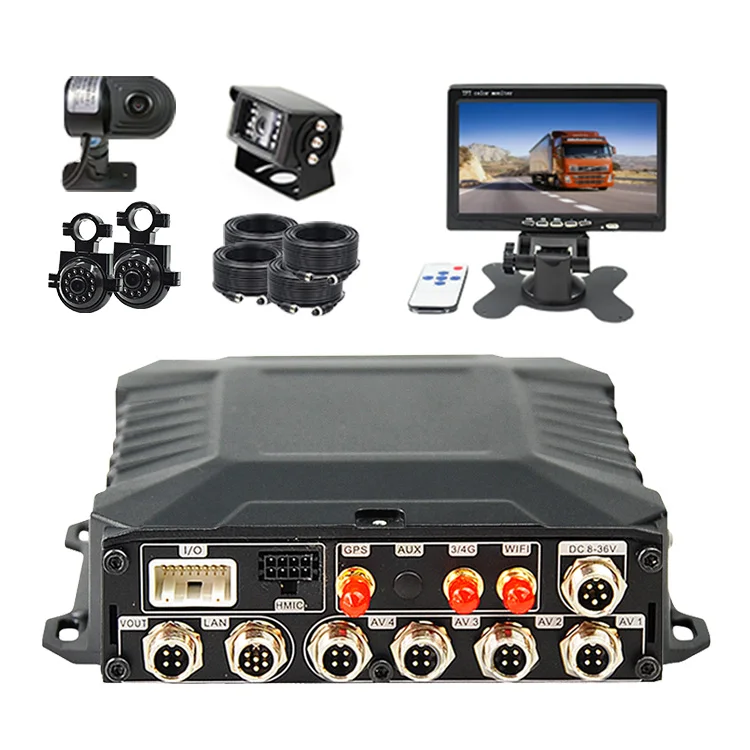
An MDVR system (Mobile Digital Video Recorder) is a vehicle-installed recording and monitoring system designed specifically for mobile environments. It captures video from multiple cameras while synchronizing location and operational data.
But in today’s fleet management environment, the definition goes beyond hardware.
An MDVR system functions as the core of a vehicle monitoring system, connecting cameras, sensors, and cloud platforms into one unified solution. Through platforms like CITOPS, fleet managers can access live video, track routes, and manage multiple vehicles remotely.
👉 Explore Our Vehicle Safety Monitoring & Management MDVR System Solutions.
Compared to a standard dashcam or a basic GPS tracker, a mobile DVR system is built for scalability, stability, and integration across commercial fleets.
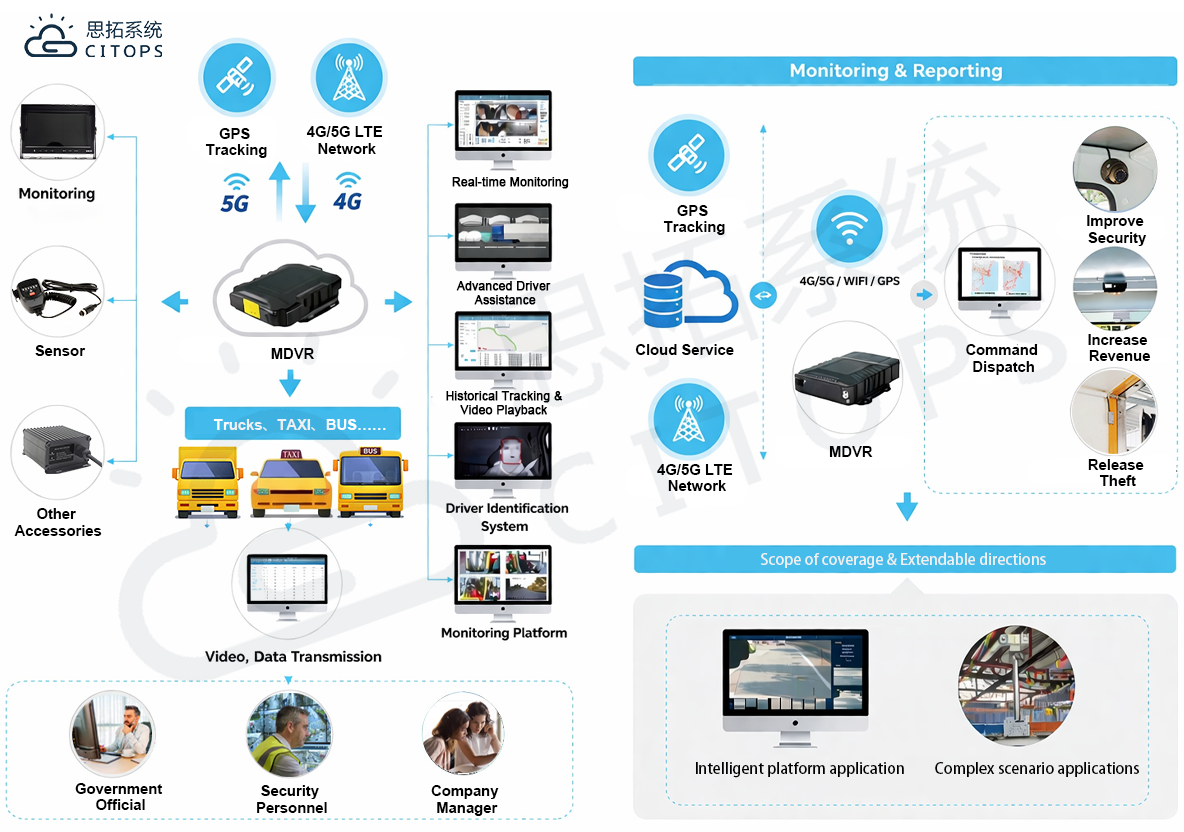
To understand how an MDVR system works, it helps to look at how data flows from the vehicle to the manager.
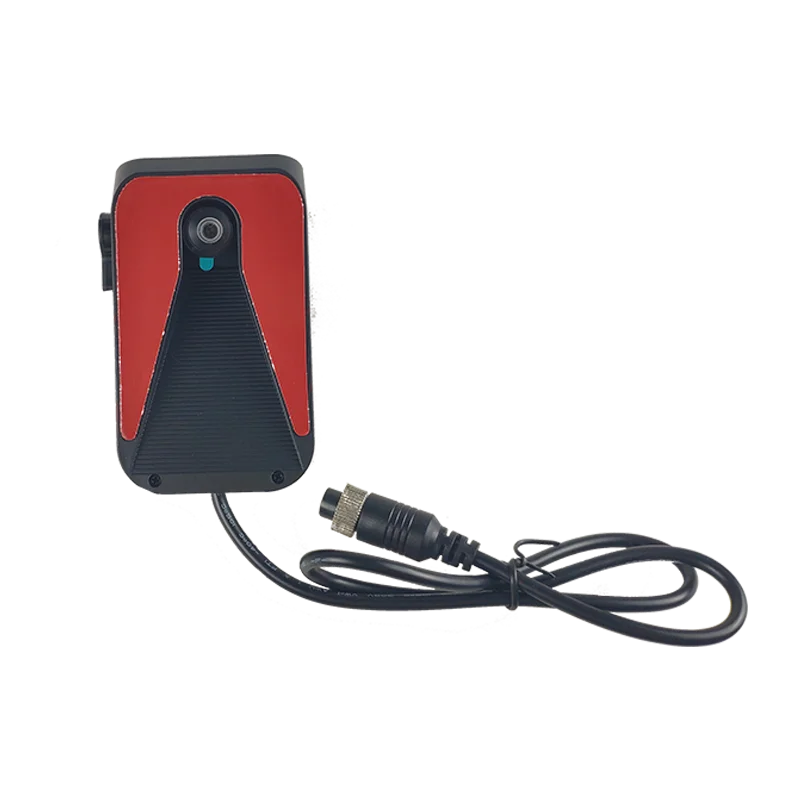
Inside the vehicle, multiple cameras capture video from key areas such as the road, driver cabin, cargo space, or rear view. The MDVR unit processes and compresses the video using H.265 technology, ensuring efficient storage and transmission.
At the same time, GPS modules continuously collect location data, while optional sensors monitor fuel levels, door status, or other operational conditions. This information is stored locally and transmitted via 4G or WiFi to a cloud platform.
From there, fleet managers can log into the system through a browser or software interface, where they can monitor live video, review historical footage, and receive alerts about unusual events.
This integration transforms a simple recording device into a complete fleet video monitoring system.
Many businesses initially search for a device, but what they actually need is a solution.
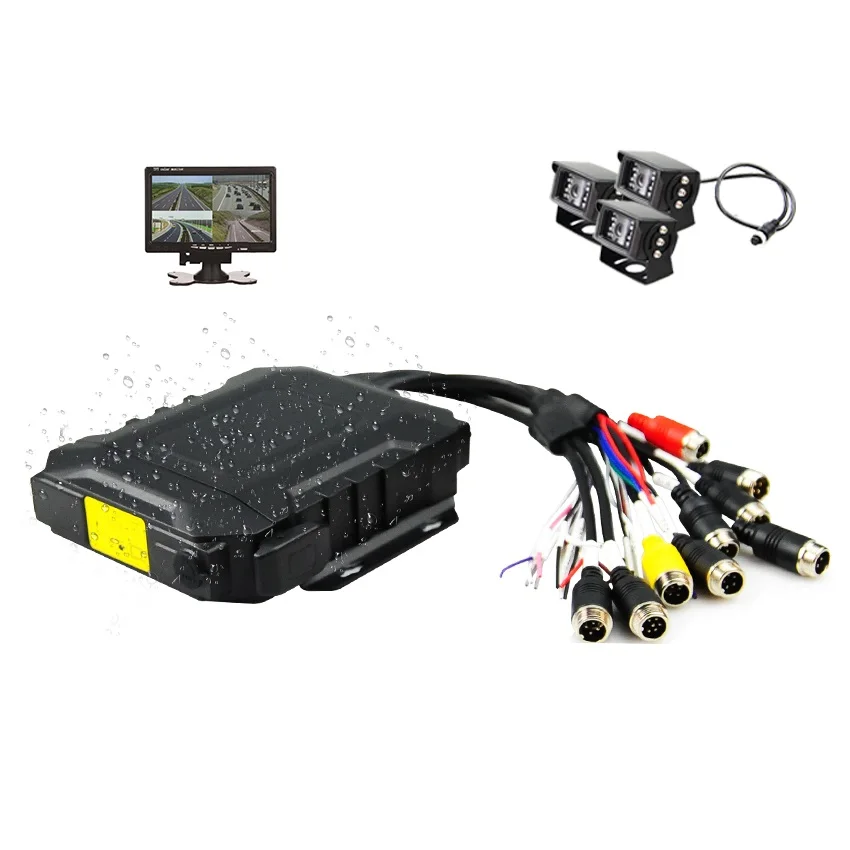
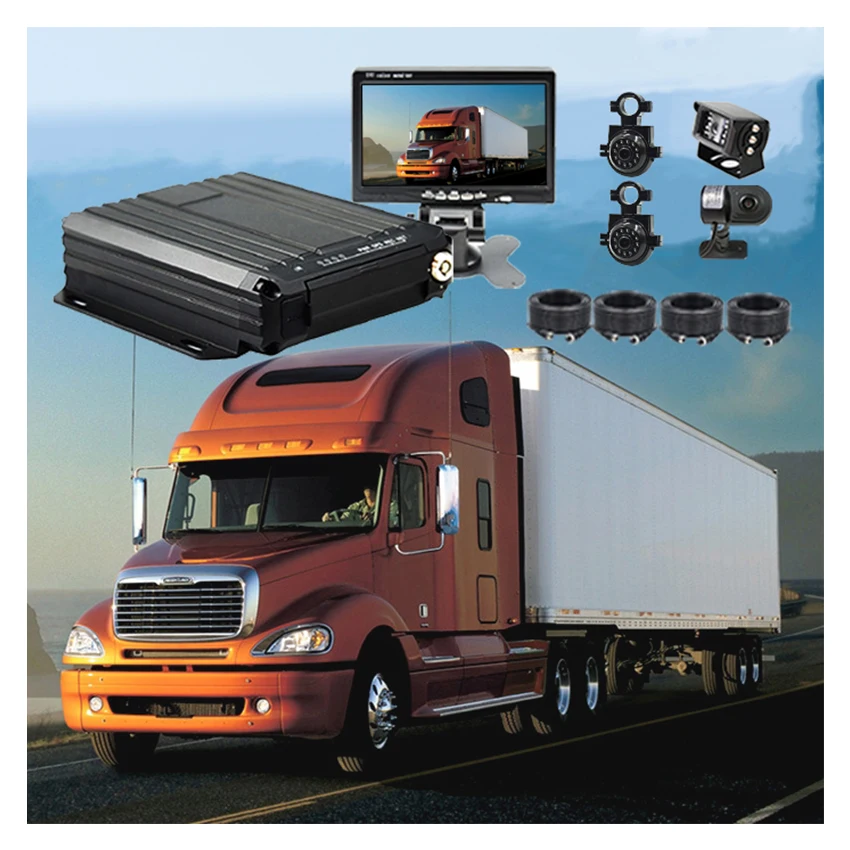
A typical MDVR-based deployment includes the main recorder, multiple cameras, optional sensors, and a cloud management platform. These components work together to provide full visibility and control.
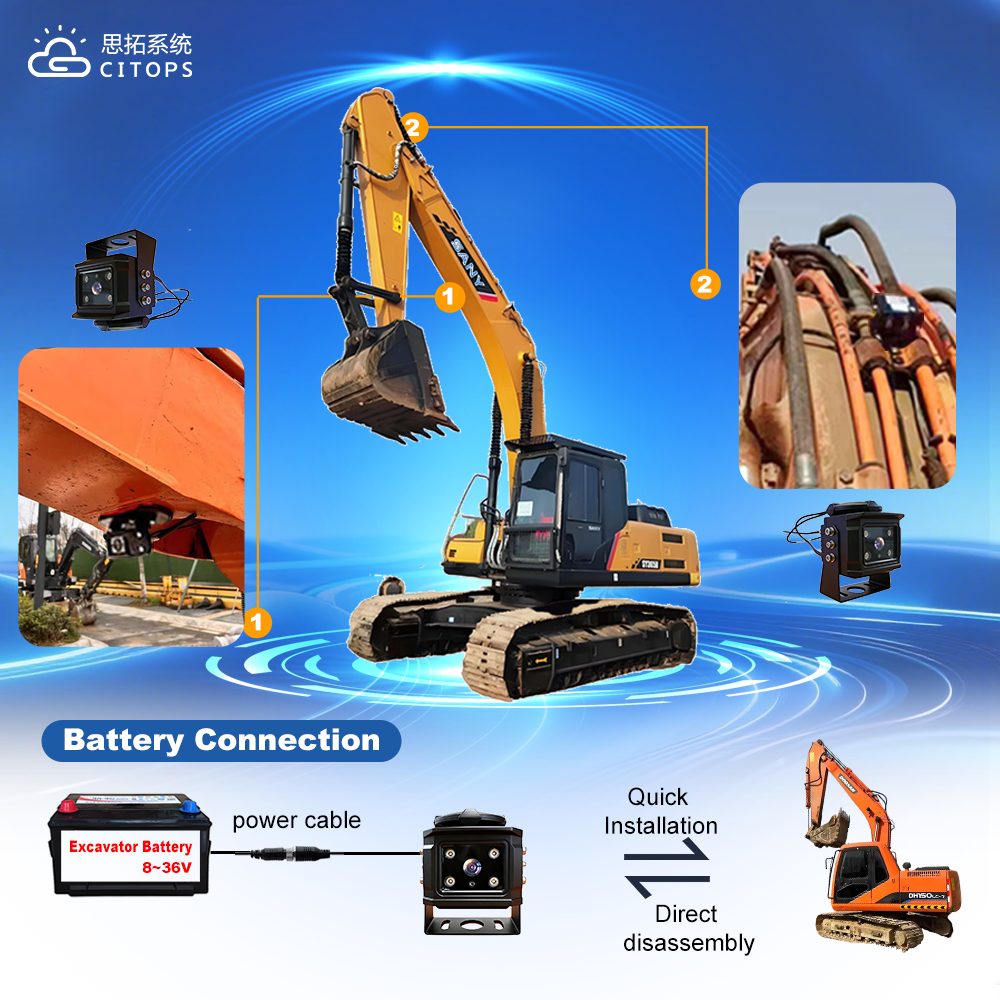
For example, in logistics fleets, MDVR systems are often used to monitor cargo areas, helping prevent theft and resolve delivery disputes. In construction environments, they are used to monitor equipment usage and improve operational efficiency. Even in industries like furniture moving or used car dealerships, vehicle camera systems help reduce risk and increase transparency.
👉 Discover full fleet monitoring solutions.
This flexibility is what makes MDVR systems suitable for almost any business that manages moving assets.
It is common for businesses to compare an MDVR system with simpler tools such as GPS trackers or single-camera solutions.
A GPS tracker provides location data, but it cannot show what actually happened during an incident. A single 4G camera can provide video, but may lack multi-channel support and system integration.
👉 Read more: MDVR vs GPS tracker
In contrast, an MDVR system combines video, data, and platform management into one unified system. It supports multiple cameras, integrates with sensors, and provides both real-time and historical data — making it far more suitable for professional fleet management.
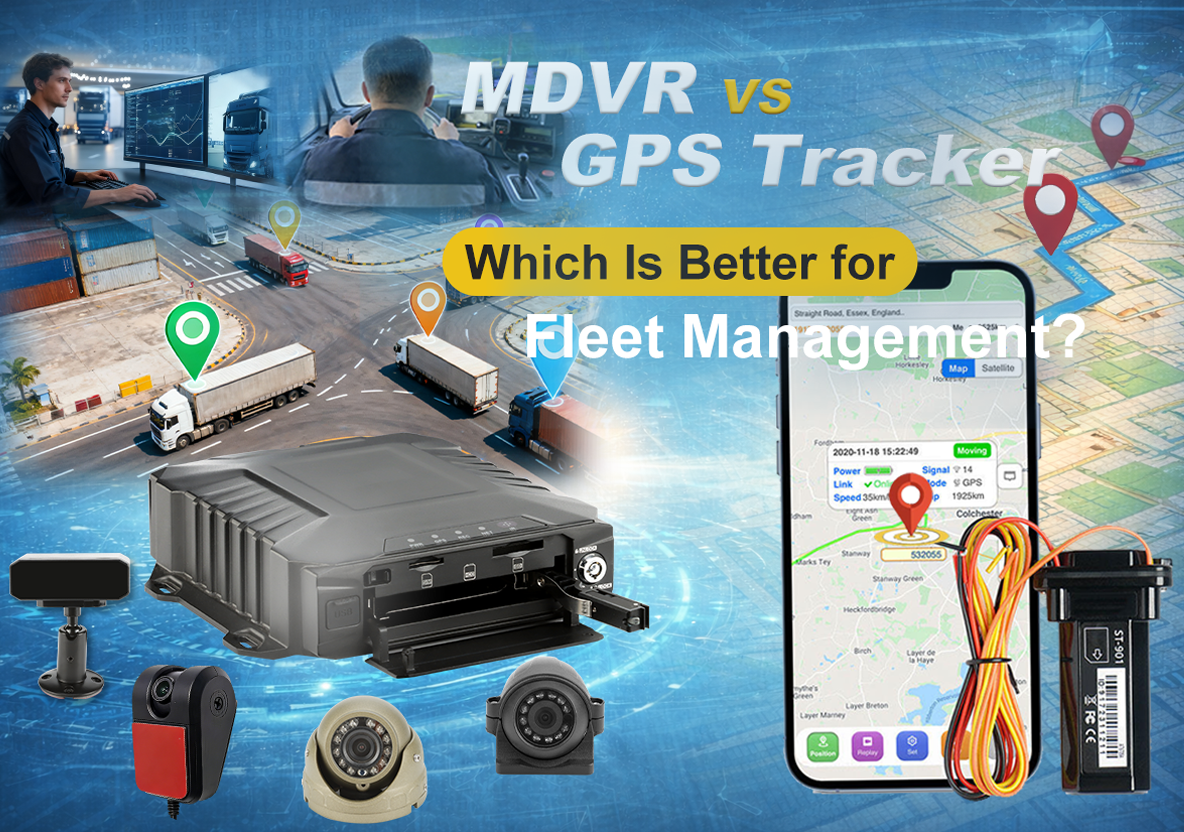
For smaller fleets or single vehicles, a 4G vehicle camera solution may be a cost-effective alternative. These devices are easier to install and suitable for lightweight monitoring scenarios.
👉 Learn about 4G vehicle camera solution
However, as fleet size grows or monitoring requirements become more complex, MDVR systems offer greater scalability, stability, and functionality. They are designed for businesses that need full operational control, not just basic visibility.
As fleet management evolves, businesses are moving toward systems that provide not only tracking, but also accountability and insight.
An MDVR system helps reduce operational risks by providing clear video evidence, improve driver behavior through monitoring and alerts, and increase efficiency by enabling real-time supervision.
More importantly, it shifts fleet management from passive tracking to active control.
An MDVR system is no longer just a recording device. It is the foundation of a modern fleet management system.
By combining video, GPS data, and cloud connectivity, it enables businesses to monitor operations, reduce risks, and make better decisions based on real-world data.
If your business relies on vehicles — whether trucks, motorcycles, construction equipment, or service fleets — investing in a reliable MDVR system can significantly improve both safety and operational efficiency.
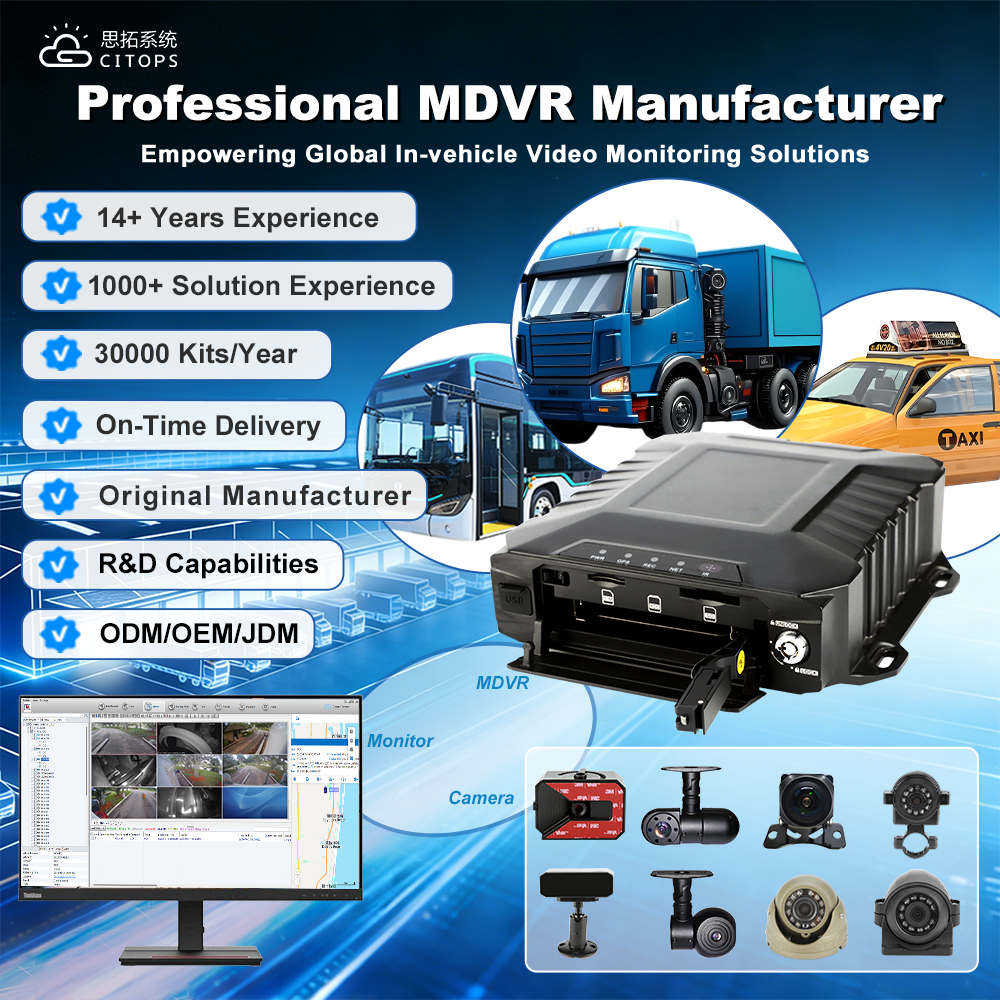
👉 Looking for a reliable vehicle monitoring solution?
Visit https://citops.com to explore MDVR systems and customized fleet monitoring solutions tailored to your business.
 Hot News
2026-09-16
2026-09-11
2026-09-04
2026-08-28
2026-08-14
2026-08-07

CITOPS delivers cutting-edge in-vehicle video systems with 4G GPS tracking, AI algorithms, and cloud monitoring. Trusted in 120+ countries, we offer customized MDVR solutions for enhanced fleet safety and operational efficiency.
11/F,BlockA,Delux Sci-Tech Park,No.5 Guanle Street, Longhua District,518110,Shenzhen,China.
Copyright © 2026 Shenzhen Citops Systems Co., Ltd. All rights reserved Privacy Policy
粤ICP备 14015289 号