 EN
Quick Links
A fleet manager can review a route after a shift, but a route map alone cannot explain where a driver was looking or what happened inside the cab. When a distraction concern is reported, the next questions are practical: Was there a warning? Is there a recording of the moment? What follow-up is appropriate?
Driver monitoring systems, or DMS, are attracting attention in vehicle safety policy as well as fleet operations. EU Regulation 2023/2590 sets out approval requirements for advanced driver distraction warning systems, with a focus on prolonged visual distraction. Regulation 2026/1188 explains that the relevant requirements apply to unlimited-series new vehicle types from 7 July 2024 and new vehicles from 7 July 2026, while allowing additional lead time for small-series and special-purpose vehicles. EU ADDW requirements, 2026 timing clarification, recital 8.
For an operating fleet, this policy background raises a useful purchasing question: how should driver warnings connect with the evidence and people needed to manage an event? A proposed aftermarket DMS and MDVR package needs its own assessment; it should not be assumed to satisfy vehicle type-approval requirements.
A driver-facing warning and a management review happen at different times. The warning is intended to draw the driver's attention to a condition the selected system can detect. The review helps a supervisor understand the event and decide whether coaching, an equipment check or another response is warranted.
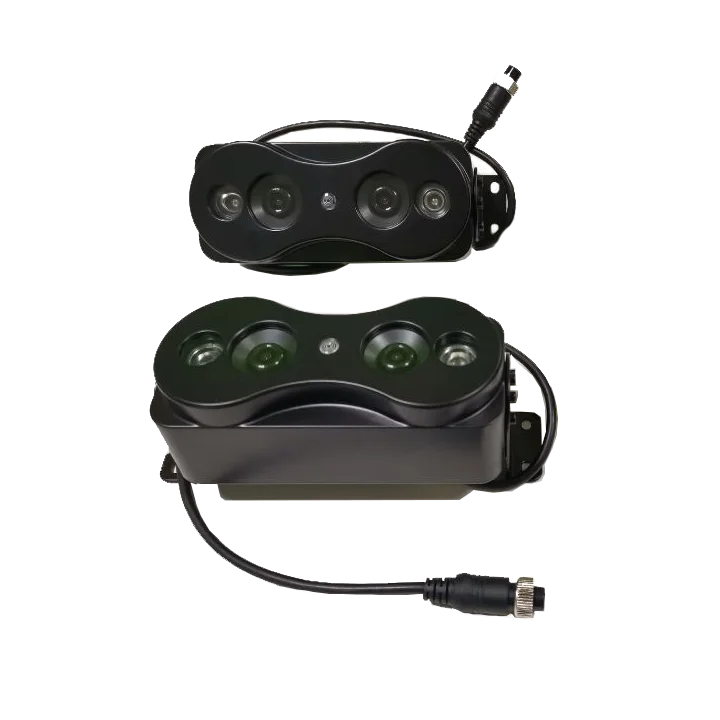
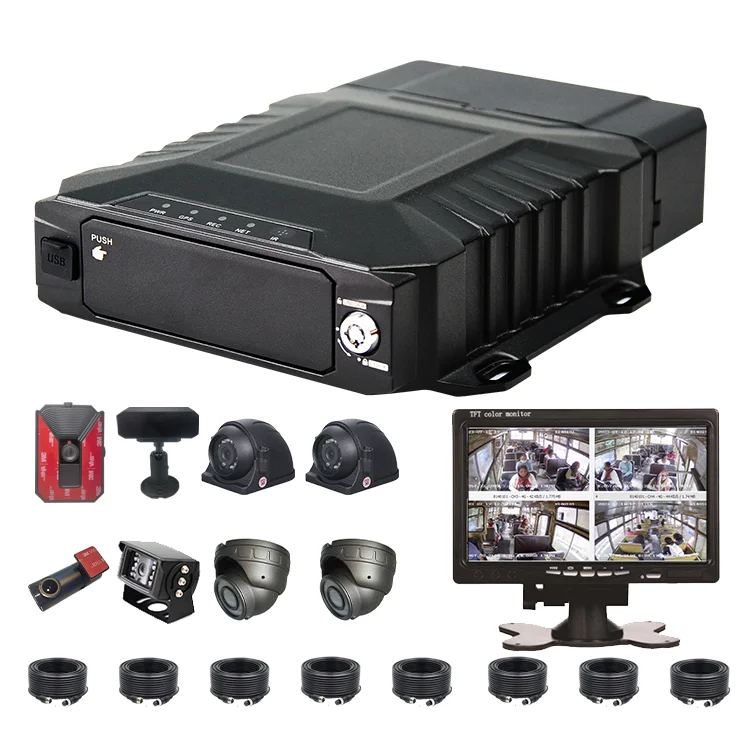
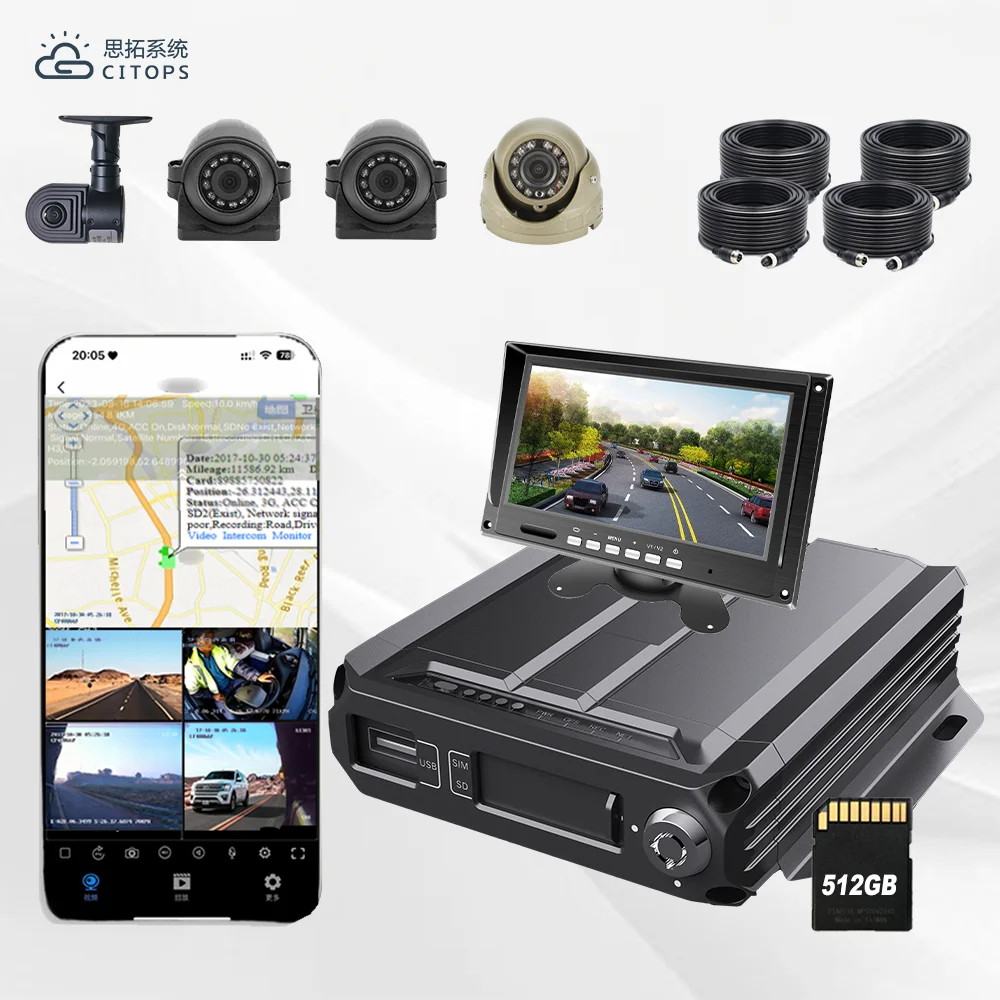
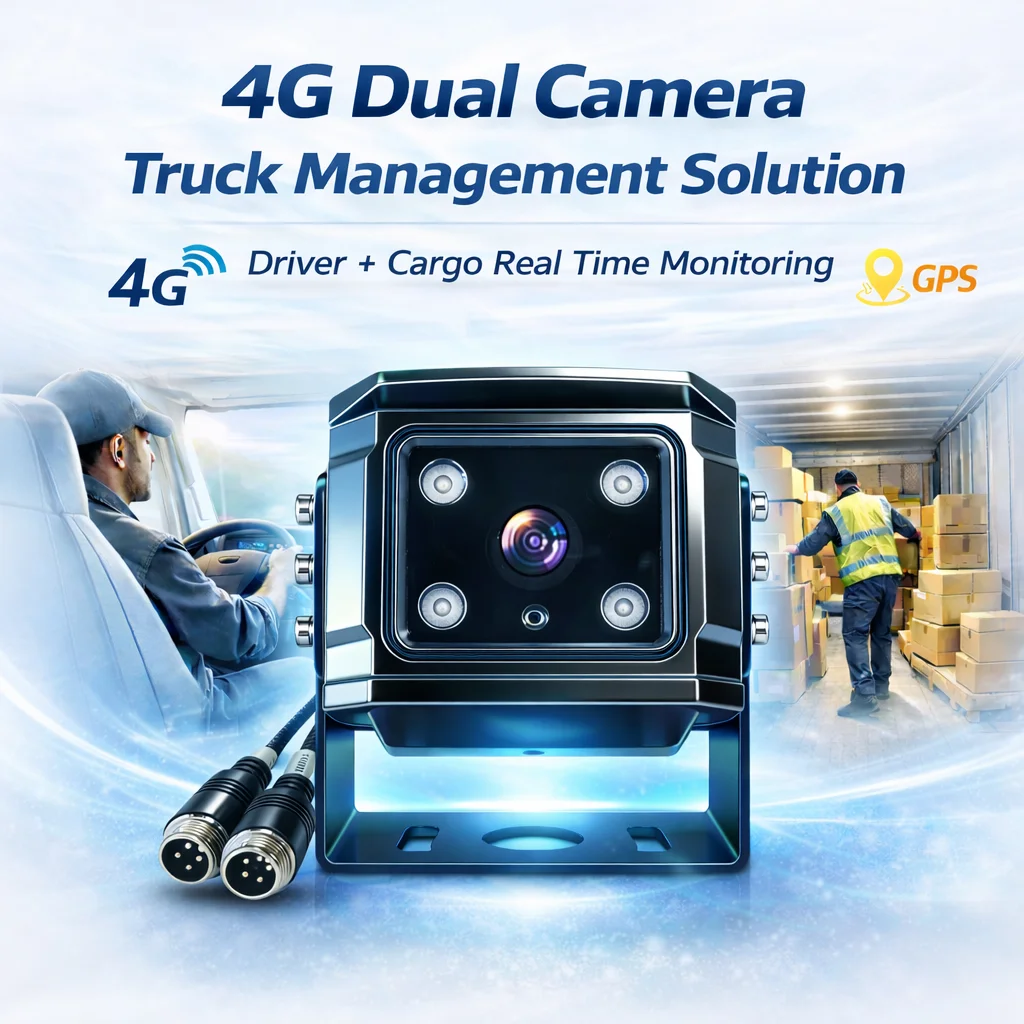
CITOPS lists an AI MDVR configuration with a compatible DSM camera whose published functions include abnormal-gaze and calling warnings. The listing also describes storage and optional communications capabilities. These are starting points for discussing a configuration, rather than confirmation that every recorder, camera or software package includes the same functions.
For a distraction project, ask for a demonstration of the complete sequence: a supported condition is detected, the driver receives the specified warning, and an authorised reviewer can locate the associated recording. That sequence is more informative than a long list of AI feature names.
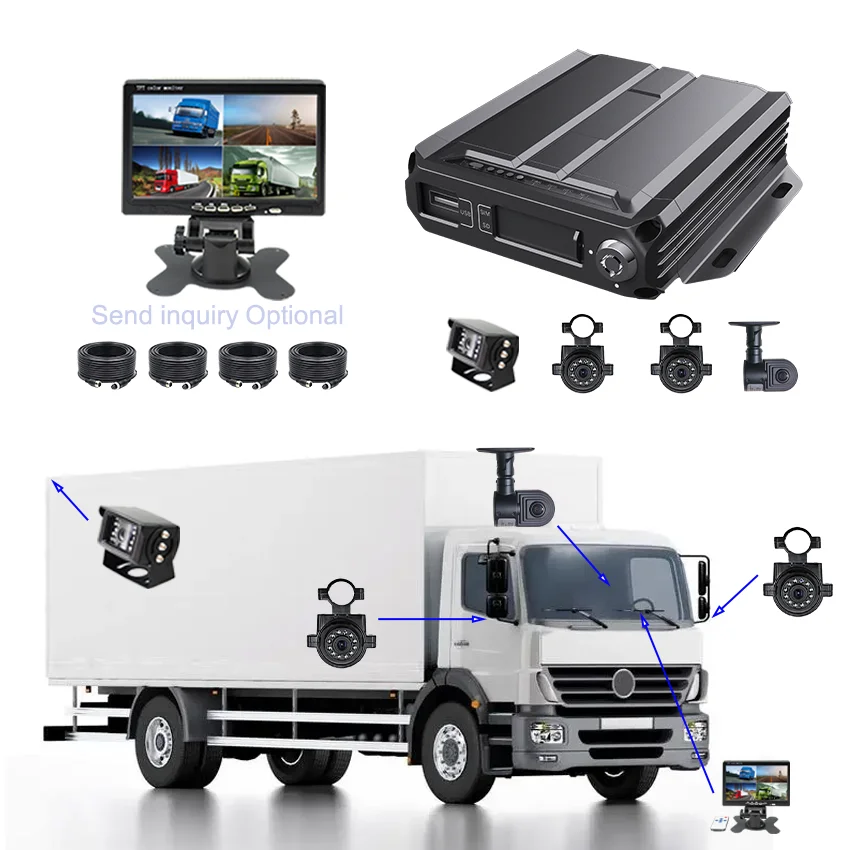
A driver-facing view can help show what was visible inside the cab. A forward road view can add traffic and route context. Depending on the incident, the reviewer may also need another relevant camera view.
The fleet should decide what context it needs before selecting the recorder and storage. An event label without a usable clip can leave a manager dependent on a short description. A clip without enough surrounding activity can leave the event open to several interpretations.
Discuss the following as separate requirements:
An AI MDVR can be evaluated as part of this recording workflow. Mobile connectivity can support remote tasks where provided, but continuous live watching is not a practical substitute for a defined event review process.
Consider an illustrative delivery-fleet scenario. A supervisor sees several distraction alerts associated with one vehicle during a shift. Before drawing a conclusion about the driver, the supervisor checks the available clips and their road context.
One recording might show behaviour that needs a conversation. Another might be inconclusive because the relevant features are obscured. A repeated pattern at a similar point on a route might justify looking at how the delivery task is organised. The reviewer records what the images support and what remains uncertain.
This approach gives the driver an opportunity to explain the circumstances. It also helps separate a coaching issue from a camera, configuration or workflow issue. An AI event category should not be treated as a complete account of what happened.
The purpose of retaining context is to make the follow-up more specific: what behaviour needs to change, what support is appropriate, and whether the change should be reviewed later.
Some projects are primarily concerned with the driver's immediate warning. Others also need a supervisor to review events across several vehicles. Those projects have different requirements for recording, connectivity and software.
| Fleet requirement | Capability to establish in the proposed package |
|---|---|
| A prompt inside the vehicle | Supported detection conditions, warning method and documented operating limits |
| Review of a reported event | Relevant camera views, event-time matching and usable recording quality |
| Off-site review | Compatible communications, software access and an agreed retrieval process |
| Follow-up across shifts | A consistent way to identify the vehicle, event and responsible reviewer |
| Sharing an incident for coaching | Suitable export options and access limited to the people handling the review |
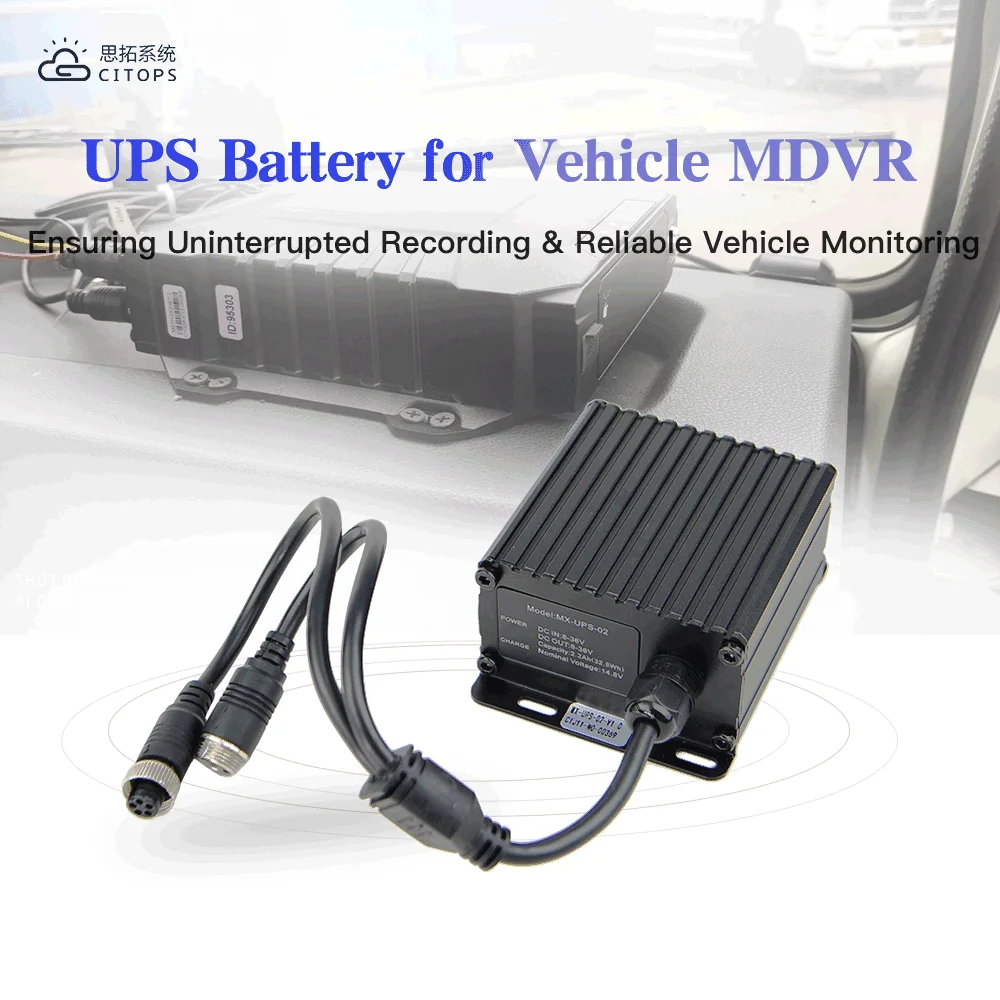
This is also where the buyer should ask whether an existing recorder can meet the recording requirement. A new project does not automatically require replacement of every component. Compatibility and the required event workflow need to be confirmed for the actual equipment.
Request samples from the camera and recorder combination being proposed, followed by a controlled demonstration of the warning and review functions. Examine whether the event can be understood at normal playback speed and whether the reviewer can find the relevant views without reconstructing the process manually.
The useful materials are specific: a model-level function list, documented operating limits, an example event recording and a software demonstration. A general brochure or a certification unrelated to the required function cannot answer those questions.
Agree on how the system will be explained to drivers, who may review footage and how observations will be followed up. Keep the process focused on the stated safety task. Recorded events can inform coaching, but safe work planning and driver responsibility remain part of the operation.
Before requesting a quotation, identify the driving concern, vehicle types and the people who need to respond. Then specify whether the project needs driver warnings alone or warnings supported by reviewable video and remote access.
Discuss a DMS and MDVR configuration with CITOPS. Share your vehicle type, operating country, required warning functions and review process so the proposed cameras, recorder and software can be assessed against the job they need to perform.
 Hot News
2026-09-24
2026-09-16
2026-09-11
2026-09-04
2026-08-28
2026-08-14

CITOPS delivers cutting-edge in-vehicle video systems with 4G GPS tracking, AI algorithms, and cloud monitoring. Trusted in 120+ countries, we offer customized MDVR solutions for enhanced fleet safety and operational efficiency.
11/F,BlockA,Delux Sci-Tech Park,No.5 Guanle Street, Longhua District,518110,Shenzhen,China.
Copyright © 2026 Shenzhen Citops Systems Co., Ltd. All rights reserved Privacy Policy
粤ICP备 14015289 号