 EN
EN
Quick Links
Truck fleets really need video for only one reason. A road incident may require front and side evidence; a cargo claim may require door or load-area footage; a dispatcher may need vehicle location and a live view; and a safety manager may need a driver-facing event clip. The right truck fleet video monitoring system connects those business questions to the specific camera view, online platform and a usable MDVR recording.
The CITOPS truck DVR system provides an overview of multi-camera recording, GPS and remote fleet access. This guide explains how a buyer can turn those functions into a practical truck configuration and a sample-to-bulk purchasing plan.
Before discussing MDVR recorder or channel counts, list the decisions that supervisors, dispatchers and claims teams need to make. Each decision should have a matching view, system function and result.
| Fleet need | Required evidence or visibility | System function to discuss |
|---|---|---|
| Collision or road dispute | Road approach, lane position and relevant side or rear view | Synchronized multi-camera recording with time and GPS data |
| Cargo or delivery dispute | Cargo area, rear door, side door or loading activity | Cargo camera and door or alarm input when required |
| Remote fleet supervision | Vehicle location, route and selected live view | GPS, 4G connectivity and platform permissions |
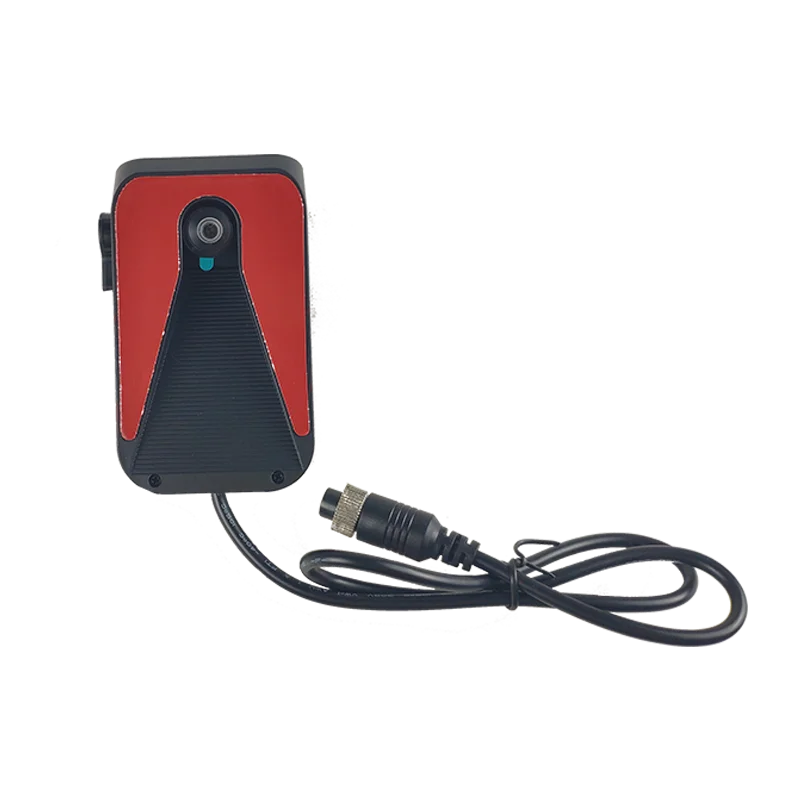
| Driver monitor | Standardize rive behavior and accident evidence | Cabin camera and optional DMS when the project includes it |
| Blind areas monitor | Vehicle sides and rear blind areas | Side and rear cameras and optional BSD when required |
Channel count should follow the camera map, not the word truck. A tractor, rigid delivery truck, box truck and truck with a separate trailer have different blind areas, loading points and cable routes. Mark every view that must be recorded independently, then allow for any planned expansion.
A four-channel layout can work when the buyer needs four independent views, for example front road, driver or cabin, left side and right side. A different four-view project might use front road, rear, cargo and driver. The value comes from matching the four channels to the business problem, not from using a standard diagram for every truck.
A Muti-channel MDVR recorder becomes useful when the vehicle needs separate road, driver, both sides, rear, cargo and door views, or when a tractor and trailer require additional coverage. Count views is required first. Do not use one wide angle camera to replace two independent views when each side must provide clear evidence.
| Component | What it does | Buyer decision |
|---|---|---|
| Vehicle cameras | Capture the road, driver, cargo or vehicle surroundings | Which exact areas must be visible by day and at night? |
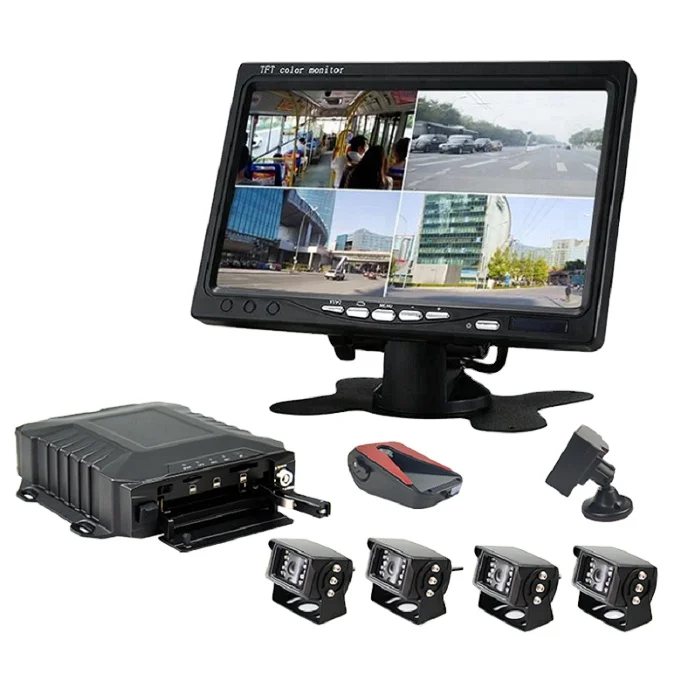
| MDVR | Records synchronized channels and vehicle data | How many inputs, which storage type and which optional modules are required? |
| Local storage | Keeps the full-quality recording in the vehicle | How many operating days must be retained before old video is overwritten? |
| GPS | Adds location, route and time context | Who needs route history and how will it be used? |
| 4G and platform | Provides remote live view, playback, alerts or device status when configured | Which remote tasks are necessary and what mobile network will be used? |
| Monitor and alarm inputs | Support maneuvering views or link vehicle events to video | Does the driver need a live display and which events should mark footage? |
Local storage is the main evidence source because it can record at the configured quality without sending every channel continuously over the mobile network. A 4G connection is used for selected remote tasks such as live viewing, location, event upload or remote playback. The buyer should define which tasks are essential so the SIM plan and platform design match real use.
Retention should be long enough for the fleet to identify a complaint and preserve the relevant clip before it is overwritten. A local delivery fleet may discover a dispute quickly, while a long-haul or subcontracted operation may need more time. Storage depends on channel count, resolution, frame rate, bitrate, recording hours and event settings. Provide CITOPS with those inputs and request a written storage estimate for the proposed configuration.
For a compact four-view project, the CITOPS M16Hv four-channel MDVR is a relevant starting point. CITOPS materials describe four 1080p AHD inputs, H.264/H.265 recording, dual SD storage and optional 4G, Wi-Fi and GPS functions. The final quotation should identify the exact modules, storage media, cameras, cables and platform service included.
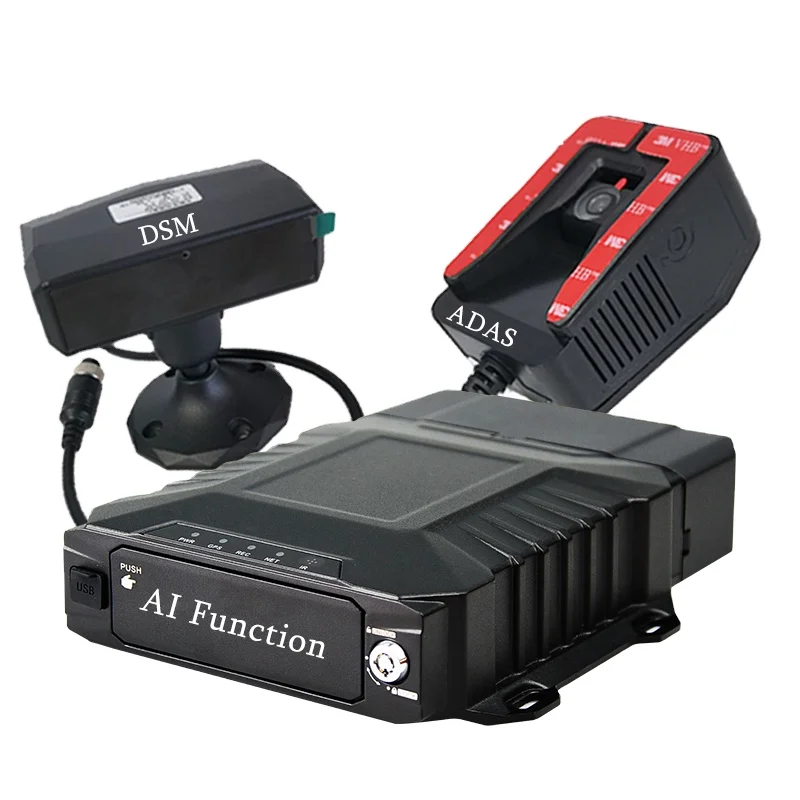
Fleets that require more independent views, larger storage or AI functions should request another MDVR recorder and camera map rather than forcing the project into the same configuration. The approved bill of materials should be tied to the representative truck used in the sample stage.
Recommended to buy a sample including an MDVR host, cameras, storage card, 4G & GPS antennas, extension cables and platform. Install it on a truck that represents the planned fleet. Use normal routes and loading activity to verify the following results.
If the sample needs a different camera angle, cable length, storage capacity or remote setting, update the configuration and test the affected function again. Once the buyer accepts the result, record the approved configuration in the bulk quotation.
FMCSA's Large Truck and Bus Crash Facts reported that 6,050 large trucks and buses were involved in fatal crashes in 2022. A camera system cannot replace driver training, maintenance or safe operating procedures, but it can give a fleet better evidence, faster incident review and clearer visibility when it is designed around a real workflow.
Send CITOPS the truck type, fleet quantity, required views, recording schedule, retention target, operating country, mobile network and remote platform requirements. Contact CITOPS to receive a proposed camera map, sample configuration and itemized bill of materials before the bulk order.
Q: How many cameras does a truck fleet need?
A: The answer depends on the required views. Count the road, driver, left side, right side, rear, cargo and door views that must be recorded independently. Four cameras can cover a focused four-view requirement; a truck that needs more separate evidence zones requires more channels.
Q: Does a truck camera system need 4G?
A: Not for local recording. Add 4G when the fleet needs remote live view, GPS platform access, event upload, remote playback or device-status functions. Confirm the intended mobile network and data use before ordering.
Q: Can one system monitor both a tractor and trailer?
A: Yes, but the camera map, connectors and cable routing must reflect whether the trailer is permanently attached or frequently exchanged. Share the tractor and trailer arrangement before the supplier prepares the bill of materials.
Q: How should a fleet choose storage capacity?
A: Start with the number of channels, recording resolution, bitrate, daily recording hours and required retention days. Ask the supplier for the assumptions behind the estimate and verify actual use during the sample period.
Q: What should be approved before a bulk truck order?
A: Approve the recorder model, camera types and positions, storage, connectivity modules, antennas, cable lengths, monitor, accessories, platform service, warranty and the sample test result.
Product functions and specifications vary by model, market and final bill of materials. Confirm the exact recorder, cameras, storage, connectivity, software service and accessories in the quotation before purchase.
 Hot News
2026-09-16
2026-09-11
2026-09-04
2026-08-28
2026-08-14
2026-08-07

CITOPS delivers cutting-edge in-vehicle video systems with 4G GPS tracking, AI algorithms, and cloud monitoring. Trusted in 120+ countries, we offer customized MDVR solutions for enhanced fleet safety and operational efficiency.
11/F,BlockA,Delux Sci-Tech Park,No.5 Guanle Street, Longhua District,518110,Shenzhen,China.
Copyright © 2026 Shenzhen Citops Systems Co., Ltd. All rights reserved Privacy Policy
粤ICP备 14015289 号