 EN
EN
Quick Links
Cargo theft and delivery disputes are becoming a serious cost for delivery companies, logistics operators, retail distribution fleets, and service vehicles. A missing carton, a damaged package, or an unclear unloading process may look like a small problem, but it can quickly turn into customer complaints, insurance claims, driver arguments, and repeated operational losses.
According to Verisk CargoNet, 2025 recorded 3,594 supply chain crime events across the United States and Canada, with estimated losses close to $725 million. CargoNet also reported that the average theft value rose to $273,990, showing that organized theft groups are increasingly targeting higher-value goods. In Q1 2026, CargoNet recorded 767 supply chain crime events, with estimated losses of $131.58 million.
For fleet managers, this means cargo security can no longer depend only on locks, driver reports, or GPS dots on a map. A modern fleet camera system combines vehicle cameras, mobile DVR, GPS tracking, local recording, 4G live view, and cloud platform access. It helps companies see the vehicle, the driver, the cargo, and the delivery process more clearly.
Cargo theft usually happens during loading, unloading, parking, long waiting times, or unauthorized stops. For delivery trucks and cargo vans, the highest-risk moments are often not on the highway, but around warehouses, customer sites, roadside stops, and temporary parking areas.
Delivery disputes are just as common. A customer may say goods were missing. A driver may say the goods were delivered correctly. A warehouse team may say the cargo was loaded without damage. Without video evidence, the company often has to spend time checking phone records, delivery notes, driver explanations, and customer complaints.
This process is slow and uncertain. Worse, if the fleet cannot prove what happened, the company may need to absorb the loss to protect the customer relationship. A fleet camera system changes this situation by providing visual evidence for key delivery moments.
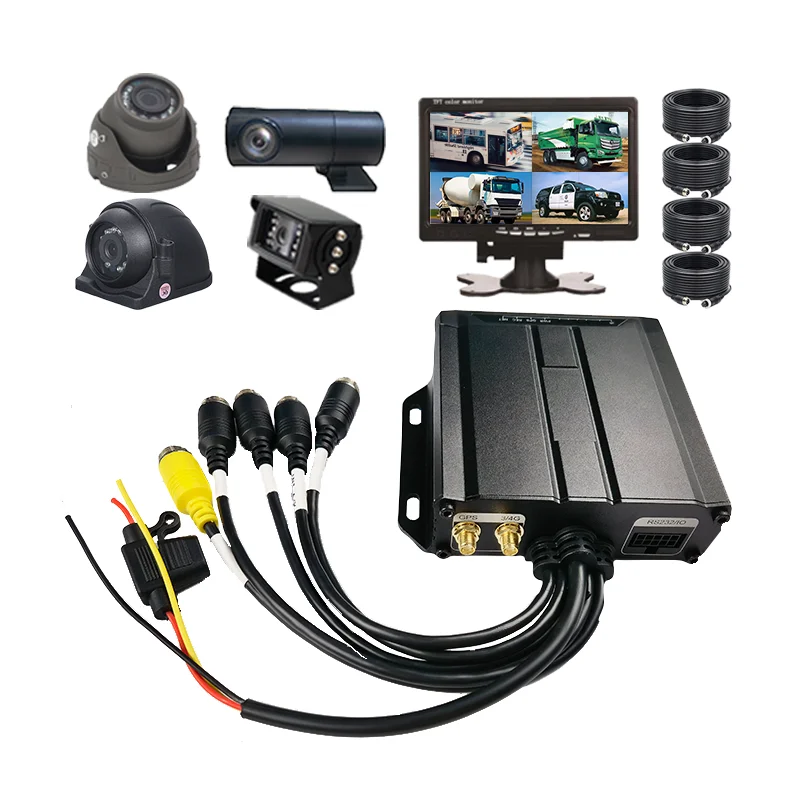
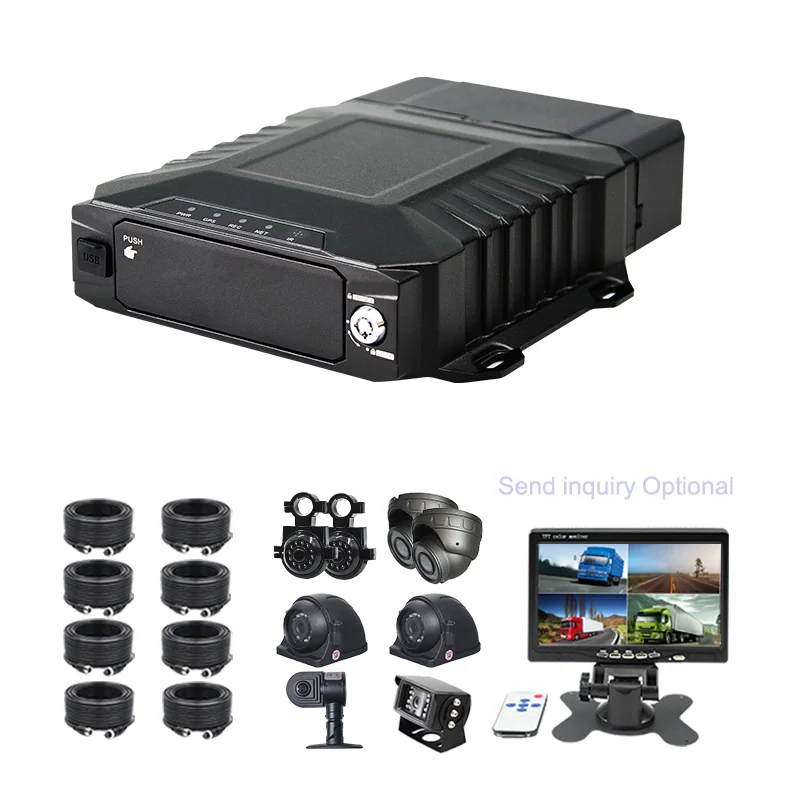
A fleet camera system is a vehicle video monitoring solution designed for commercial fleet operation. It is different from a simple consumer dash cam. A professional system can include a mobile DVR system, front road camera, driver-facing camera, cargo camera, rear camera, GPS module, 4G network, local storage, and a web or mobile platform.
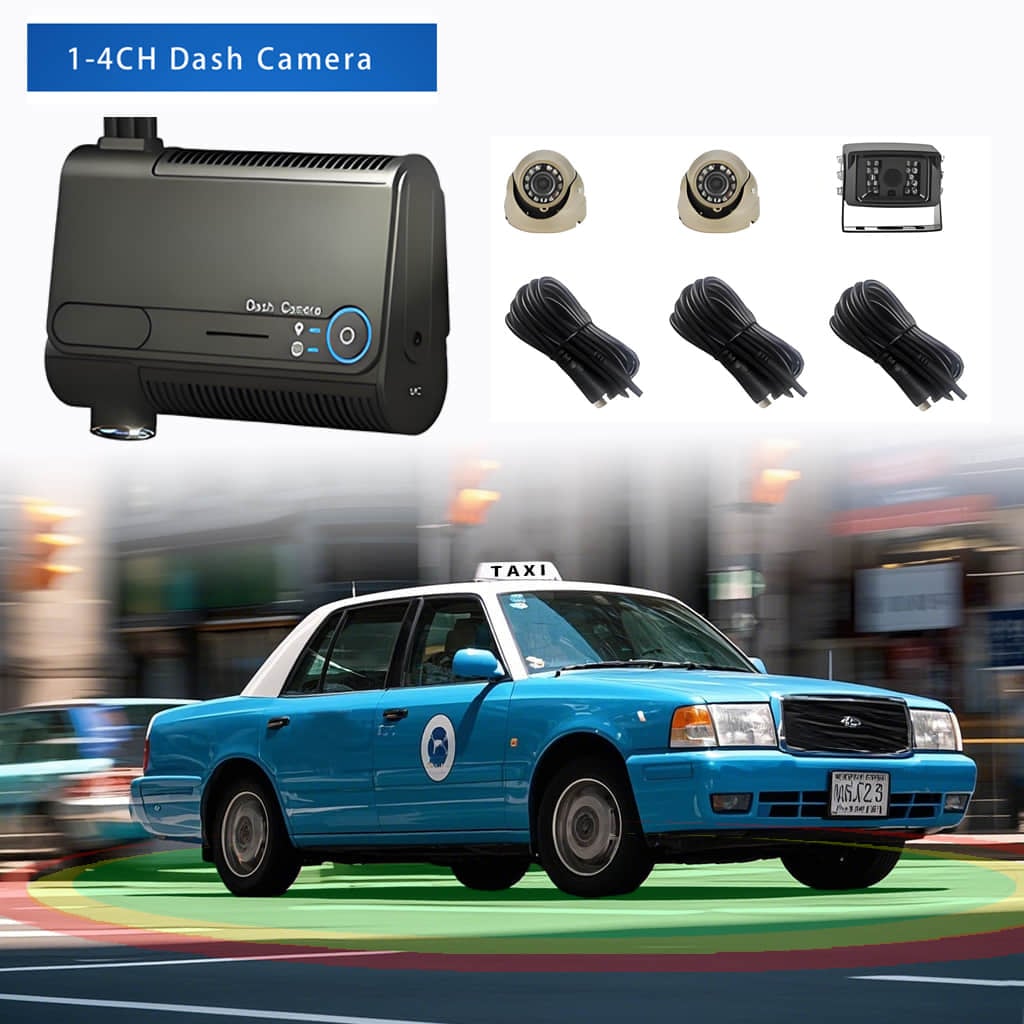
For a small delivery van, a 2-channel 4G vehicle camera may be enough to monitor the driver and cargo area. For a box truck or larger delivery fleet, a 4-channel MDVR solution can cover the road, driver cabin, cargo compartment, and rear unloading area at the same time.
The value is not only recording. The real value is visibility. Fleet managers can check live video, review route history, verify driver behavior, and find video evidence when problems happen.
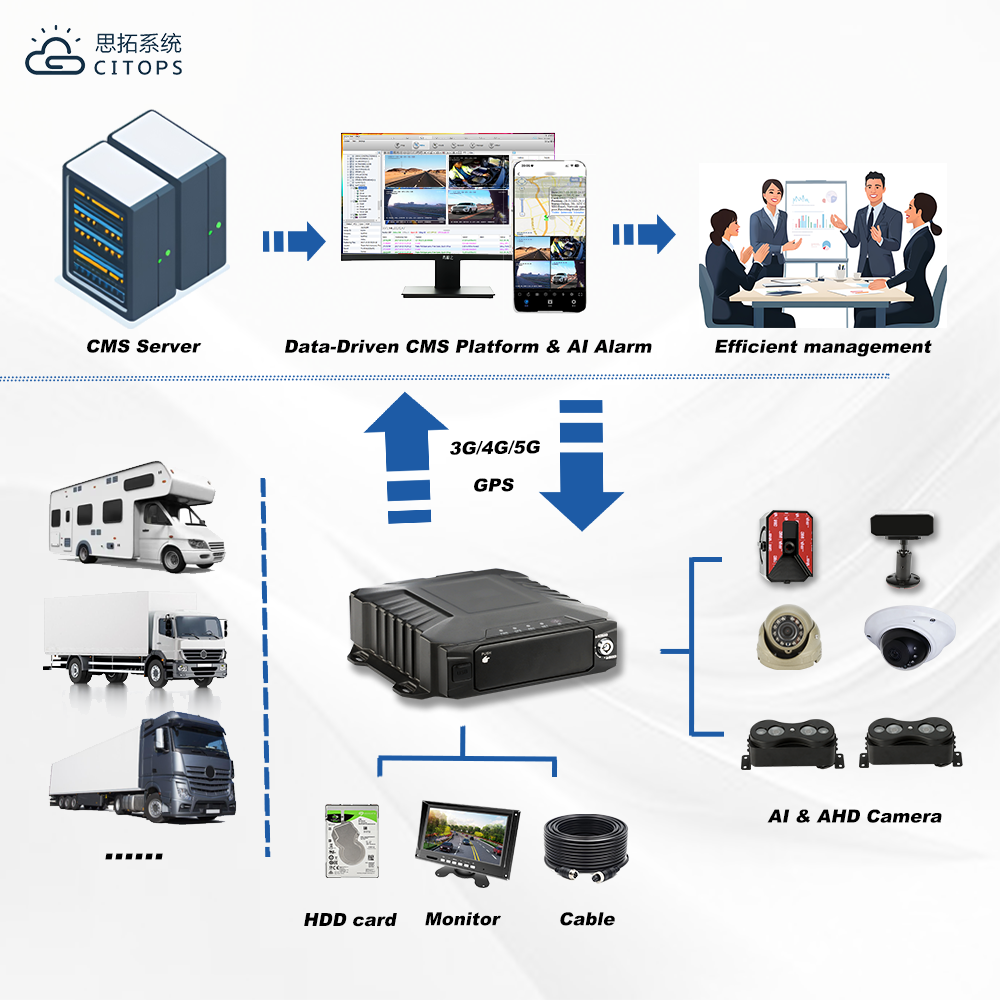
Real-time video monitoring helps fleet managers see what is happening around the vehicle instead of waiting for a problem report. If a truck stops at an unusual location, stays too long in one place, or opens the cargo door outside the planned delivery point, the manager can check live video through the platform.
A cargo camera can show whether the goods are still inside the box. A rear camera can monitor door opening and unloading. A driver-facing camera can confirm whether the driver is inside the vehicle and following the correct process.
For high-value cargo, this visibility is important. CargoNet’s 2025 report showed that losses increased faster than incident volume, which means thieves are becoming more selective and organized. Video monitoring cannot replace physical locks, but it adds a strong layer of deterrence and evidence.
GPS tracking tells managers where the vehicle is. Video tells managers what happened. When both are combined, the fleet has a much stronger proof chain.
For example, if a customer says the delivery arrived late, GPS route playback can confirm the arrival time. If cargo is missing, the manager can check whether the vehicle made an unauthorized stop before delivery. If a driver says the customer was not available, the platform can verify the vehicle location and waiting time.
This is especially useful for multi-stop delivery routes. Instead of relying only on driver memory, fleet managers can review the route, stop duration, video footage, and delivery sequence from the same system.
Many delivery disputes happen because there is no clear record of the handover process. A customer may claim a carton was missing. A driver may say all goods were unloaded. A warehouse may say the product was in good condition before departure.
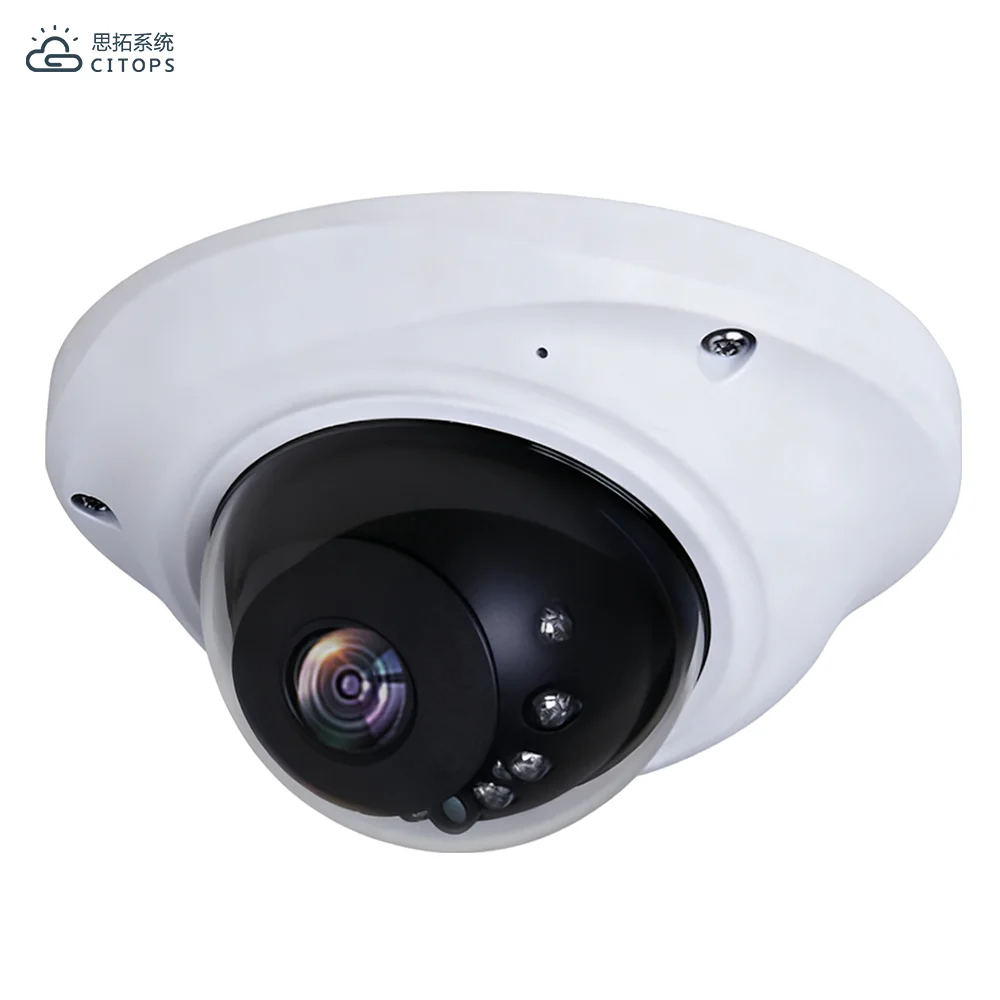
In-cab and cargo cameras help reduce this uncertainty. The driver camera records cabin activity and driver behavior. The cargo camera records goods inside the vehicle. The rear camera records unloading and customer-site activity.
For example, if goods are damaged during transportation, cargo video can help identify whether the damage happened during driving, unloading, or before loading. If a customer claims incomplete delivery, rear camera footage can show the unloading process. If a driver faces an unfair complaint, video evidence can protect the driver and the company.
This does not only reduce disputes. It also improves trust between the company, driver, customer, and insurance provider.
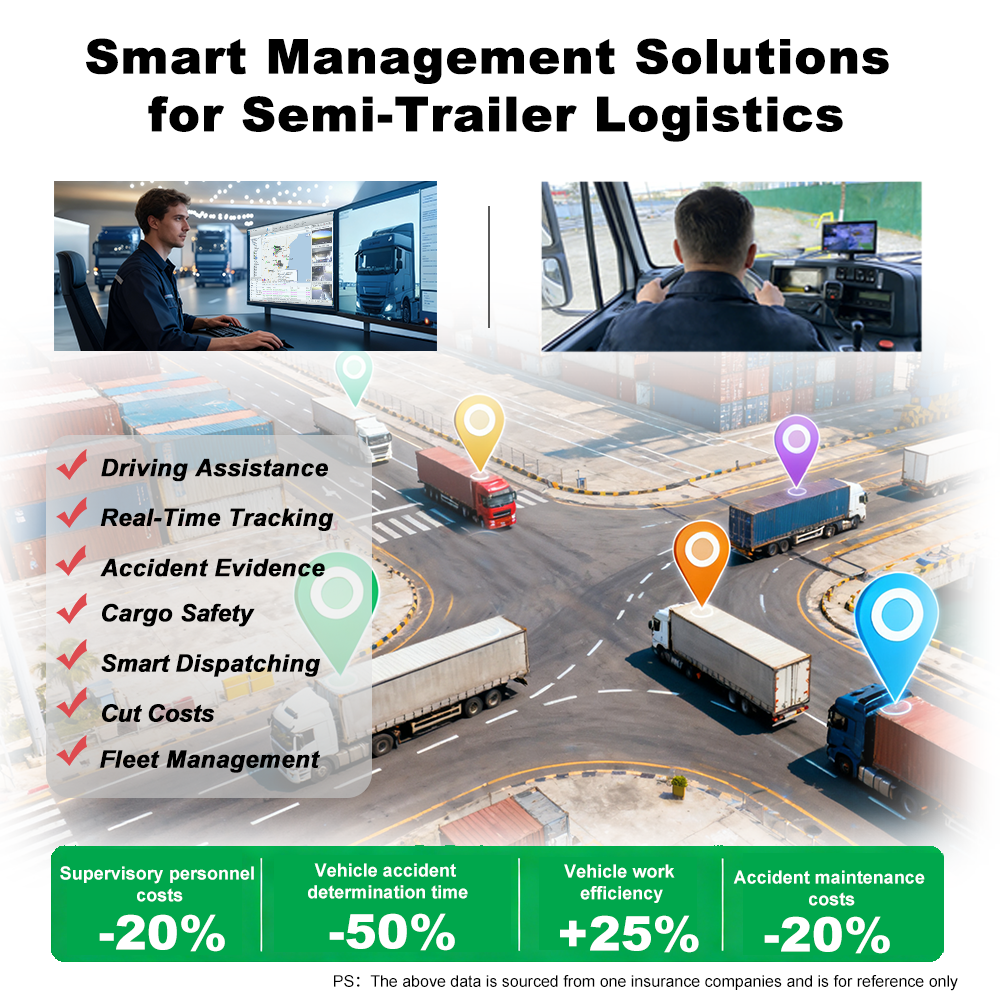
Camera position decides the value of the system. A good delivery truck camera solution should be designed around real working scenarios, not only around hardware.
For most delivery vehicles, the recommended camera points include:
Front camera: records road conditions, traffic accidents, and driving environment.
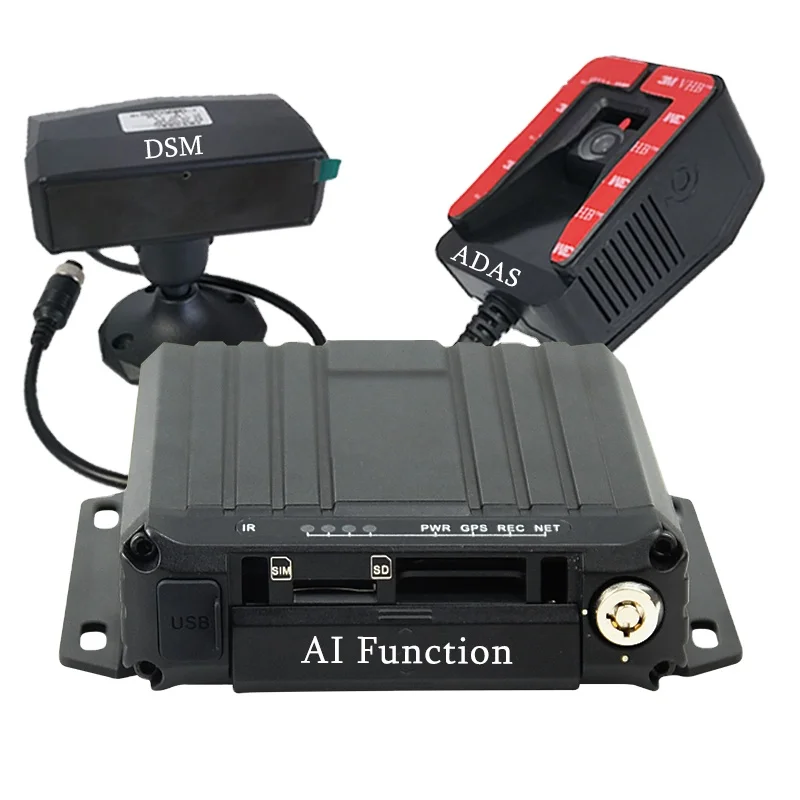
Driver-facing camera: monitors driver behavior, fatigue risk, phone use, and cabin disputes.
Cargo camera: records loading status, cargo condition, and possible missing goods.
Rear camera: records unloading, reversing, and cargo door activity.
Side camera: monitors blind spots and curbside delivery scenes.
For small fleets, a 2-channel solution may be enough for driver and cargo monitoring. For larger trucks or higher-value goods, a 4-channel or multi-channel MDVR system is more suitable because it provides wider coverage and longer recording time.
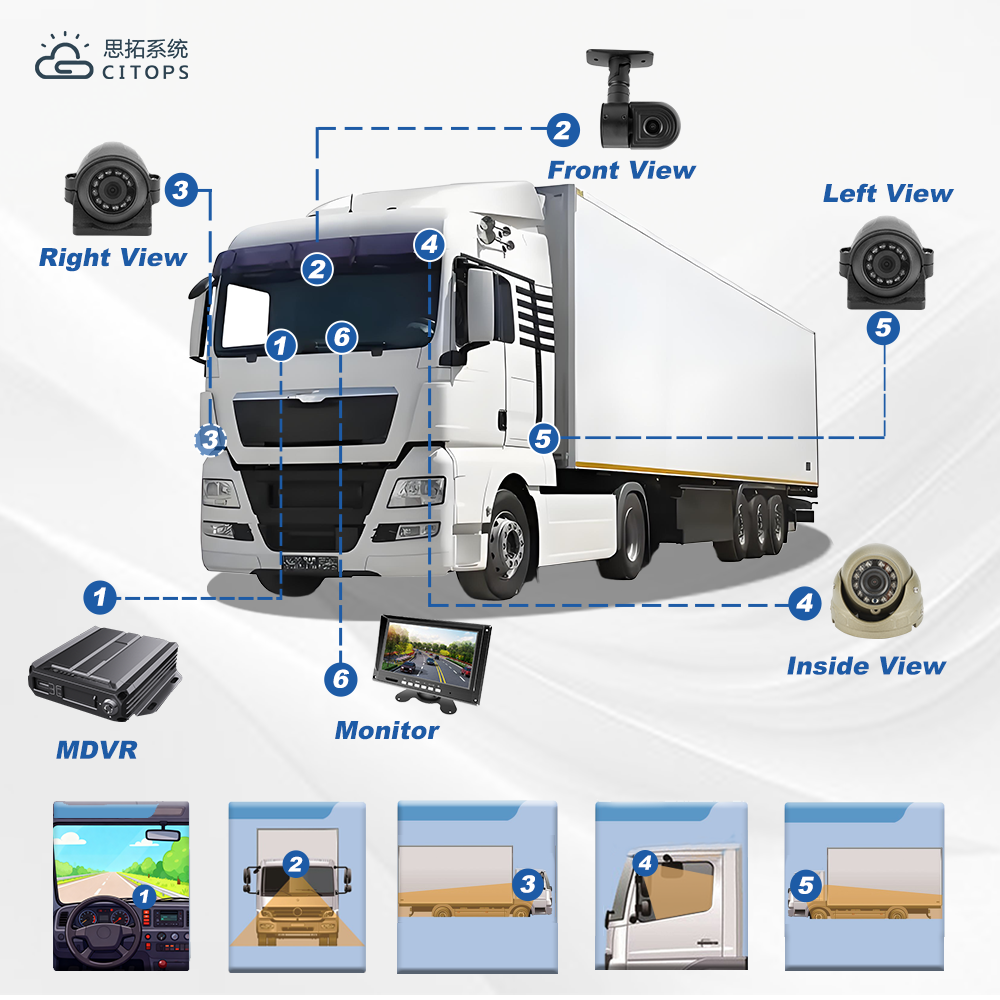
When choosing a fleet camera system, companies should not only compare camera price. They should check whether the solution can solve daily operational problems.
First, confirm how many cameras are needed. Second, check whether the system supports 4G live view, GPS tracking, route playback, and remote video access. Third, confirm storage capacity. For commercial vehicles, local TF card, SD card, or HDD storage is important because live view does not always mean full cloud video storage.
Fourth, consider installation difficulty. A 4G vehicle camera is easier for small fleets and fast deployment. A mobile DVR system is better for companies that need multiple camera channels, longer recording, stronger evidence, and more professional fleet management.
Most importantly, choose a supplier that understands vehicle operation, not just camera hardware. The right system should help reduce cargo theft risk, solve delivery disputes faster, protect drivers, and make fleet management more transparent.
Cargo theft and delivery disputes are not only security problems. They are fleet management problems. Without video evidence, companies lose time, money, and customer trust. With a professional fleet camera system, every delivery process becomes easier to verify.
Citops provides 4G vehicle cameras, mobile DVR systems, cargo cameras, driver monitoring cameras, GPS tracking, and cloud platform solutions for delivery trucks, cargo vans, taxis, buses, and commercial fleets.
Contact Citops today to build a customized vehicle camera solution for your fleet.

No system can completely prevent cargo theft, but a fleet camera system can reduce risk by providing live monitoring, video recording, GPS tracking, and evidence playback. It makes theft easier to detect and harder to hide.
For most delivery trucks, a 2-channel or 4-channel system is recommended. A 2-channel system can monitor the driver and cargo area. A 4-channel system can cover the front road, driver, cargo area, and rear unloading area.
Yes. With a 4G vehicle camera or 4G mobile DVR, fleet managers can view live video through a web platform or mobile app, depending on the device, SIM card, and network conditions.
Most vehicle camera systems store video locally on a TF card, SD card, or HDD. Some platforms support remote playback or event upload, but full cloud video storage depends on the platform plan and data usage.
Yes. Small fleets can benefit from a simple 4G vehicle camera solution because it is easier to install and helps owners check vehicle location, driver status, and cargo condition remotely.
 Hot News
2026-09-24
2026-09-16
2026-09-11
2026-09-04
2026-08-28
2026-08-14

CITOPS delivers cutting-edge in-vehicle video systems with 4G GPS tracking, AI algorithms, and cloud monitoring. Trusted in 120+ countries, we offer customized MDVR solutions for enhanced fleet safety and operational efficiency.
11/F,BlockA,Delux Sci-Tech Park,No.5 Guanle Street, Longhua District,518110,Shenzhen,China.
Copyright © 2026 Shenzhen Citops Systems Co., Ltd. All rights reserved Privacy Policy
粤ICP备 14015289 号