 EN
EN
Quick Links
A Taxi MDVR Solution is a vehicle video monitoring system designed for taxi fleets. Unlike a normal dash cam, it combines in-vehicle video recording, GPS tracking, 4G remote access, cloud platform management, and driver behavior review in one system.
For taxi operators, every vehicle is not only a transport tool but also a daily business unit. Each taxi may run more than 8–12 hours per day, carry different passengers, and face different road conditions. Without video and location evidence, it is difficult to know what really happened during a complaint, accident, route dispute, or driver behavior issue.
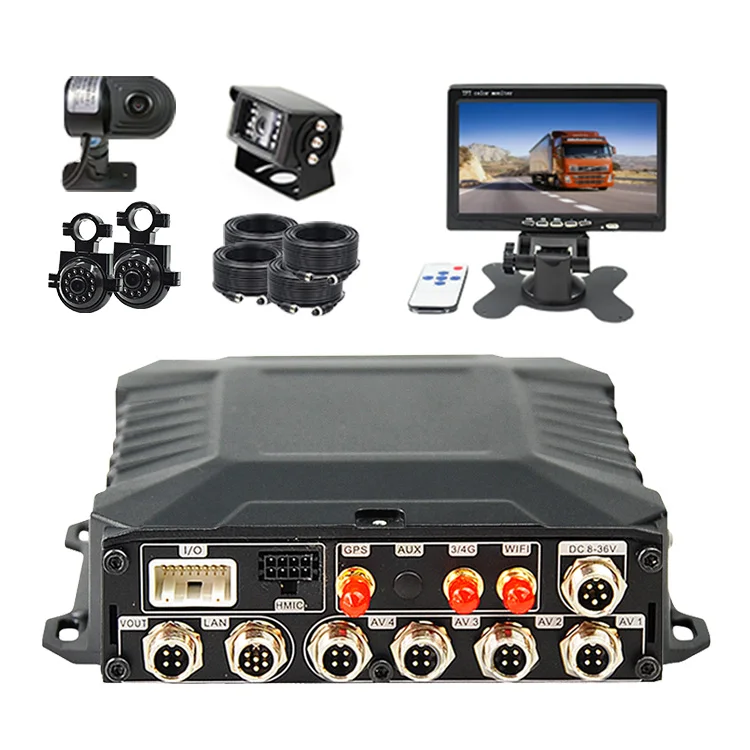
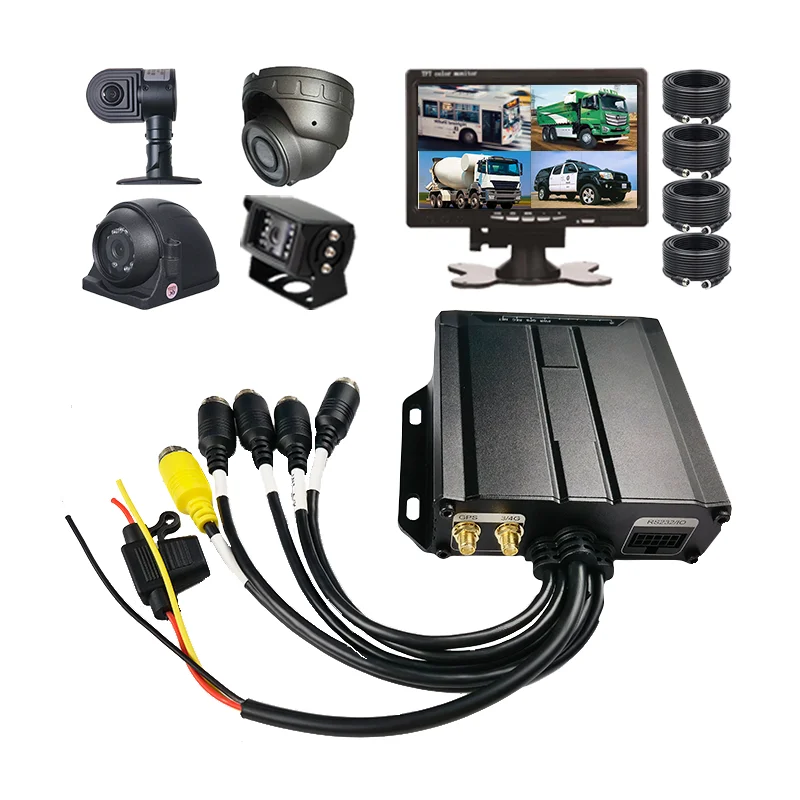
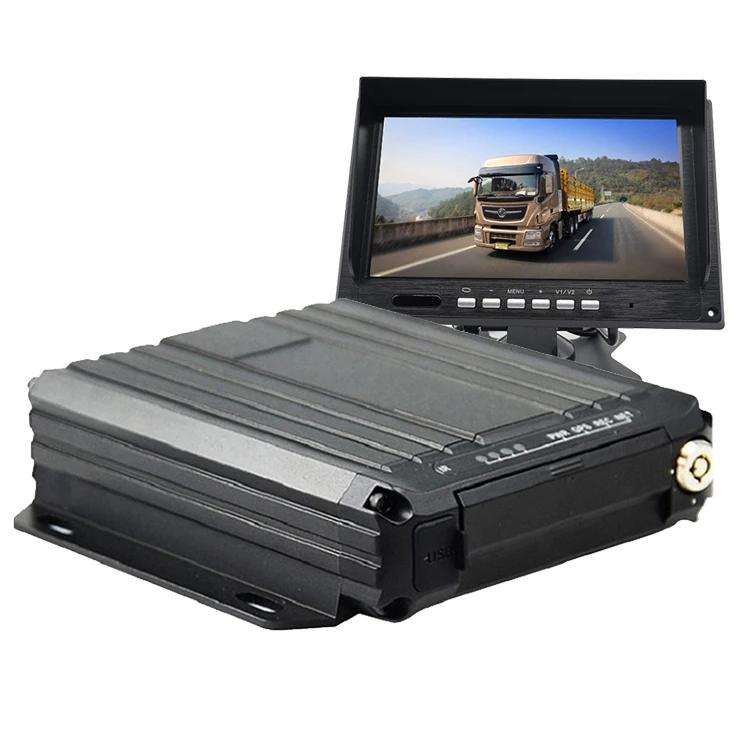
A typical taxi MDVR system can include a 2-channel mobile DVR or integrated dual-camera device, one road-facing camera, one in-cabin camera, GPS module, 4G network, storage card, and a fleet management platform. The system records both the outside road condition and the inside passenger area, helping fleet managers check events more clearly.
A standard dash cam is useful for basic driving recording, but taxi fleet management needs more than local video. Most dash cams only record footage in the vehicle. When the fleet manager wants to check a vehicle remotely, locate a taxi, review a route, or verify driver behavior, a simple dash cam often cannot provide enough support.
Taxi fleets face several common problems: passenger complaints, fare disputes, sudden accidents, reckless driving, phone use while driving, fatigue driving, and route deviation. Road safety is still a global issue. WHO reports that around 1.19 million people die each year from road traffic crashes, and road traffic injuries remain a leading cause of death for young people.
A taxi MDVR solution helps solve these problems by combining video + GPS + cloud platform. Instead of waiting for the vehicle to return and manually remove the SD card, fleet managers can check live video, location, route history, and event playback remotely.
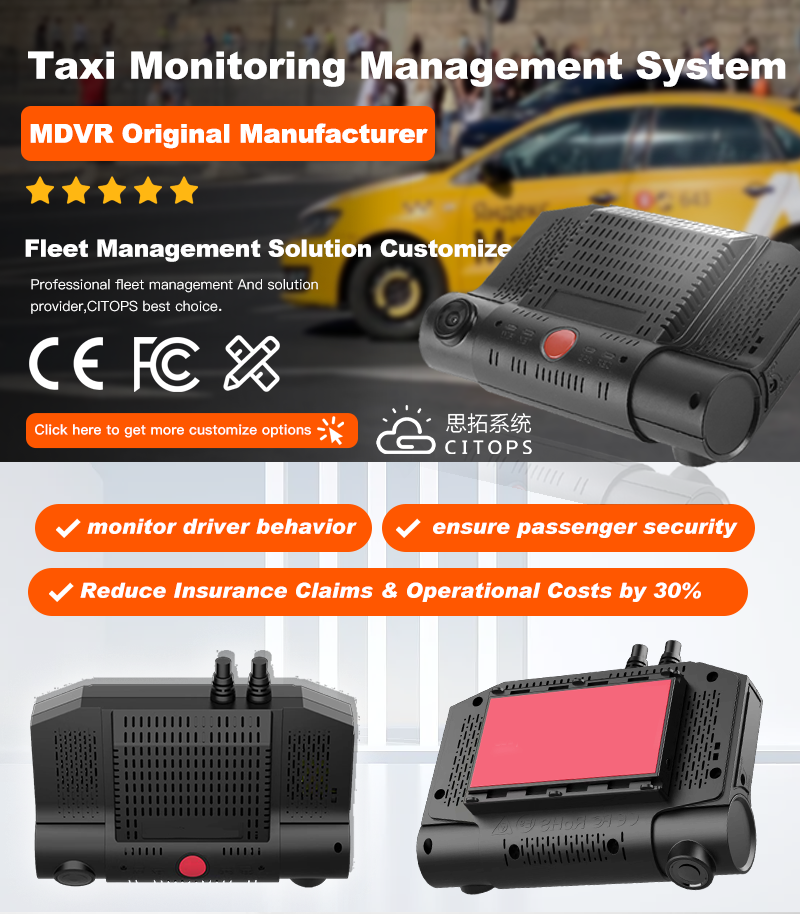
Real-time video monitoring is one of the most important values of a taxi MDVR solution. Fleet managers can view road conditions and in-cabin situations through a web platform or mobile app. This is especially useful when an emergency happens, such as a traffic accident, passenger conflict, lost item dispute, or abnormal parking.
For example, when a passenger claims unsafe driving, the manager can check both GPS route and video footage. If the driver was speeding, using a phone, or driving aggressively, the company has evidence for training and correction. If the complaint is false, the video can also protect the driver and company.
In the U.S., NHTSA reported that distracted driving claimed 3,208 lives in 2024, showing why driver attention remains a serious safety concern. For taxi fleets, real-time monitoring cannot replace driver training, but it gives managers a practical tool to identify risky events faster.
GPS tracking helps taxi companies understand where each vehicle is, where it has been, and whether the route is reasonable. For daily operation, this is useful for dispatch, service review, route checking, and vehicle utilization analysis.
A taxi MDVR solution does not only show a dot on the map. It connects GPS data with video footage. This means the manager can review the vehicle location and video at the same time. If a taxi stops for too long, drives outside the service area, or takes an abnormal route, the manager can check the event with video evidence.
This is the key difference between a GPS tracker and an MDVR system. GPS can tell you where the vehicle is, but MDVR can show what happened there. For taxi fleets, this can improve complaint handling, reduce unnecessary disputes, and support more transparent management.
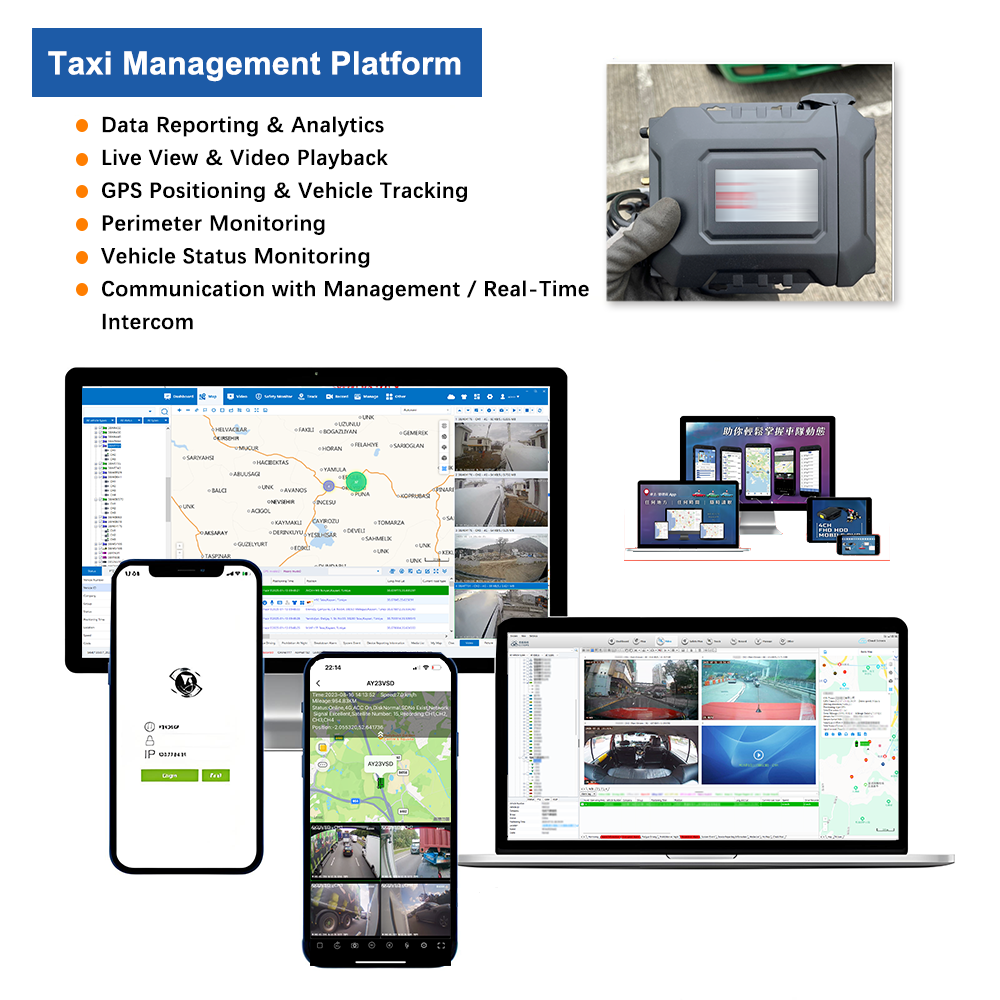
Driver behavior management is not only about punishment. A professional fleet should use data and video to improve driver habits, reduce accident risk, and build a safer service standard.
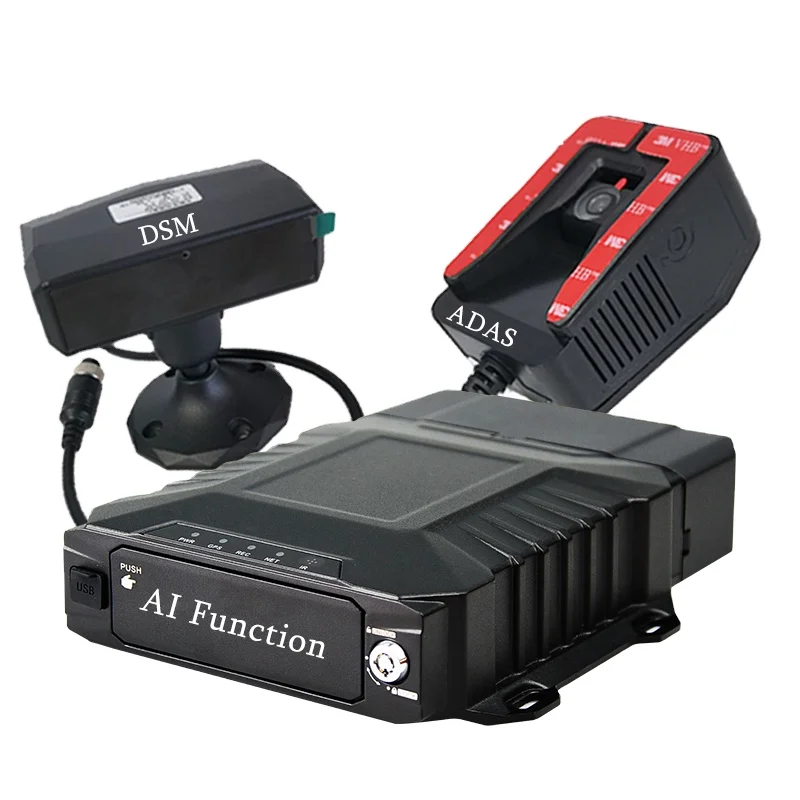
Taxi MDVR systems can help managers review risky behaviors such as harsh braking, speeding, fatigue, distraction, smoking, phone use, or unsafe passenger interaction. If the system is connected with ADAS or DMS functions, it can also generate alerts for lane departure, forward collision risk, driver fatigue, or distraction.
Speeding is another major road risk. NHTSA states that speeding was a contributing factor in 29% of all traffic fatalities in 2024. For taxi fleets, even a small reduction in risky driving behavior can help reduce accident cost, insurance pressure, and service complaints.
With video evidence, driver training becomes more specific. Instead of saying “drive more safely,” the manager can show the exact event, time, location, and behavior. This makes training easier to understand and more effective.
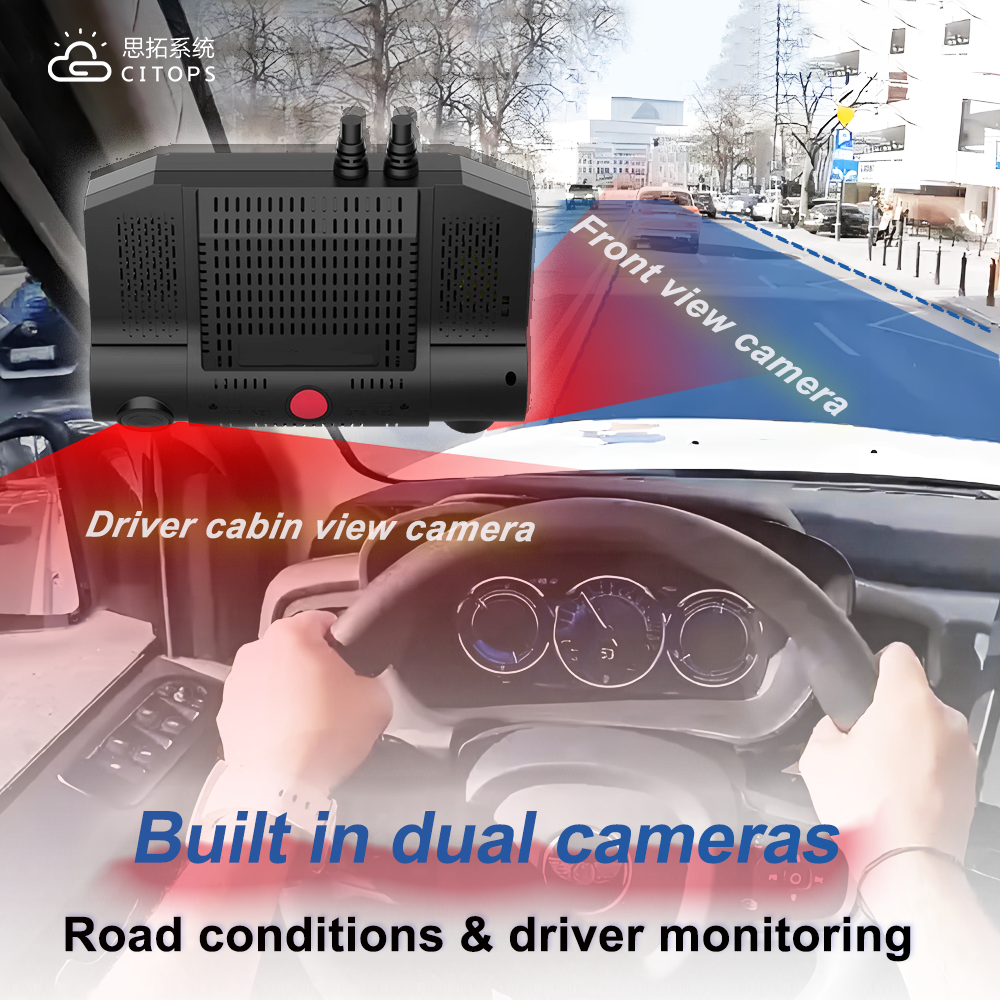
The cloud platform is the management center of a taxi MDVR solution. Through the platform, fleet operators can check live video, GPS location, route history, alarm events, and recorded footage. For companies managing dozens or hundreds of taxis, this is much more efficient than checking vehicles one by one.
A good cloud platform should support web and mobile access, multi-vehicle management, remote playback, event search, user permissions, and map tracking. It should also help managers separate normal driving records from important event videos, so key footage can be found quickly.
For taxi companies, the platform brings three practical benefits. First, it improves response speed when an event happens. Second, it helps the company manage drivers with evidence. Third, it supports long-term operation analysis, such as vehicle usage, driver performance, and service quality.
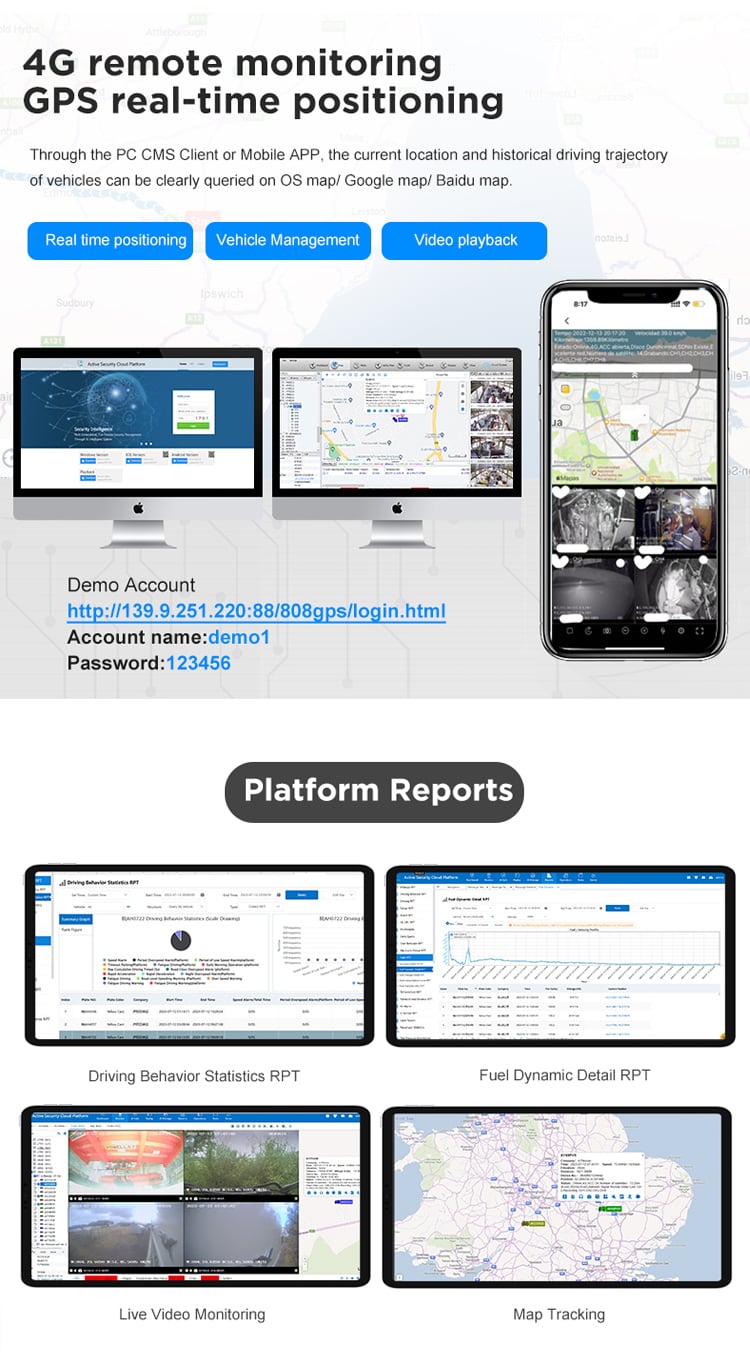
Choosing the right taxi MDVR solution depends on your fleet size, vehicle type, management needs, and budget. For small taxi fleets, a compact 2-channel 4G MDVR or integrated dual-camera device may be enough. For larger fleets, the system should support stable remote monitoring, GPS tracking, driver behavior alerts, and centralized platform management.
When selecting a solution, taxi operators should consider these points: camera channels, video quality, night vision, storage capacity, 4G network stability, GPS accuracy, platform functions, installation difficulty, and after-sales support. The system should be easy to install, stable for daily operation, and suitable for long working hours.
Most importantly, taxi companies should not only buy hardware. They should choose a complete solution that includes device, camera, platform, installation support, and technical service. A reliable Taxi MDVR Solution helps the fleet move from passive problem handling to active safety management.
A Taxi MDVR Solution helps taxi fleets improve safety, driver behavior management, route supervision, and passenger dispute handling. Compared with a standard dash cam or GPS tracker, it provides stronger evidence because it combines video recording, GPS tracking, remote access, and cloud platform management.
For taxi companies, the real value is not only recording what happened. It is building a safer, more transparent, and more manageable fleet operation system.
Looking for a professional Taxi MDVR Solution for your taxi fleet?
CITOPS provides vehicle video monitoring systems, 2-channel taxi MDVR devices, 4G GPS tracking, cloud platform access, and customized fleet management solutions. Contact us to build a taxi monitoring solution based on your vehicle type, fleet size, and management needs.

A Taxi MDVR Solution is a vehicle video monitoring system designed for taxis. It usually includes video recording, GPS tracking, 4G remote access, cloud platform management, and driver behavior review.
Yes, for fleet management. A dash cam mainly records local video, while a taxi MDVR system can support remote live view, GPS tracking, route history, event playback, and platform management.
Most taxi fleets use a 2-channel system: one camera facing the road and one camera facing the cabin. Some projects may add more cameras depending on local regulations and management needs.
Yes. With 4G connection and a cloud platform, fleet managers can check live video, GPS location, route history, and recorded footage remotely.
Yes. It can provide video evidence for speeding, distraction, fatigue, harsh driving, unsafe operation, and passenger-related incidents. With ADAS or DMS, the system can also support active safety alerts.
 Hot News
2026-09-24
2026-09-16
2026-09-11
2026-09-04
2026-08-28
2026-08-14

CITOPS delivers cutting-edge in-vehicle video systems with 4G GPS tracking, AI algorithms, and cloud monitoring. Trusted in 120+ countries, we offer customized MDVR solutions for enhanced fleet safety and operational efficiency.
11/F,BlockA,Delux Sci-Tech Park,No.5 Guanle Street, Longhua District,518110,Shenzhen,China.
Copyright © 2026 Shenzhen Citops Systems Co., Ltd. All rights reserved Privacy Policy
粤ICP备 14015289 号