 EN
EN
Quick Links
For many small fleets, vehicle monitoring used to mean a simple GPS tracker or a basic dash camera. But as delivery vehicles, service vans, taxis, small trucks, and field operation vehicles become harder to manage remotely, fleet owners need more than location data. They need video evidence, driver visibility, cargo protection, GPS tracking, and remote access from a web or mobile platform.
According to NHTSA 2023 data, large trucks accounted for 9% of all vehicles involved in fatal traffic crashes and 5% of vehicles involved in injury and property-damage-only crashes, while also representing only 5% of registered vehicles in the United States. This shows why commercial vehicle visibility and safety management matter, even for smaller fleets.
Two common options are the 4G vehicle camera and the Mobile DVR system. Both can support remote video and GPS tracking, but they are built for different levels of fleet management.
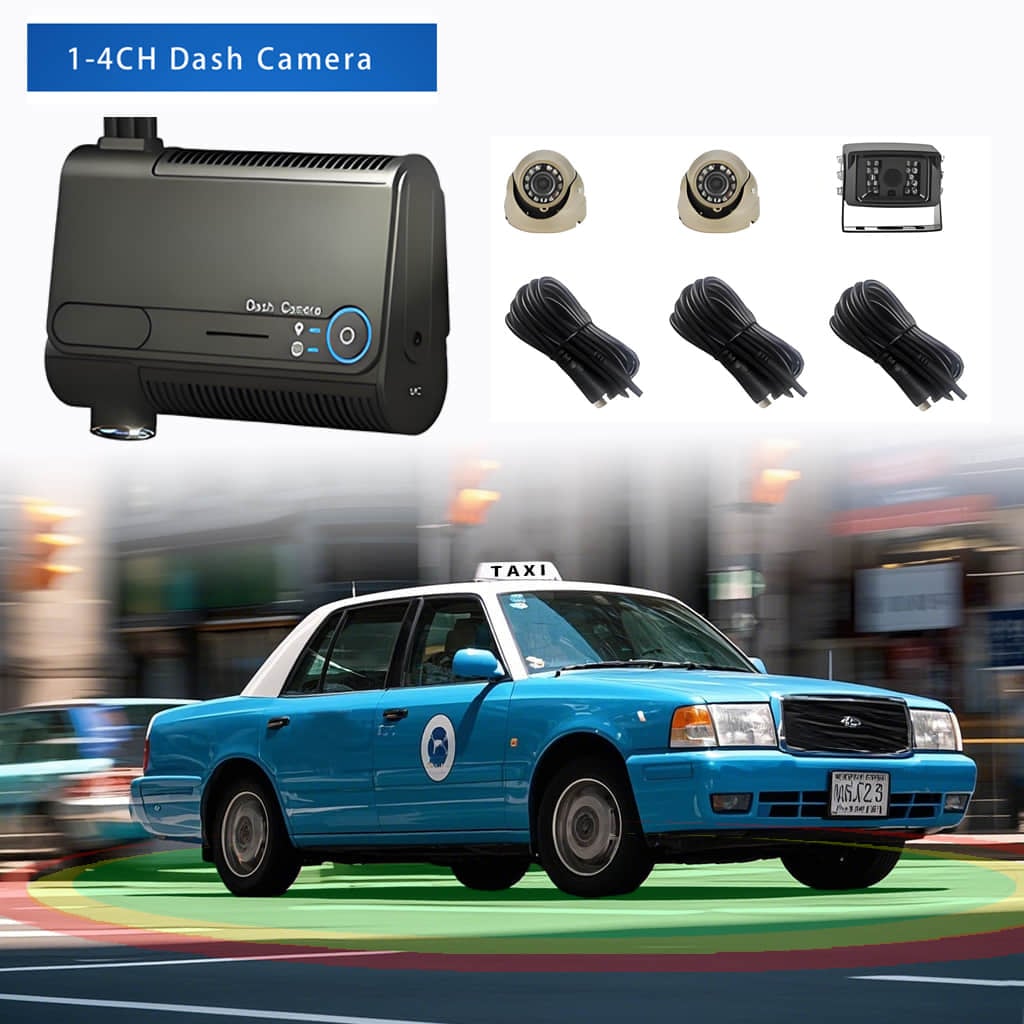
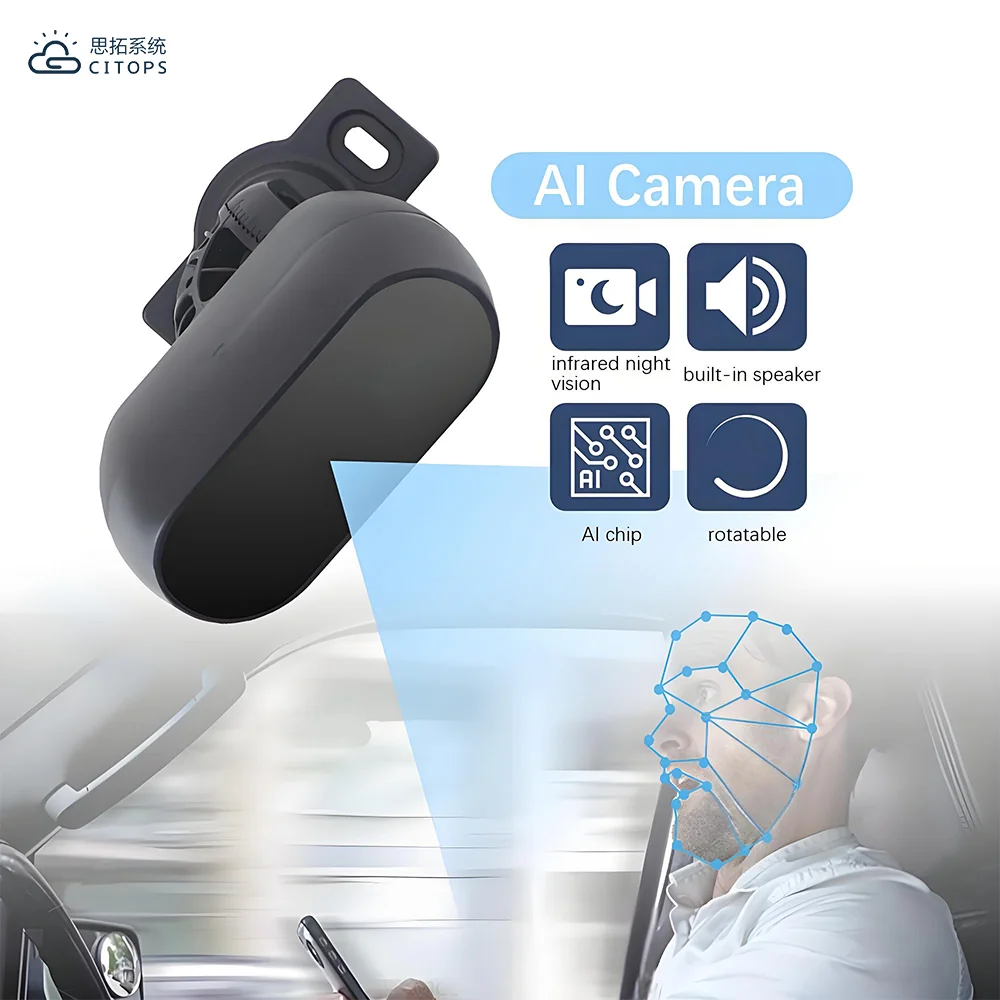
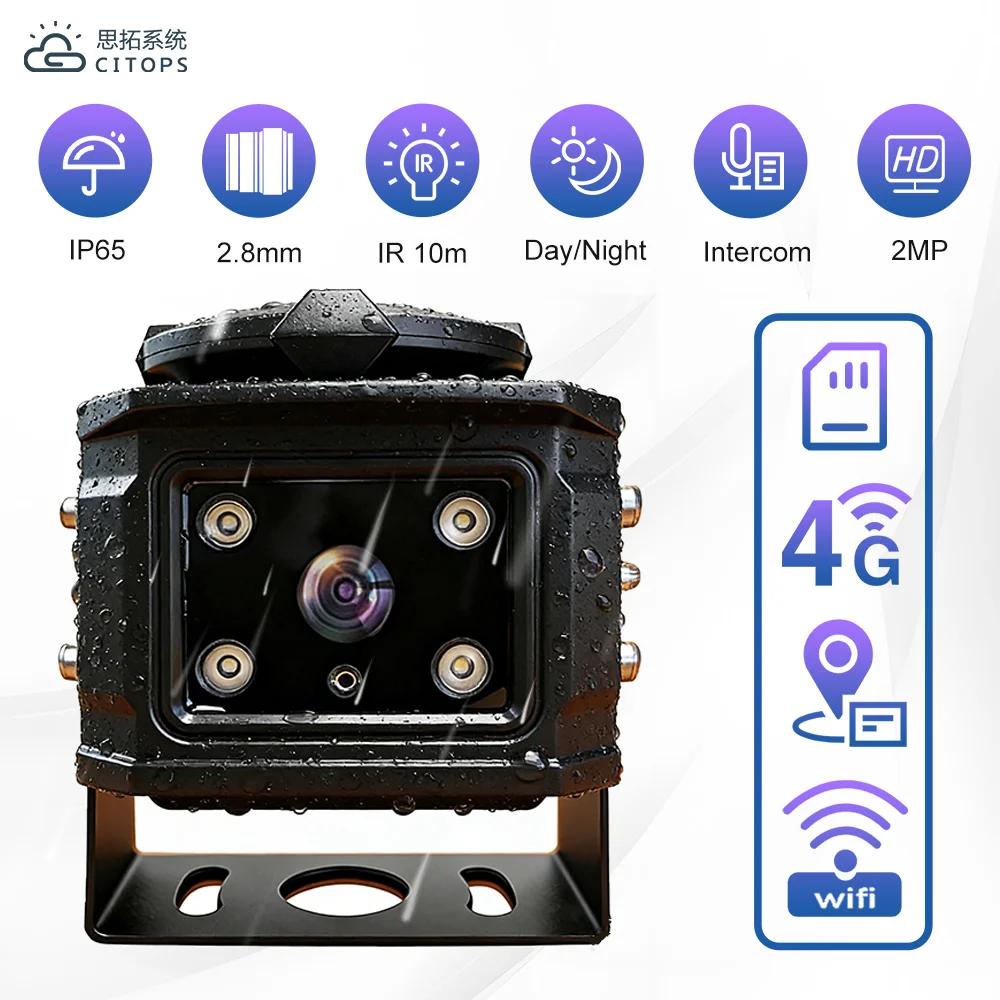
A 4G vehicle camera is a compact all-in-one monitoring device that combines a camera, 4G network transmission, GPS positioning, local TF card storage, and cloud platform access. It is usually easier to install than a traditional multi-channel MDVR system because the camera and communication module are integrated into one device.
For small fleets with only one or two monitoring points per vehicle, a 4G vehicle camera can be a practical solution.
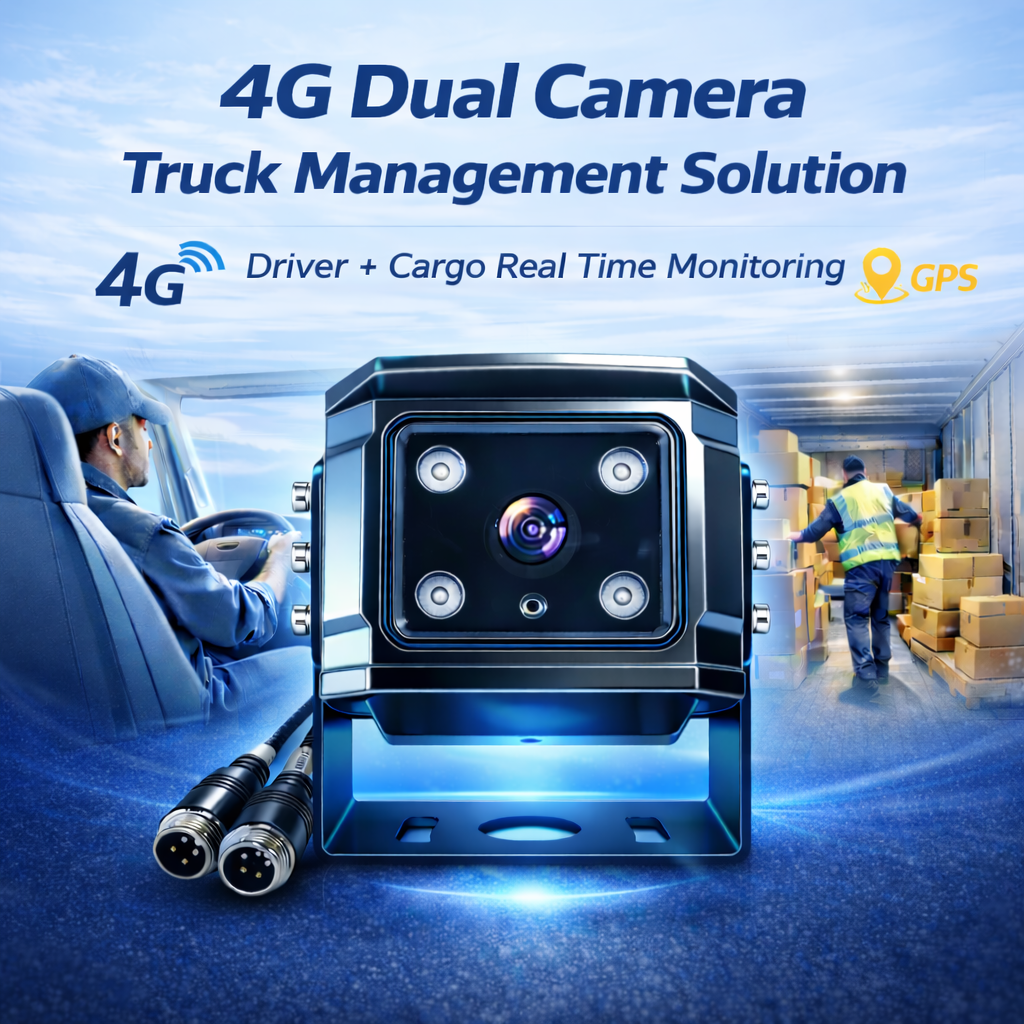
For example, a small delivery truck may only need one camera facing the driver and one extended camera facing the cargo area. A taxi may need road-facing and in-cabin video. A small equipment rental company may need to check whether an excavator is operating on site. In these cases, a 4G camera can provide remote visibility without a complicated installation process.
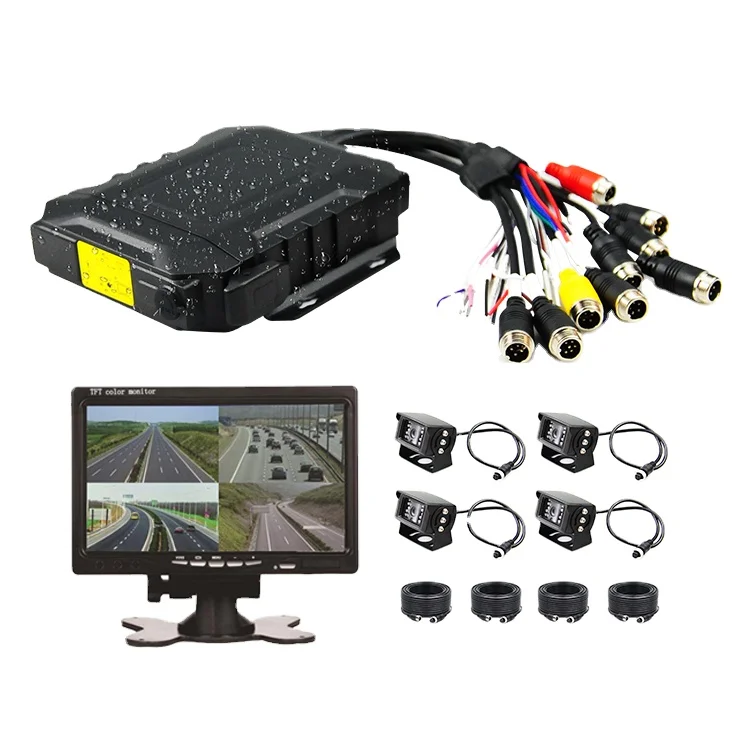
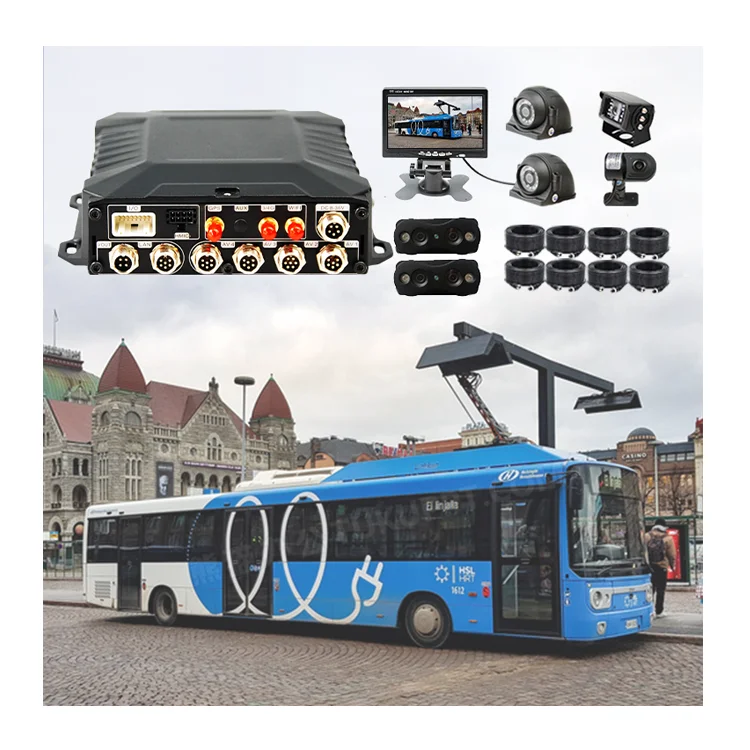
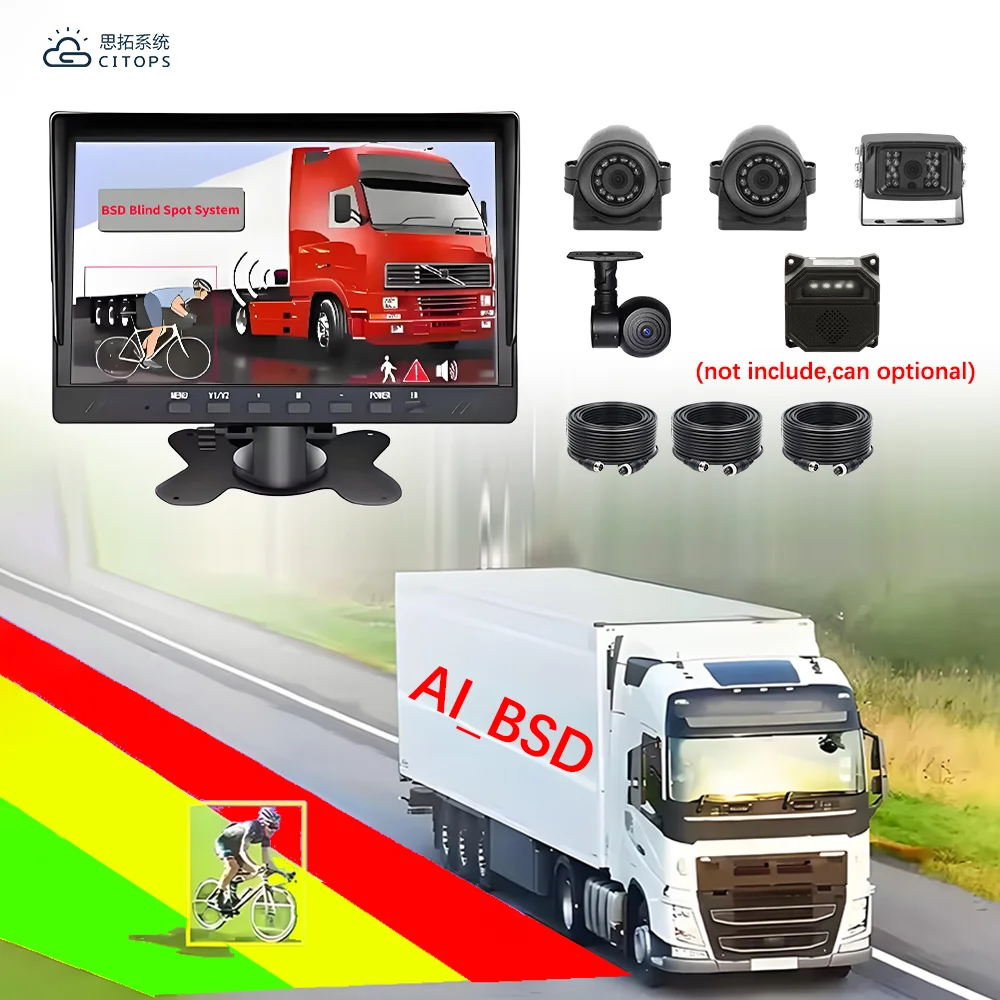
A Mobile DVR, also called an MDVR system, is a professional in-vehicle video recording system designed for commercial vehicles. It usually supports multiple camera channels, such as 4-channel, 8-channel, or even 12-channel video input. It can connect front, rear, side, cabin, cargo, passenger counting, ADAS, DMS, BSD, sensors, display screens, and a cloud platform.
Compared with a 4G camera, a Mobile DVR system is more suitable for fleets that need complete video coverage and long-term fleet management.
For buses, trucks, school buses, logistics fleets, or special commercial vehicles, MDVR is not just a recorder. It becomes the center of the vehicle monitoring solution, combining video recording, GPS tracking, remote playback, driving behavior alarms, event storage, and platform management.
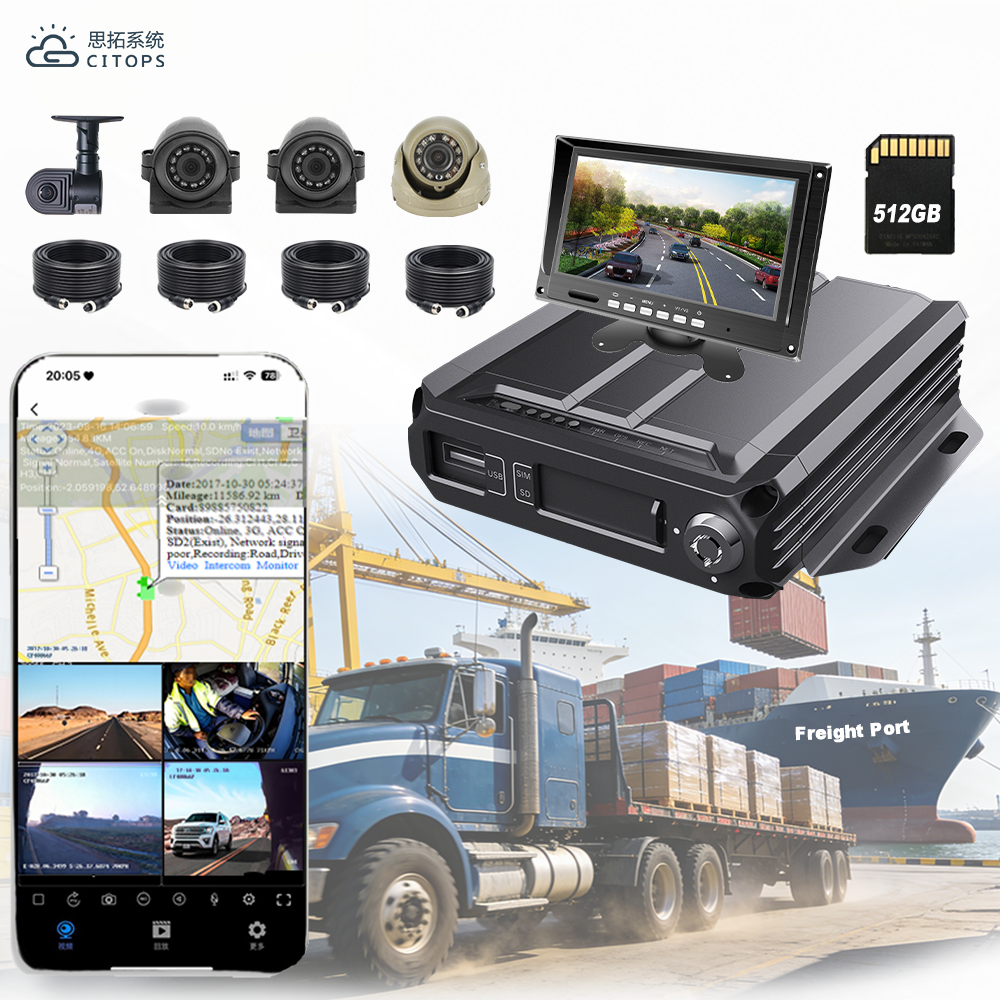
The biggest difference is system capacity. A 4G vehicle camera is simple, compact, and cost-effective. It is suitable for one or two camera views. A Mobile DVR is more expandable and can manage multiple cameras, larger storage, AI alerts, external sensors, and more complex vehicle scenarios.
Storage is also different. Many 4G cameras use TF card storage, which is enough for basic recording and short-term playback. MDVR systems can support larger storage options such as hard disk or dual SD card solutions, making them better for fleets that need longer recording time and stronger data protection.
Platform usage is similar but not identical. Both can support remote live view and GPS tracking through a fleet management platform. However, an MDVR system usually provides a stronger foundation for multi-vehicle management, multi-channel video playback, event search, and evidence management.
Small fleets often choose 4G vehicle cameras because they are easy to install and easier to control costs. If a company has 5 to 20 vehicles and only needs basic remote monitoring, a 4G camera can be a fast way to improve visibility.
This is especially useful for delivery vehicles, service vans, small trucks, taxis, excavators, and temporary projects. Fleet managers can check live video, confirm vehicle location, review route history, and collect evidence when customer disputes or cargo issues happen.
Operating cost is also important. ATRI reported that the average cost of operating a truck was $2.260 per mile in 2024, which means even small efficiency improvements and fewer disputes can matter for commercial fleets.
For small fleets, a 4G camera is often the first step from “I only know where my vehicle is” to “I can see what is happening around my vehicle.”
A Mobile DVR is a better choice when a small fleet needs more than one or two camera views. For example, a truck may need front road view, driver monitoring, cargo view, rear view, and side blind spot cameras. A school bus may need interior cameras, door cameras, passenger counting cameras, and driver behavior monitoring.
In these situations, using separate 4G cameras may become harder to manage. An MDVR system can centralize all video channels into one recorder and one platform account. It also supports more professional accessories, including monitors, sensors, alarm buttons, and AI functions such as ADAS and DMS.
For fleets that plan to grow, MDVR is often more scalable. Even if the company starts with 10 vehicles, it may later need more cameras, longer storage, or stronger platform management. Choosing MDVR early can reduce future system replacement costs.
A 4G vehicle camera usually has lower hardware cost, faster installation, and fewer accessories. It is suitable when the goal is simple video monitoring, GPS location, and remote viewing. The installation can often be completed with less wiring, especially when only one main camera is needed.
A Mobile DVR system has a higher initial cost, but it provides stronger long-term value when fleet monitoring requirements are more complex. It supports more cameras, more storage, more alarms, and more vehicle types. For commercial fleets that deal with safety, cargo loss, driver disputes, or compliance records, MDVR can provide more complete evidence.
The decision should not be based only on price. A cheaper device may be enough for a simple use case, but it may become limited when the fleet needs multiple views or platform-based management. A better way is to match the solution with the vehicle type, number of cameras, storage time, and management goal.
If your fleet only needs one or two video views, quick installation, live view, GPS tracking, and basic playback, a 4G vehicle camera is usually the better choice. It is practical for small delivery fleets, taxis, utility vehicles, construction equipment, and light commercial vehicles.
If your fleet needs multiple cameras, long recording time, driver monitoring, cargo protection, blind spot coverage, passenger safety, or AI alarm integration, a Mobile DVR system is the better choice. It is more professional and more suitable for long-term fleet operation.
The best solution is not always the most expensive one. The right solution is the one that matches your vehicle, your risks, and your management needs.
For small fleets, both 4G vehicle cameras and Mobile DVR systems can improve visibility, safety, and operational control. The 4G vehicle camera is simple, flexible, and cost-effective. The Mobile DVR system is more expandable, professional, and suitable for complete fleet management.
CITOPS provides vehicle monitoring solutions for small fleets, delivery trucks, taxis, buses, construction vehicles, and commercial fleets. Whether you need a compact 4G camera or a full MDVR system, we can help you choose the right configuration based on your vehicle type, camera channels, storage needs, and platform management requirements.
Contact CITOPS to build a customized vehicle video monitoring solution for your fleet.

Yes. If each vehicle only needs one or two camera views, a 4G vehicle camera is often enough for live video, GPS tracking, and basic recording.
Choose a Mobile DVR when you need multiple cameras, longer storage, driver monitoring, cargo monitoring, AI alarms, or more complete fleet management.
Yes. Both 4G vehicle cameras and Mobile DVR systems can support GPS tracking and remote vehicle location through a cloud platform.
A 4G vehicle camera is usually easier to install because it has fewer components. A Mobile DVR system requires more wiring but supports more cameras and accessories.
Yes. CITOPS can design vehicle monitoring solutions based on different vehicle types, including delivery trucks, taxis, buses, excavators, service vehicles, and small commercial fleets.
 Hot News
2026-09-24
2026-09-16
2026-09-11
2026-09-04
2026-08-28
2026-08-14

CITOPS delivers cutting-edge in-vehicle video systems with 4G GPS tracking, AI algorithms, and cloud monitoring. Trusted in 120+ countries, we offer customized MDVR solutions for enhanced fleet safety and operational efficiency.
11/F,BlockA,Delux Sci-Tech Park,No.5 Guanle Street, Longhua District,518110,Shenzhen,China.
Copyright © 2026 Shenzhen Citops Systems Co., Ltd. All rights reserved Privacy Policy
粤ICP备 14015289 号