 EN
EN
Quick Links
Both standard and AI-enabled mobile DVR systems can combine multiple vehicle cameras, local storage, GPS and cellular connectivity. The difference is the additional analytics layer. This guide explains what ADAS, DMS and BSD do, which fleets benefit, and how buyers can specify a system without treating every AI label as equivalent.
If you are still defining the recorder baseline, start with our guide to how an MDVR system works in fleet management. The comparison below begins at the next decision: whether analytics will create a usable safety workflow.
| Decision factor | Standard MDVR | AI MDVR |
|---|---|---|
| Primary job | Record, store and retrieve synchronized video and vehicle data | Record the same evidence and analyze selected risks in real time |
| Typical inputs | Road, cabin, side and rear cameras; GPS; alarm I/O | Standard inputs plus purpose-positioned ADAS, DMS or BSD cameras |
| Outputs | Video clips, live view, location, basic alarms and event records | Those outputs plus event classifications, driver alerts and AI snapshots or clips |
| Operational effort | Configuration, retrieval rules and health checks | Additional calibration, alert tuning, coaching rules and false-alert review |
| Best fit | Evidence, remote supervision and multi-camera coverage | Fleets with measurable safety risks and a team that can act on alerts |
| Main buying risk | Insufficient camera coverage or storage | Buying an “AI” label without validating accuracy, workflow and configuration |
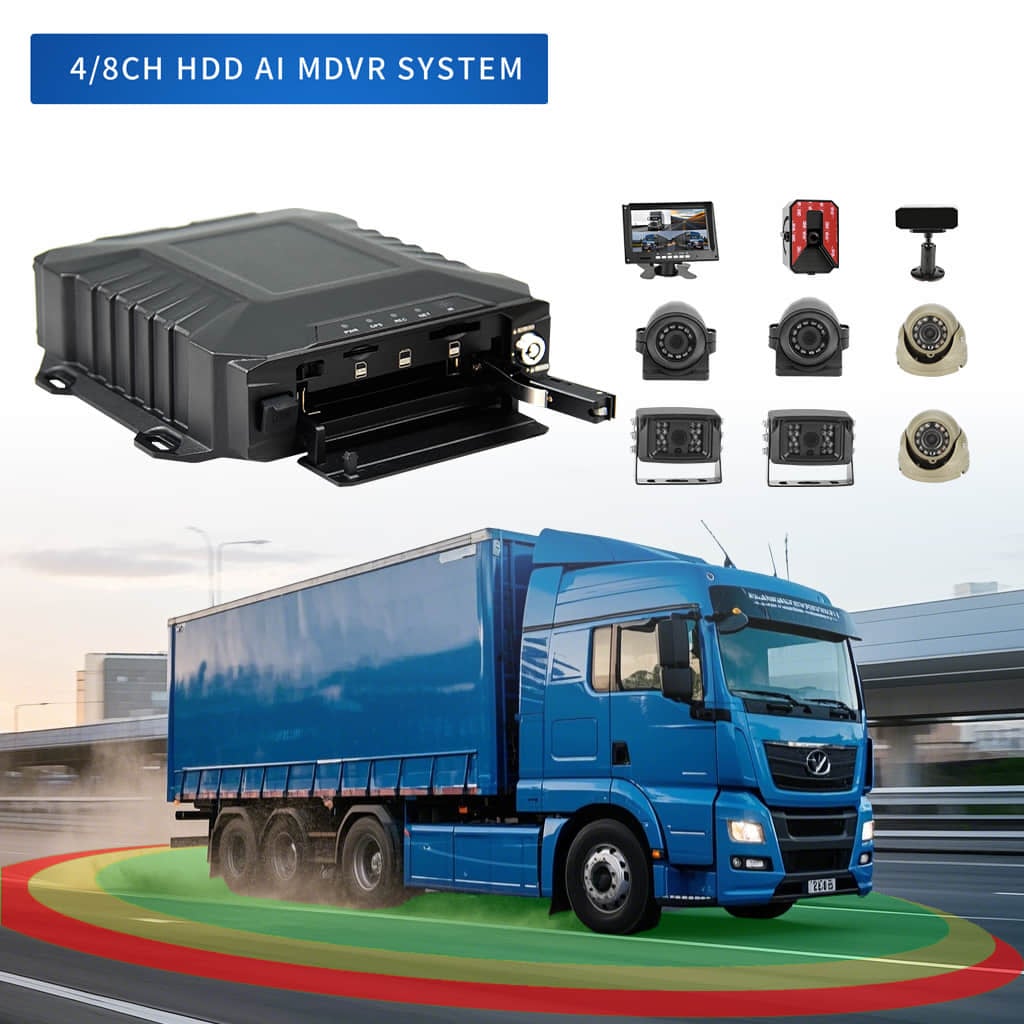
An AI MDVR is not defined by a single universal feature set. In procurement, the term should mean a complete, testable chain: the correct camera captures the scene; an algorithm identifies a configured condition; the driver or platform receives an alert; the event is stored with usable evidence; and the fleet has a defined response.
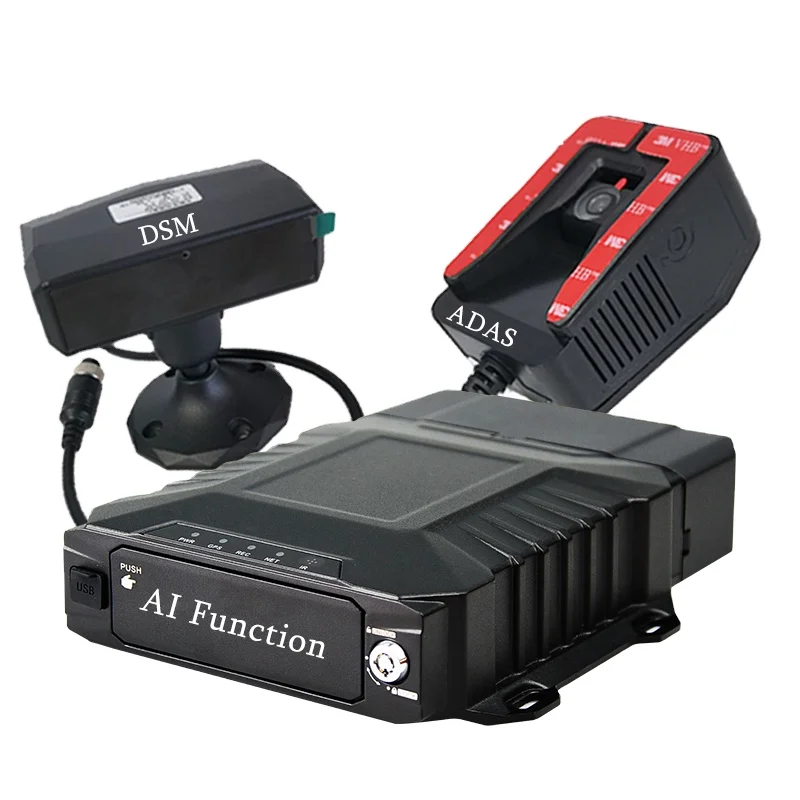
Advanced driver assistance analytics use a forward road camera to identify configured road-risk conditions. Depending on the model and software package, examples may include lane-departure or forward-collision-related warnings. The procurement question is not whether ADAS exists; it is which events are included, at what speed range, with what calibration, and how the event appears in the platform.
A DMS uses a driver-facing camera and onboard AI to detect selected driver-risk events. Depending on the hardware and software configuration, these may include drowsiness, distraction, phone use, smoking or failure to wear a seat belt. Detection performance can be affected by camera angle, infrared image quality, cabin lighting, sunglasses or masks, driver posture and sensitivity settings. Before deployment, fleets should define who can access driver-facing video, how long recordings are stored and how alerts will be reviewed and used for driver coaching.
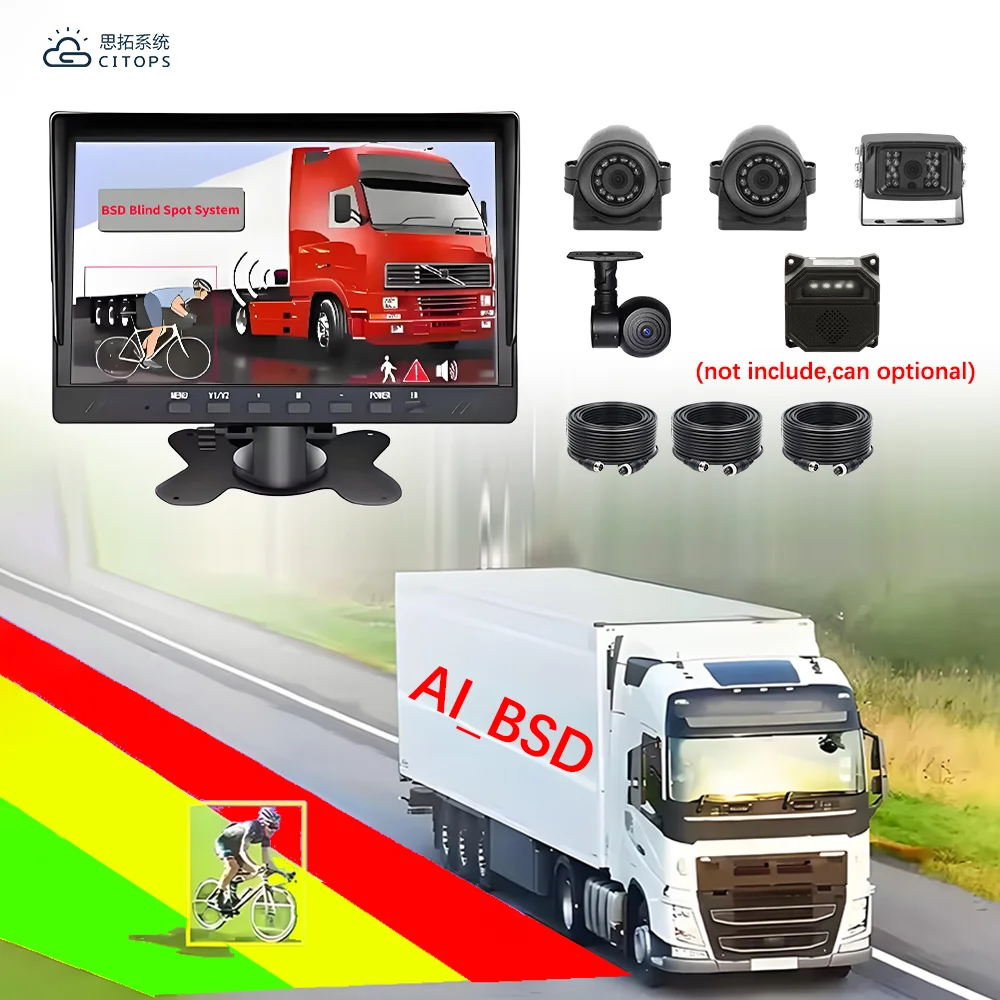
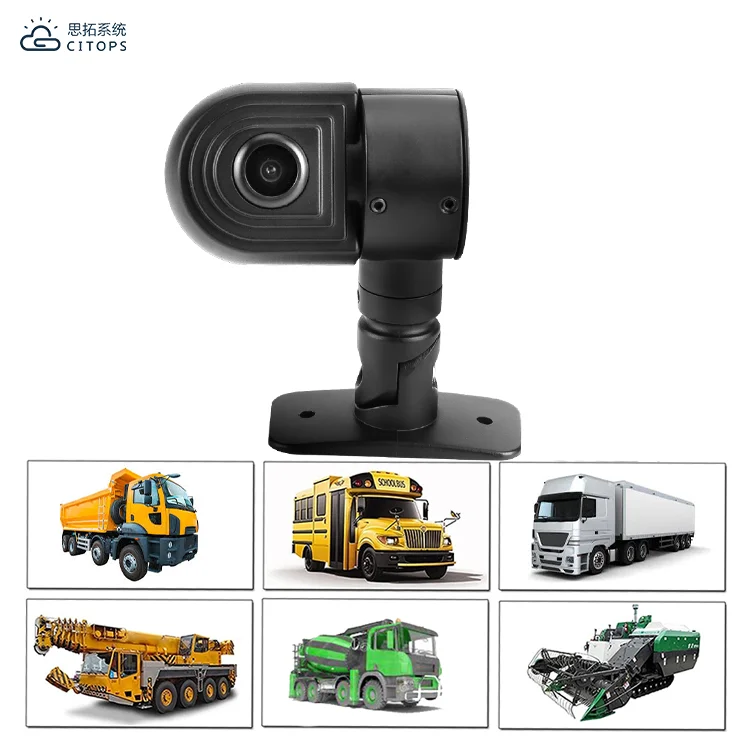
Blind-spot detection focuses on vulnerable side or rear zones that mirrors and a forward camera may not cover. Vehicle length, turning geometry, camera height and operating environment all affect the useful detection area. A bus, refuse truck or articulated vehicle may need a different camera map from a delivery van.
| Fleet profile | Why AI may add value | What to validate first |
|---|---|---|
| Long-haul and regional trucking | Long driving hours, highway exposure and costly incidents | Night performance, driver alerts, clip upload and coaching workflow |
| Buses and passenger transport | Passenger duty of care, large blind zones and repeated routes | Cabin privacy, side coverage, route conditions and driver acceptance |
| Construction, waste and utility vehicles | Frequent reversing, worksite activity and vulnerable road users | Dust/night image quality, vehicle geometry and side/rear detection zones |
| Urban delivery fleets | Dense traffic, frequent stops and many low-speed interactions | Alert volume, false positives and whether supervisors can act at scale |
| School transport | High safety sensitivity and the need for clear incident evidence | Camera coverage, permissions, retention policy and local legal requirements |
| Small or low-risk fleets | AI can still help, but the workflow benefit may be limited | Start with the risk problem; standard multi-camera recording may be sufficient |
A standard MDVR may be the right choice when a fleet’s main priority is reliable video evidence rather than real-time AI intervention. It can provide synchronized road, driver or cabin, side and rear video together with GPS playback, remote live view, alarm inputs and device-status monitoring.
If the fleet does not yet have a dedicated process for reviewing AI alerts and taking corrective action, investing first in complete camera coverage, reliable storage and consistent platform use may deliver more immediate value.
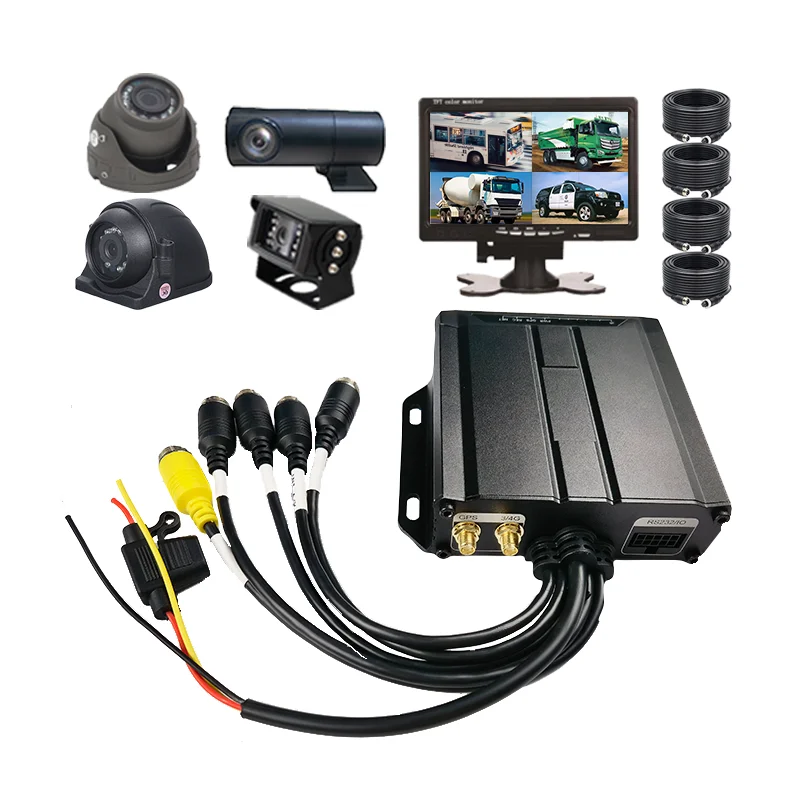
CITOPS publishes both multi-channel recording configurations and models that can be configured with AI cameras. The CITOPS M16Hv four-channel MDVR page describes four-channel 1080p AHD recording, H.264/H.265, dual SD storage, 4G/Wi-Fi/GPS options and optional ADAS/DMS. The CITOPS M52A hybrid MDVR page describes a configuration that can include AHD channels, an ADAS camera, a DMS camera and IP camera inputs, together with H.265, GPS and cellular connectivity. These are configuration examples—not a substitute for a signed bill of materials.
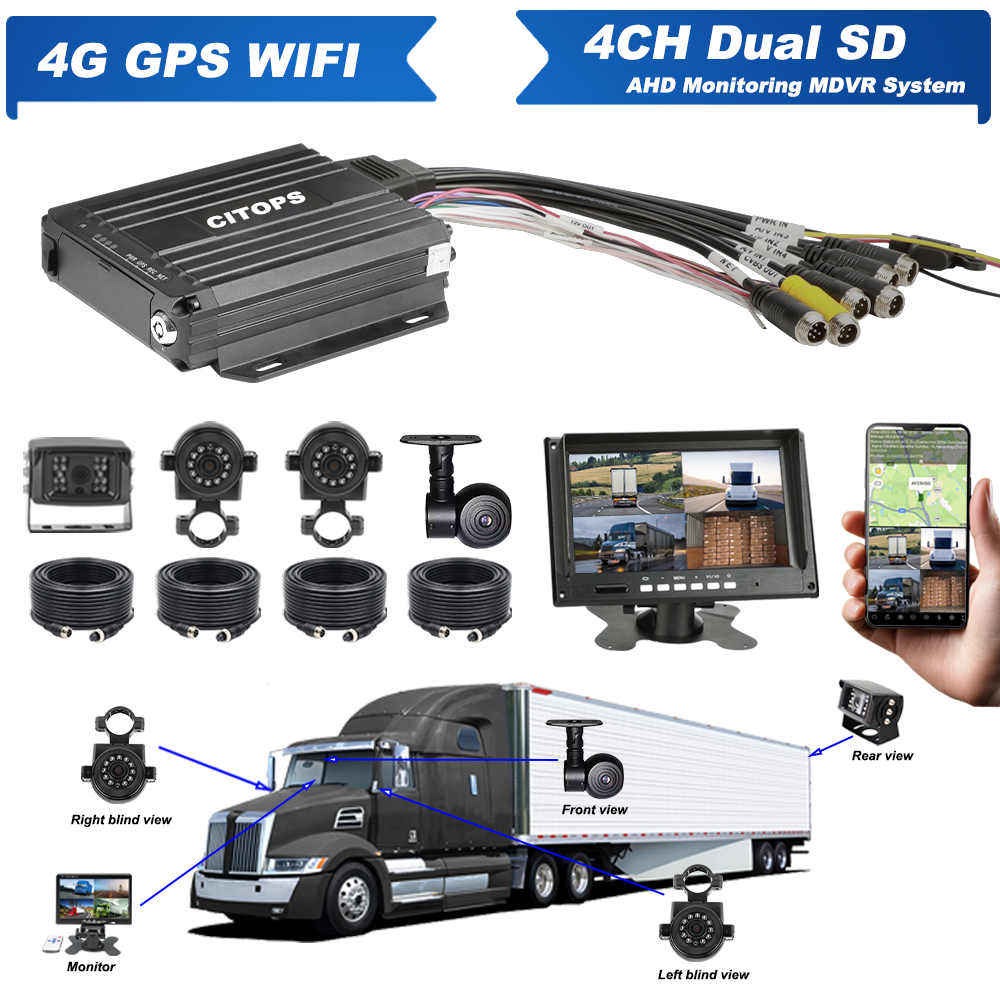
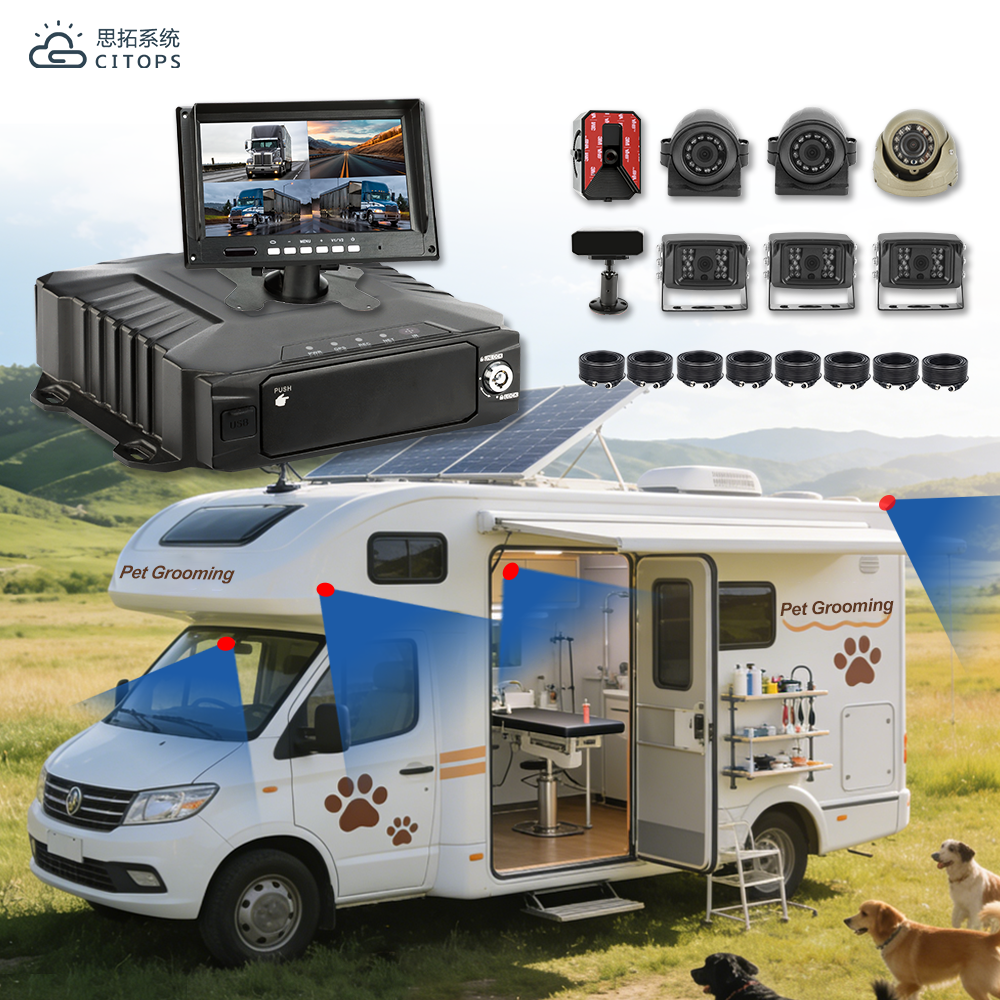
A useful quotation should connect the buyer's vehicle and monitoring needs to a specific recorder, camera layout and software package. The buyer supplies the operating requirements; CITOPS confirms what is included and how the proposed system will be configured.
| Buyer should provide | CITOPS should confirm |
|---|---|
| Vehicle type, dimensions and order quantity | Recommended MDVR model and the complete bill of materials |
| Required road, driver, door, cargo, side and rear views | Camera quantity, camera type, mounting position and channel allocation |
| Required ADAS, DMS or BSD functions | Exact detectable events, required AI cameras, calibration steps and any software licenses |
| Operating country and mobile network | Supported 4G bands, SIM/APN requirements and Wi-Fi/GPS options |
| Daily recording hours and required storage period | Recording settings, storage type and recommended capacity |
| Required live view, playback, alarms and user access | Included platform, app/client access, server option and account permissions |
| Required event evidence and export format | Available snapshots, pre/post-event video, GPS data, playback and export functions |
| Installation, warranty and support expectations | Included accessories, installation guidance, warranty period and support scope |
No. Fleets that mainly need incident evidence, GPS playback and remote visibility may get more value from a well-designed standard MDVR system. AI is most relevant when a fleet needs specific ADAS, DMS or BSD functions and can use the resulting alerts.
Usually not. ADAS normally needs a forward road camera, DMS needs a driver-facing infrared camera, and BSD needs side or rear coverage suited to the vehicle body. Confirm the complete camera map in the quotation.
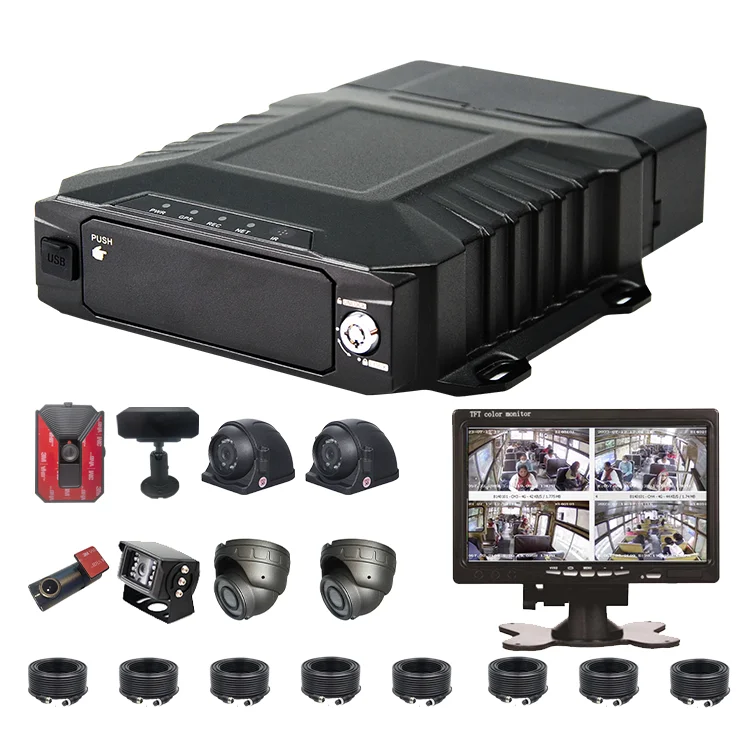
No. Eight channels describe video input capacity. AI capability depends on the recorder processor, compatible AI cameras, firmware, software licenses and platform configuration.
Supported events processed inside the vehicle can still generate a local warning without a 4G connection. Uploading alerts, images or video to a remote platform requires connectivity. Confirm the behavior of the quoted model and AI camera.
Sometimes. Upgradeability depends on the recorder model, processor, camera inputs, firmware and platform license. If future AI expansion matters, ask CITOPS to confirm the supported upgrade path in writing before ordering.
Send CITOPS the vehicle type and dimensions, number of vehicles, required camera views, required AI functions, operating country, mobile network, daily recording hours, storage period and platform requirements. CITOPS can then prepare a model recommendation, camera layout and itemized BOM for review. If the vehicle needs separate road, driver, side, rear and operational views, use the 8-channel AI MDVR configuration as a starting reference, then confirm the exact configuration in the quotation.

 Hot News
2026-09-24
2026-09-16
2026-09-11
2026-09-04
2026-08-28
2026-08-14

CITOPS delivers cutting-edge in-vehicle video systems with 4G GPS tracking, AI algorithms, and cloud monitoring. Trusted in 120+ countries, we offer customized MDVR solutions for enhanced fleet safety and operational efficiency.
11/F,BlockA,Delux Sci-Tech Park,No.5 Guanle Street, Longhua District,518110,Shenzhen,China.
Copyright © 2026 Shenzhen Citops Systems Co., Ltd. All rights reserved Privacy Policy
粤ICP备 14015289 号