 EN
EN
Quick Links


Forklift operations are facing a contradiction between being "visible" and "unmanageable":
1. High mobility, with dozens of trips daily, making traditional management methods difficult.
2. Large blind spots; accidents involving mixed pedestrian and vehicle traffic account for over 60% of all special equipment accidents.
3. Two to three major safety accidents annually, all caused by improper operation.
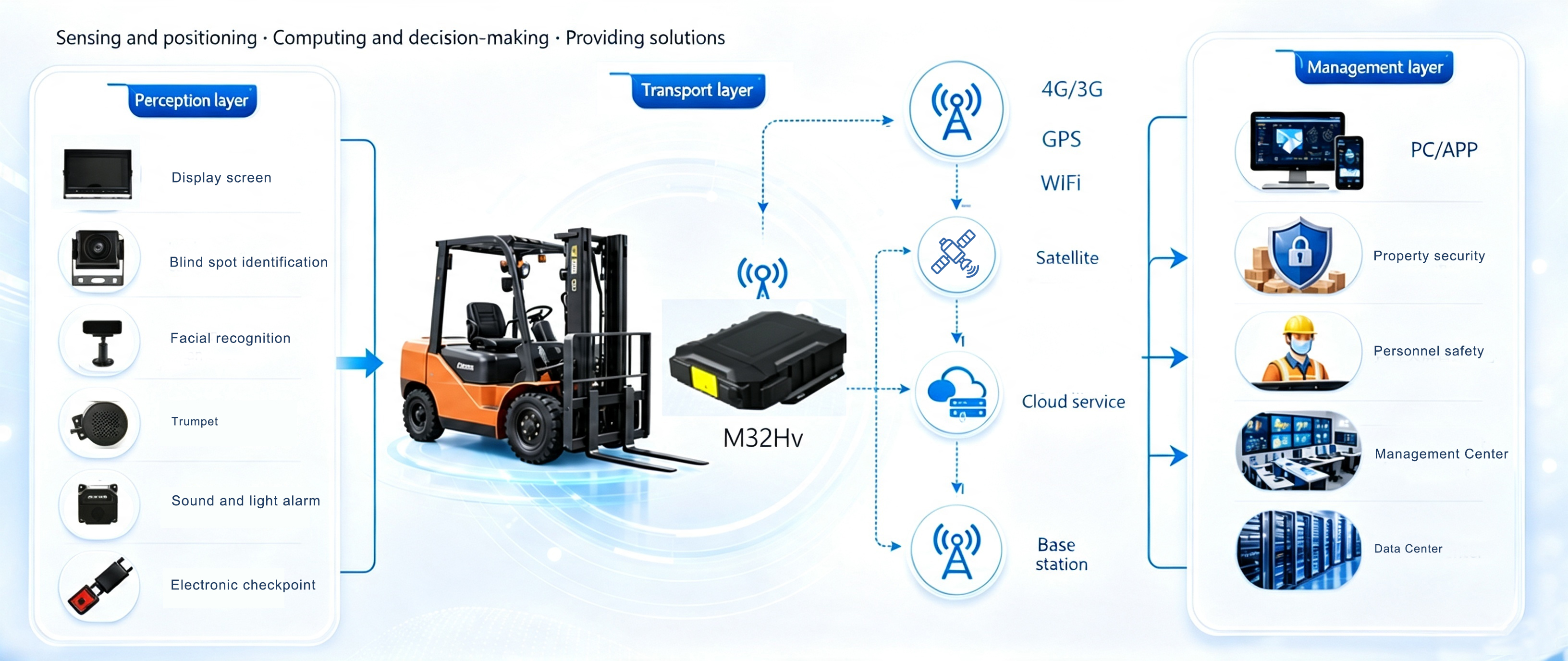
Identity verification and vehicle binding are completed across three dimensions to ensure operational safety and traceability of responsibility:
1. The platform registers qualified drivers and collects their identities.
2. The driver starts the vehicle, and the system automatically performs identity verification.
3. Identity and vehicle are successfully bound, clarifying responsibility and ensuring safety traceability.

First detect behavior, then identity; conduct regular checks and patch any security vulnerabilities.
1. Check if the vehicle is started.
2. Check if the seatbelt is fastened; otherwise, proceed to the next step.
3. Compare facial recognition; if the comparison fails, proceed to the next step.
4. Start the vehicle.
5. After the vehicle is turned off or the seatbelt is voluntarily unfastened, a new cycle begins.
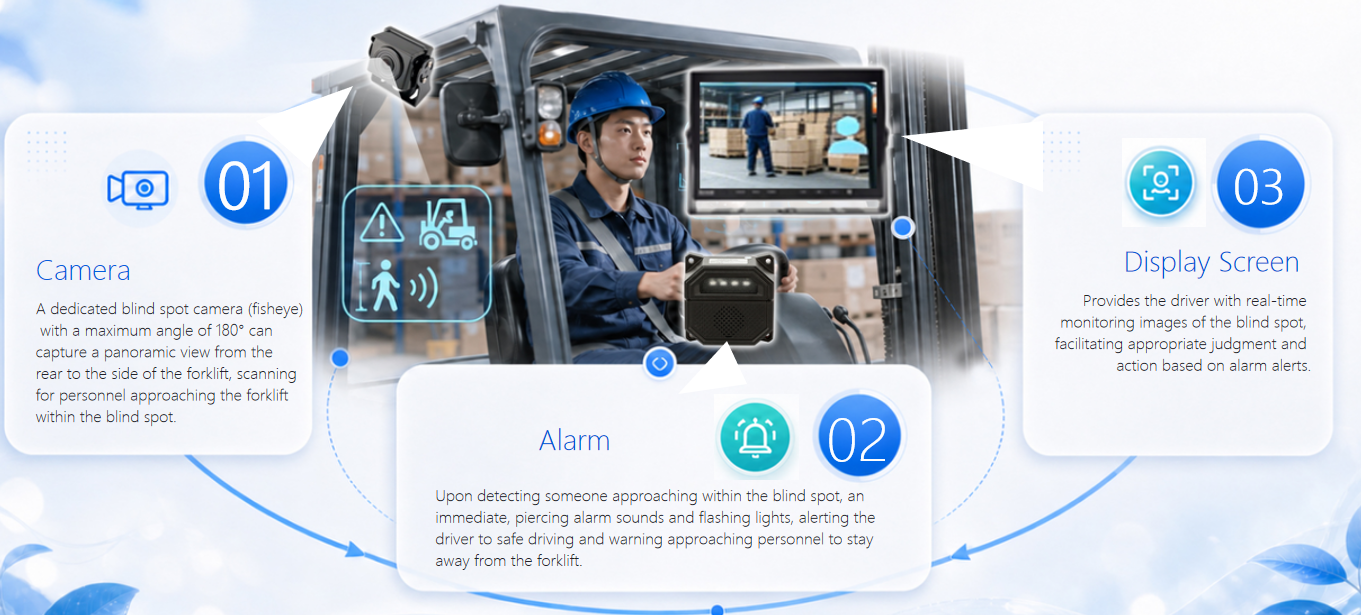
Blind Spot Visualization: Building a Closed-Loop Vehicle Safety Management System
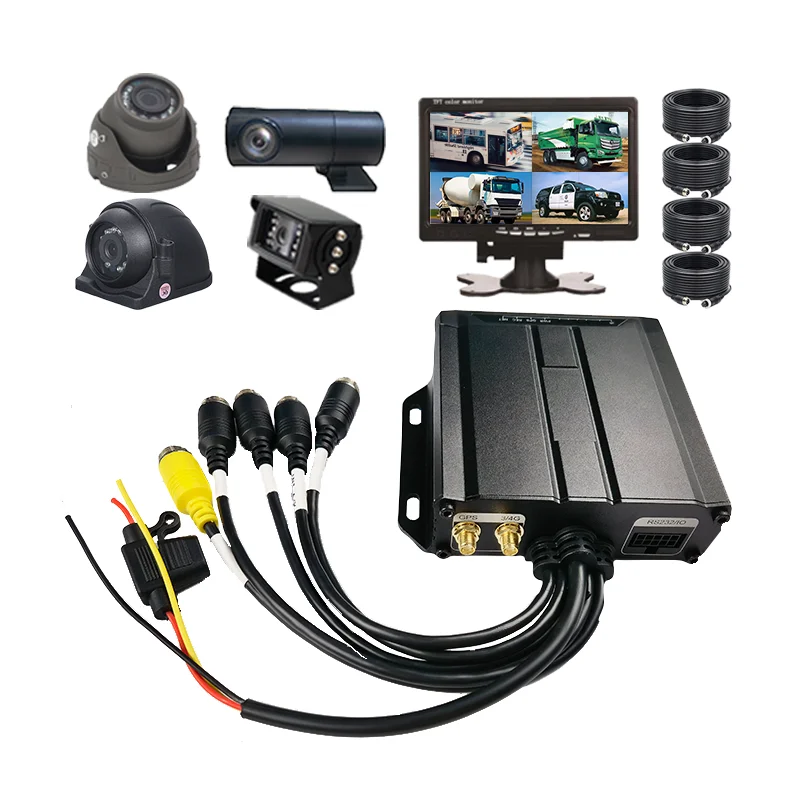
1. Camera: A dedicated blind spot camera (fisheye) with a maximum angle of 180° can capture a panoramic view from the rear to the side of the forklift, scanning for personnel approaching the forklift within the blind spot.
2. Alarm: Upon detecting someone approaching within the blind spot, an immediate, piercing alarm sounds and flashing lights, alerting the driver to safe driving and warning approaching personnel to stay away from the forklift.
3. Display Screen: Provides the driver with real-time monitoring images of the blind spot, facilitating appropriate judgment and action based on alarm alerts.

CITOPS delivers cutting-edge in-vehicle video systems with 4G GPS tracking, AI algorithms, and cloud monitoring. Trusted in 120+ countries, we offer customized MDVR solutions for enhanced fleet safety and operational efficiency.
11/F,BlockA,Delux Sci-Tech Park,No.5 Guanle Street, Longhua District,518110,Shenzhen,China.
Copyright © 2026 Shenzhen Citops Systems Co., Ltd. All rights reserved Privacy Policy
粤ICP备 14015289 号